

#2: Birding Guangzhou: A City I Thought I Knew
I recently returned to Guangzhou on a family vacation. Fifteen years ago, I used to visit this city four to five times a year for business. Back then, birding wasn’t yet part of my life—something I now regret, because seeing Guangzhou today feels like discovering a completely different place.
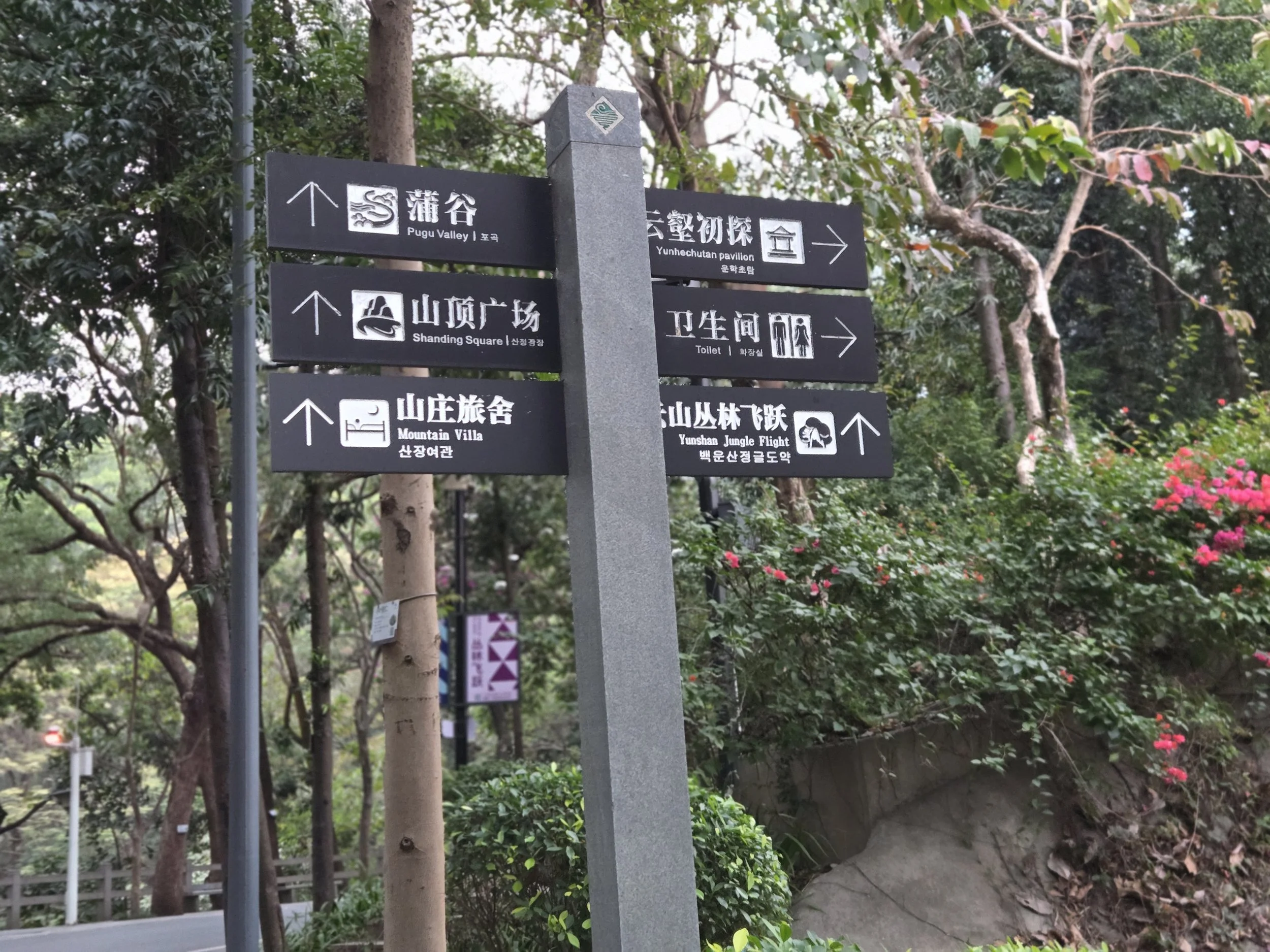
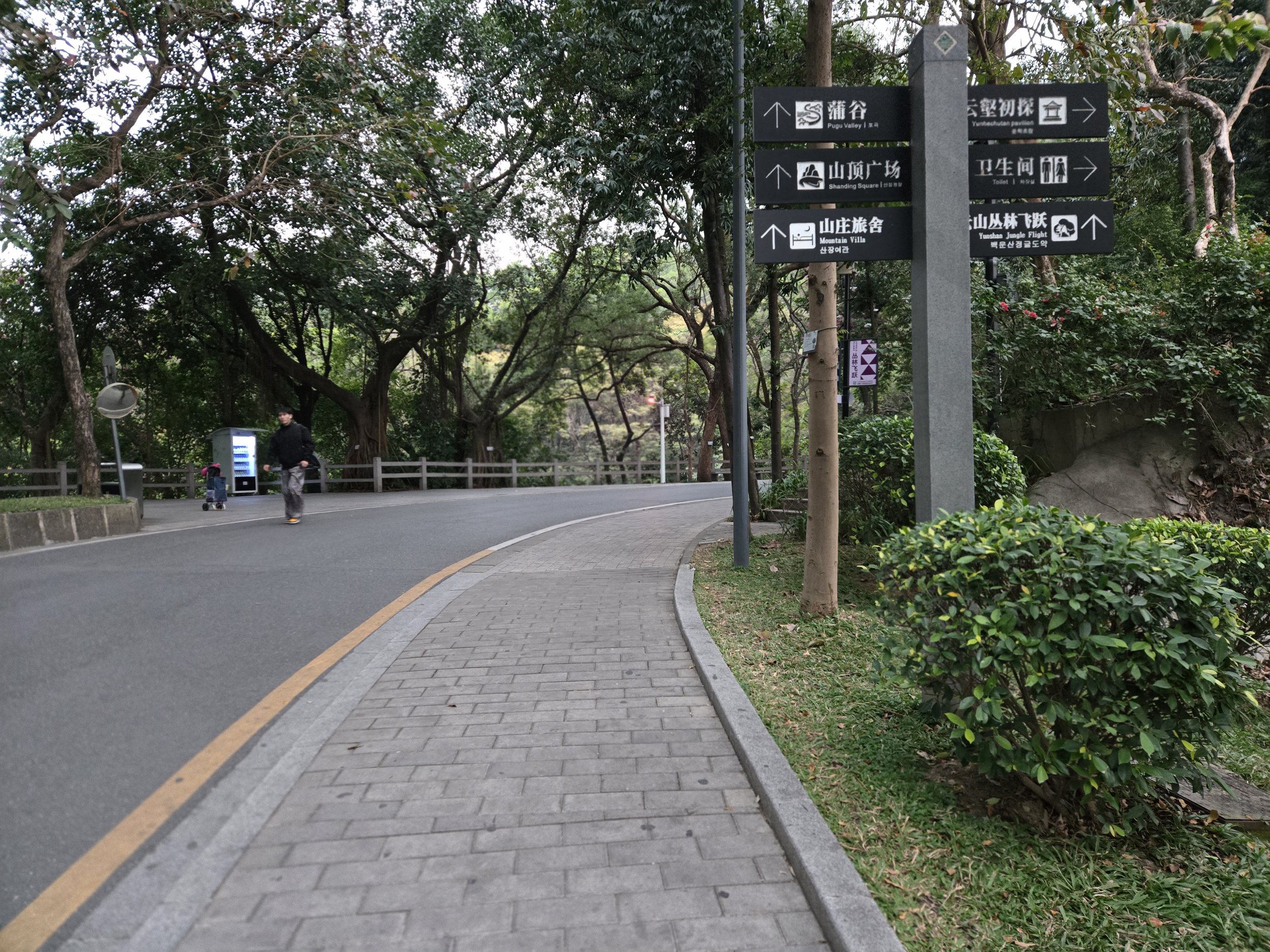
China has changed in ways that are hard to fully imagine unless you’ve seen it yourself. Guangzhou is now remarkably green, clean, and surprisingly quiet. The streets no longer echo with engine noise—most vehicles are electric—and even in busy areas, the city feels calm. Public spaces are well maintained, and to my surprise, even public toilets are consistently clean. Signage is clear and modern, with English included almost everywhere, making it much easier for visitors.
If I had one complaint, it would be the smell of cigarette smoke, which still lingers in certain areas. Aside from that, the overall experience was impressive.
A Typical Morning in Guangzhou
Sunrise comes a bit late, so most mornings I would head out around 7:00 AM. I stayed in the Baiyun area, and getting around was incredibly easy. I would book a Didi—China’s version of Grab—and within 10 to 15 minutes, I’d be dropped off at the nearest park.
There’s no need to carry cash. Payments are entirely cashless—everyone, from restaurants to small street vendors, uses QR codes for mobile payments. Once your phone is set up, you can move around freely without worrying about wallets or loose change. Even better, using our very own GCash, there was nothing to worry about at all.Urban Birding Made Easy
Urban Birding Made Easy
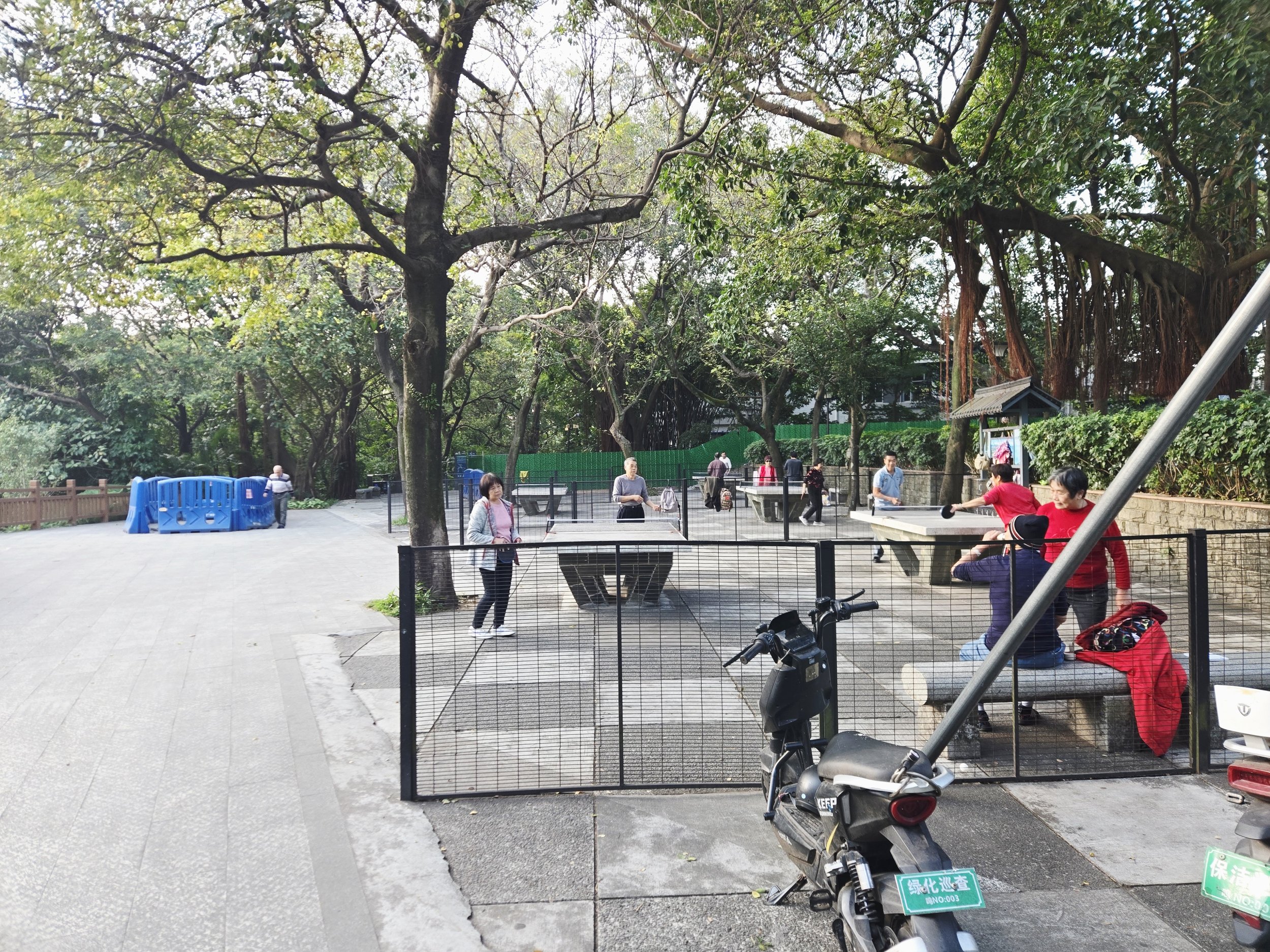
What struck me most was how accessible birding has become. Guangzhou’s parks are well-designed, green, and abundant, especially around Baiyun. Over the course of my stay, I managed to visit nearly all the parks in the area, each offering its own mix of habitats and species.
Wide paths, mature trees, lakes, and wetlands make these urban parks perfect for quiet morning birding. Even before the city fully wakes up, you can already hear birds calling, feeding, and moving through the canopy.
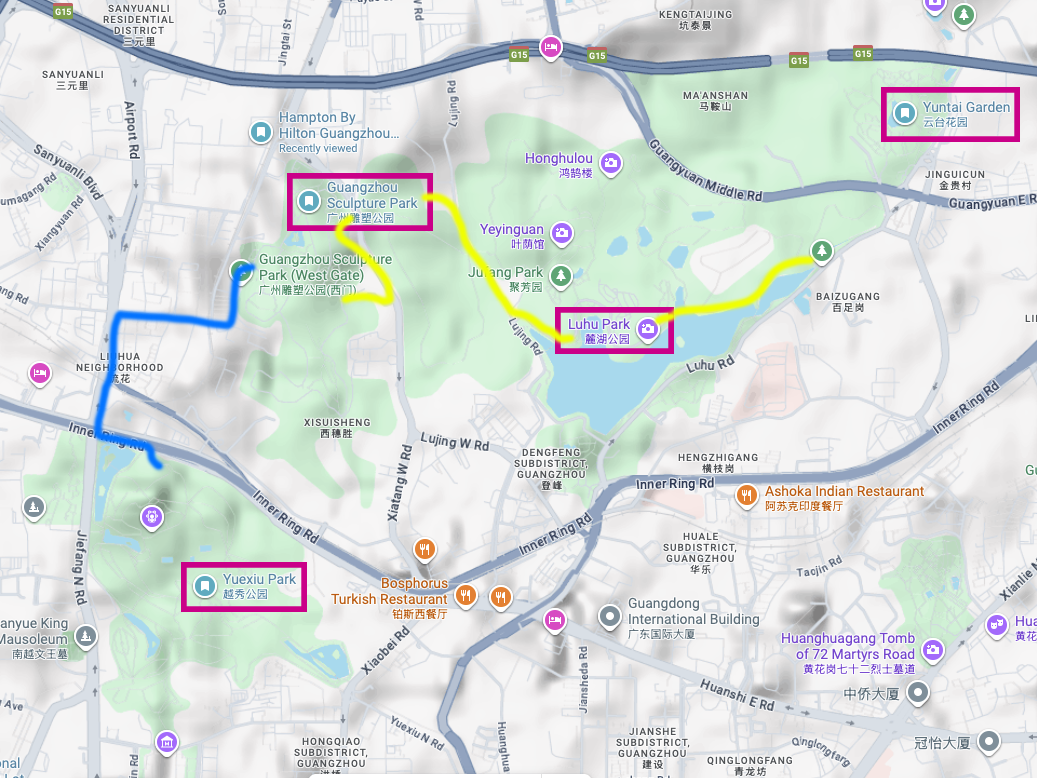
THE CANOPY WALK
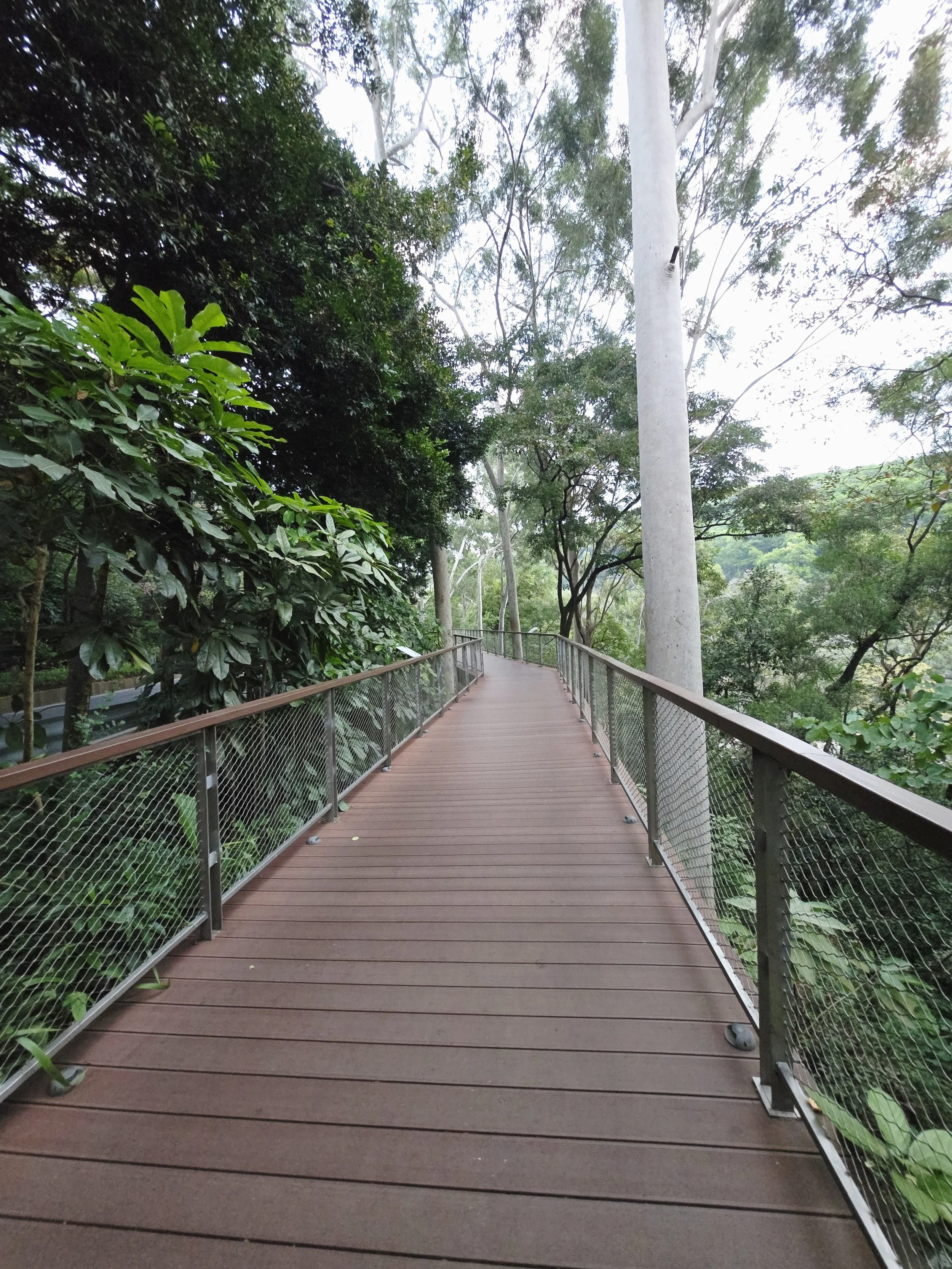
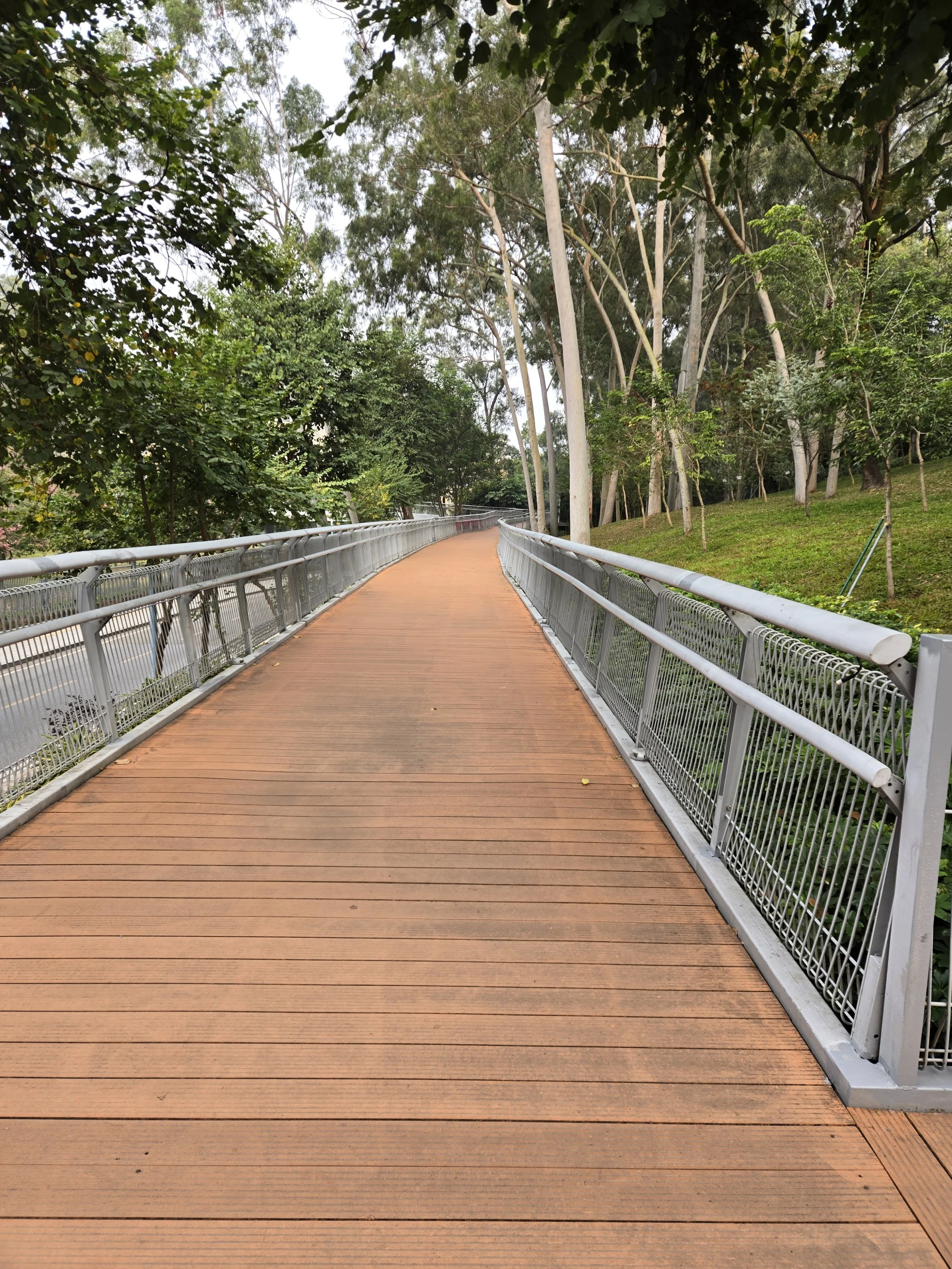
The route features a canopy walk alternating with regular asphalt paths, beginning at Baiyun Mountain passing thru Luhu Park, Jufang Park, and eventually guiding you straight into Guangzhou Sculpture Park. Stretching roughly 5 kilometers, the walk feels effortless thanks to how accessible and well‑connected it is.
Where I Went Birding
Below is a list of all the places where I went birding during my stay. If you find yourself in Guangzhou—especially in the Baiyun area—you can easily follow the same routine and experience these sites for yourself.
Baiyun mountain
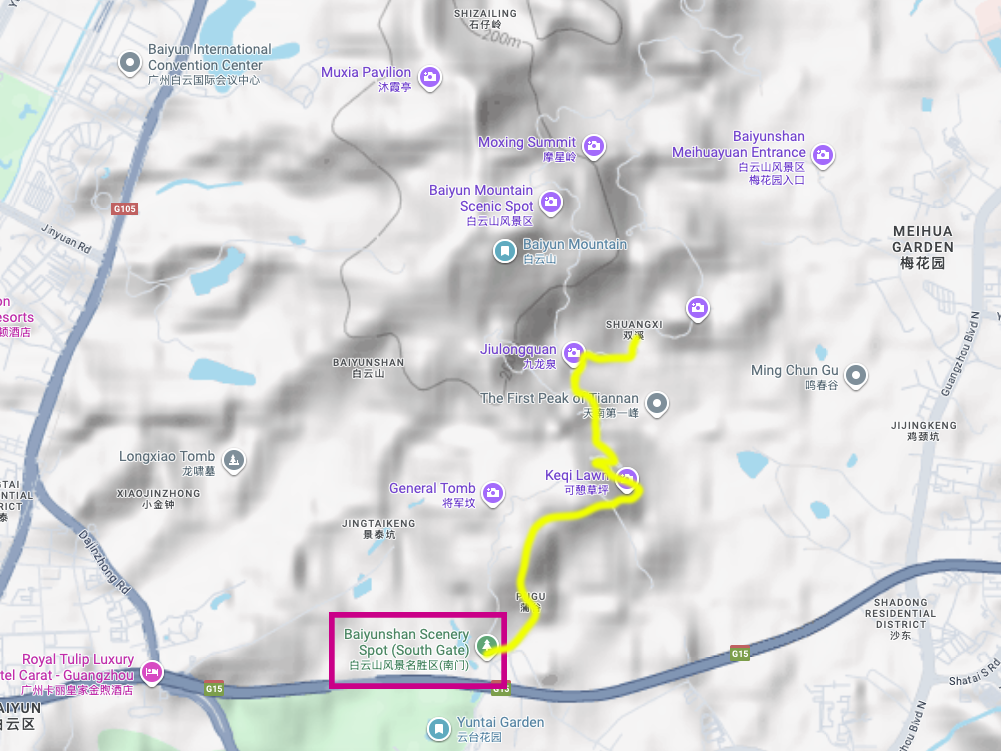
TRAIL INSIDE BAIYUN MOUNTAIN
Entered thru the South Gate and followed the forest trail.
Did not manage to go the highest peak as I was running out of time.
Lots of people especially on weekends.
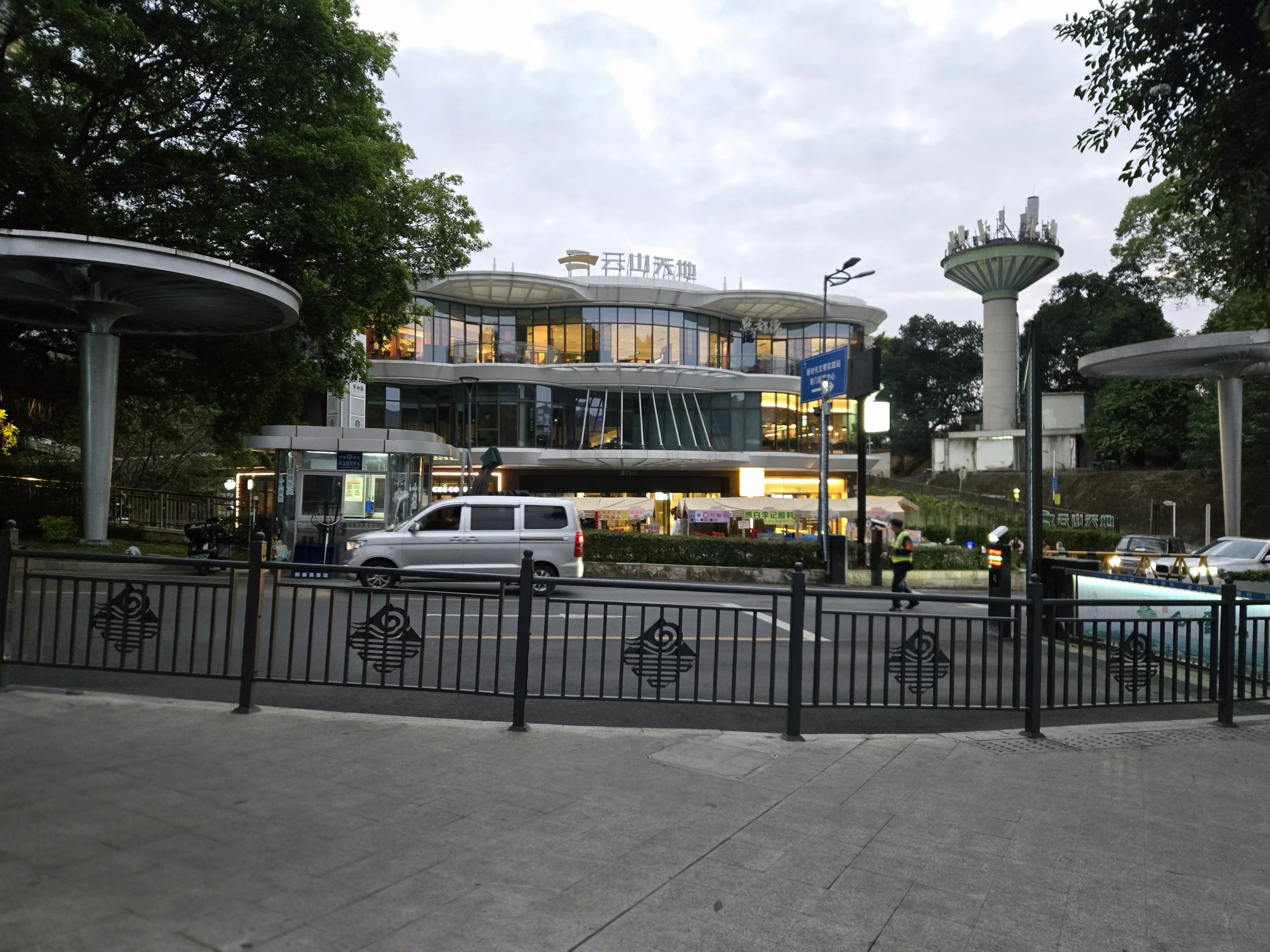
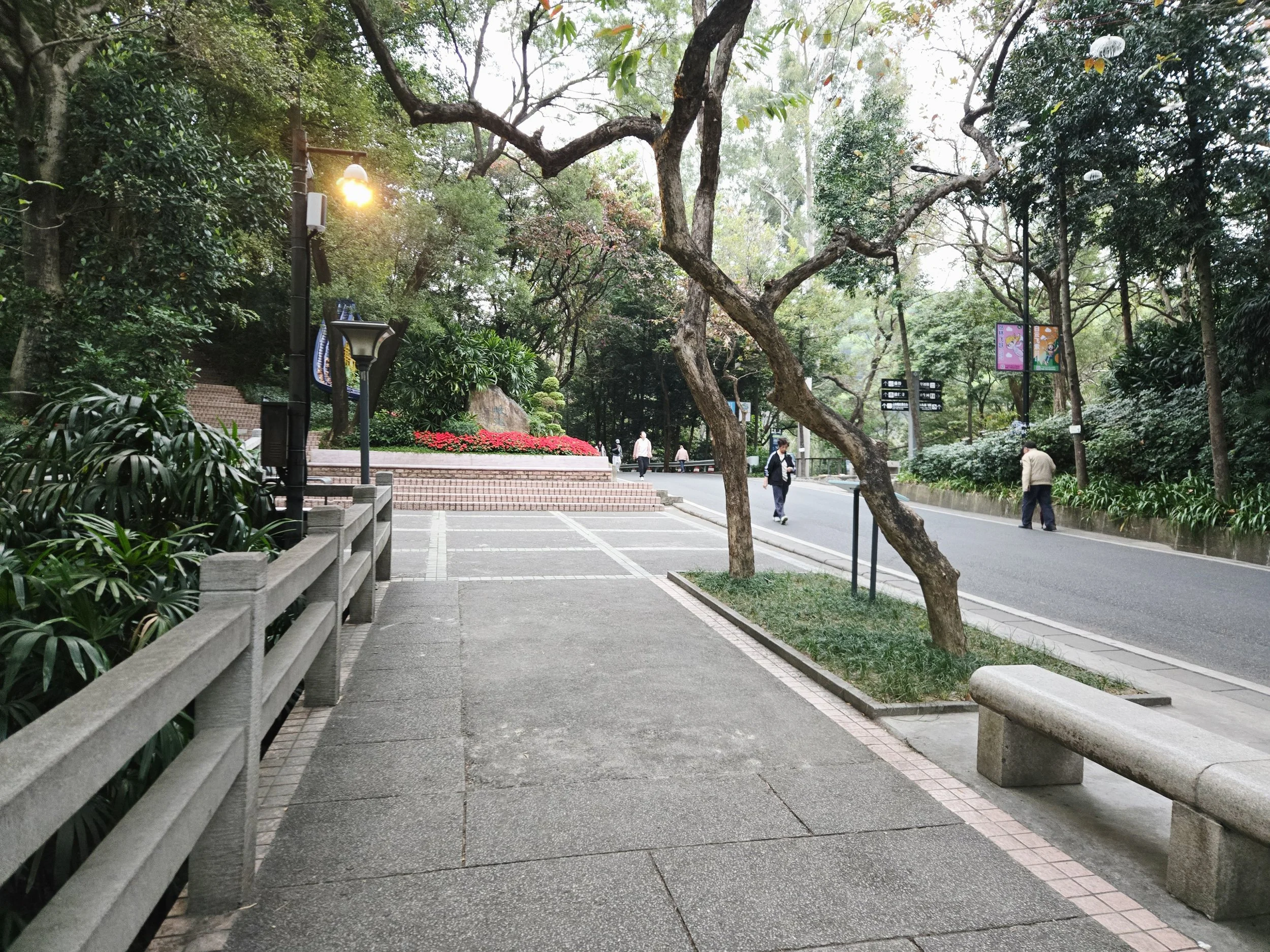
This was the farthest among all the places I visited. I took a DiDi, and after a quick 15‑minute ride, I arrived at the South Gate Entrance. The entrance itself is very modern, with McDonald’s and Starbucks right at the gate.
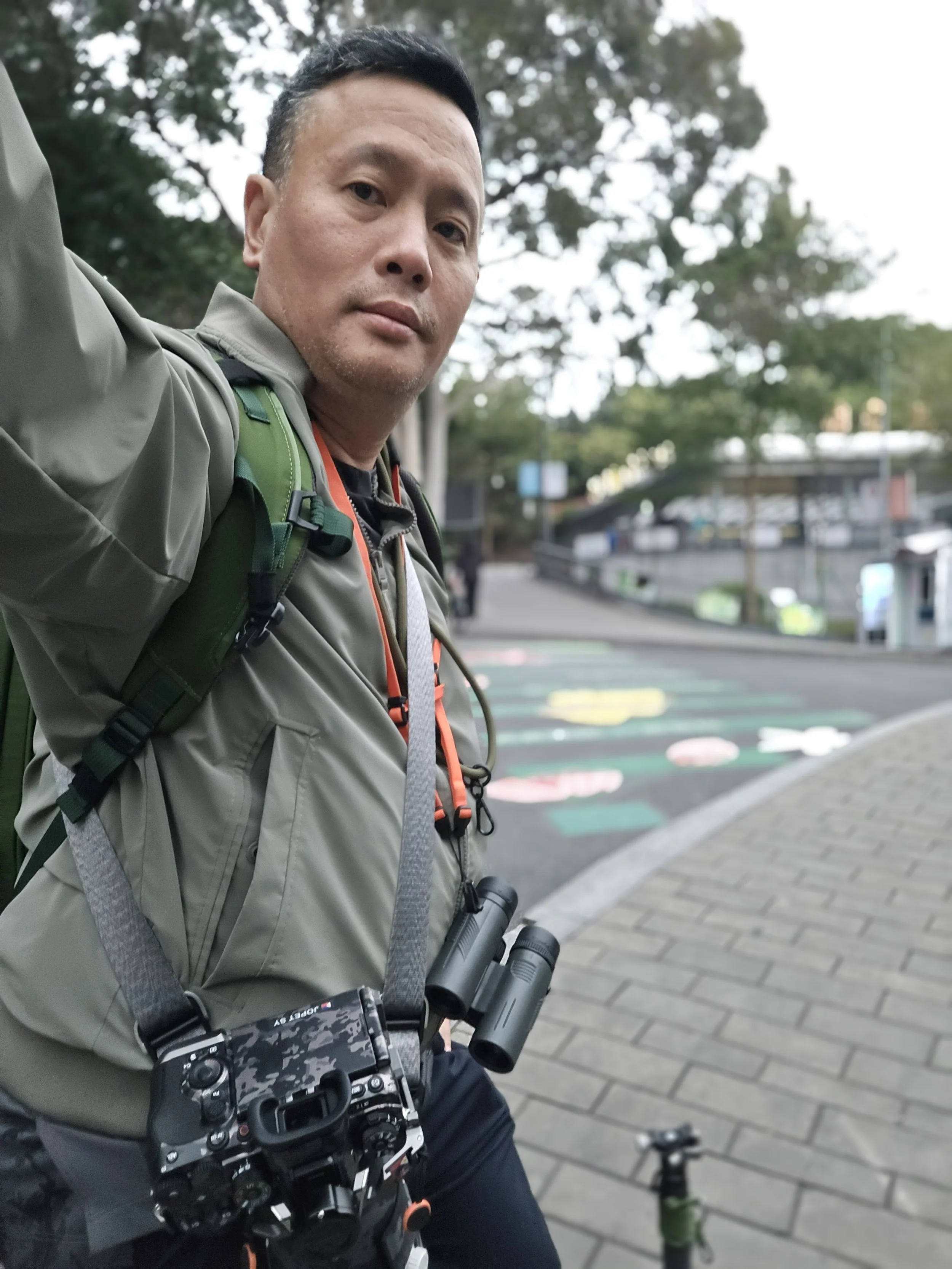
Travel light, guess not.
Sony ⍺1ii with small rig cage (910g)
Sony FE 400–800mm f/6.3–8 (2475g)
Fujinon 8x32 (440g)
Think Tank Mindshift 26L (1800g)
Benro tripod collapsible to Monopod (320g)
Batteries inside the bag (200g)
Jacket (350g)
Total weight: 6.145kg 😂
Over the next few days of birding, I’ve chosen a lighter setup.
Sony ⍺1ii with small rig cage (910g)
Sony FE 400–800mm f/6.3–8 (2475g)
2 Batteries inside my pocket (50g)
Total weight: 3.435kg 😍
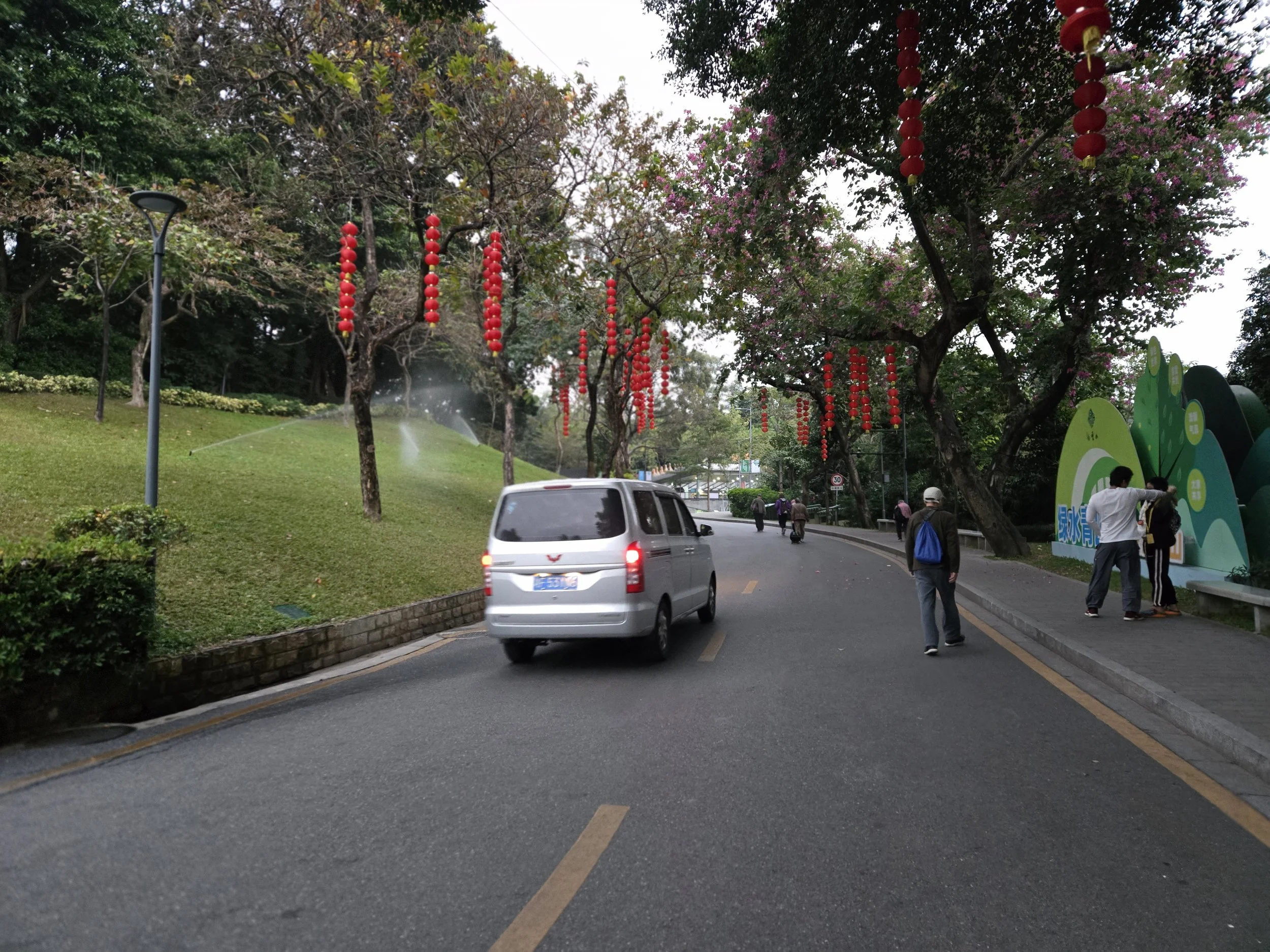
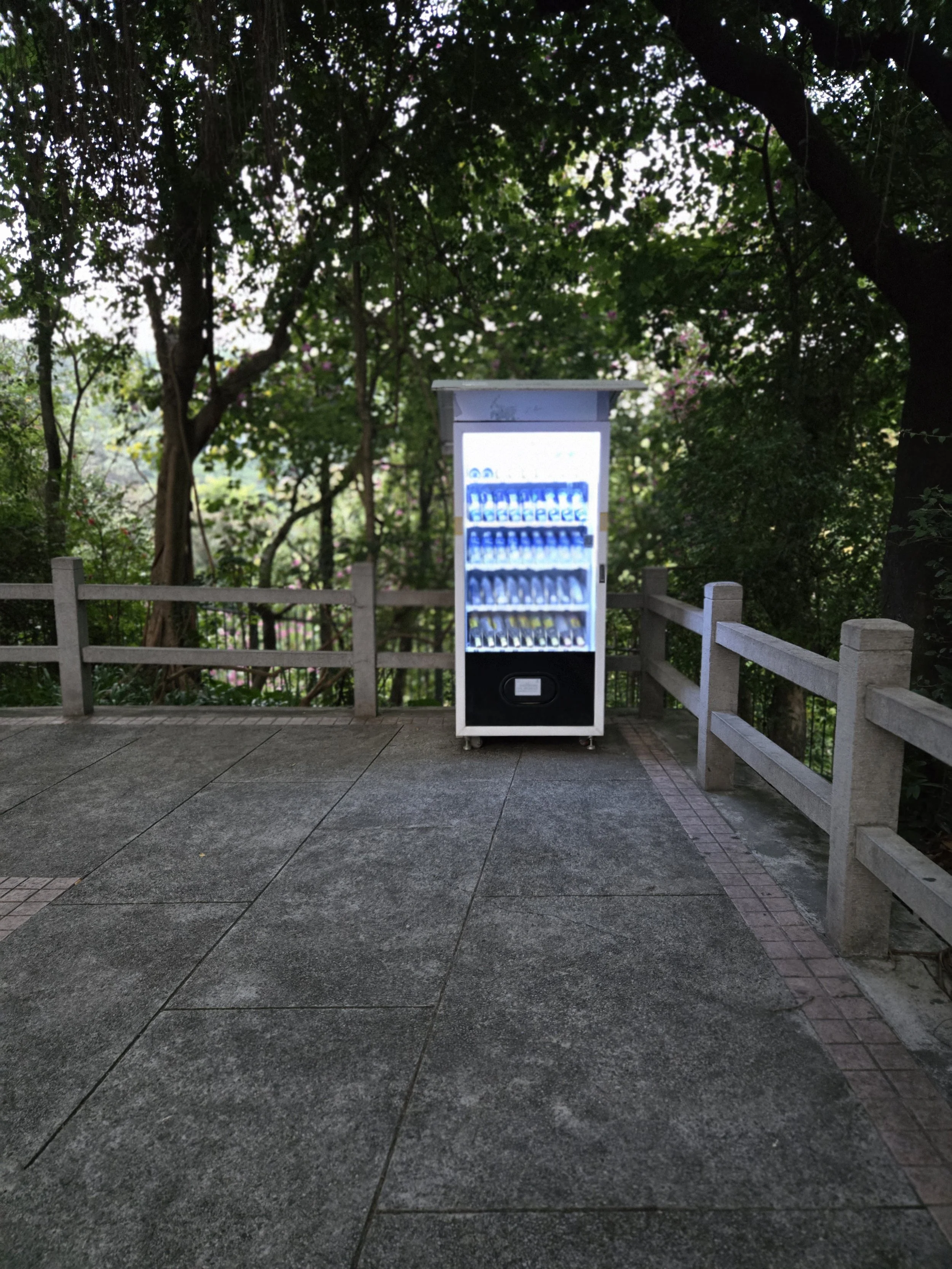
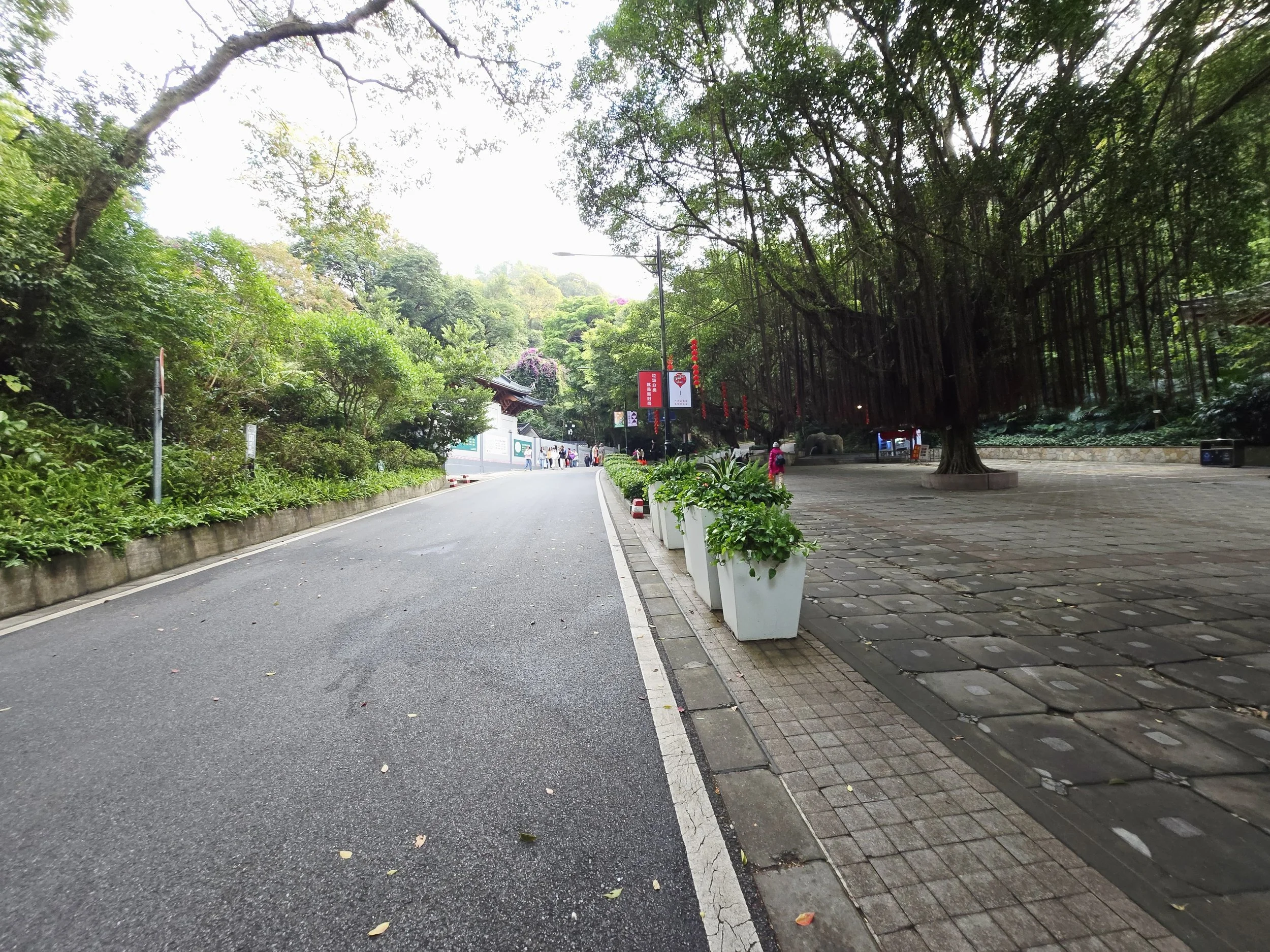
There’s no need to buy tickets in advance—you can simply purchase your entry ticket via QR code at the gate, payable through GCash. From here, the trail immediately starts going uphill, although there are options for those who prefer not to walk the entire way. Electric buses and cable cars are available, both with separate fees.
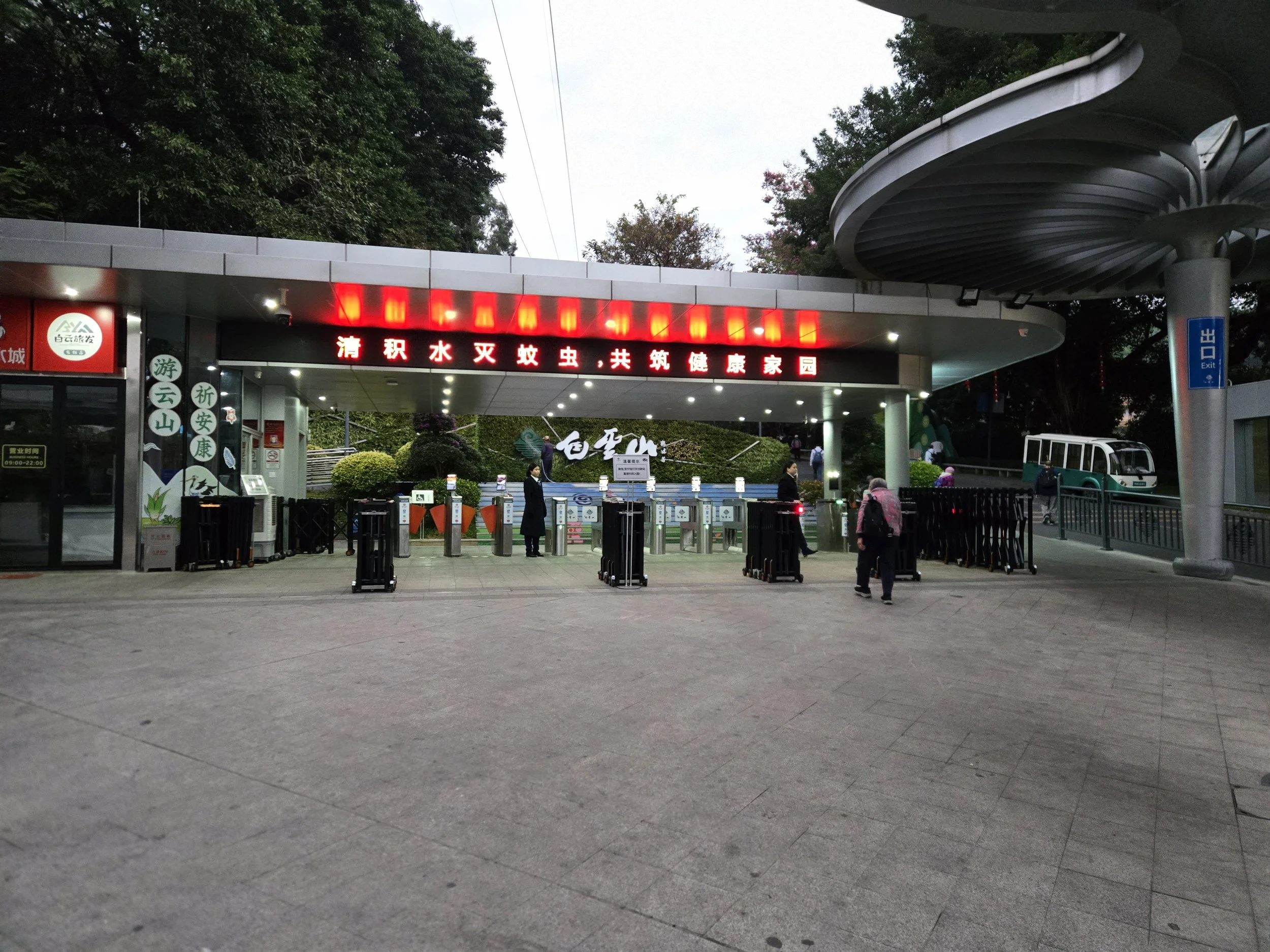
Ascent and First Sightings
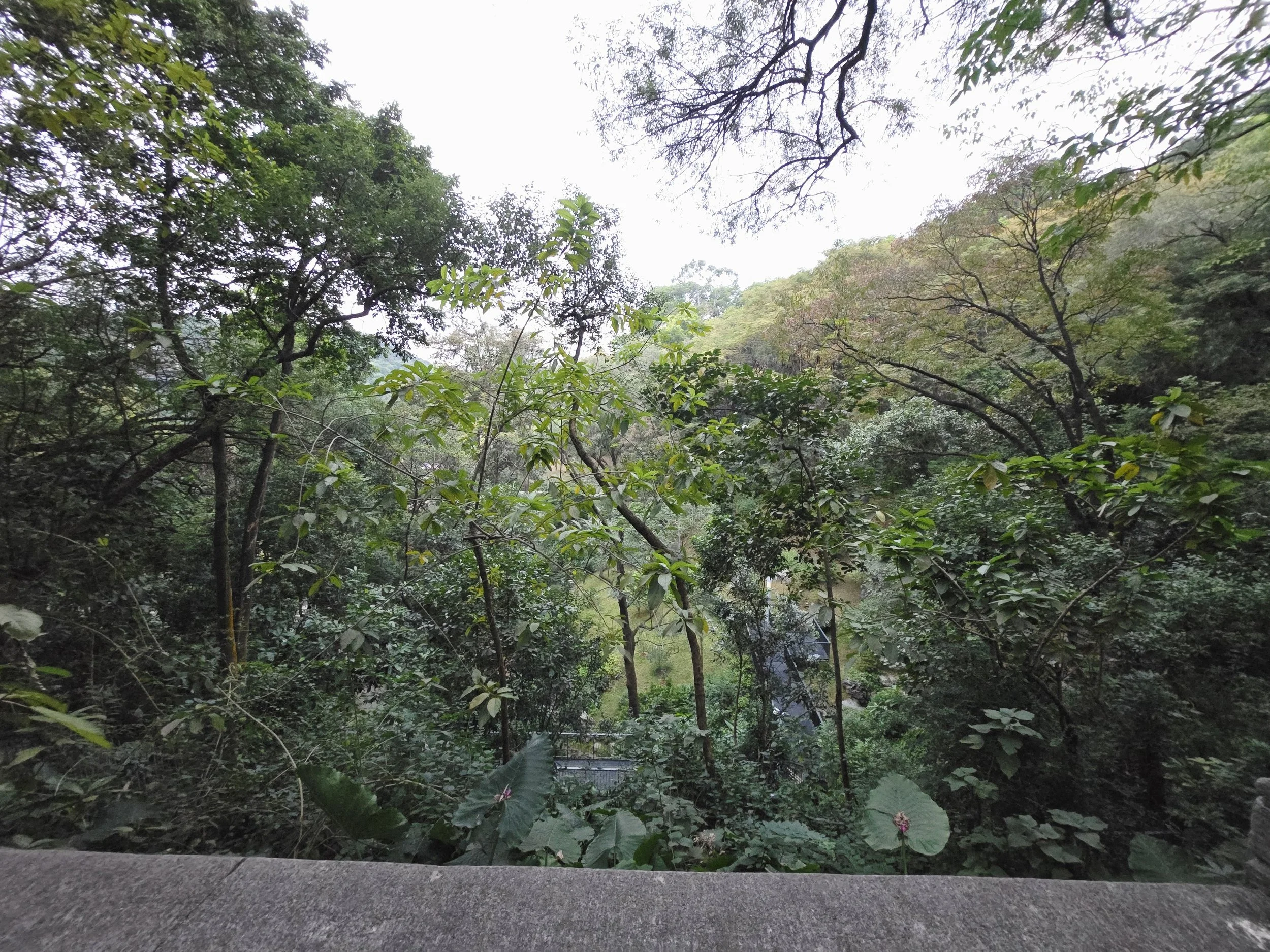
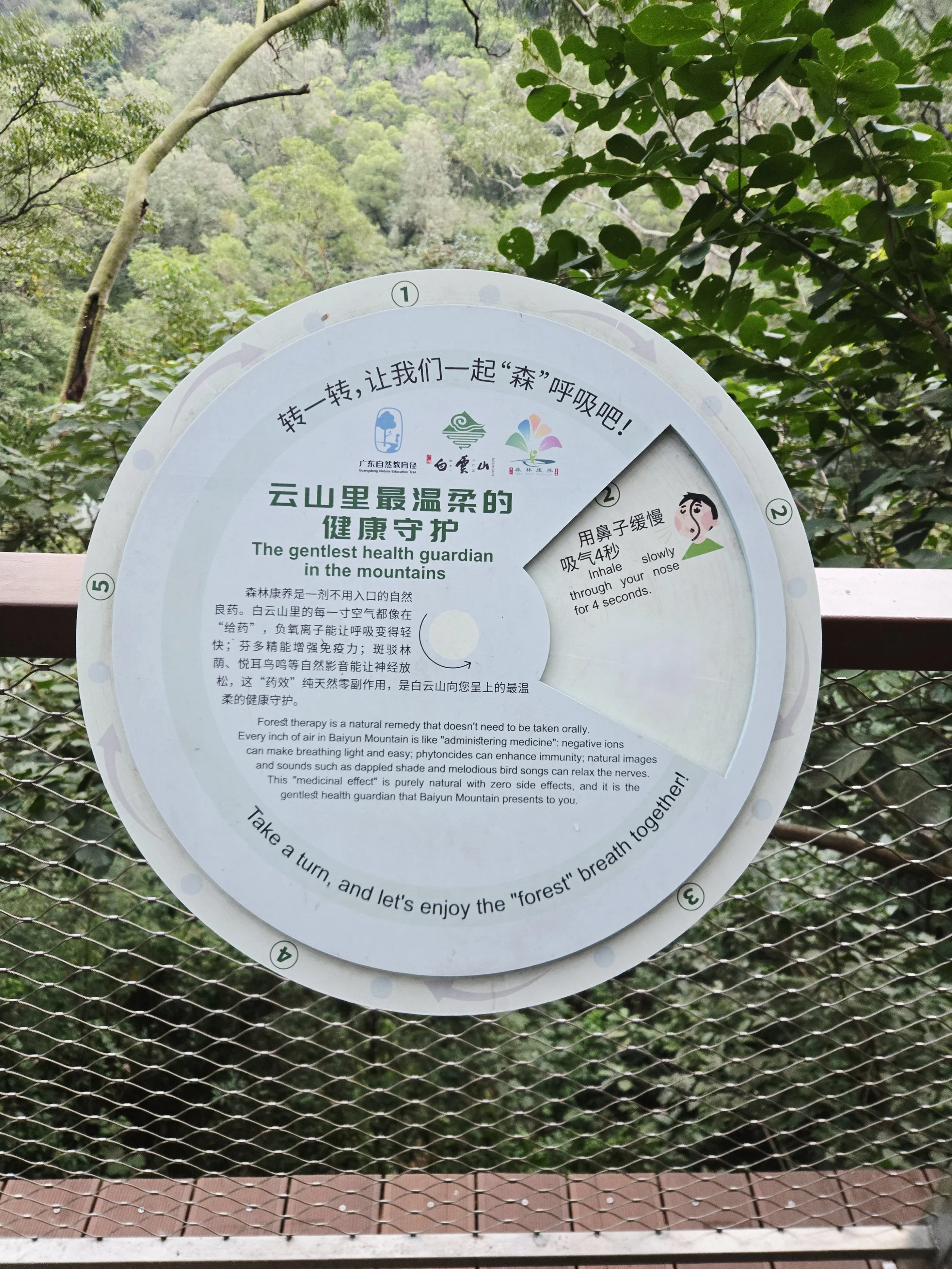
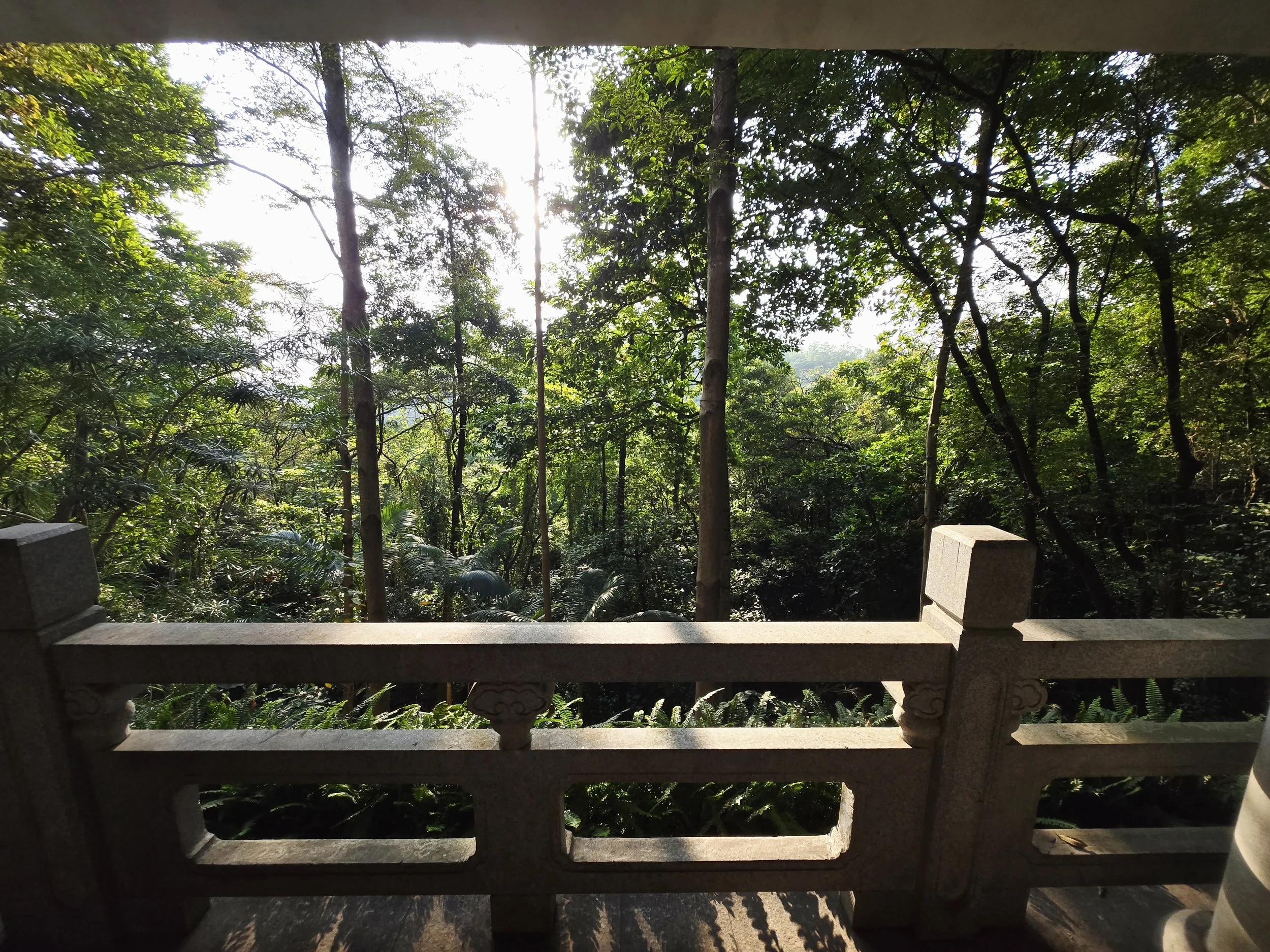
On the way up, there is an estimated 800‑meter forest canopy walk before reaching the toilet area and the stairs for further ascent. This is where I got my first bird photos of the day, featuring the Swinhoe’s White‑eye.
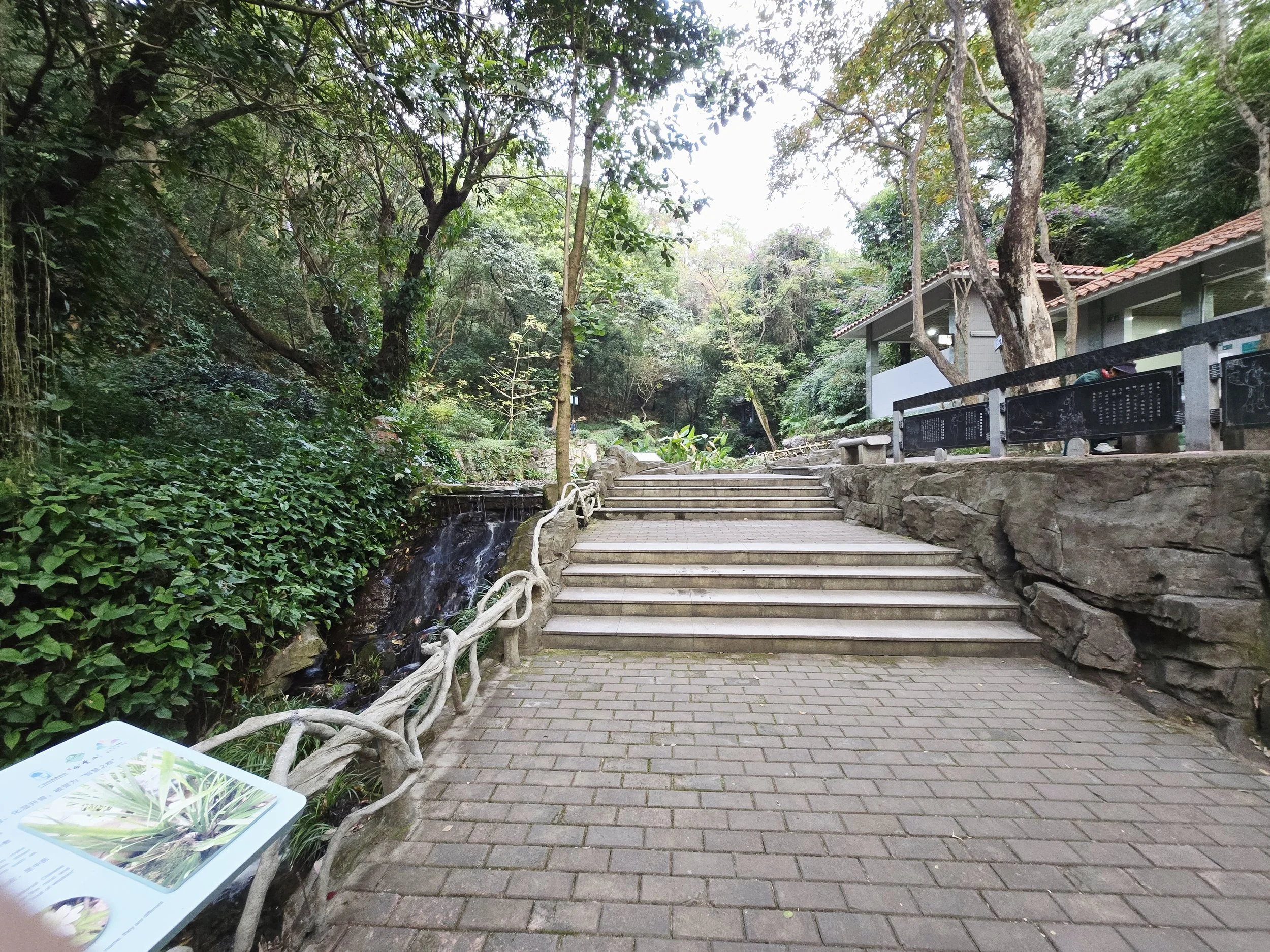
As the trail gains more elevation, it transitions into an asphalt road with a noticeable incline. I chose instead to take the forest trail, which consists of cemented stairs surrounded by plants and forest cover—a much more rewarding option for birding.
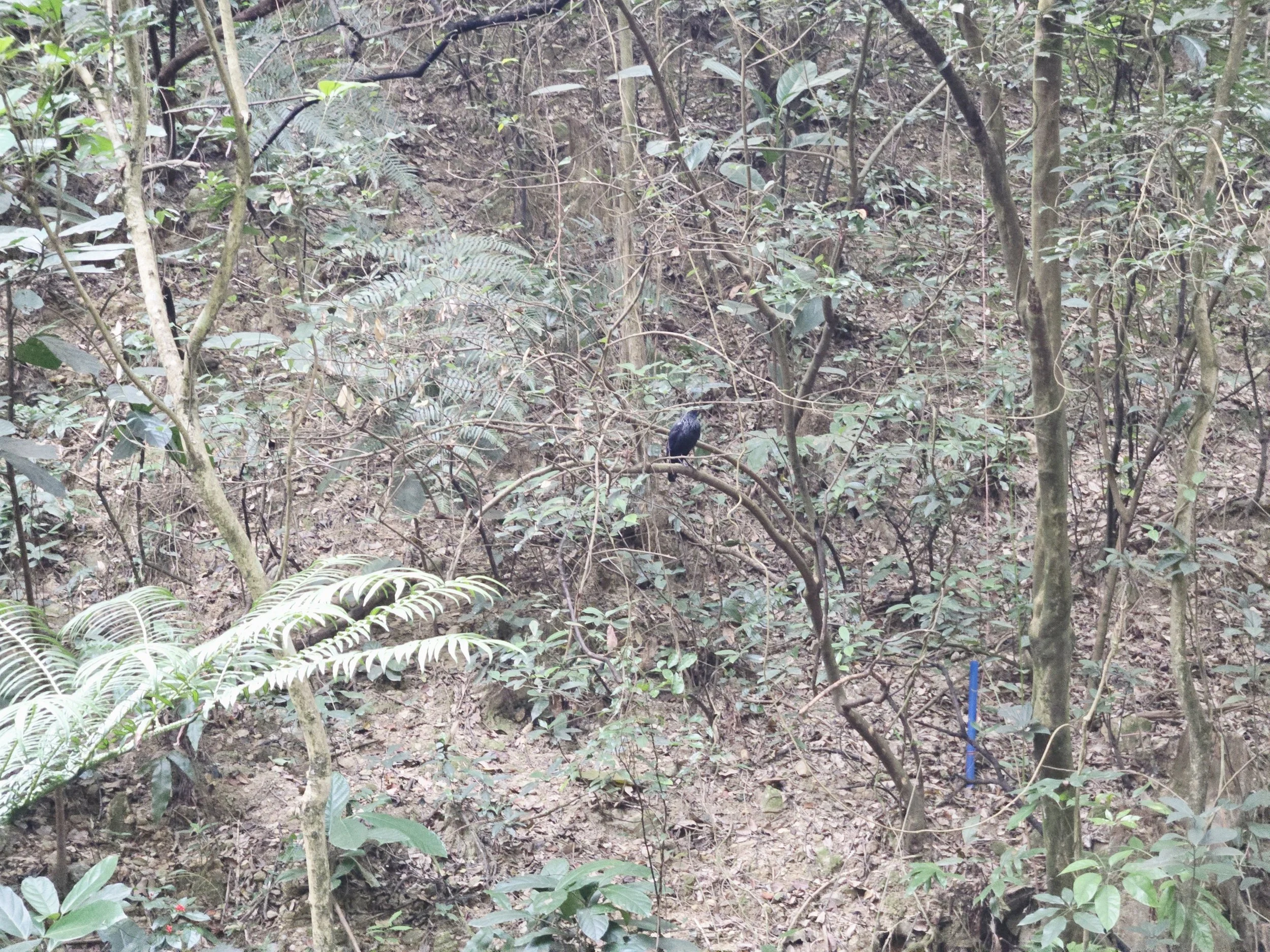
My second notable sighting was the Blue Whistling Thrush, with around six individuals seen in the area.
Open Area and Peak Bird Activity
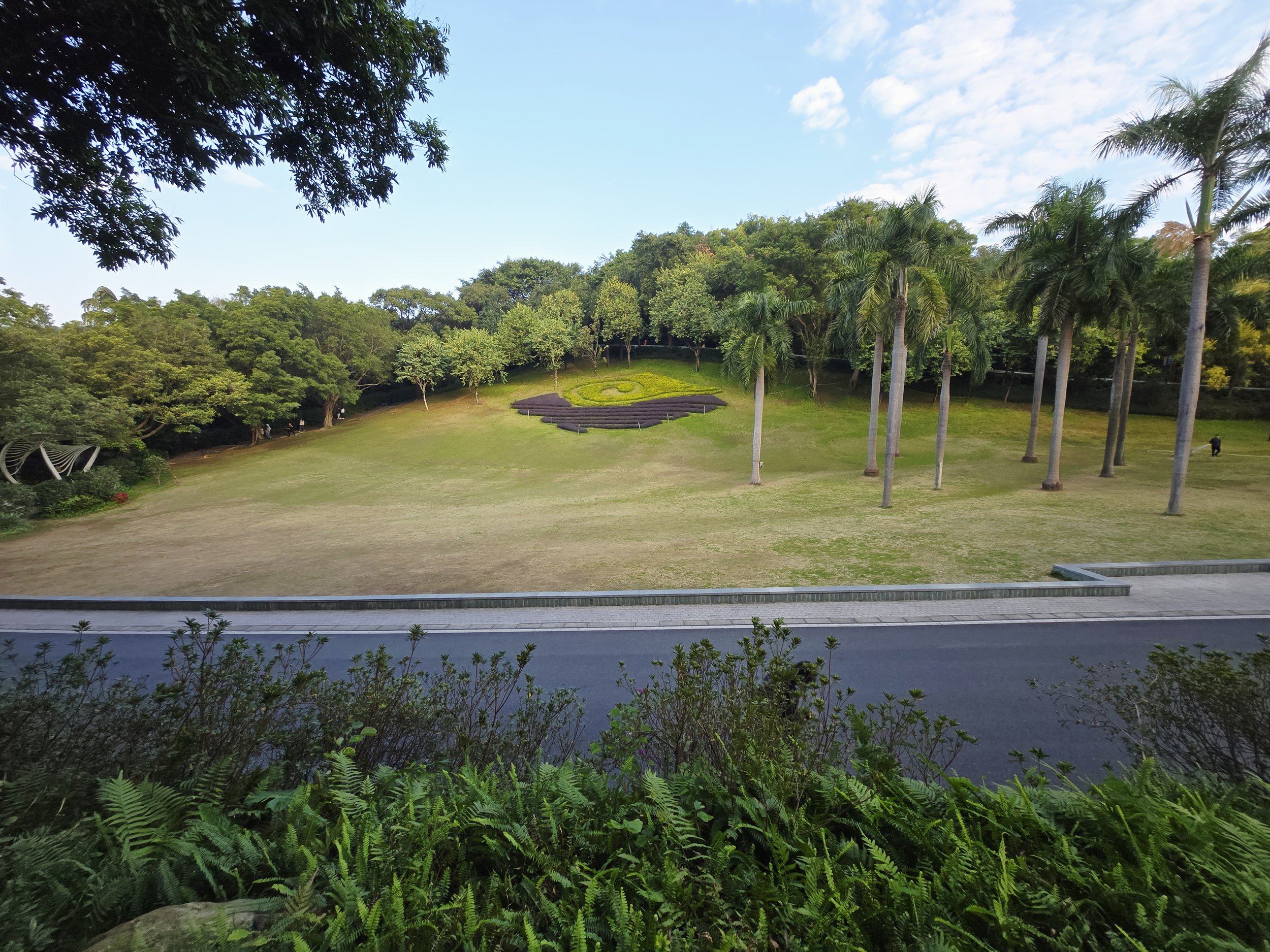
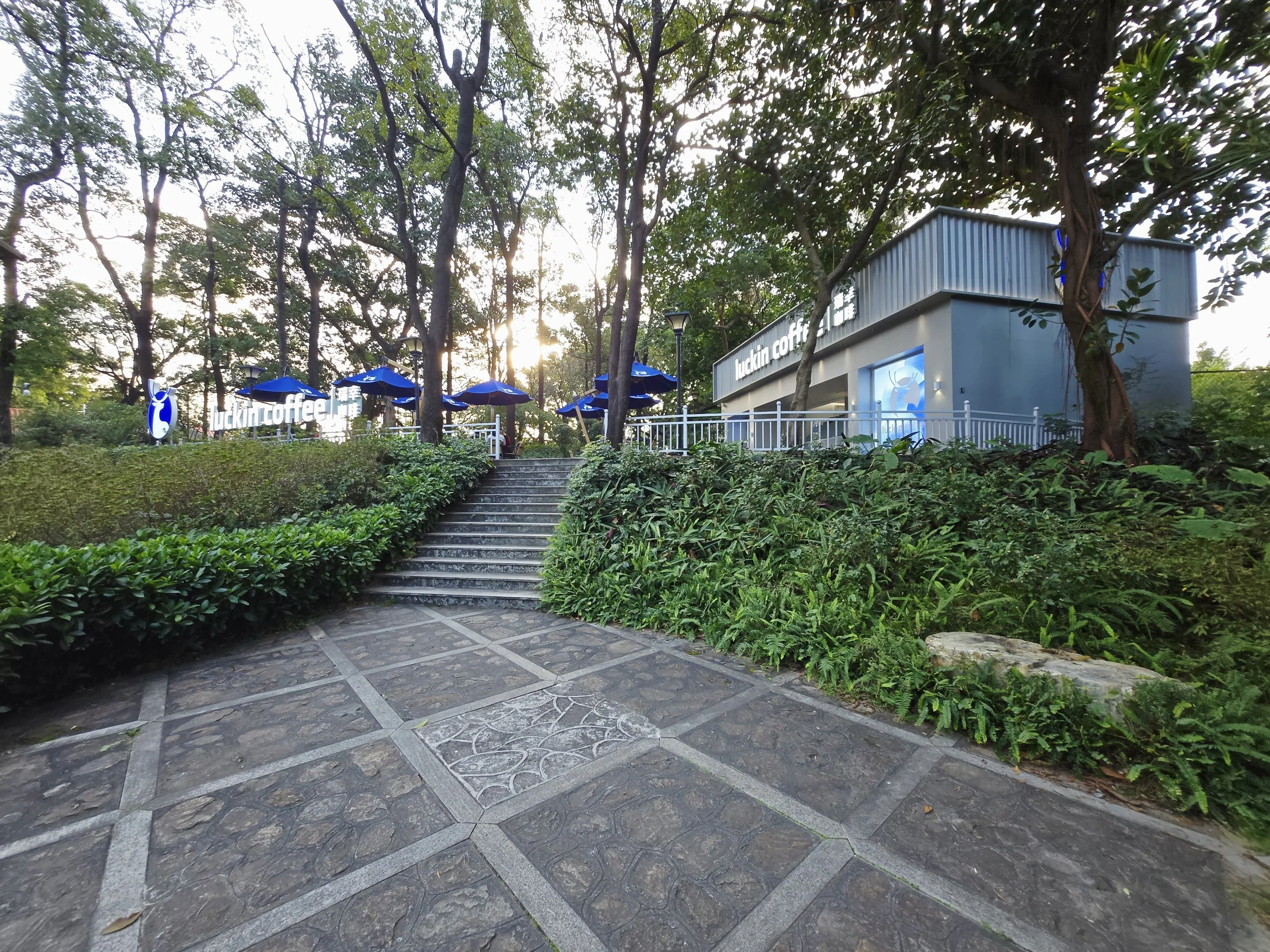
After about 2 kilometers, I reached an open area where I ended up staying the longest. This section has attractions and coffee shops, and bird activity here was significantly higher.
Species observed in this area included:
Common Tailorbird
Chinese Blackbird
Red‑whiskered Bulbul
Fork‑tailed Sunbird (my target species)
Scarlet‑backed Flowerpecker
White Wagtail
Asian Tit
Swinhoe’s White‑eye
Spotted Doves
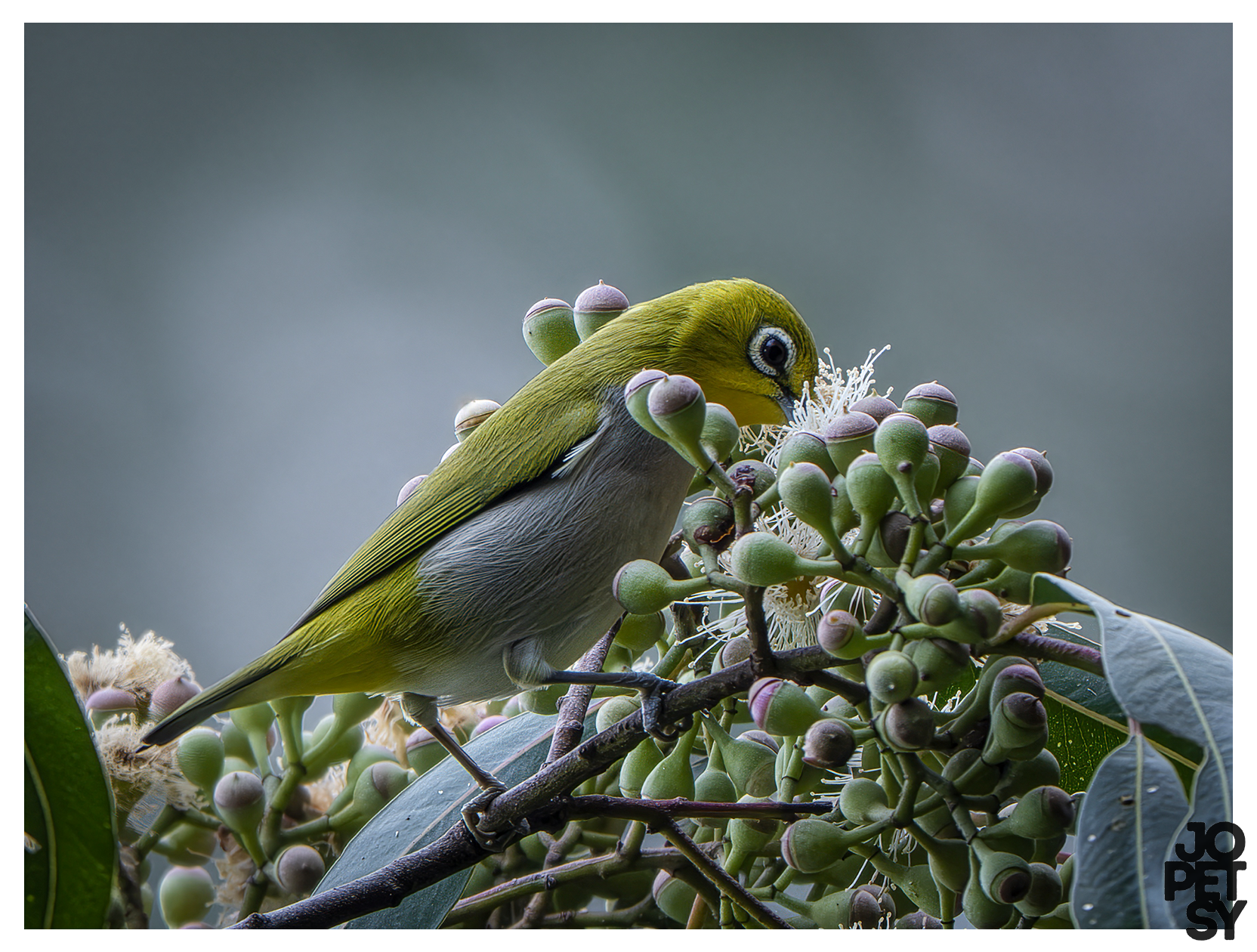
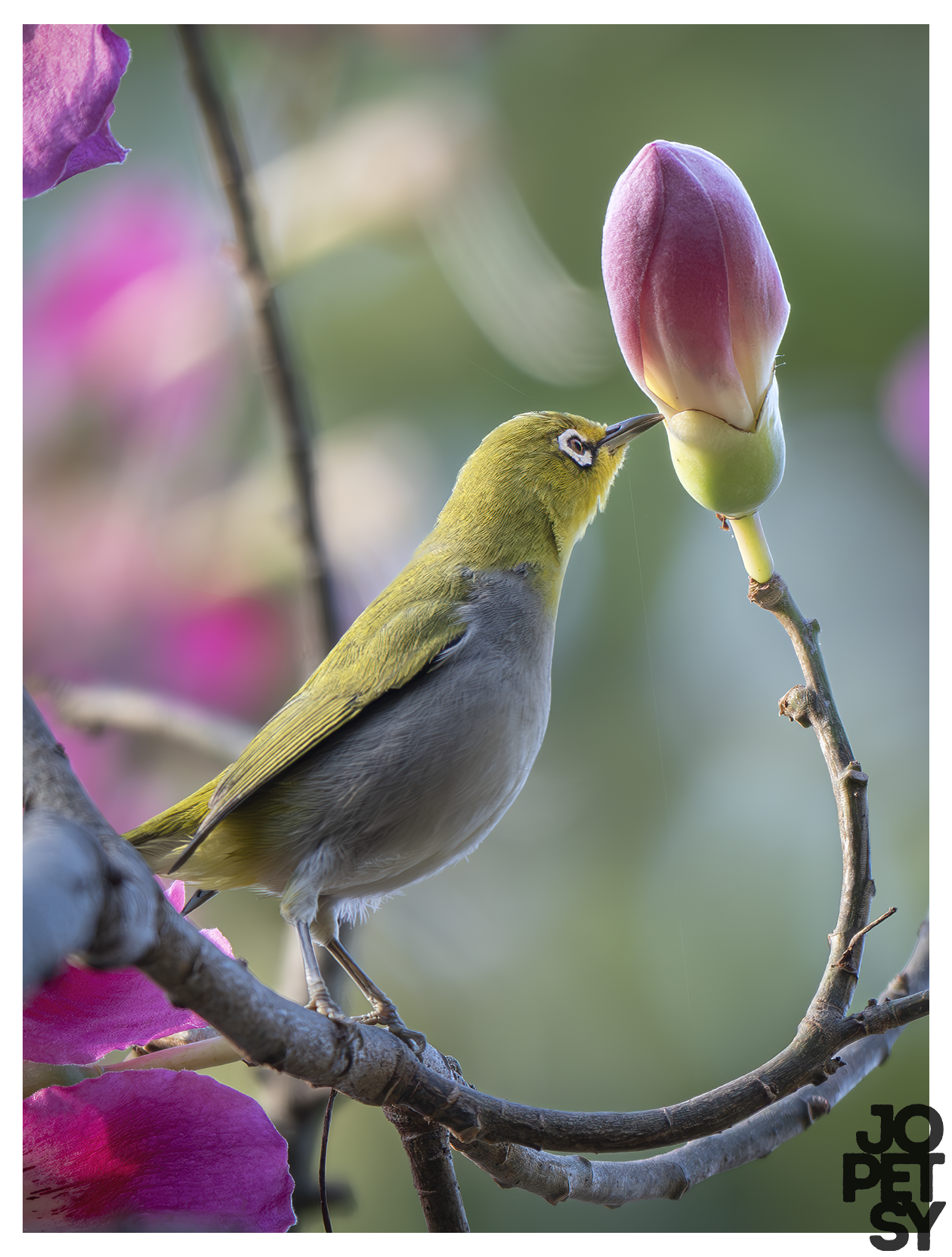
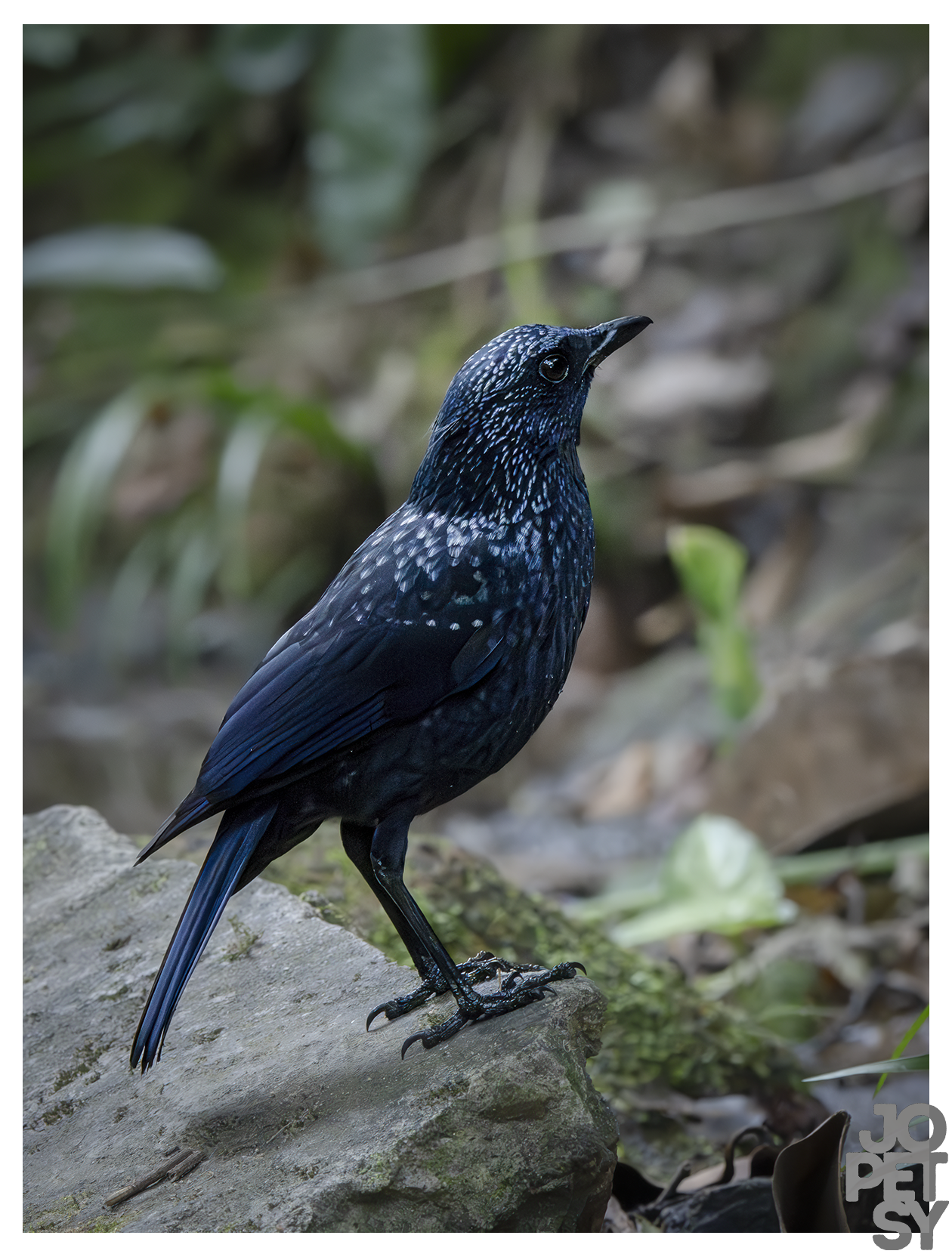
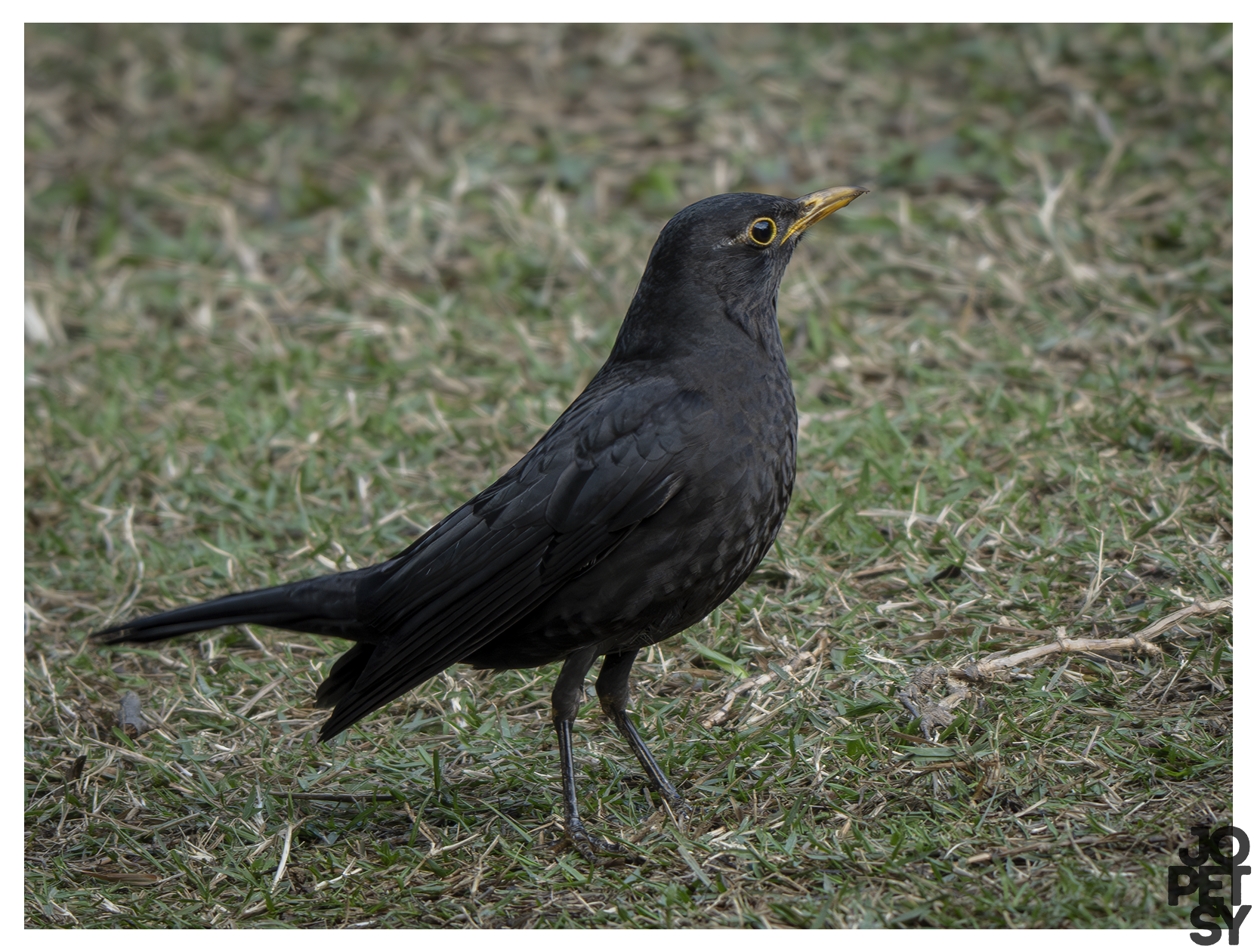
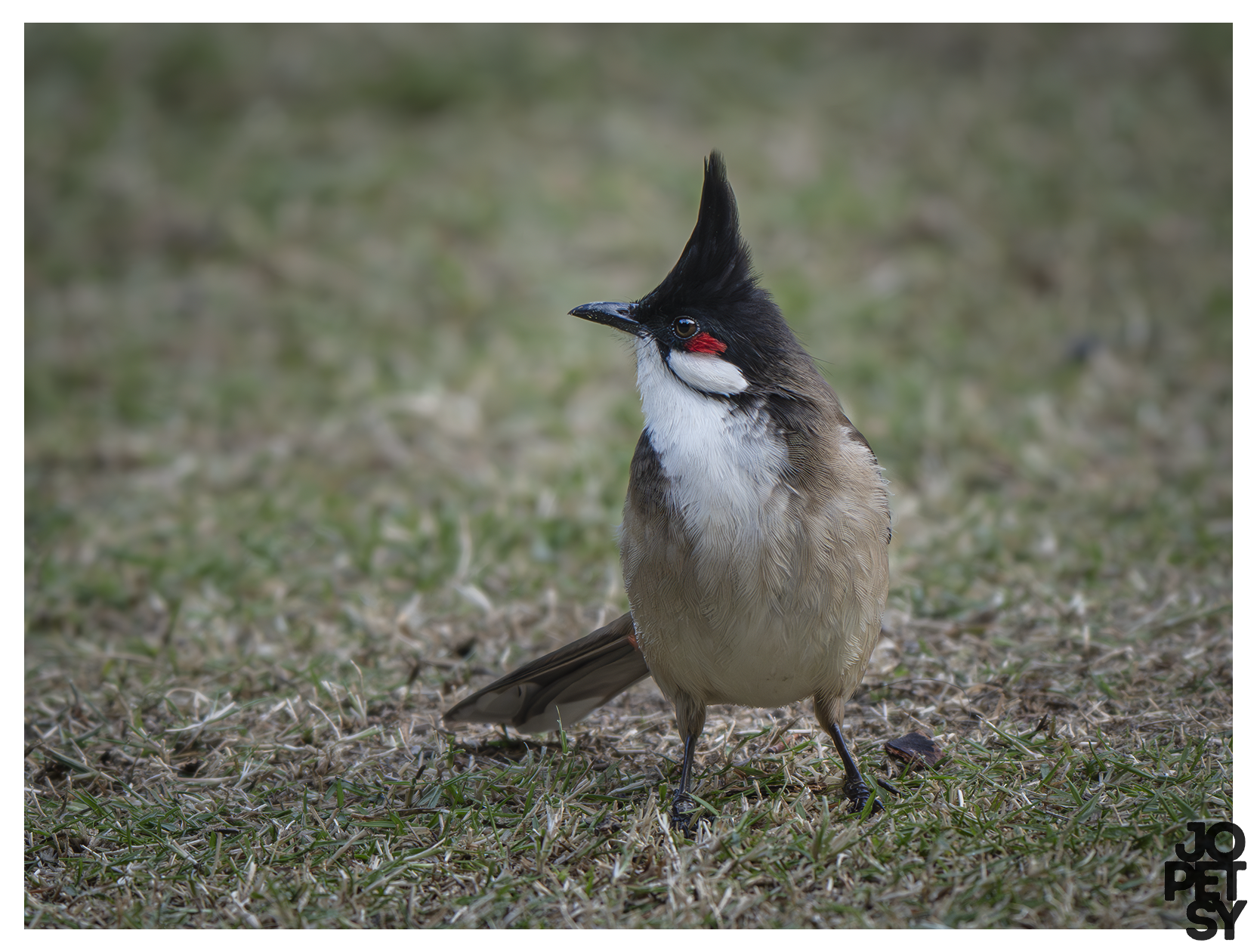
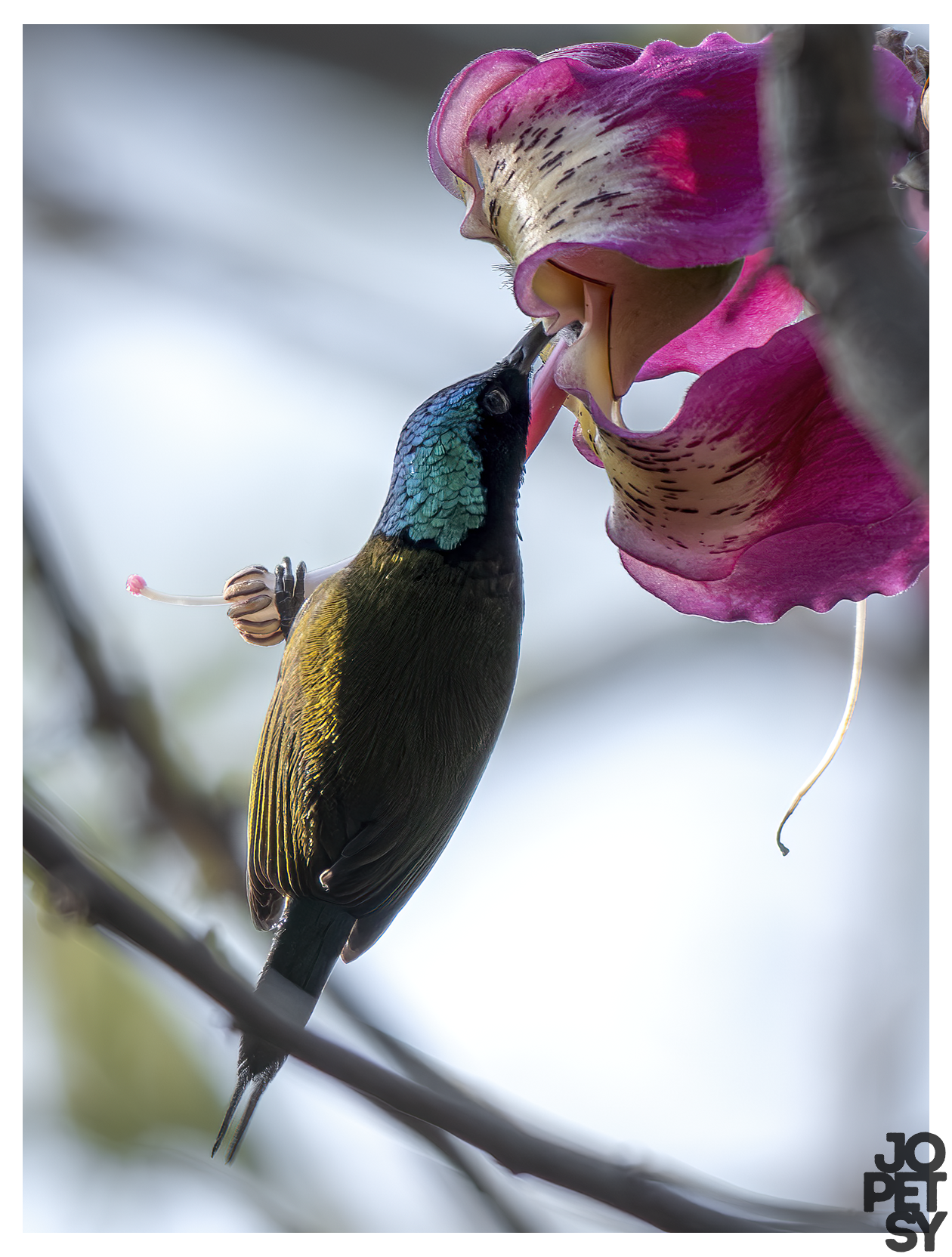
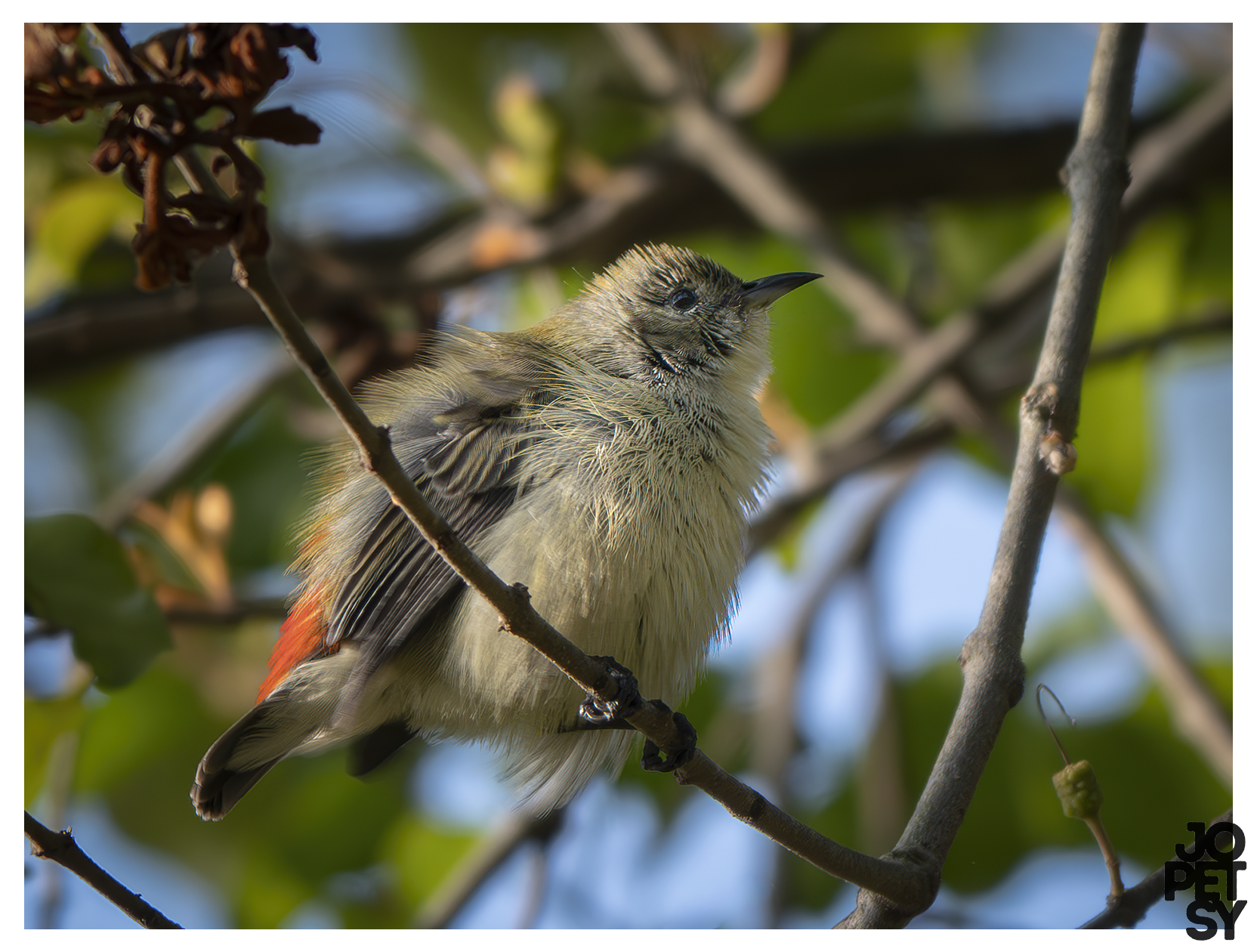
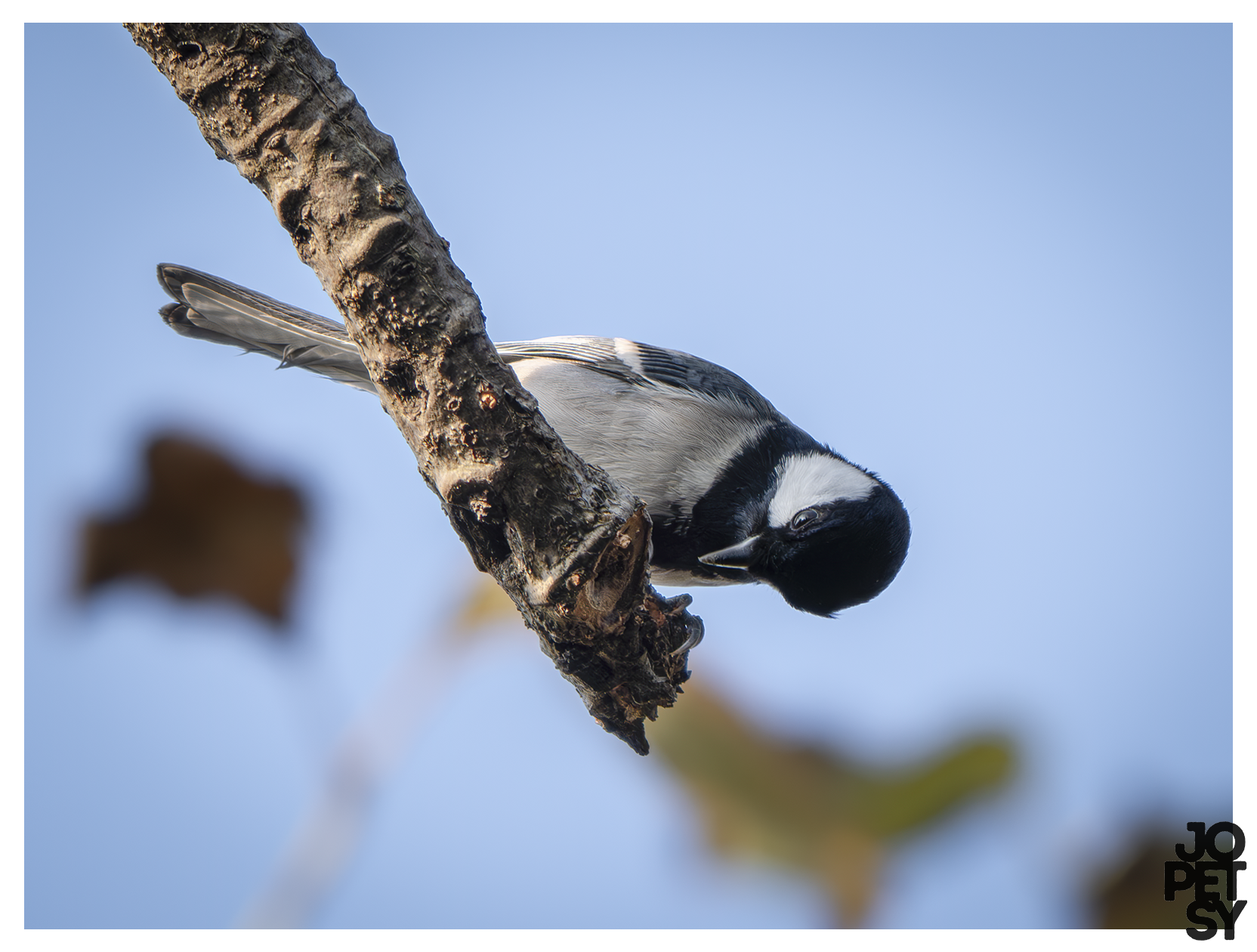
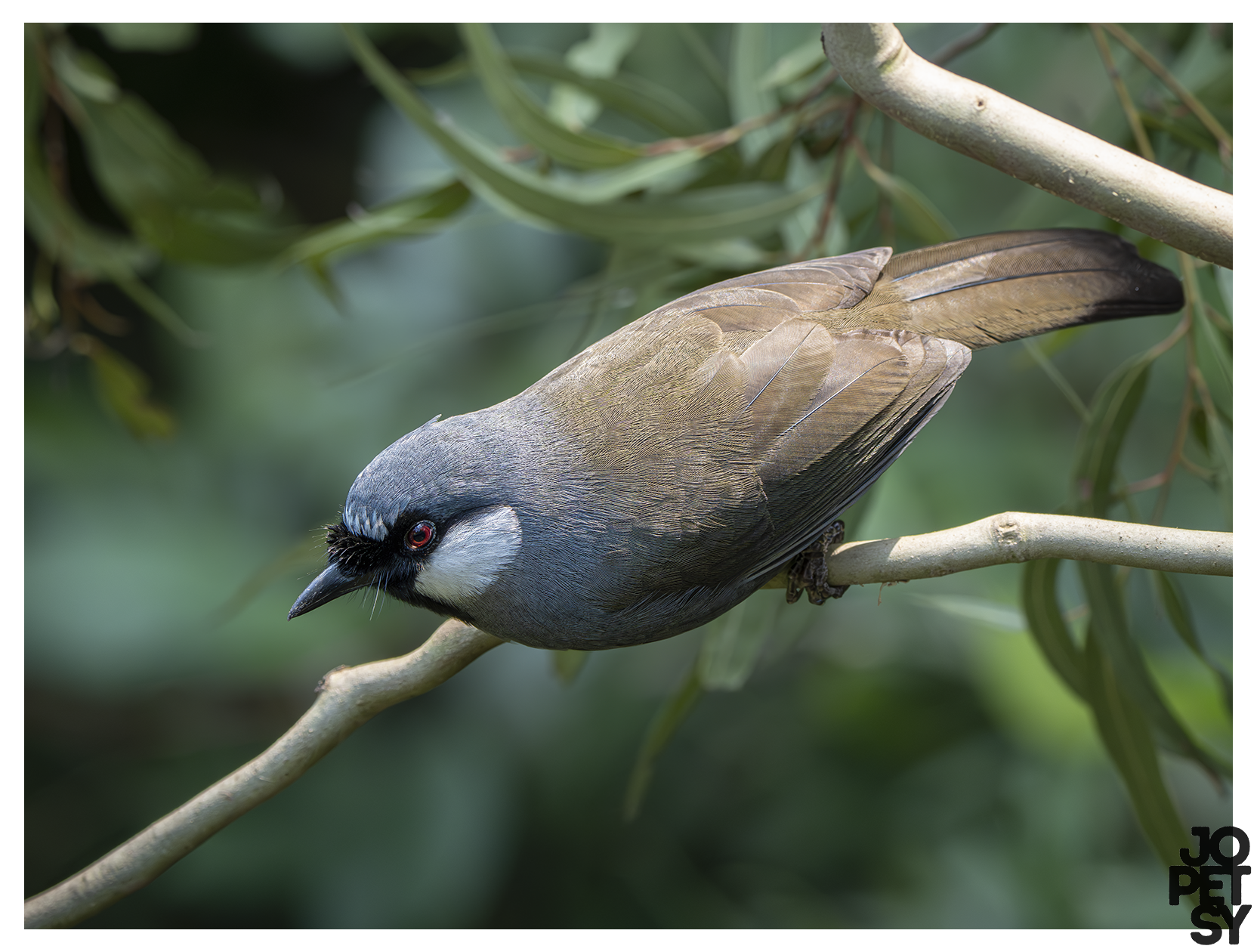
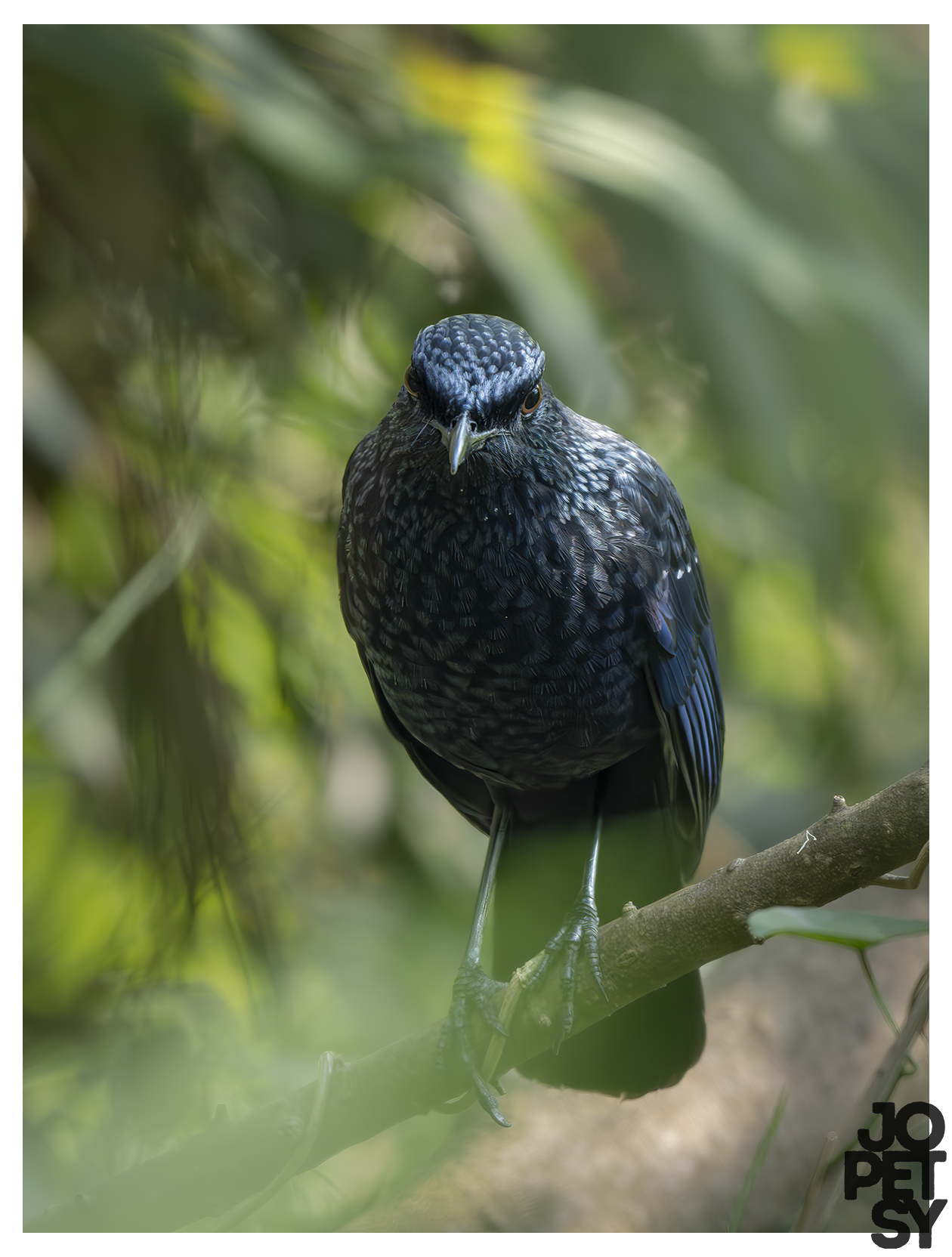
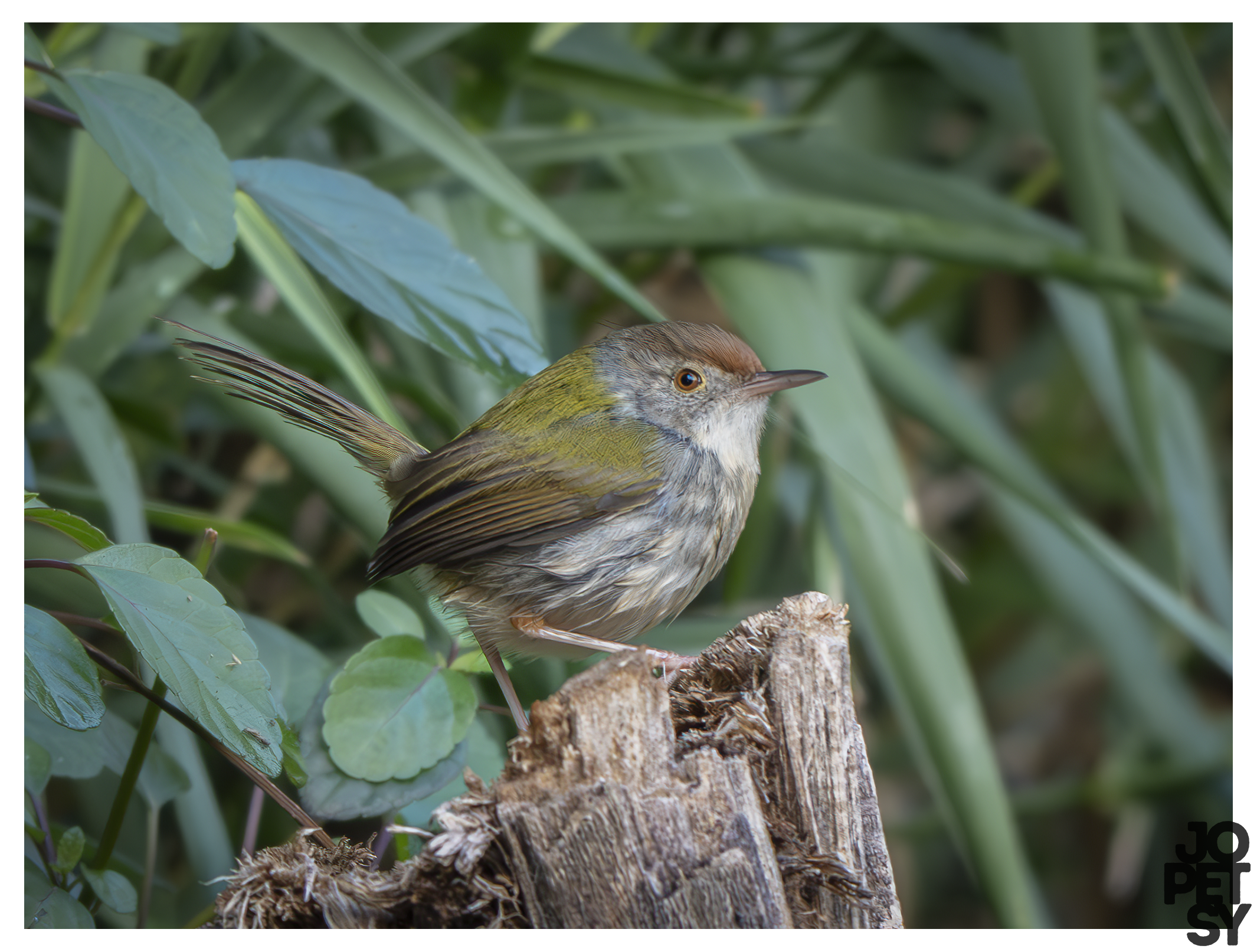
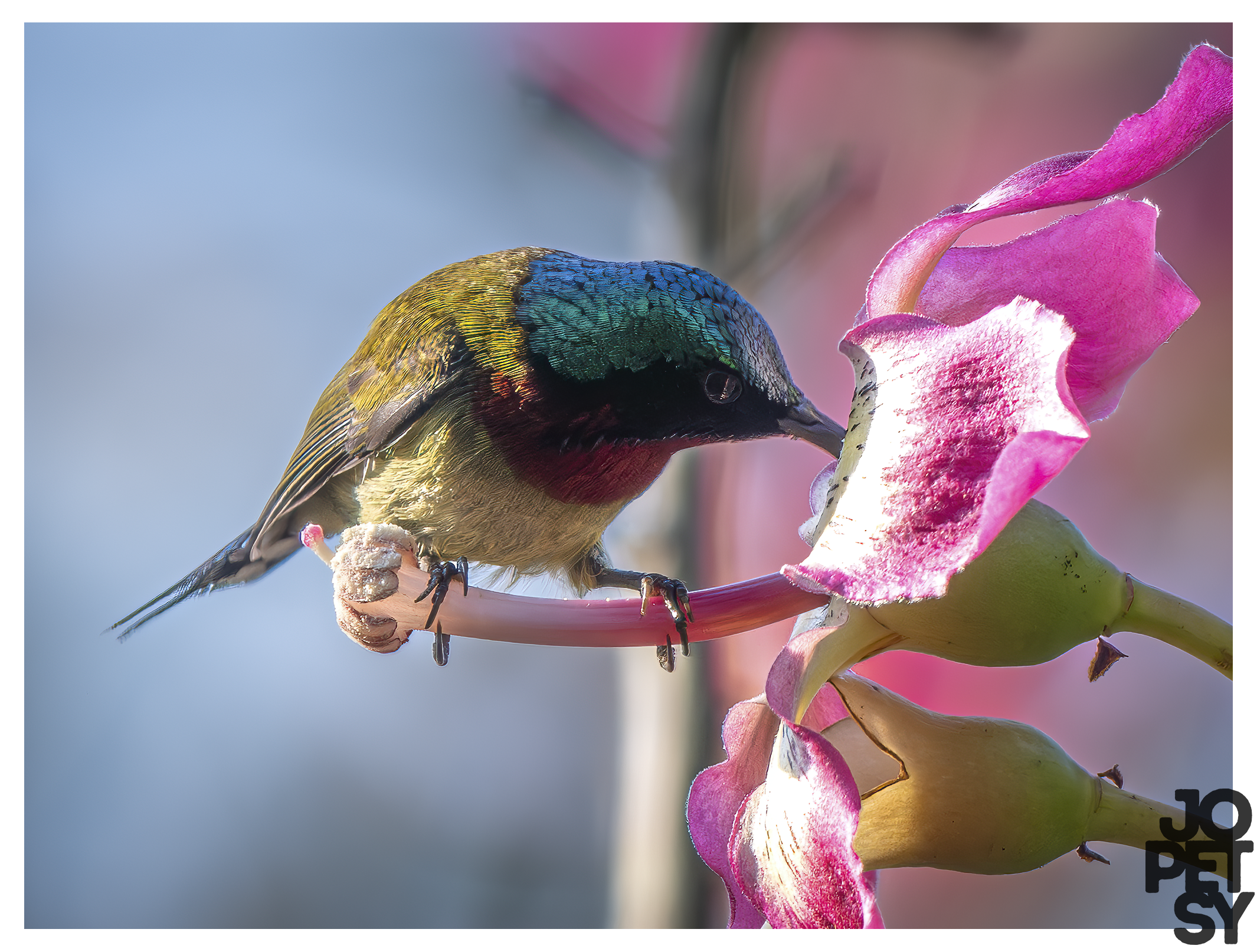
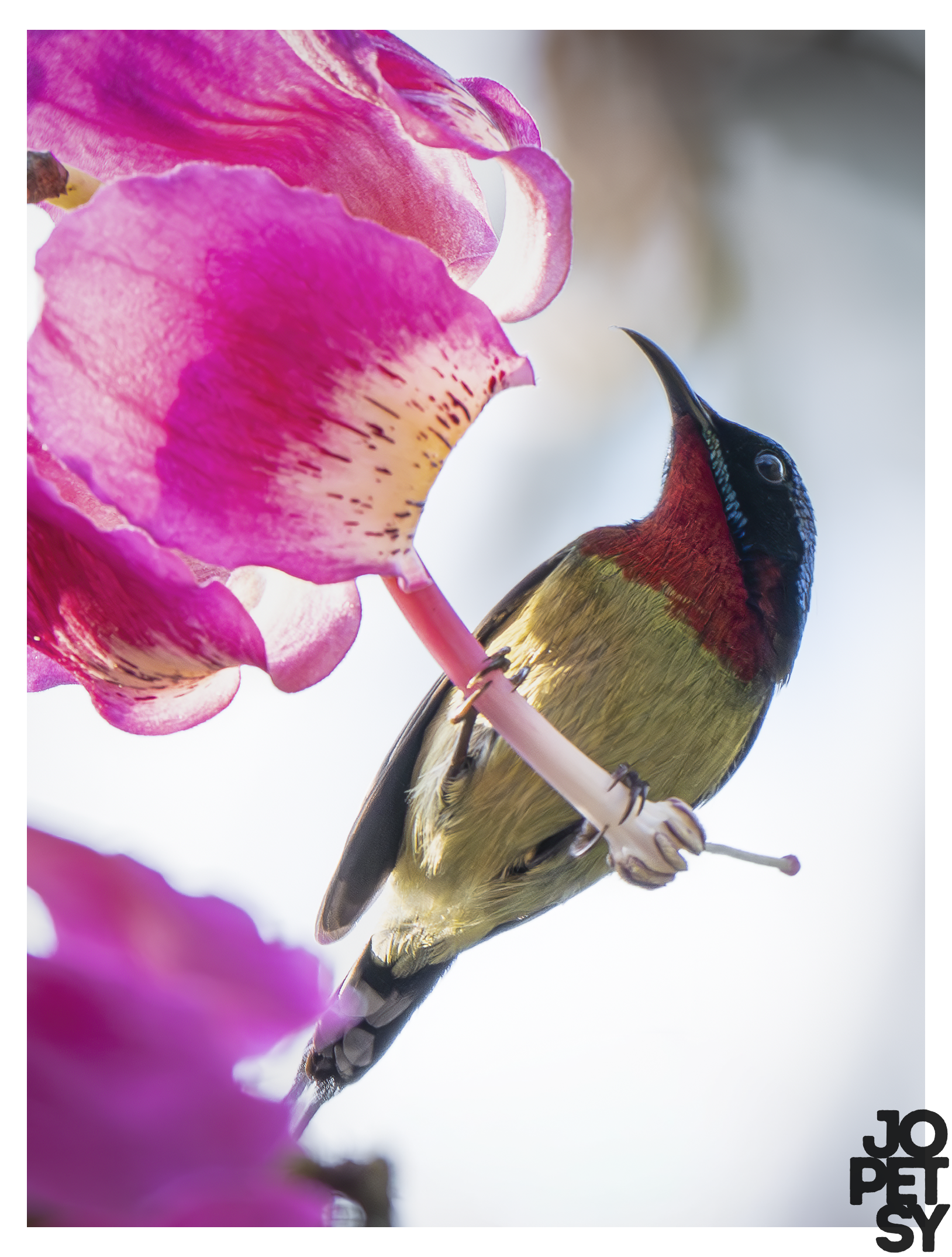
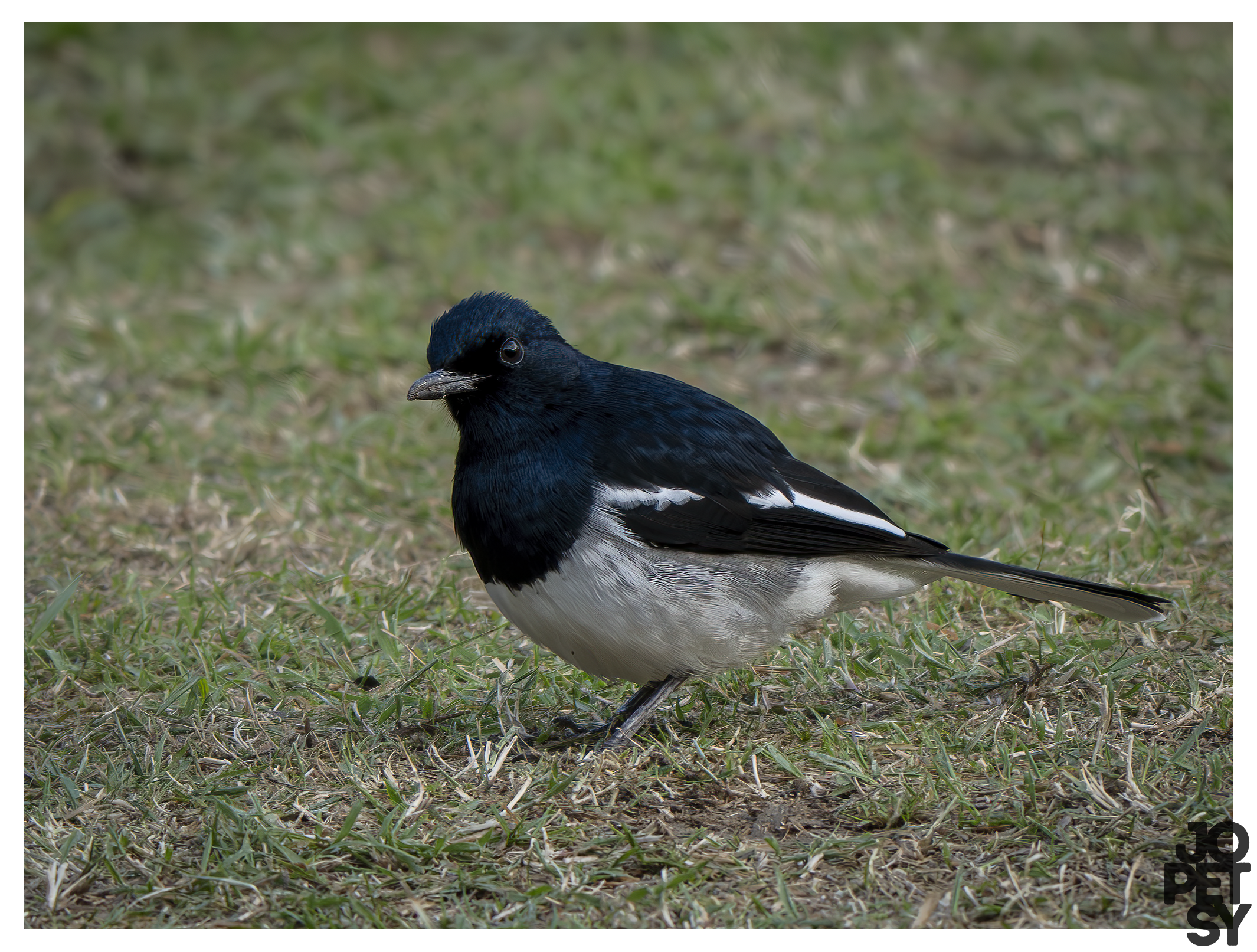
All photos taken with a Sony ⍺1ii + Sony FE 400–800mm f/6.3–8
I decided to stay in this area and not push further uphill, as I needed to be back at the hotel before 11:00 AM. In total, the hike covered approximately 5 kilometers, with around 12,400 steps recorded.
Descent and Final Highlight
On the way down, I passed through the forest canopy walk once more. Here, I encountered half a dozen Black‑throated Laughingthrushes—a species you really need to hear to fully appreciate, as their calls are unmistakable.
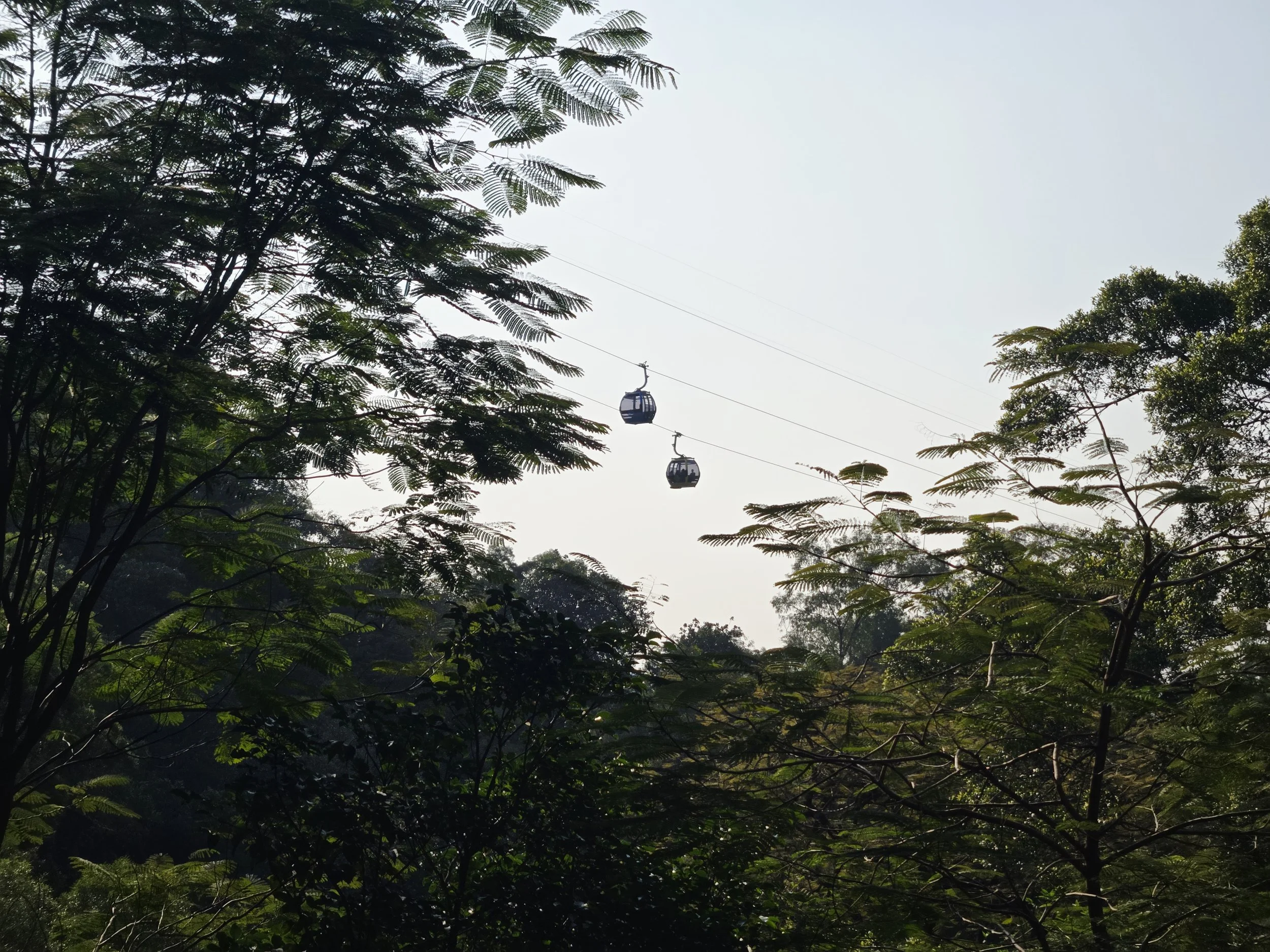
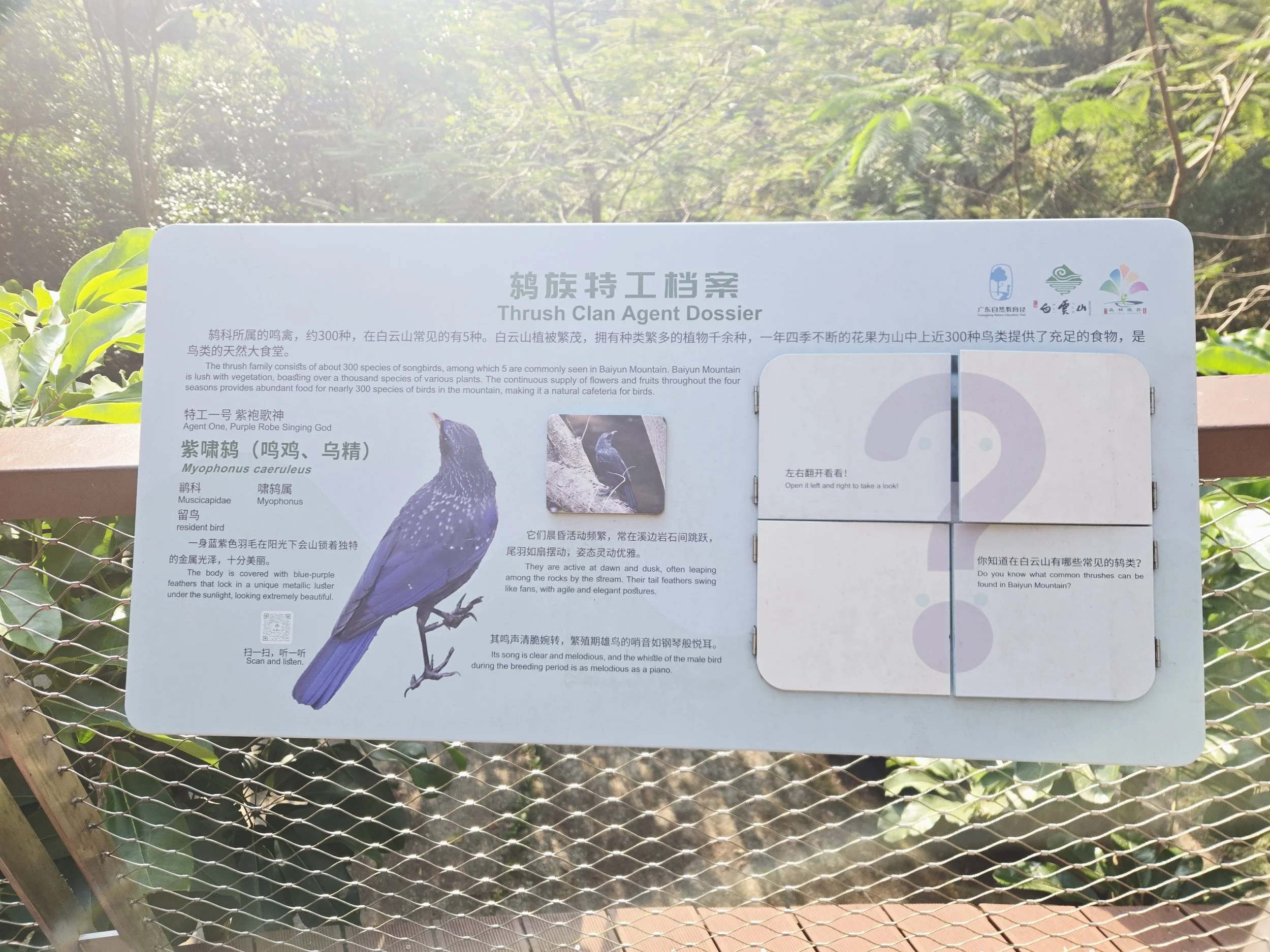
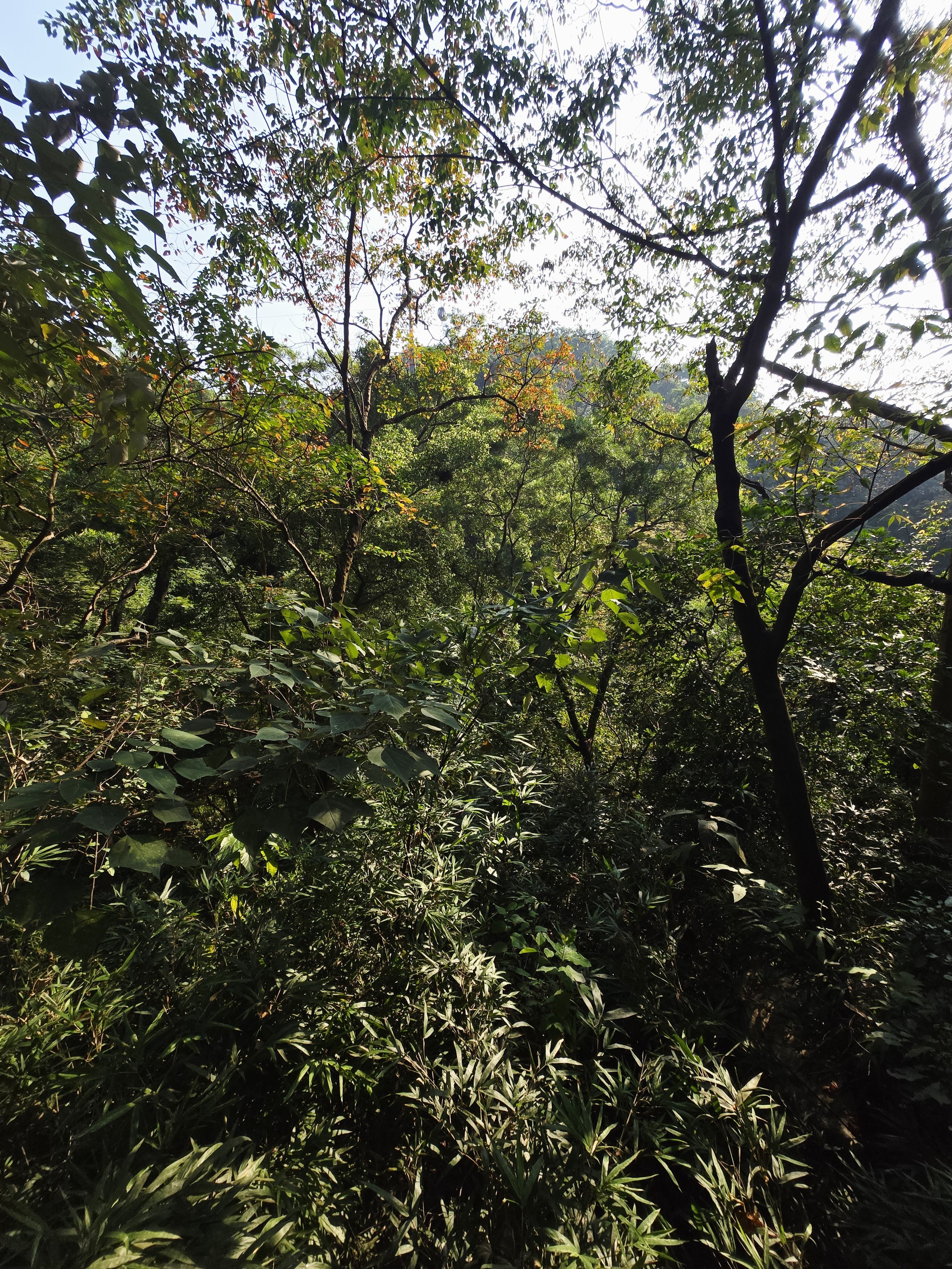
With the number of people increasing—especially since this was a Sunday—it felt like the right time to call it a birding day.
GUANGZHOU SCULPTURE PARK
My next stop was Guangzhou Sculpture Park, just a 10‑minute walk (about 800 meters) from my hotel via the West Entrance.
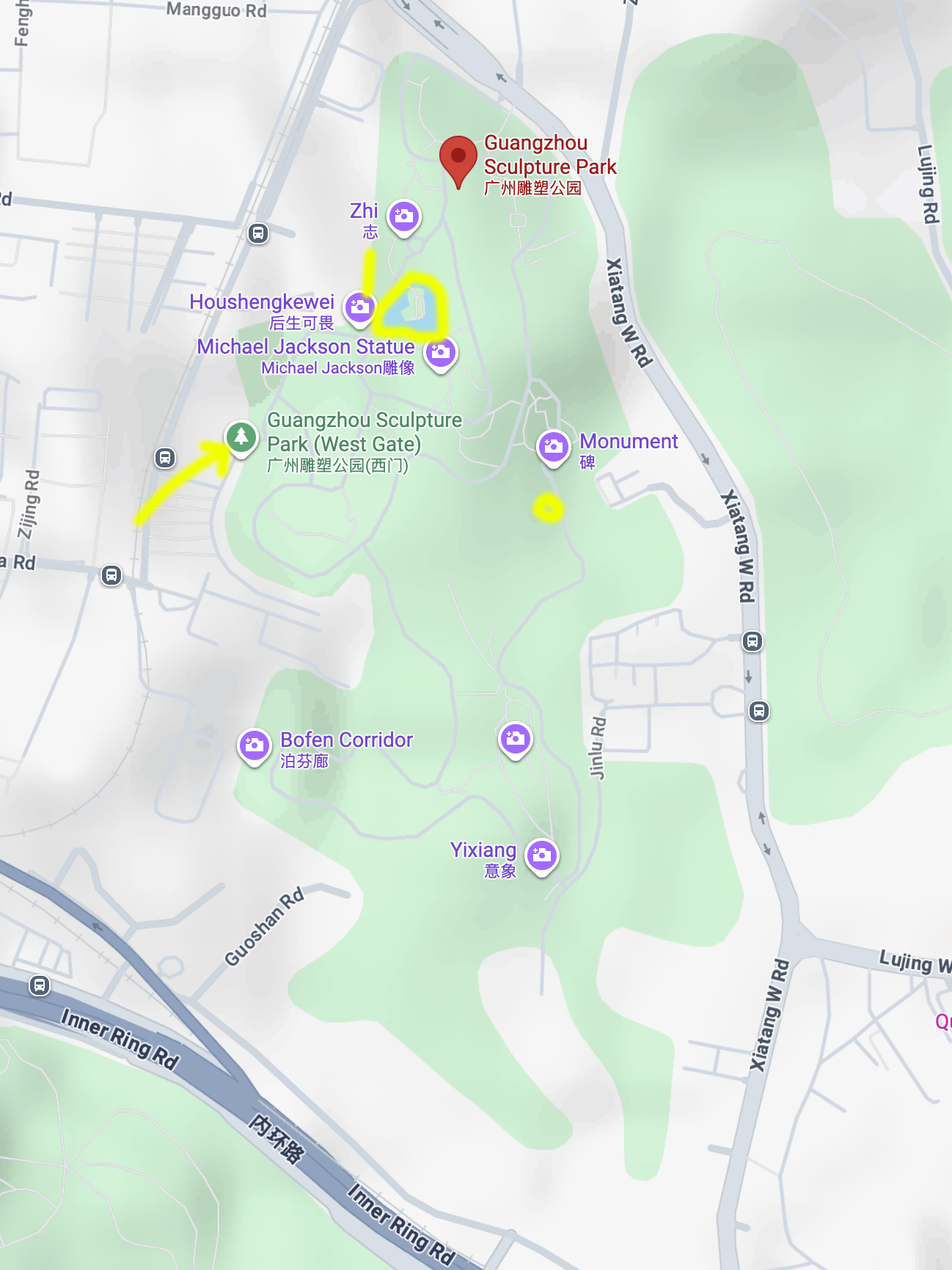
A MAP INSIDE GUANGZHOU SCULPTURE PARK
Entered the West gate
The small islet is the one with blue lake
Soushengkwewei is where the Red-billed Oriental-Magpies where
The Collared scops-Owl is near the Monument
After crossing an overpass that was supposed to be for pedestrians—but seemed to be used more by motorcycles than people—I found myself walking through a lively neighborhood filled with local cafés, small restaurants, takeaway shops, and supermarkets. It felt very authentic and local.

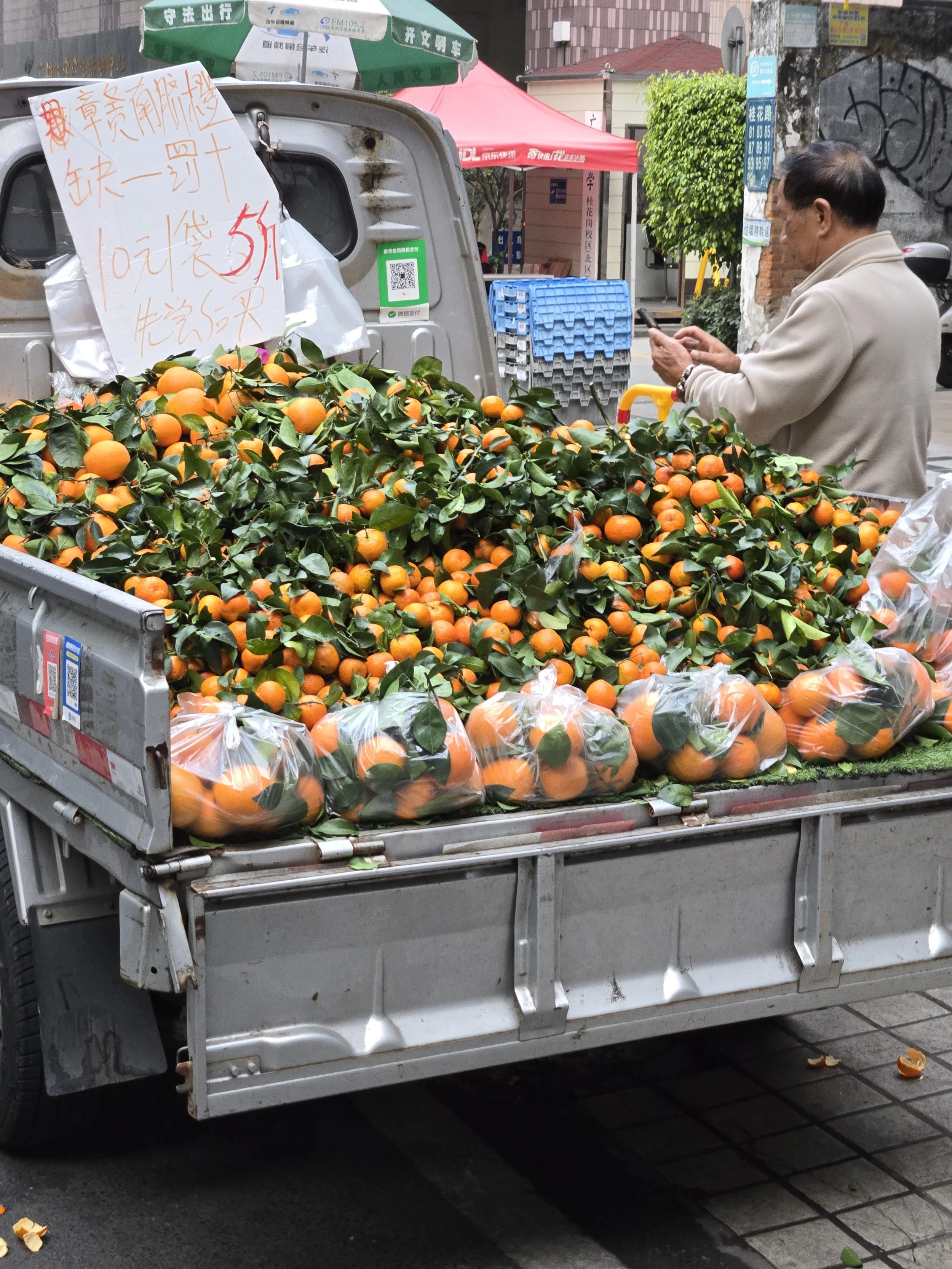
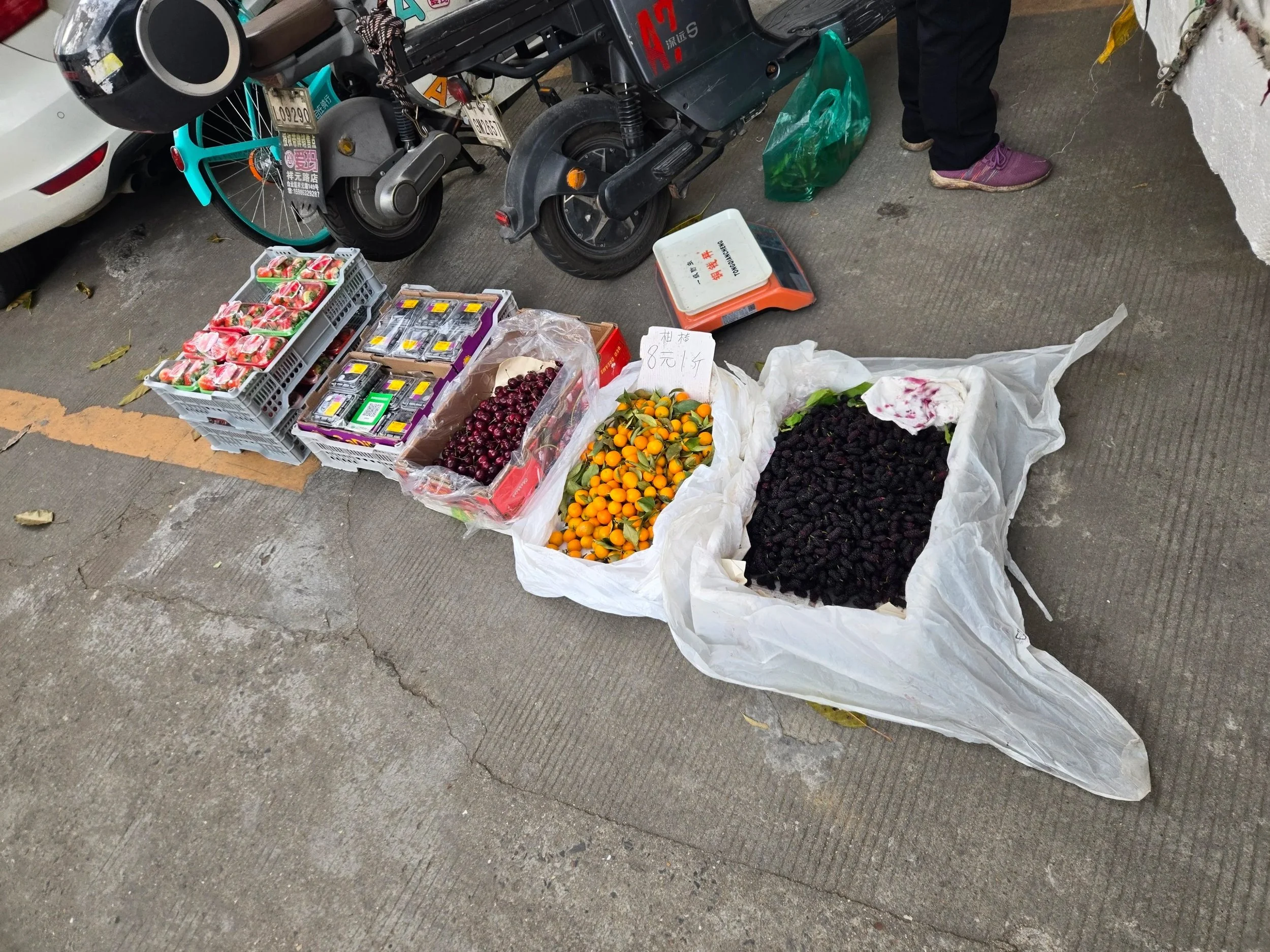
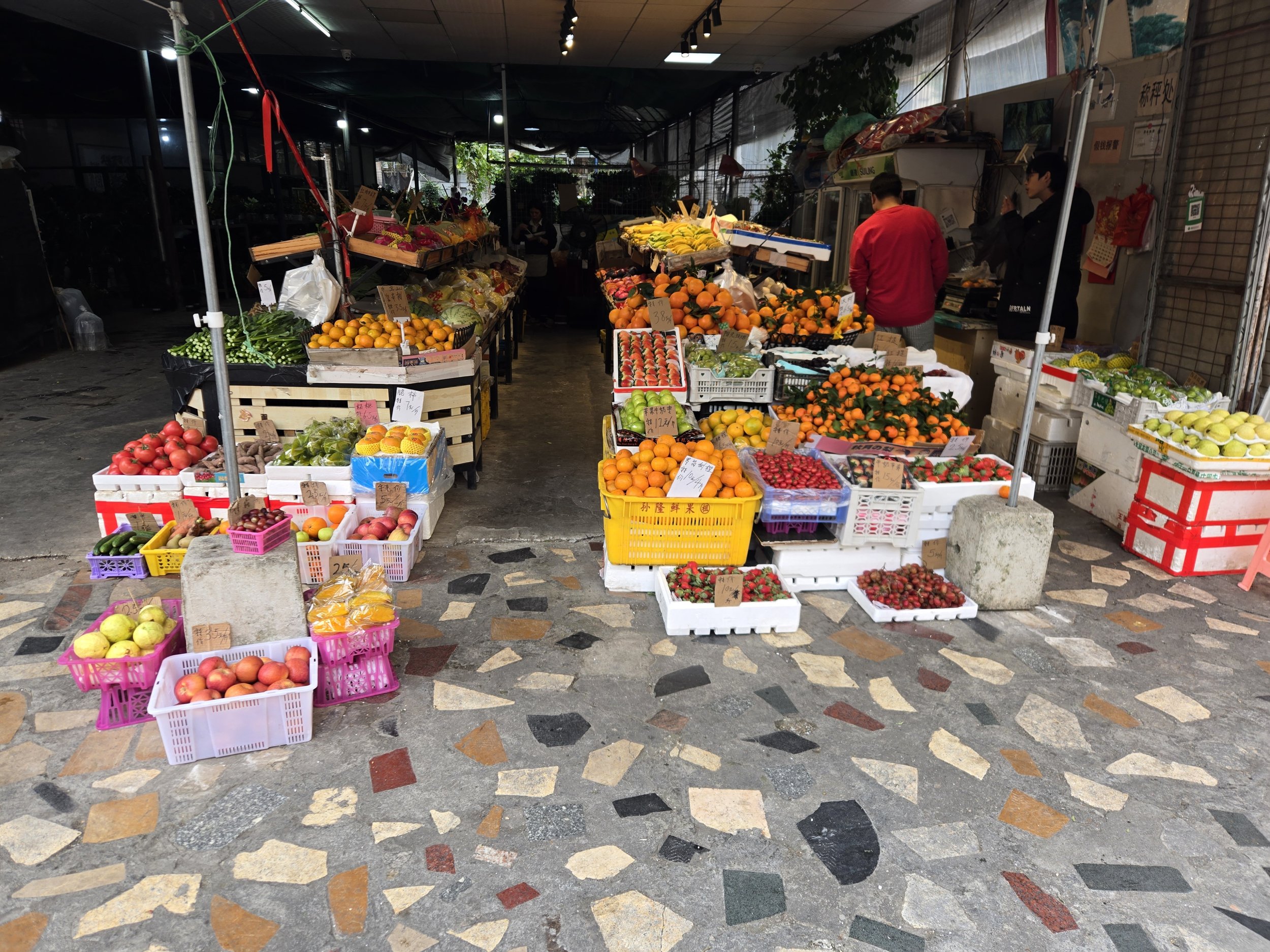
Before reaching the park entrance, I passed by a school where kids were everywhere—cute and full of energy. It was December 31, and classes were still ongoing. Then again, it wasn’t Chinese New Year, so school was in session as usual.
First Impressions Inside the Park
Upon entering the park, I was immediately struck by the beautiful sculptures scattered throughout the grounds, seamlessly blending with the greenery. Almost right away, I was greeted by Japanese Tits, instantly boosting my excitement and setting the tone for what turned out to be a memorable visit.
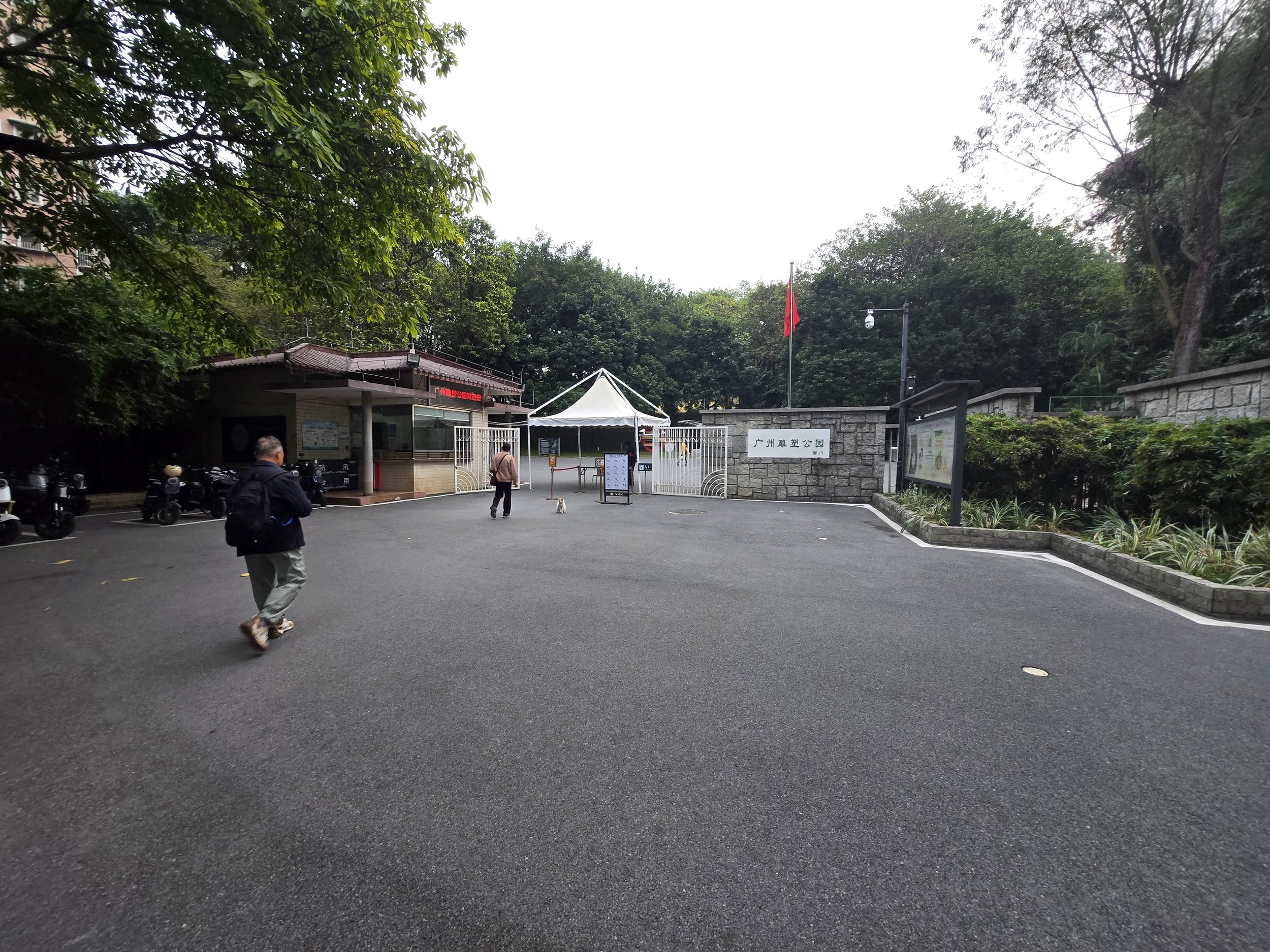
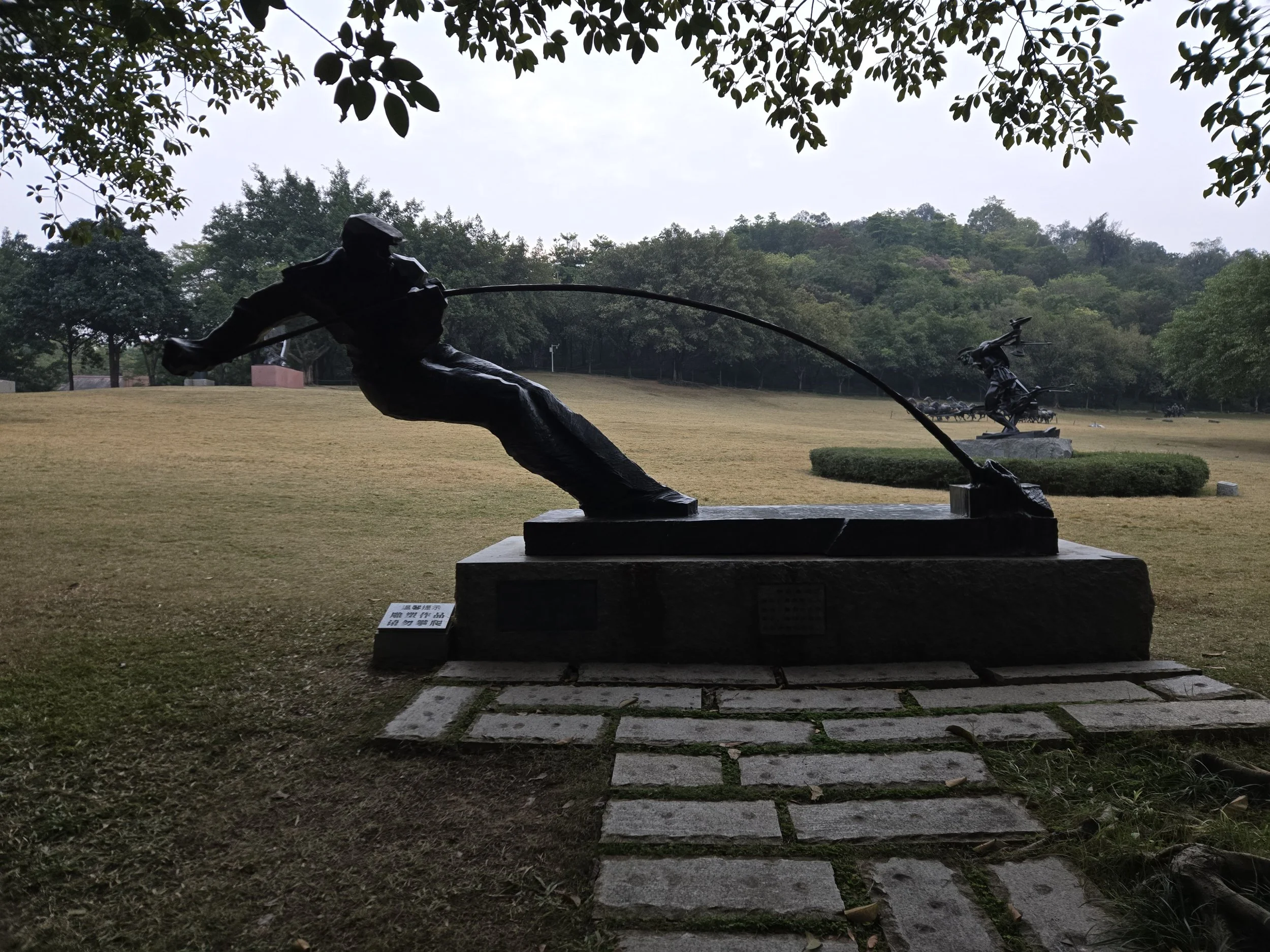
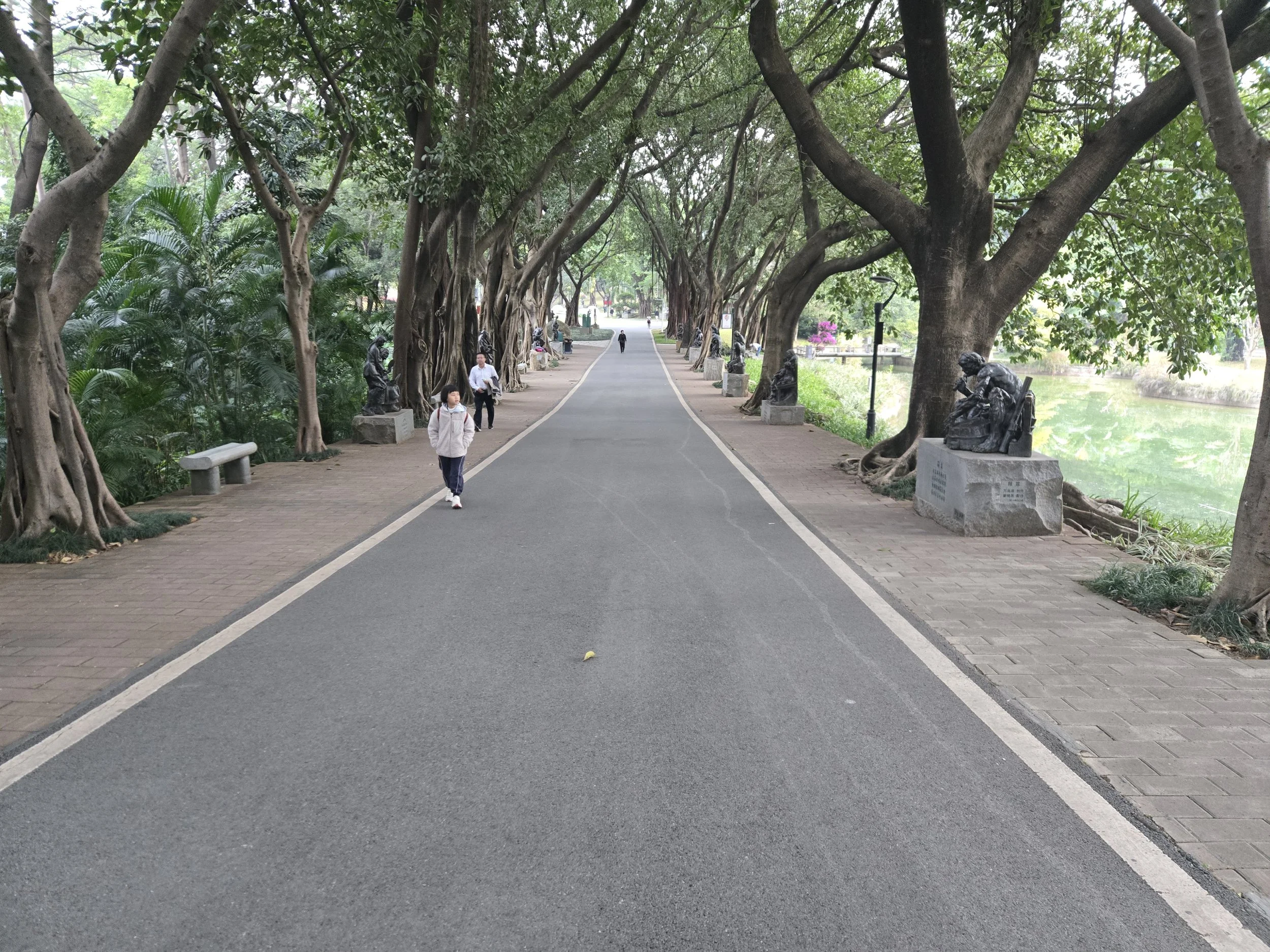
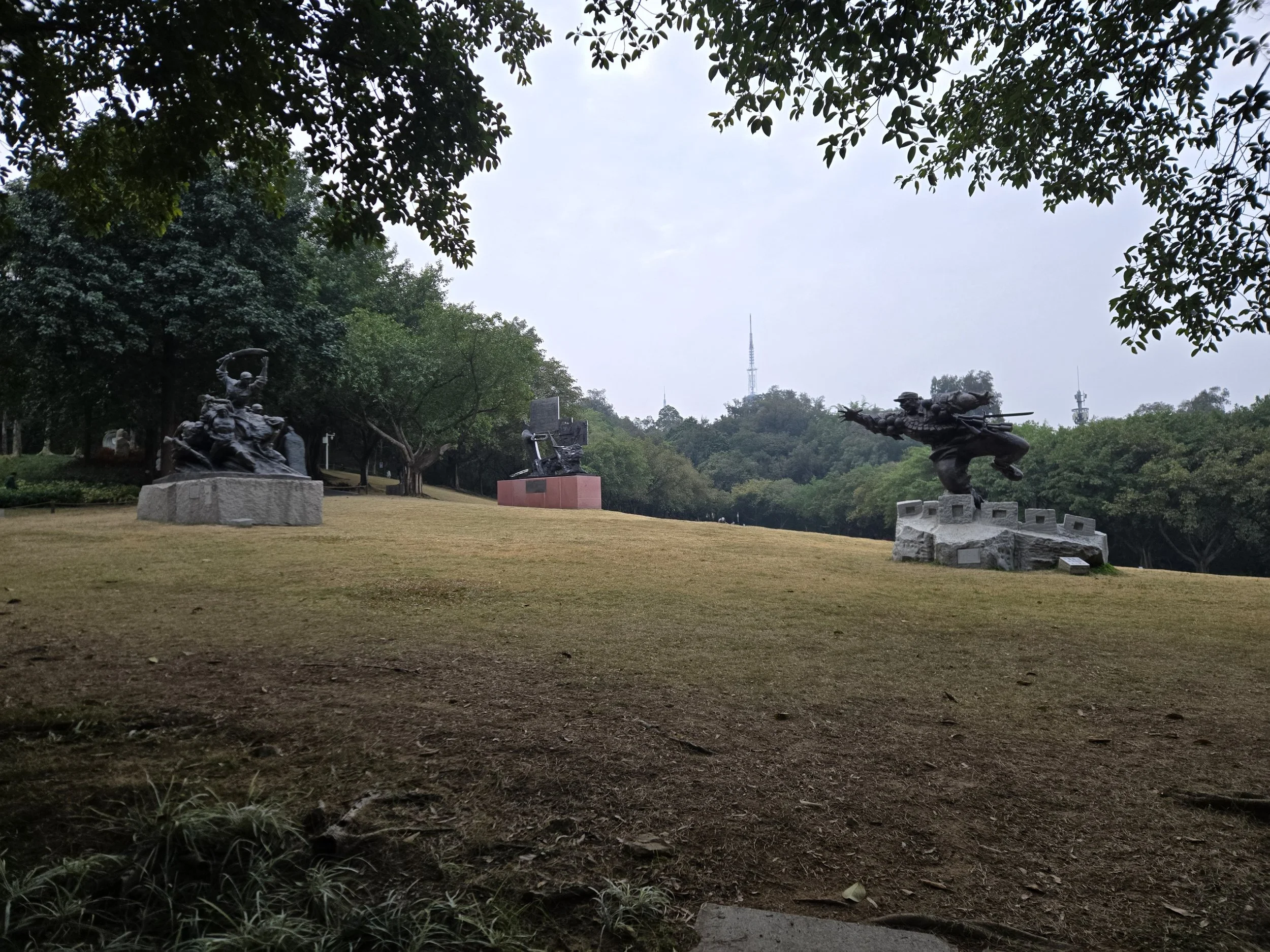
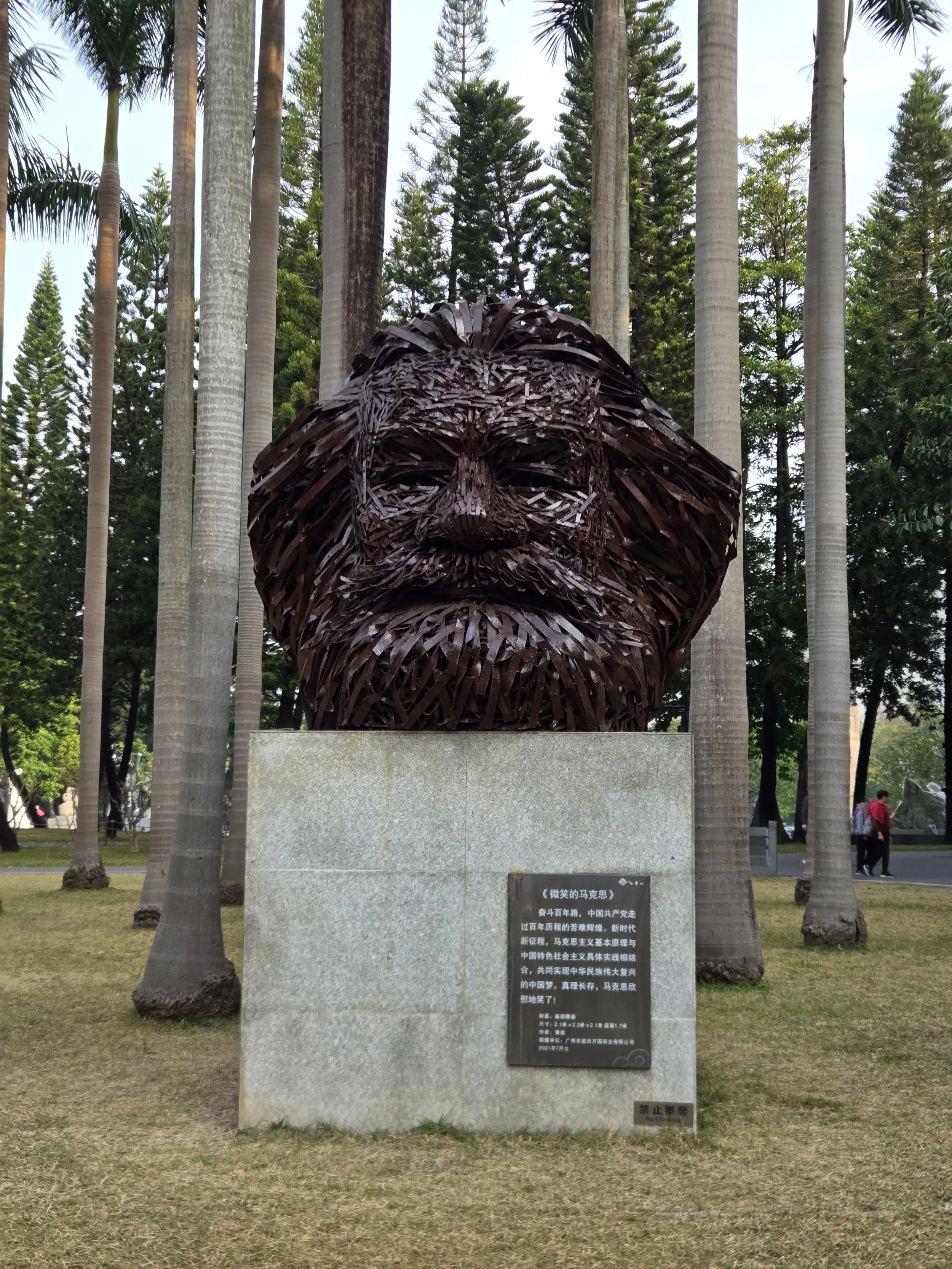
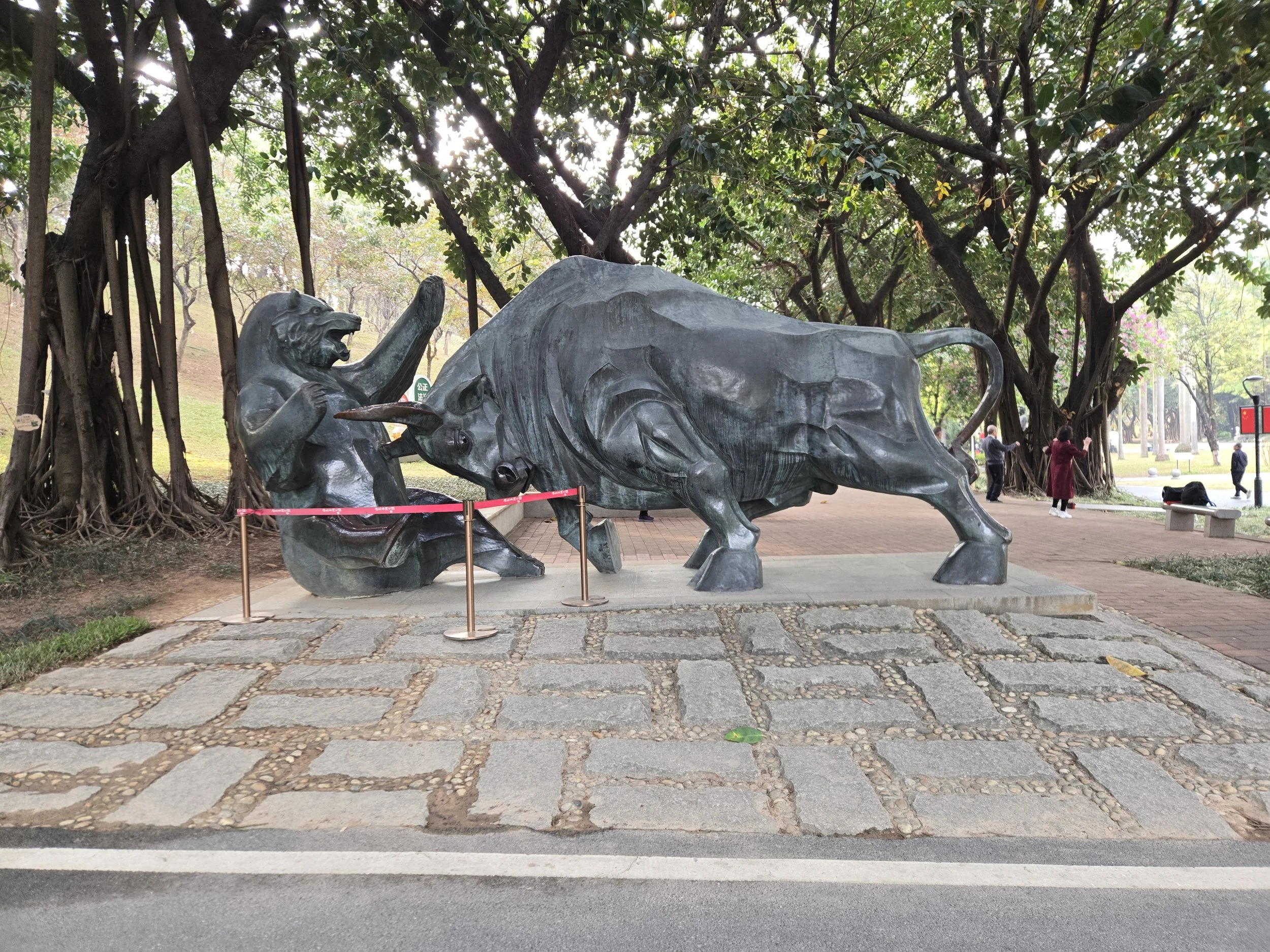
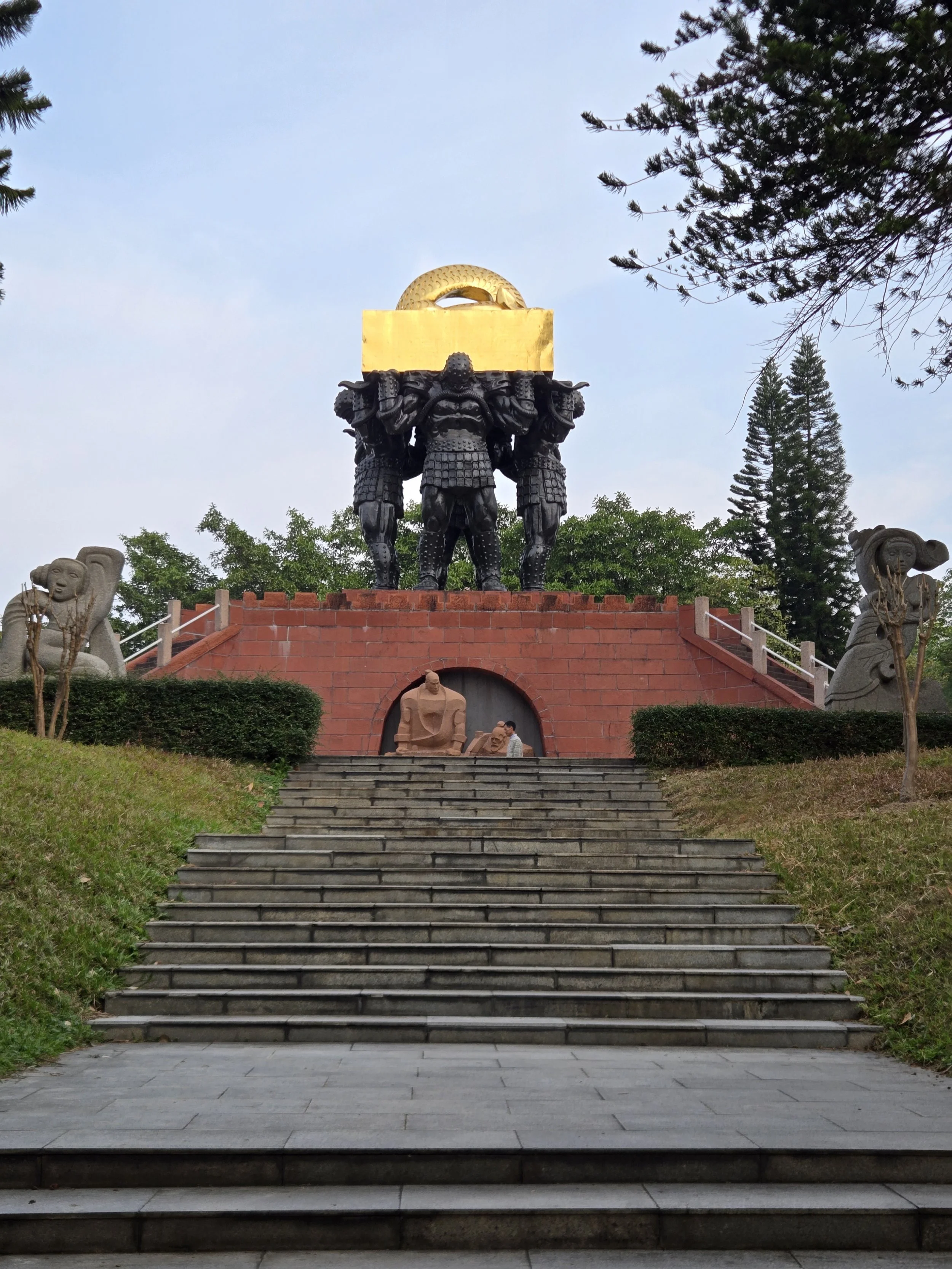
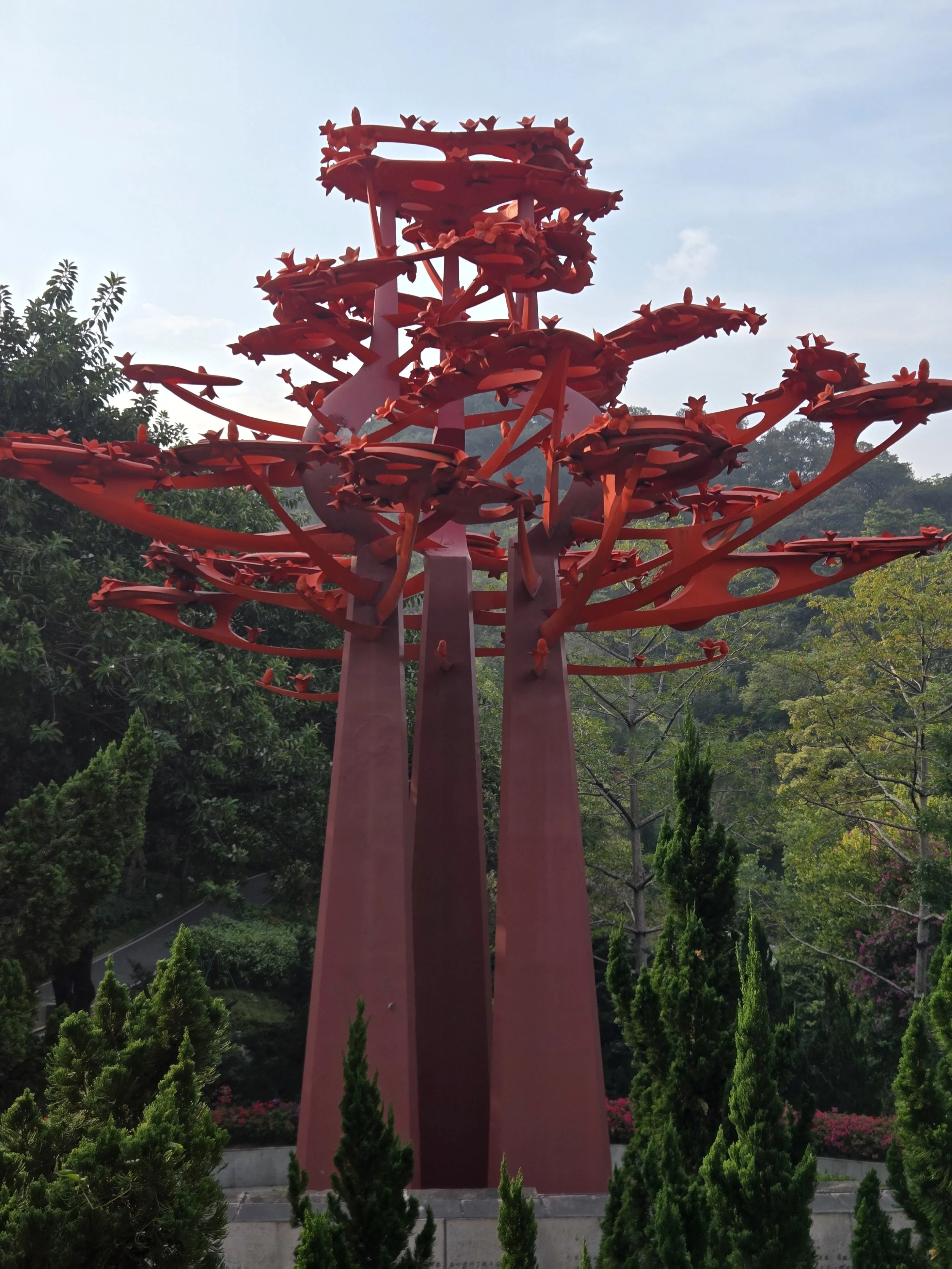
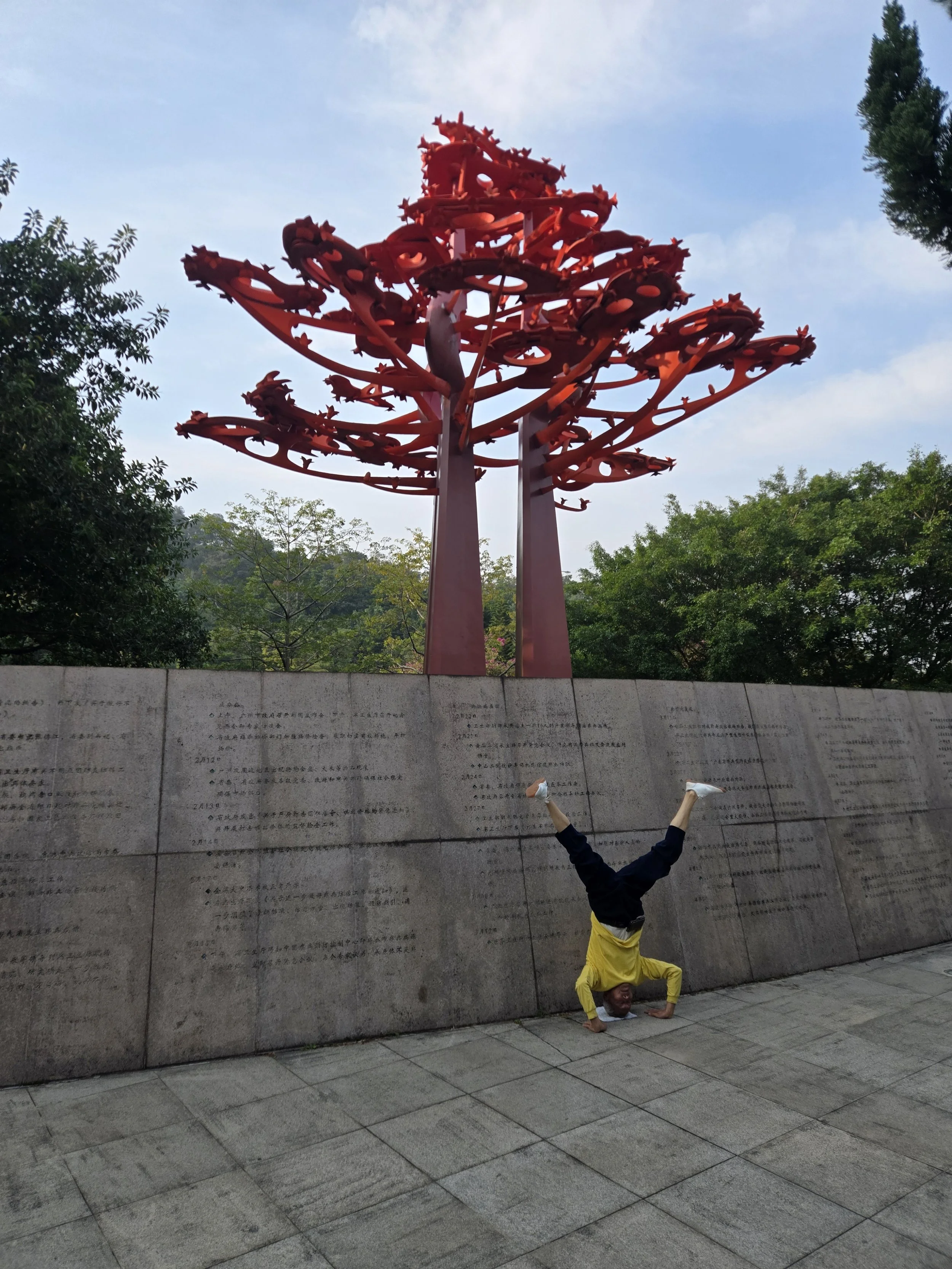
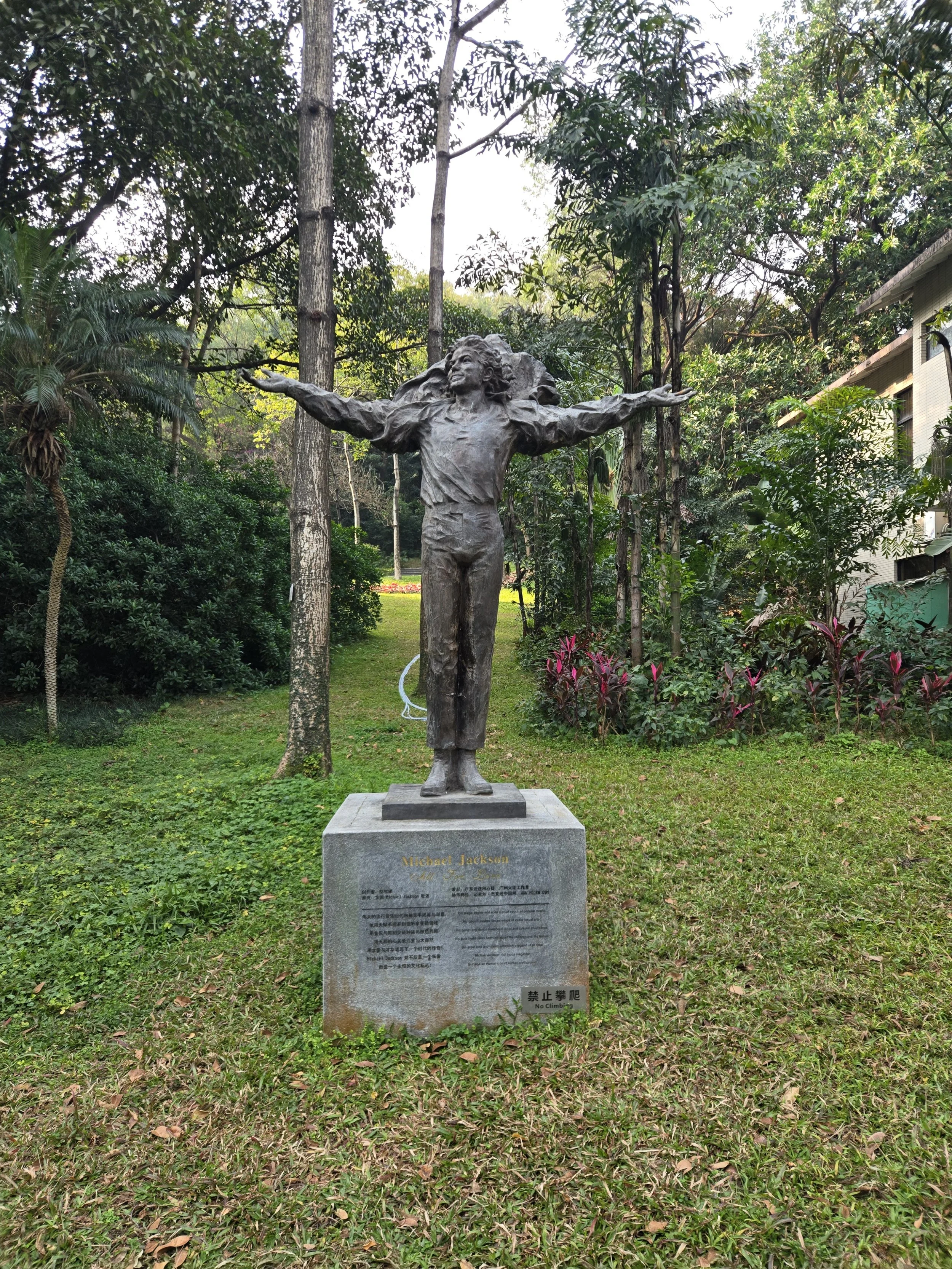
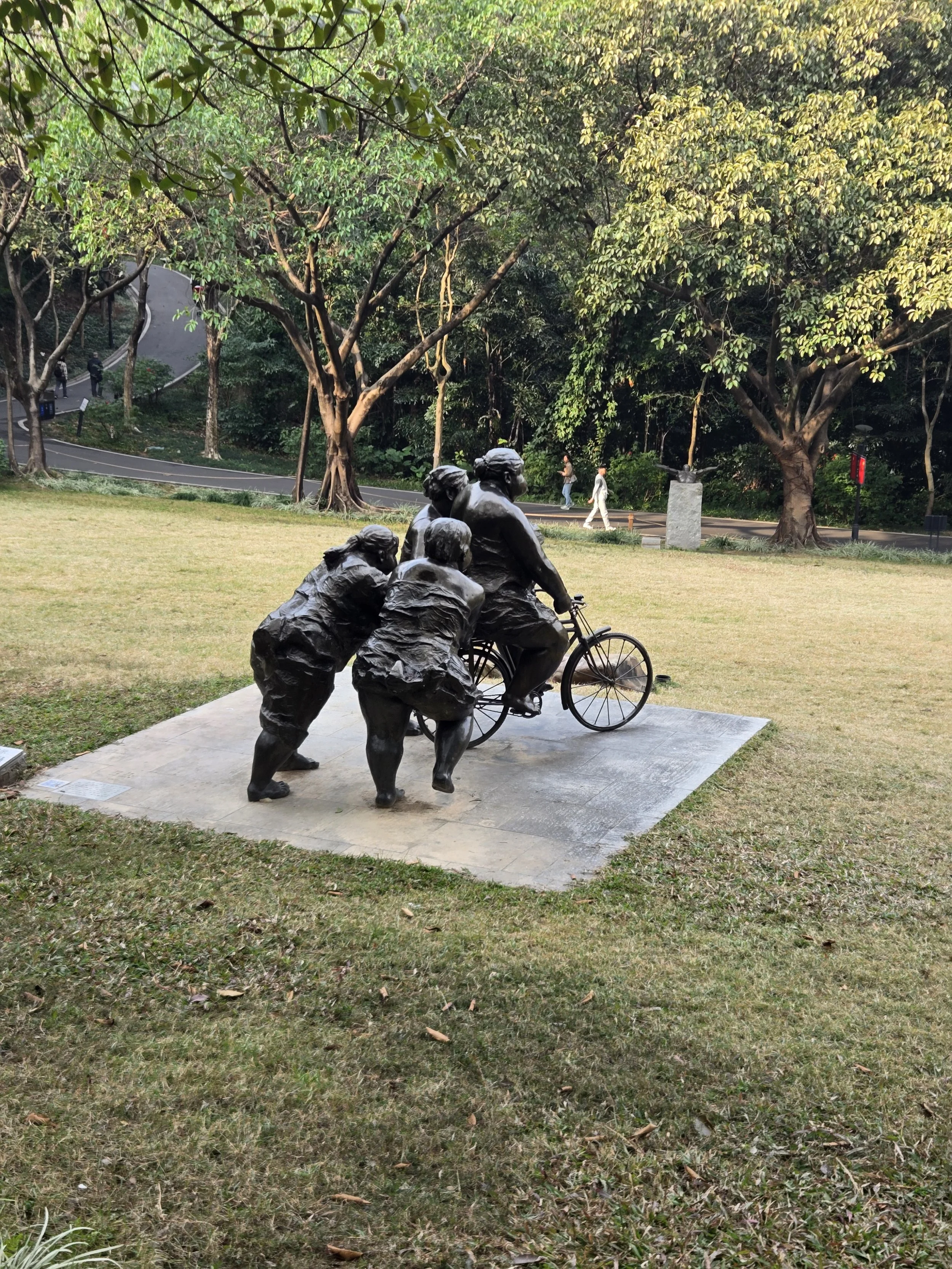
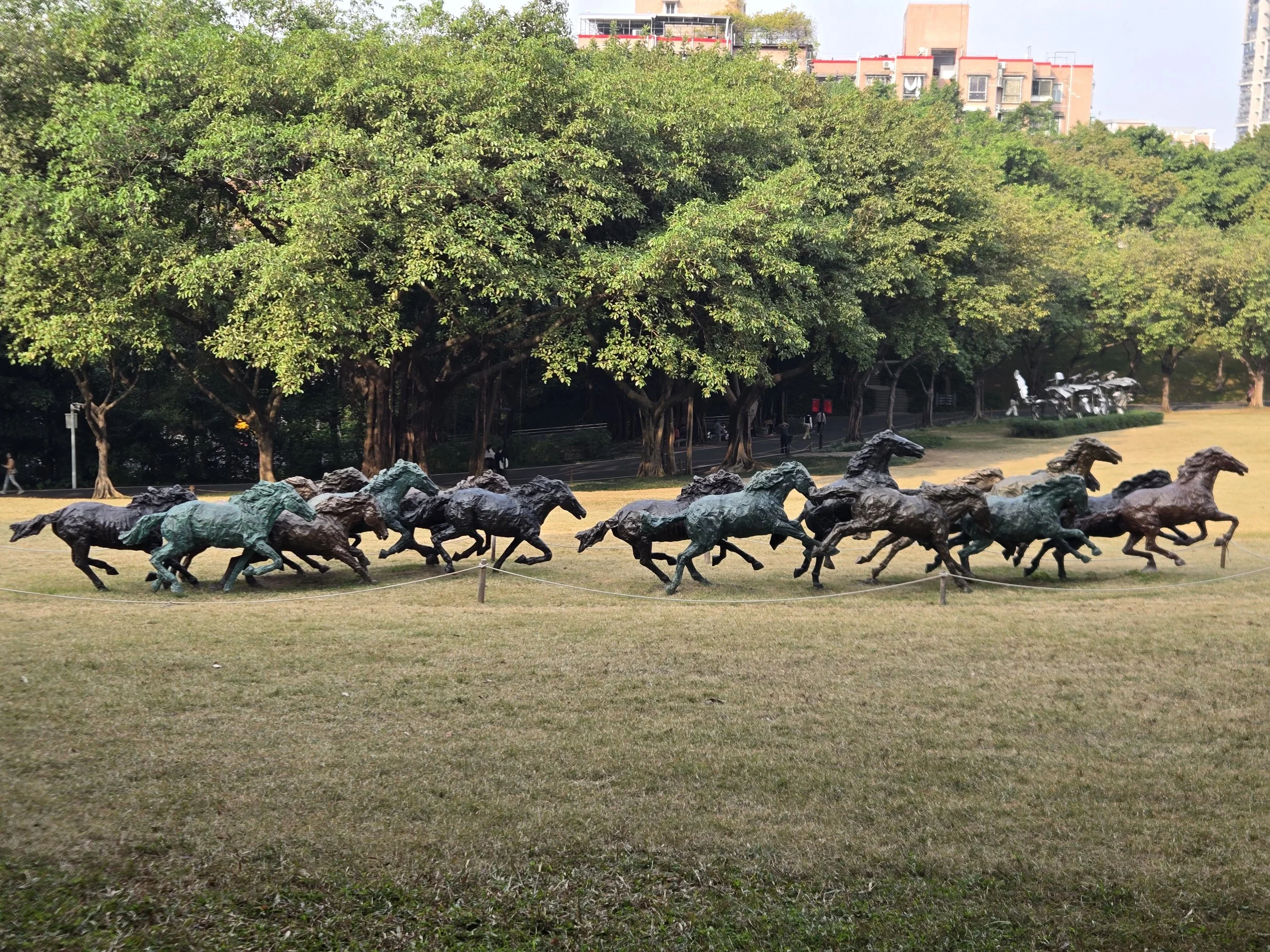
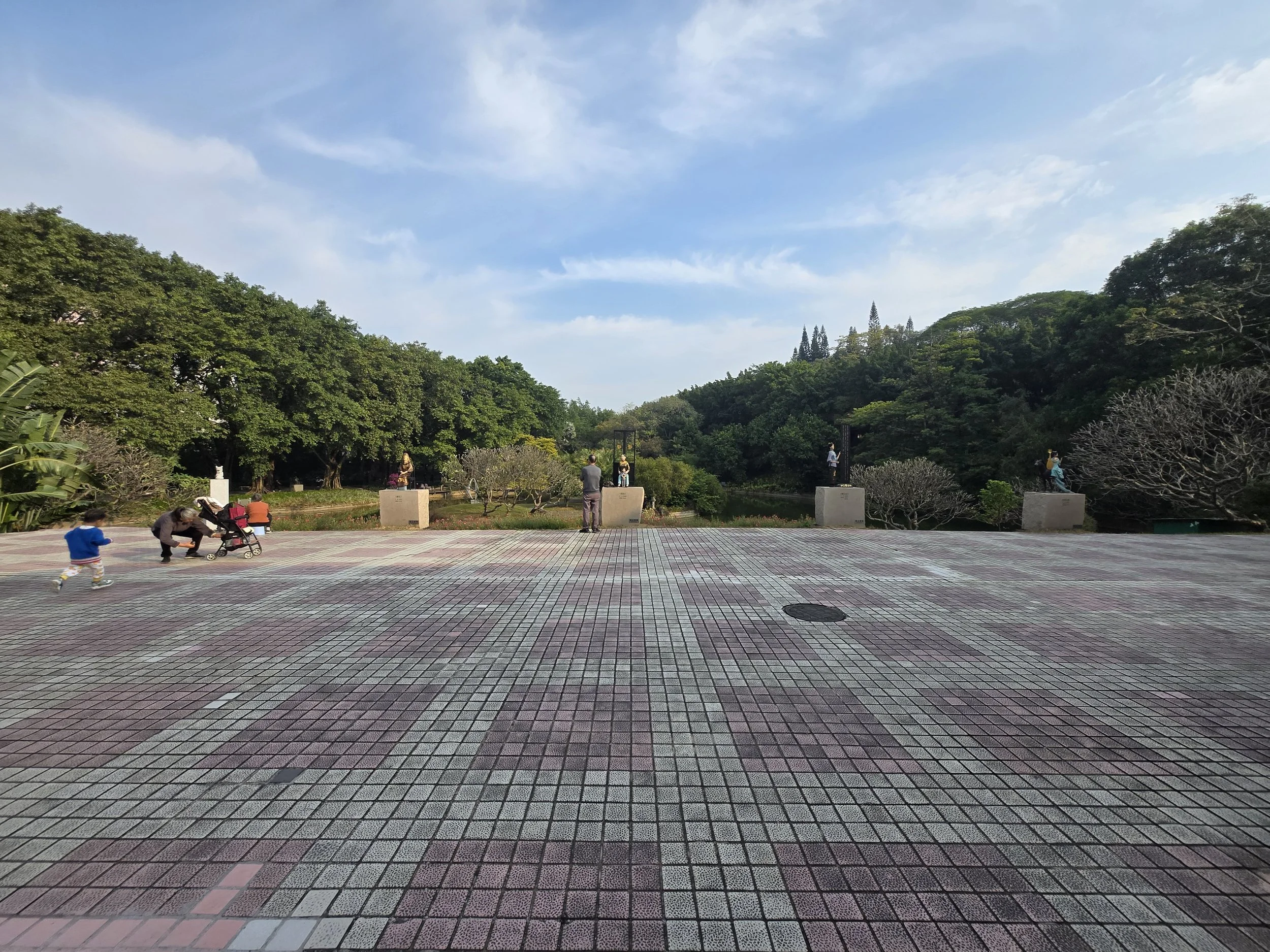
It wasn’t just a sculpture park—it was a massive open‑air art park, and I was completely amazed. Below is the entrance to this mini-islet.
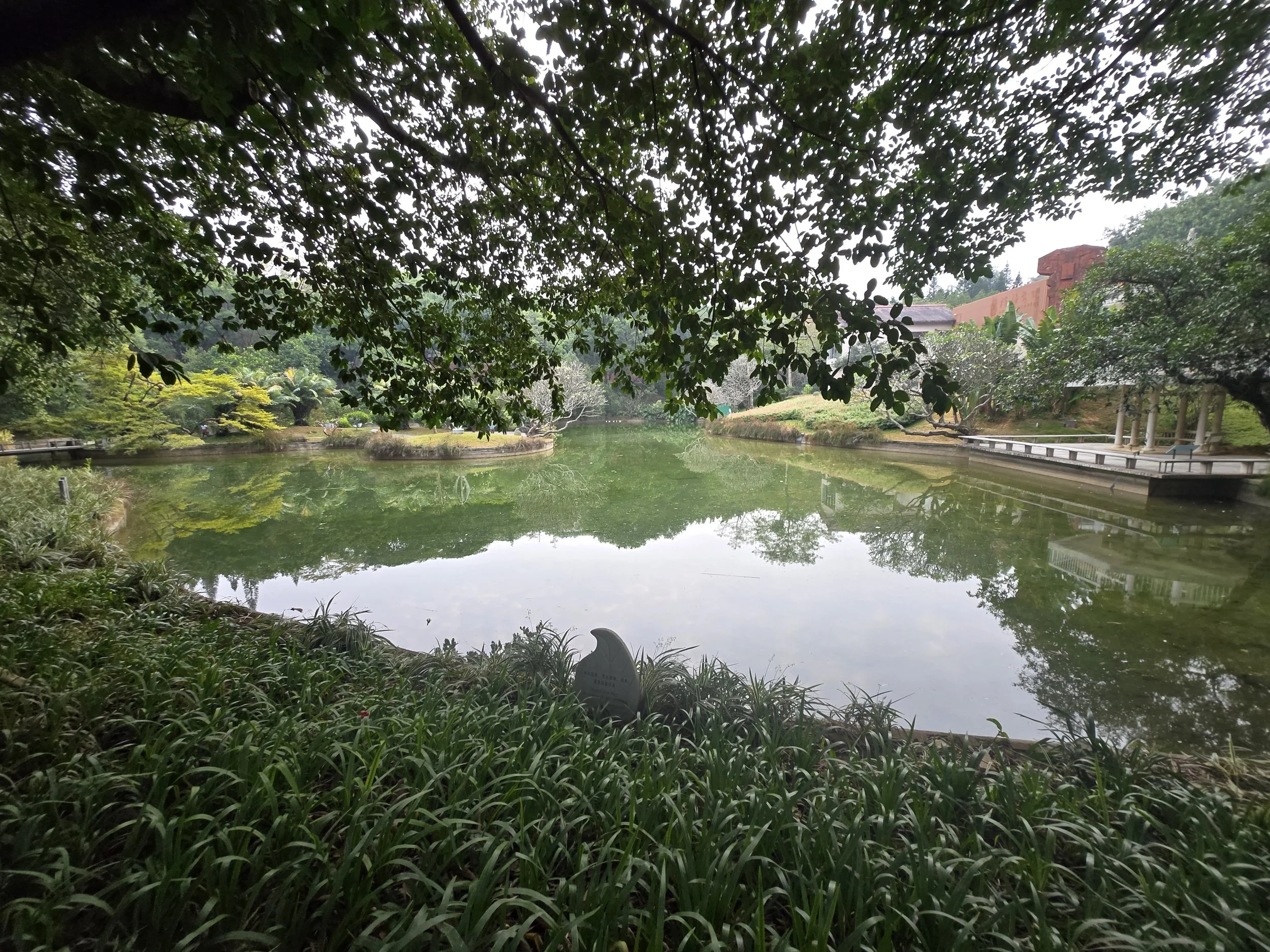
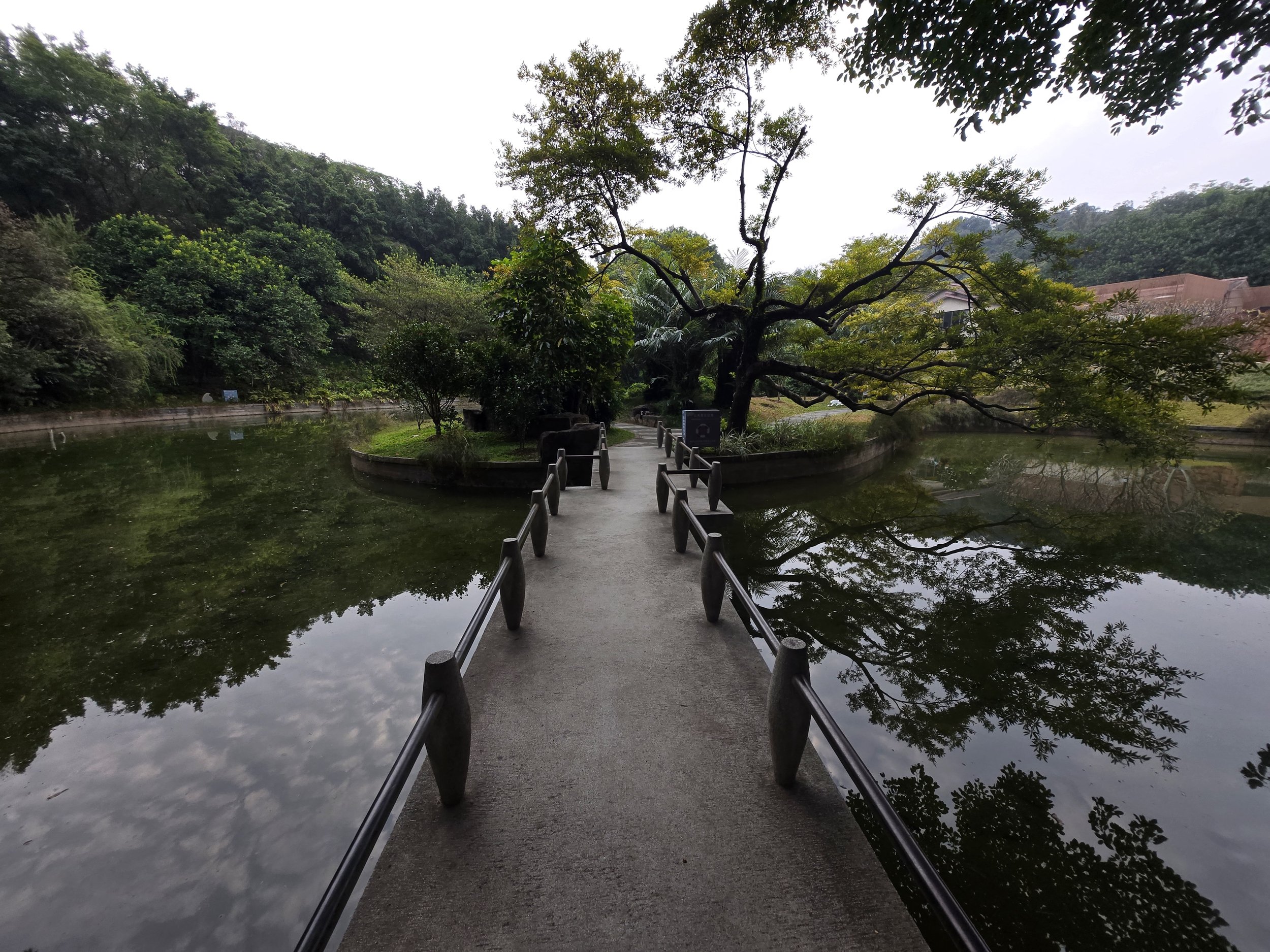
Walking a bit farther, I reached a small lake with a tiny islet. This spot turned out to be incredibly active bird-wise. Here, I encountered several species—small, energetic, and constantly moving:
Black‑crowned Night Heron
Red‑whiskered Bulbul
Pallas’s Leaf Warbler
Black‑throated Tit (honestly, like a super cute stuffed toy!)
Swinhoe’s White‑eye
Masked Laughingthrush
Oriental Turtle Dove
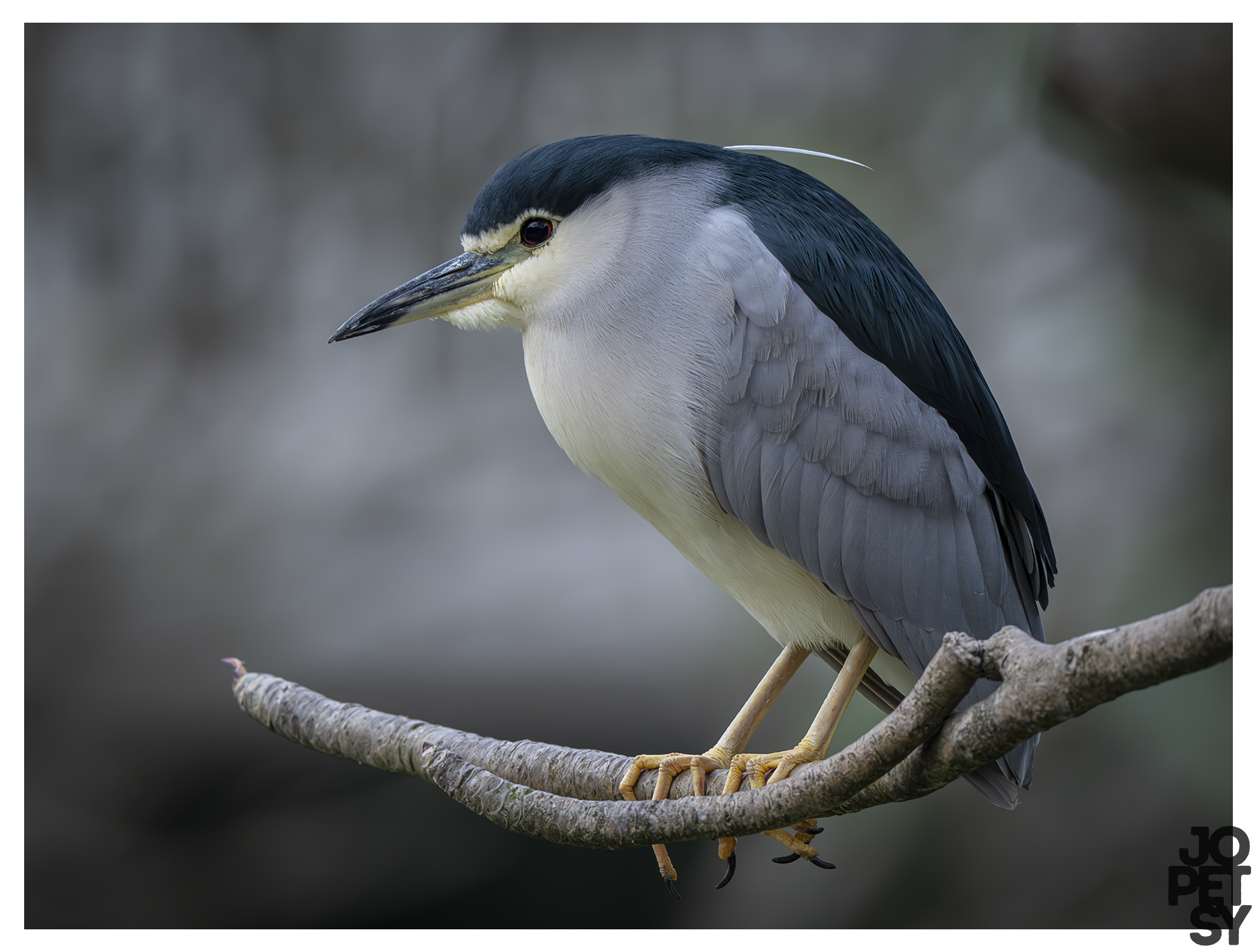
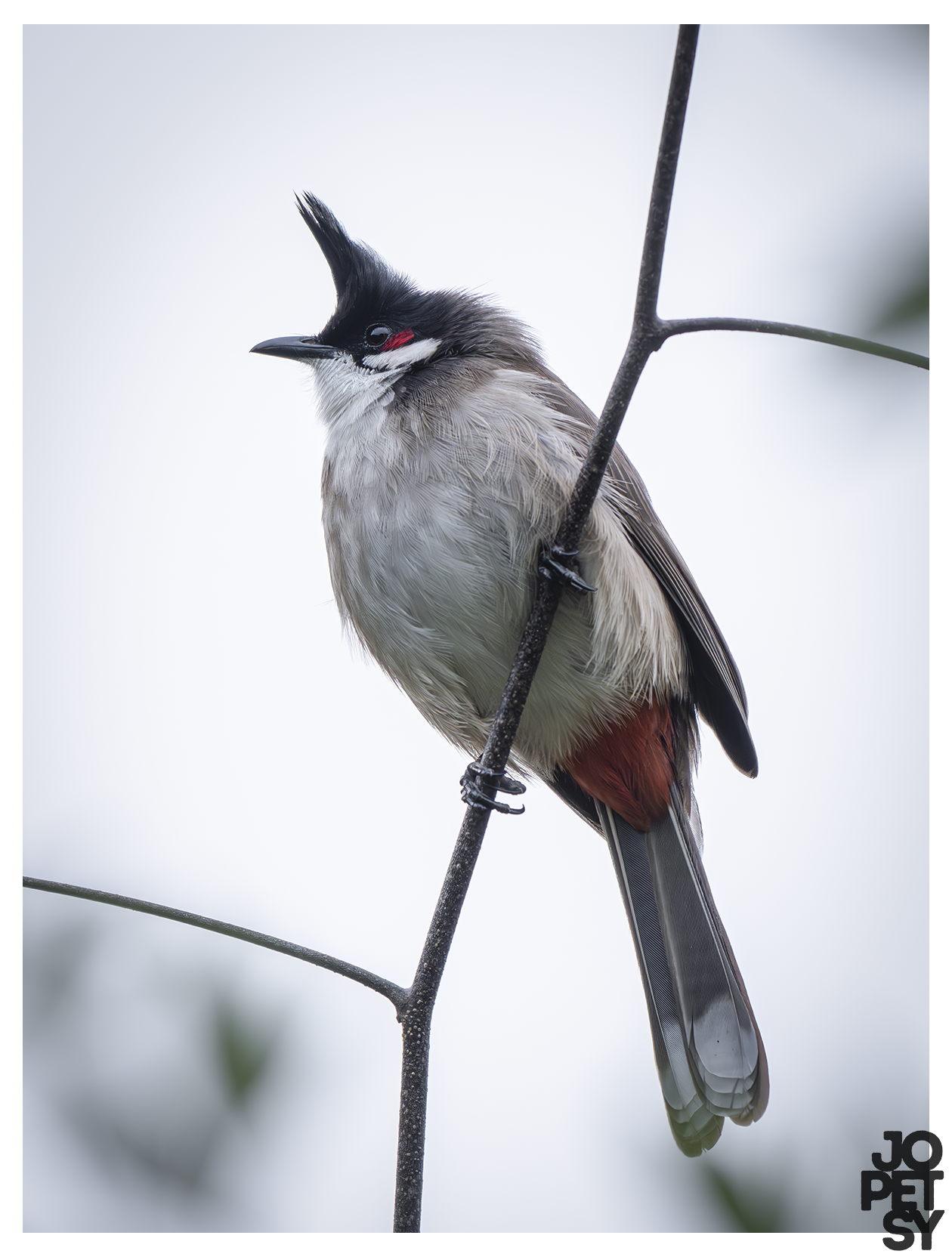
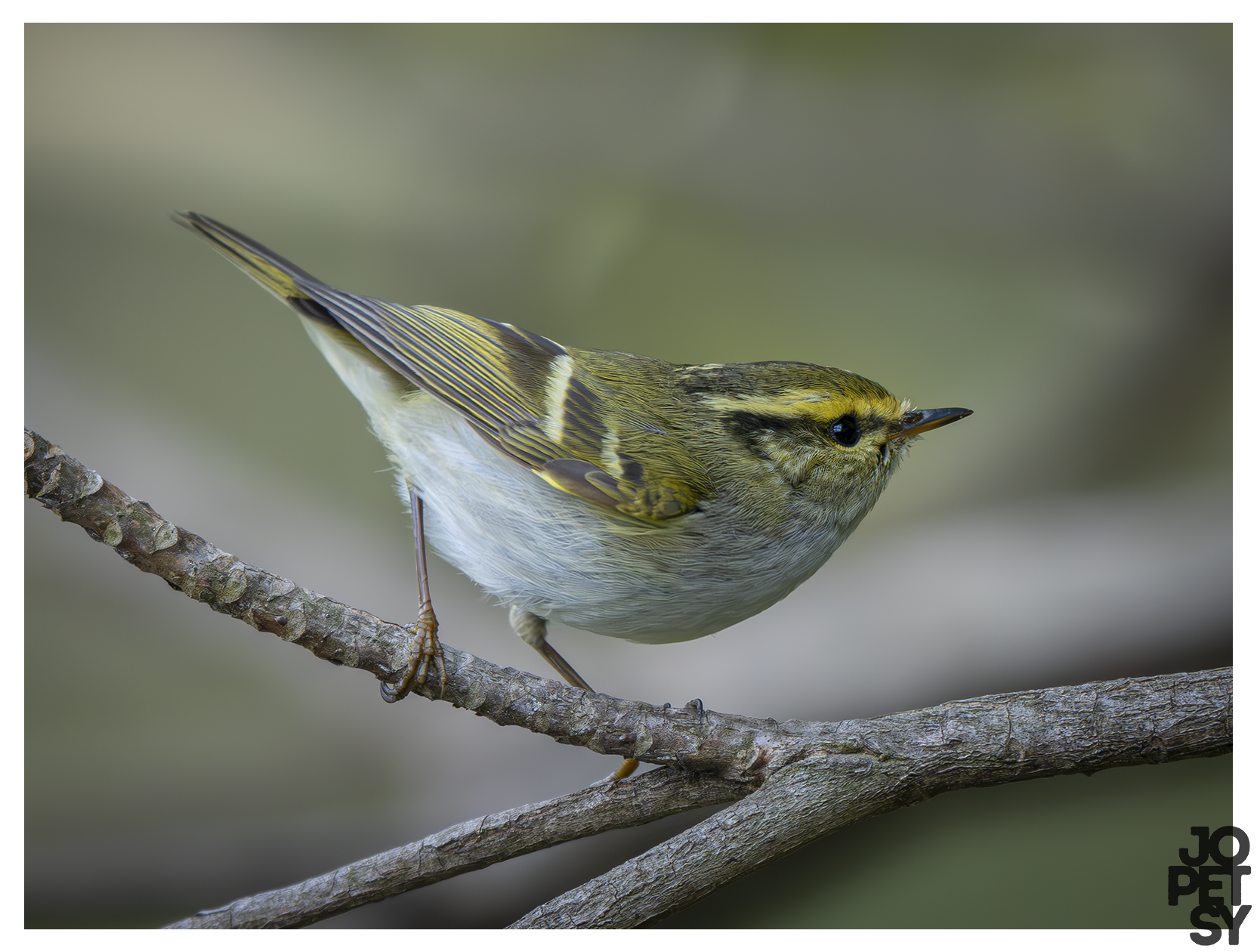
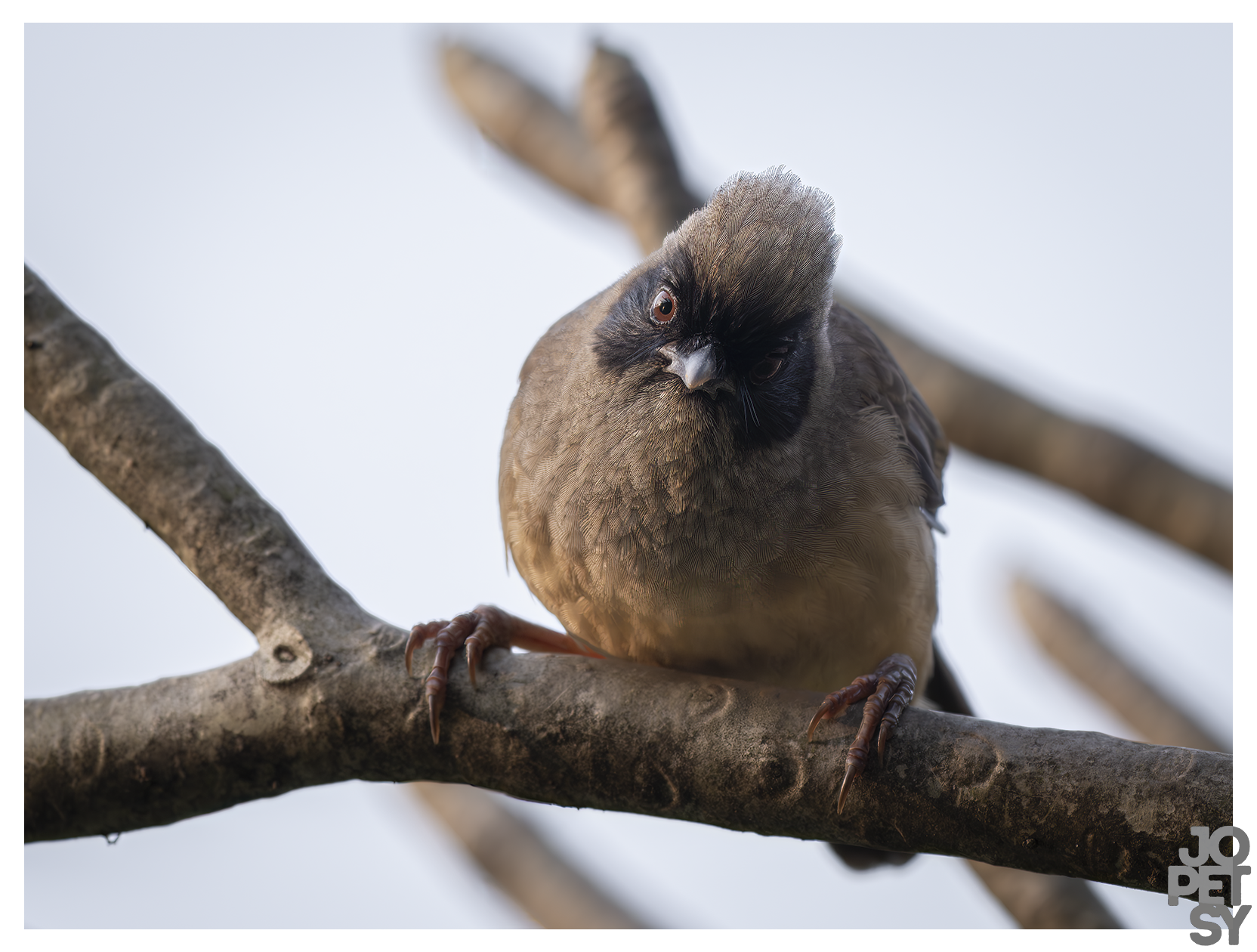
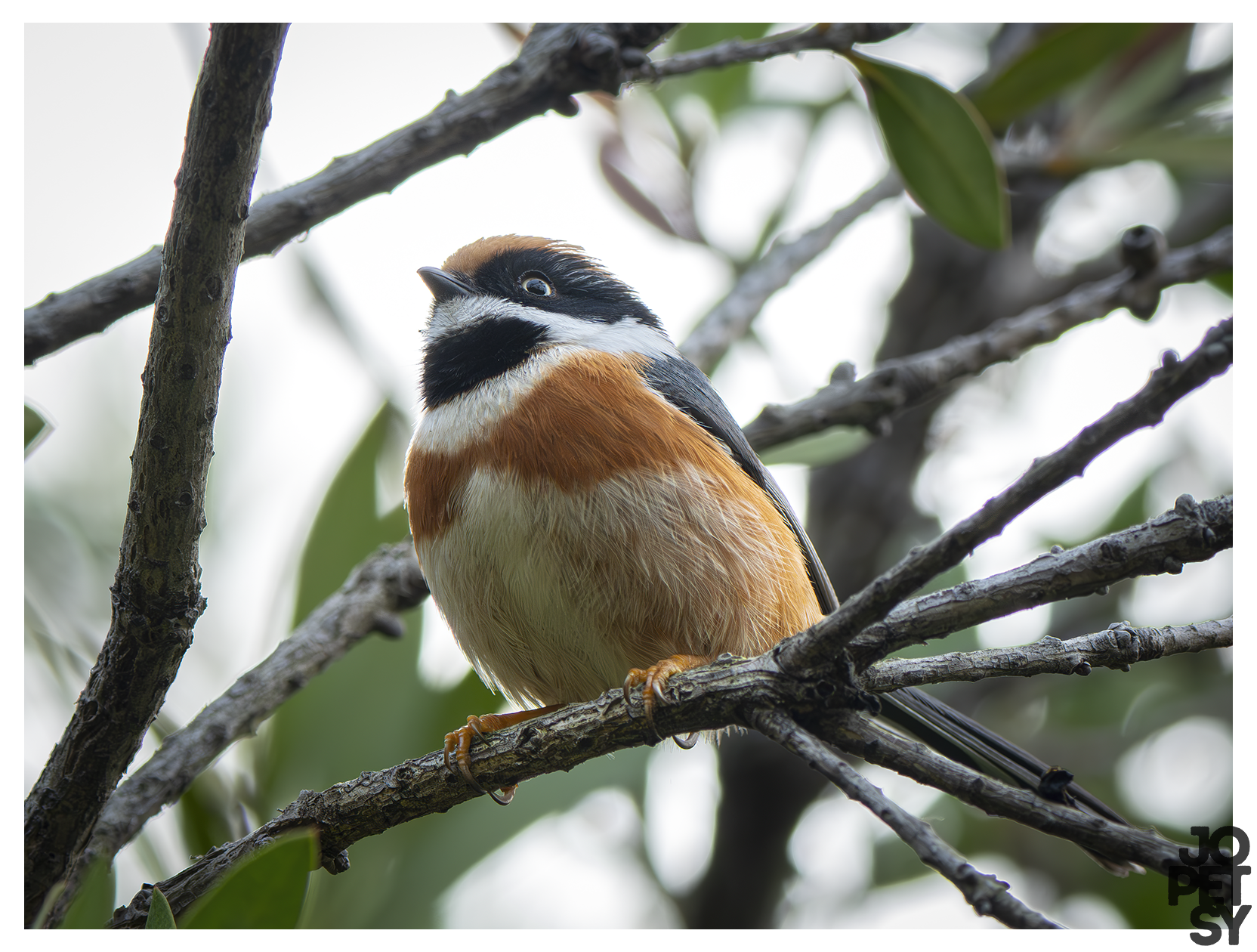
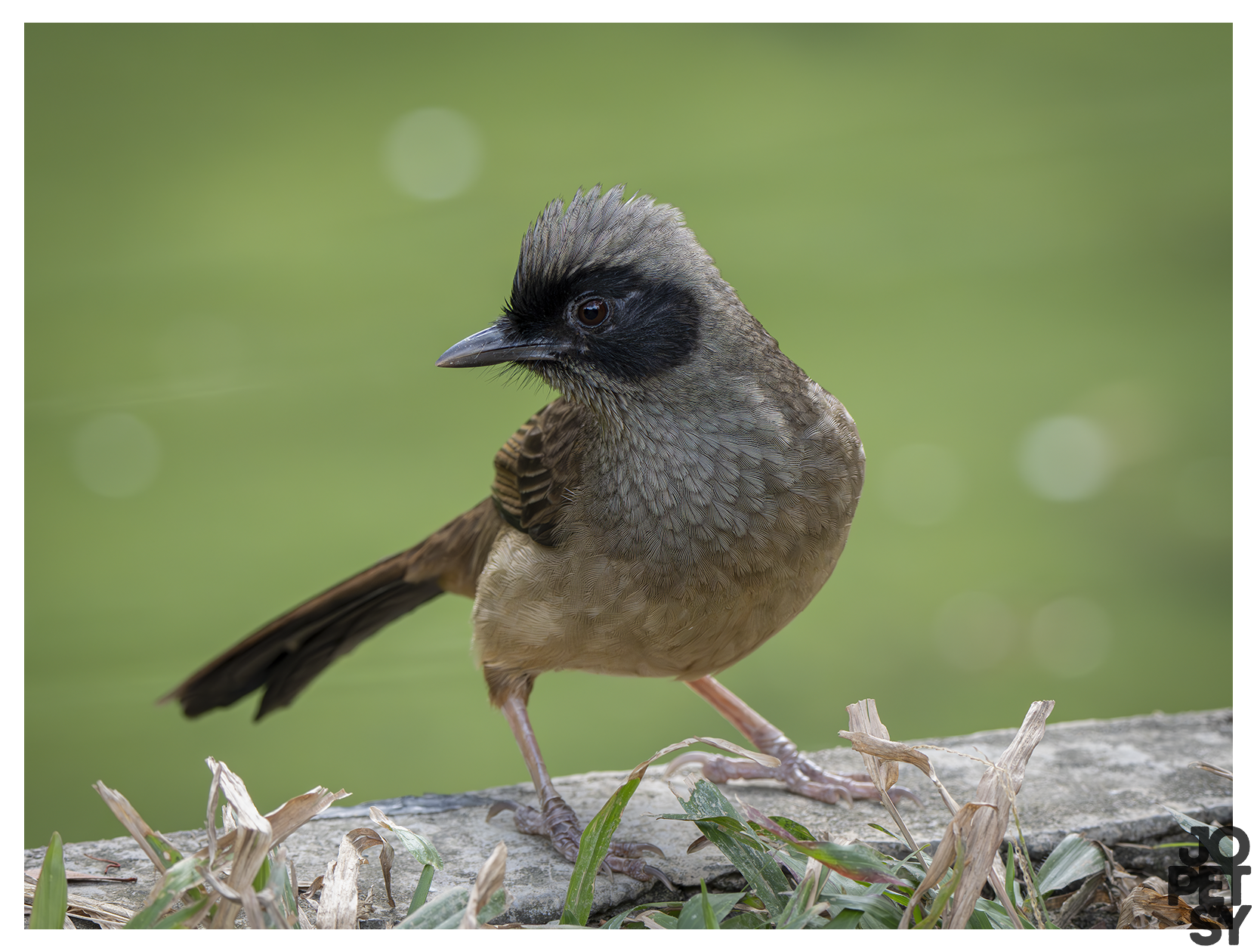
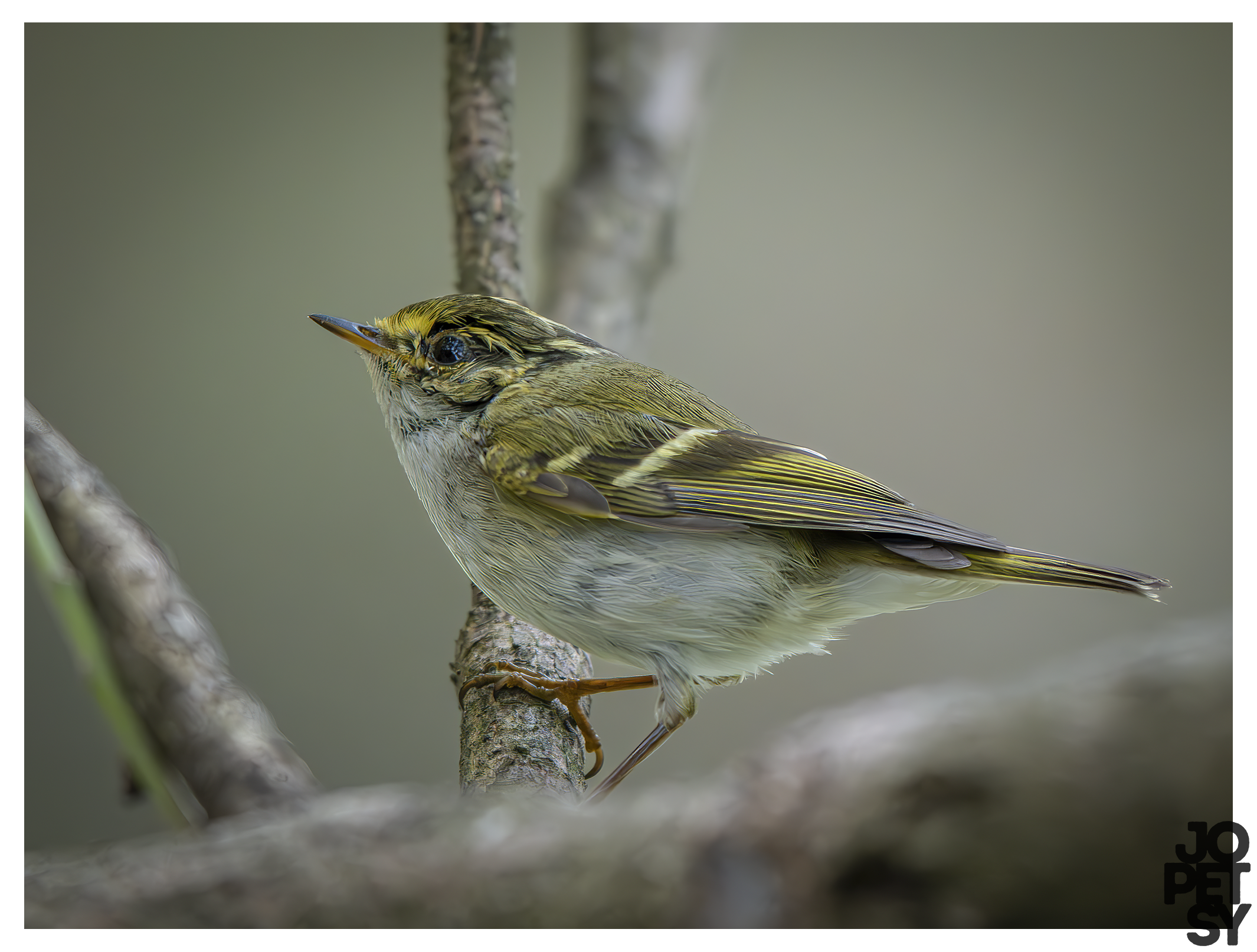
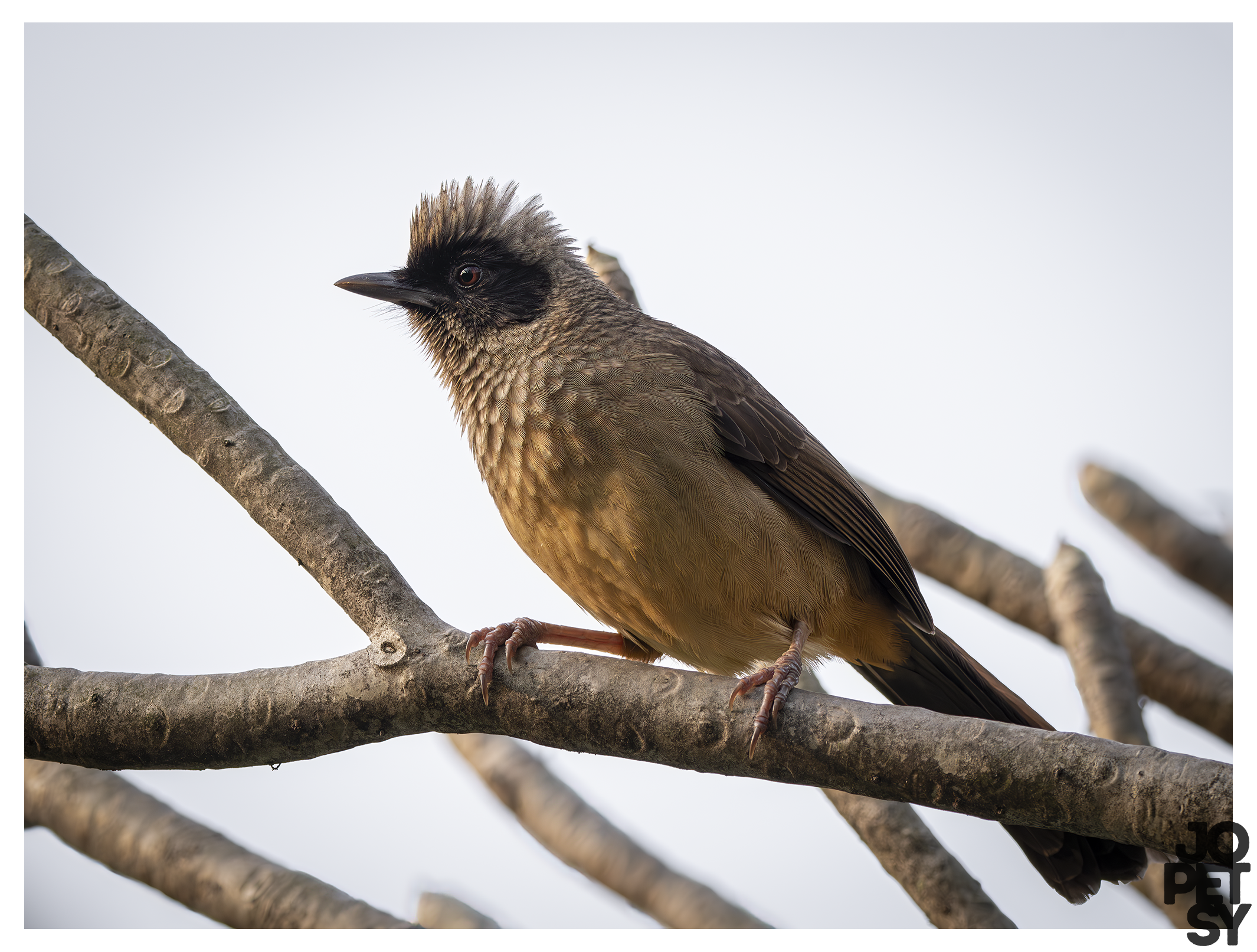
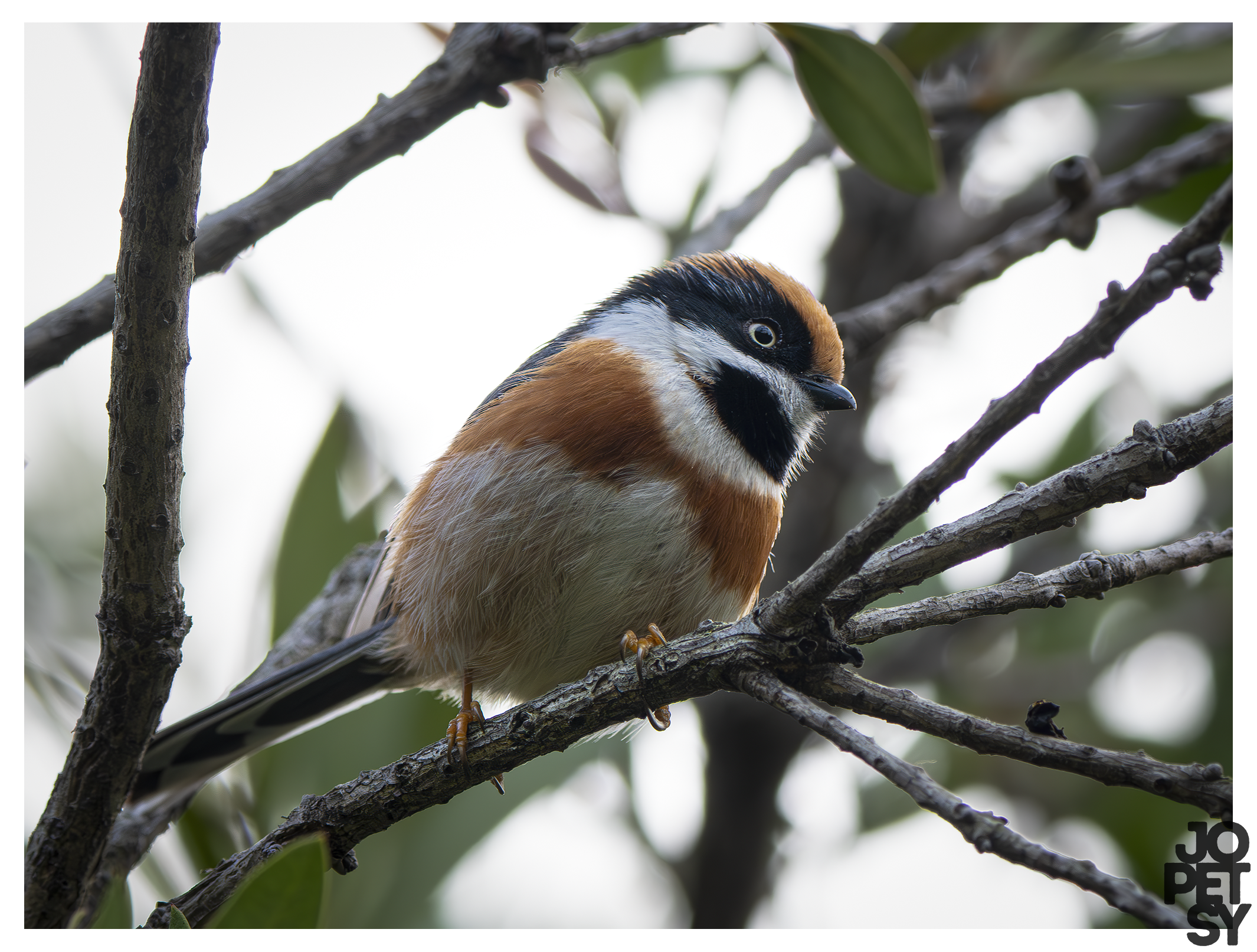
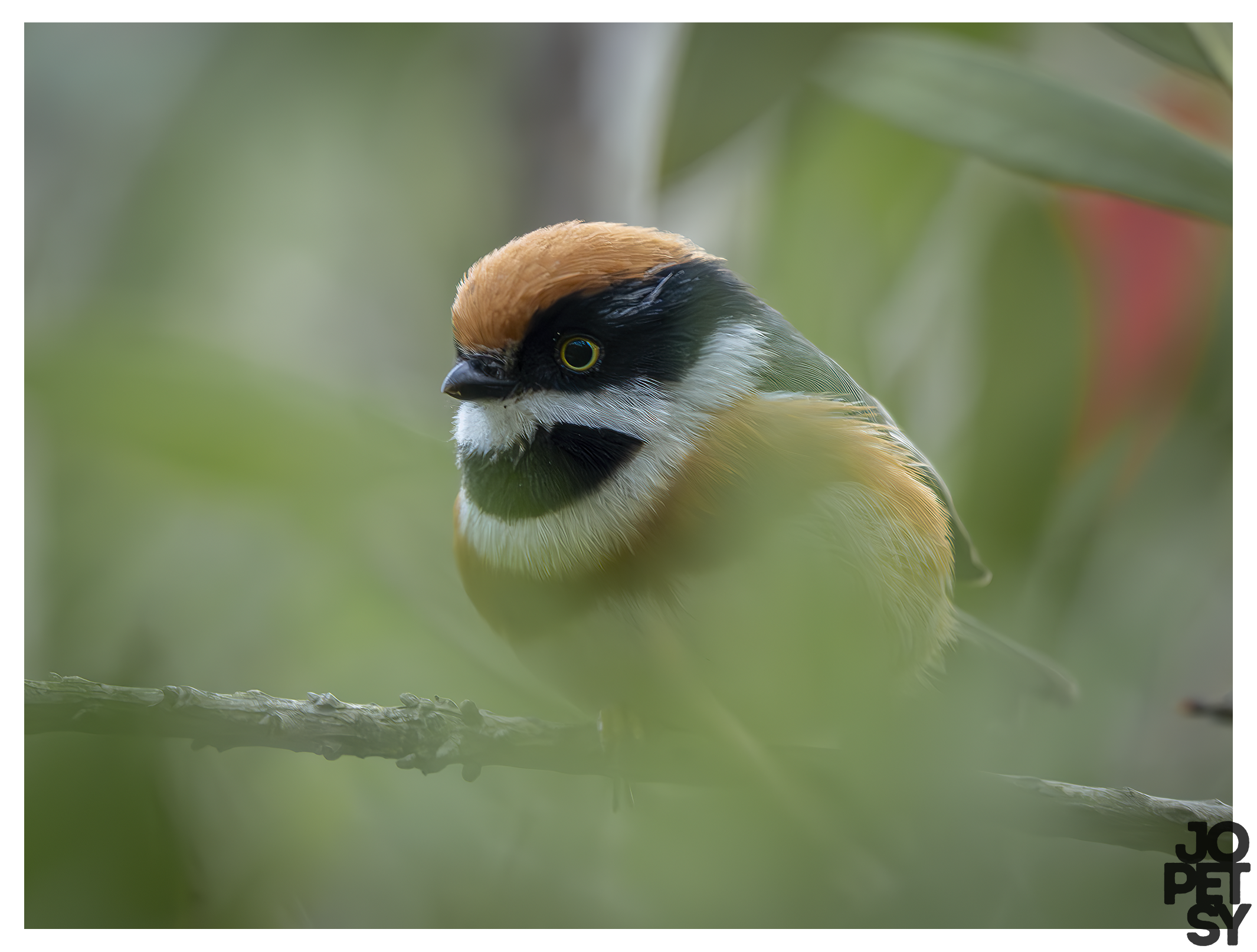
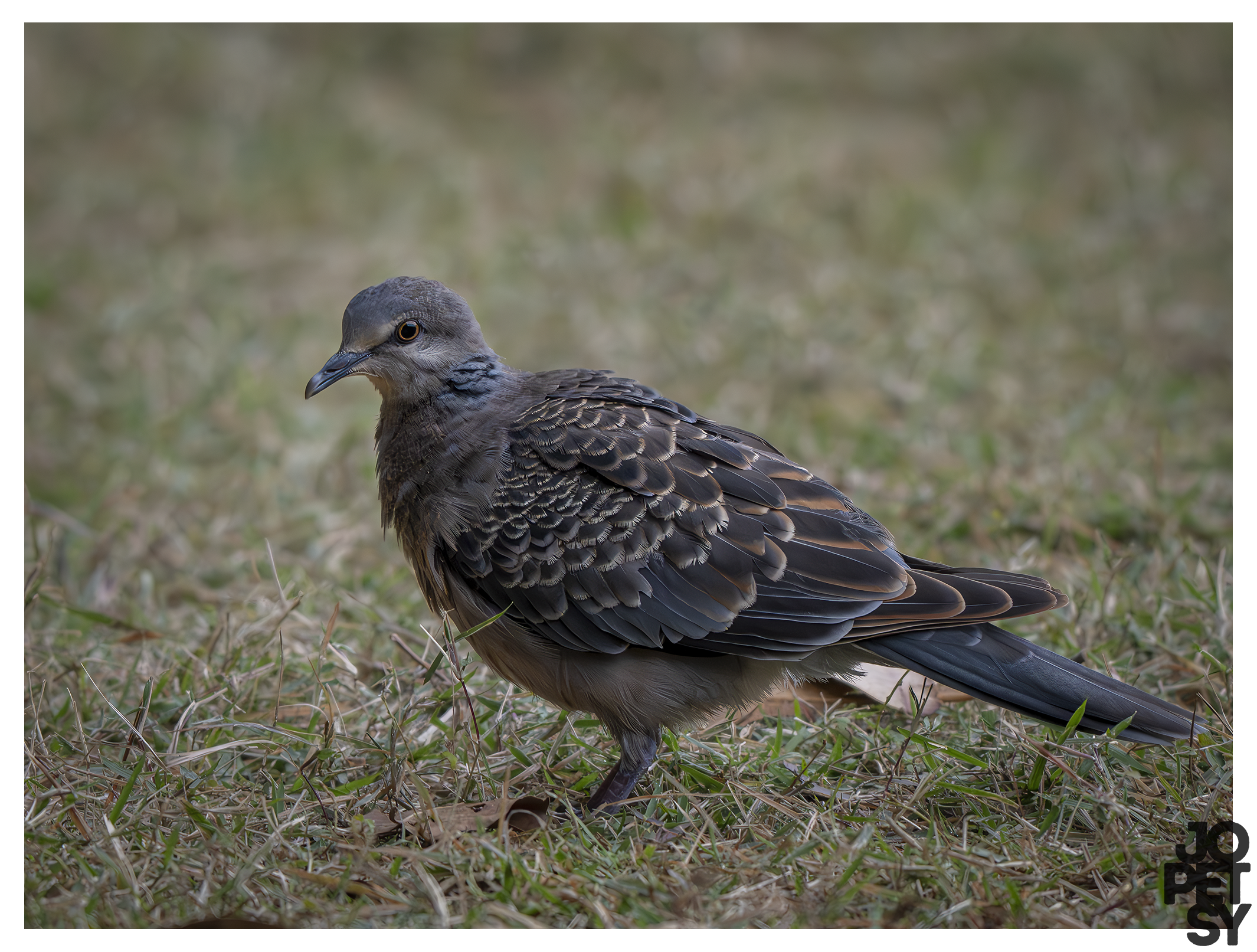
All photos taken with a Sony ⍺1ii + Sony FE 400–800mm f/6.3–8
A Moment I’ll Never Forget
While exploring further, I suddenly noticed a bird fly past with a remarkably long tail. That alone was enough to get my adrenaline going. I slowed down and began scanning carefully.
Just a few steps away from the islet, near the North Entrance, there they were—six Red‑billed Blue‑Magpies. Seeing them this close was absolutely unreal. This was my first time observing the species up close, and it instantly became one of those birding moments you just don’t forget.
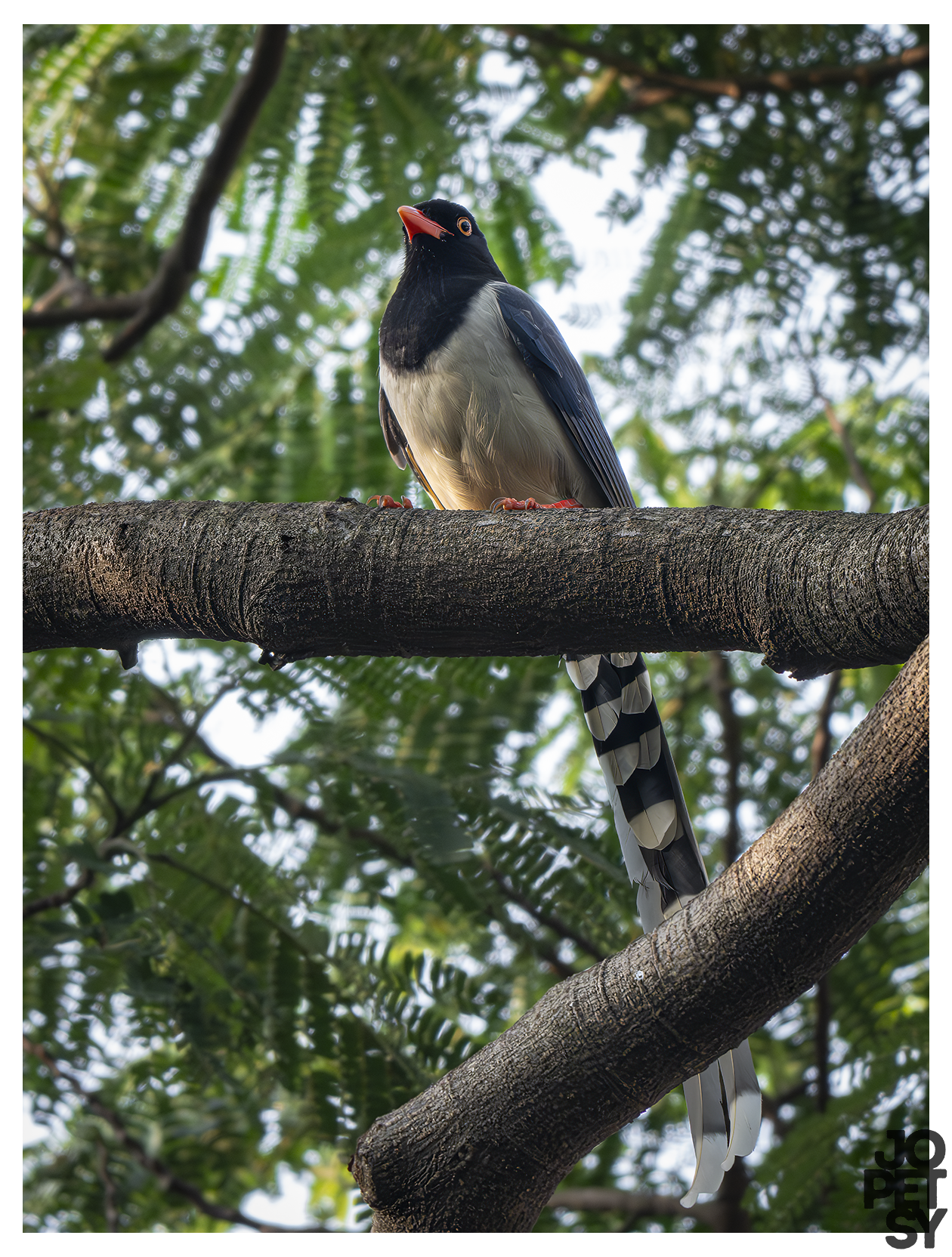
Red-billed Blue-Magpie
Raucous, vividly-colored magpie of lowland and foothill forests, gardens, and parks. Bright blue with black head, white belly, and long tail which trails loosely behind it in flight. Bright scarlet bill and extensive white crown serve to distinguish this species from the otherwise similar Yellow-billed Blue-Magpie. Travels in groups, communicating with constant, raucous, hoarse calls. Aggressive, often driving away other birds. (Ebird)
B2-RBM-25
The Highlight: Collared Scops‑Owl
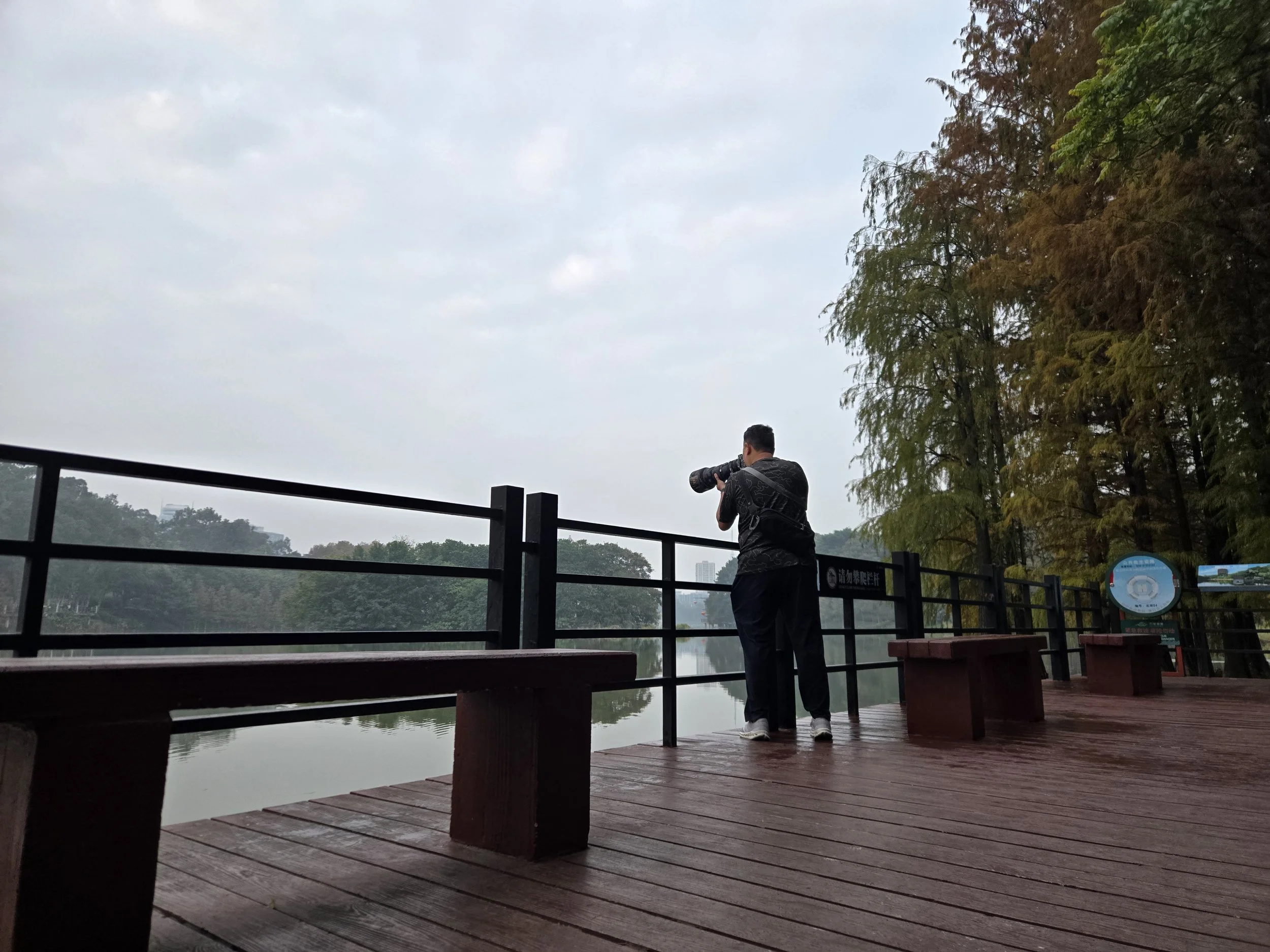
After that rush, I continued walking around the park to explore more. From a distance, I noticed a local bird photographer aiming his camera up into a pine tree. I immediately knew what it had to be.
This was the Collared Scops‑Owl, the same individual I had read about on eBird reports from within the park.
I approached the photographer, and despite the clear language barrier, we managed to communicate—thank you, Google Translate. He generously showed me two Collared Scops‑Owls perched quietly above us. I regret not getting his name, but I’m very grateful for the encounter.
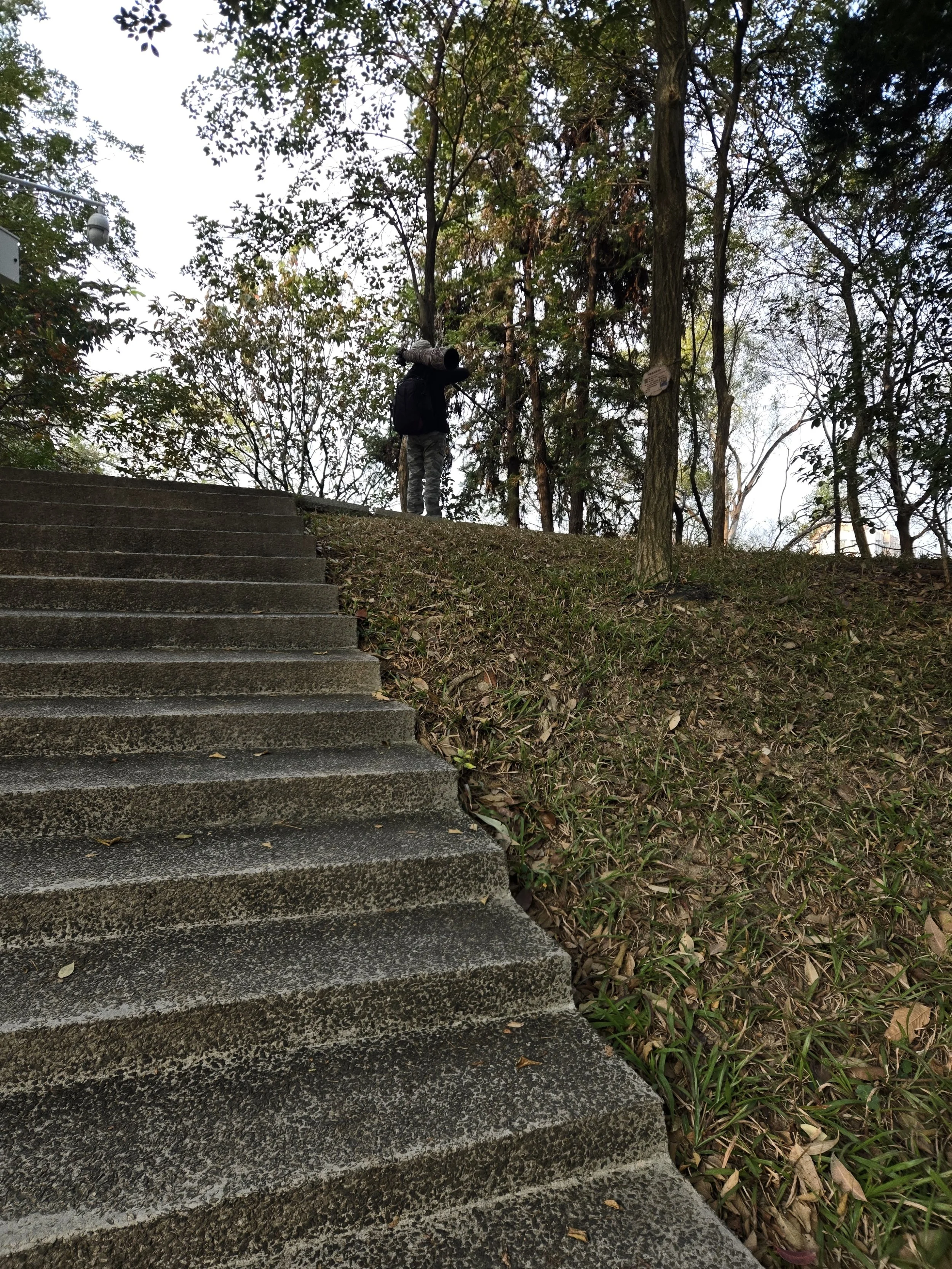
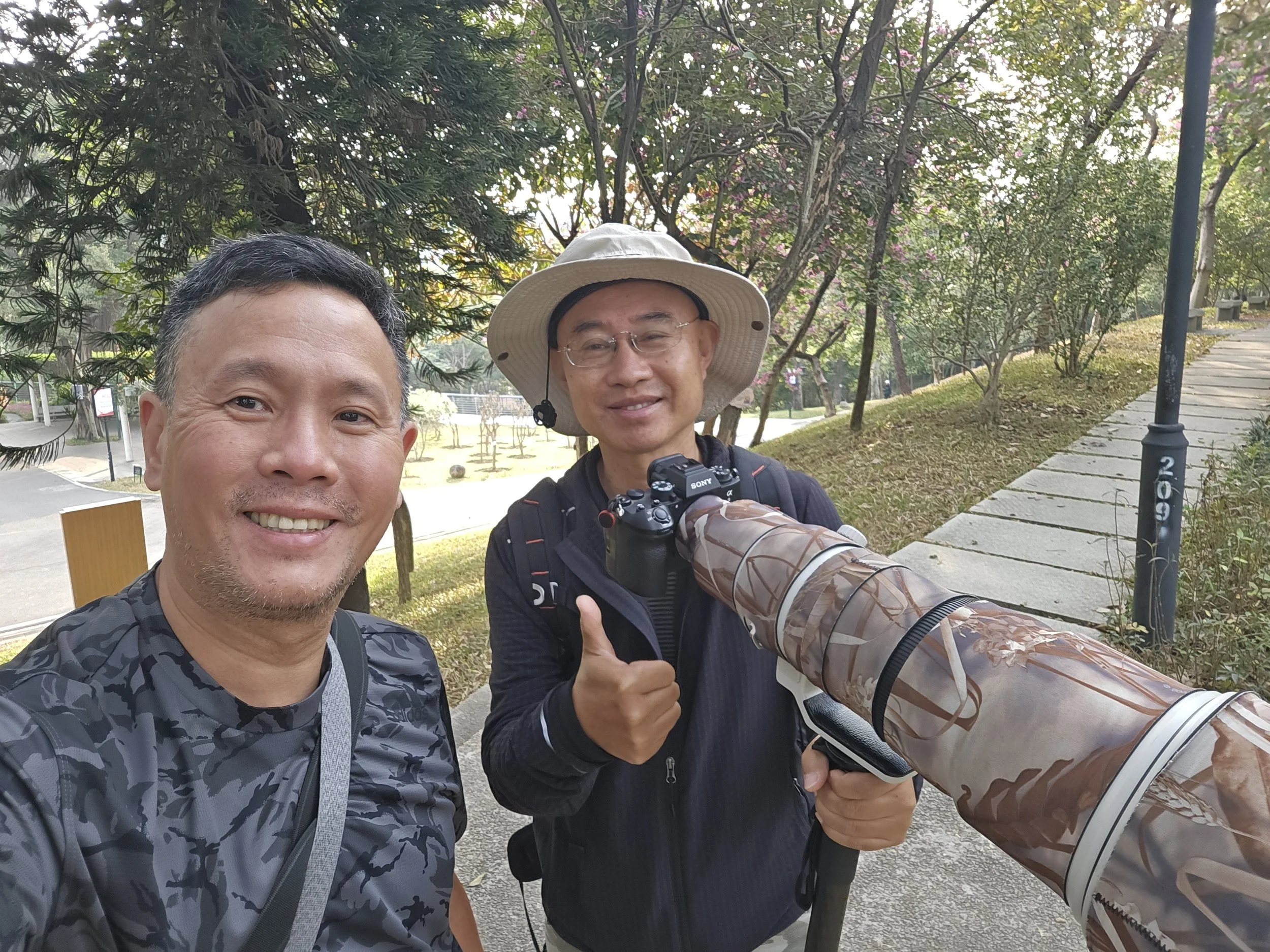
Once I finally captured a photo of the owl, I felt fully satisfied. The park had already delivered more than my target species, and it felt right to end things on a high.
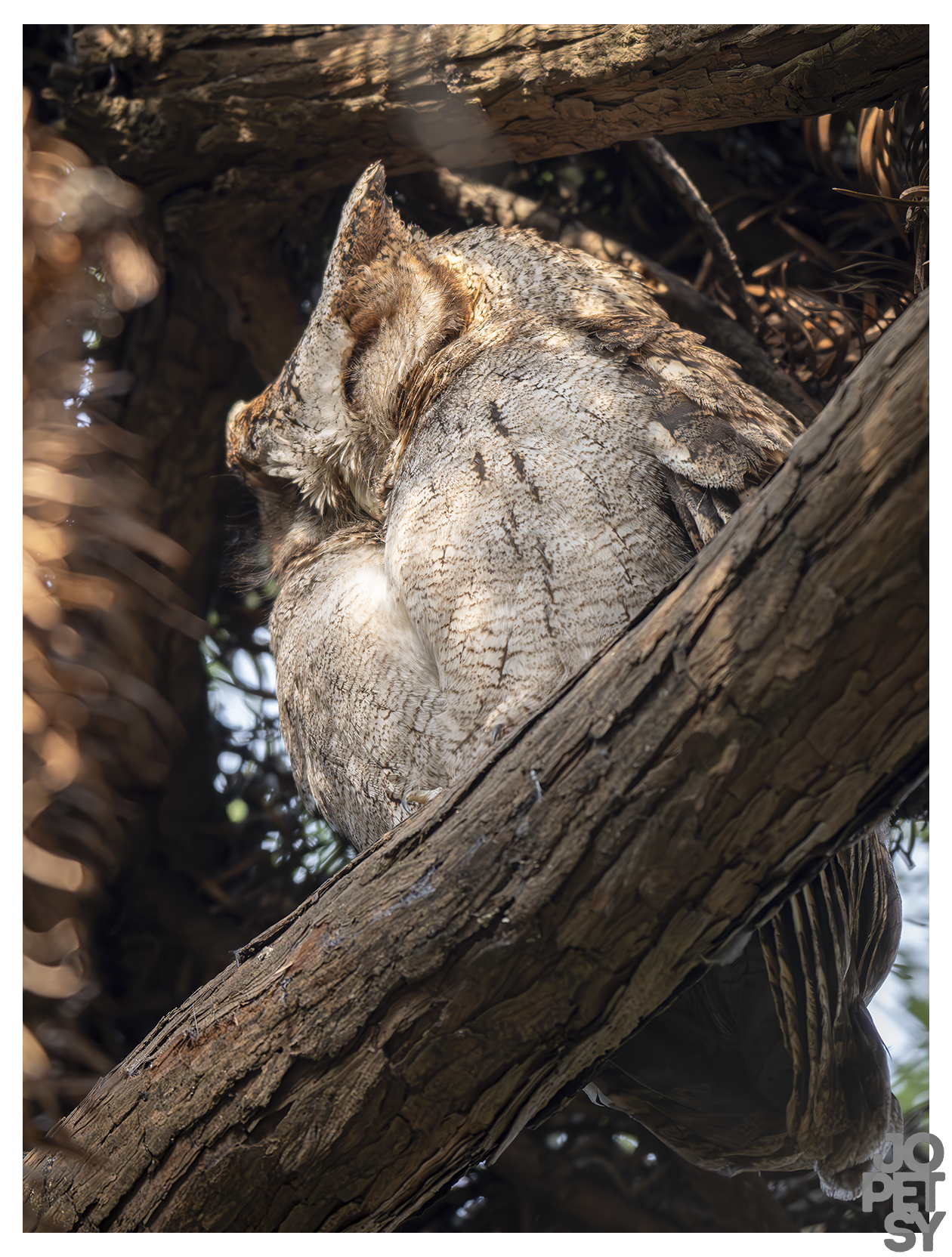
Collared Scops-Owl
Medium-sized owl with significant variation in plumage and vocalizations across its large range. Either gray or brown in coloration, with prominent pale ear tufts and pale face outlined in black. Fond of open wooded habitats from lowlands to foothills, often found roosting in temples, houses, and gardens, particularly in rural areas. Larger and more strongly tufted than both Oriental and Mountain Scops-Owls; both also lack the black facial border. Listen for this species’ incisive, short hoots, given at well-spaced intervals (often around 10 seconds).
(Ebird)
B2-CSO-26
Back to the Hotel – A Perfect Ending
I headed back to the hotel afterward and enjoyed my unlimited breakfast. But before reaching the hotel, I made a stop to buy my favorite fresh sugarcane —a must.
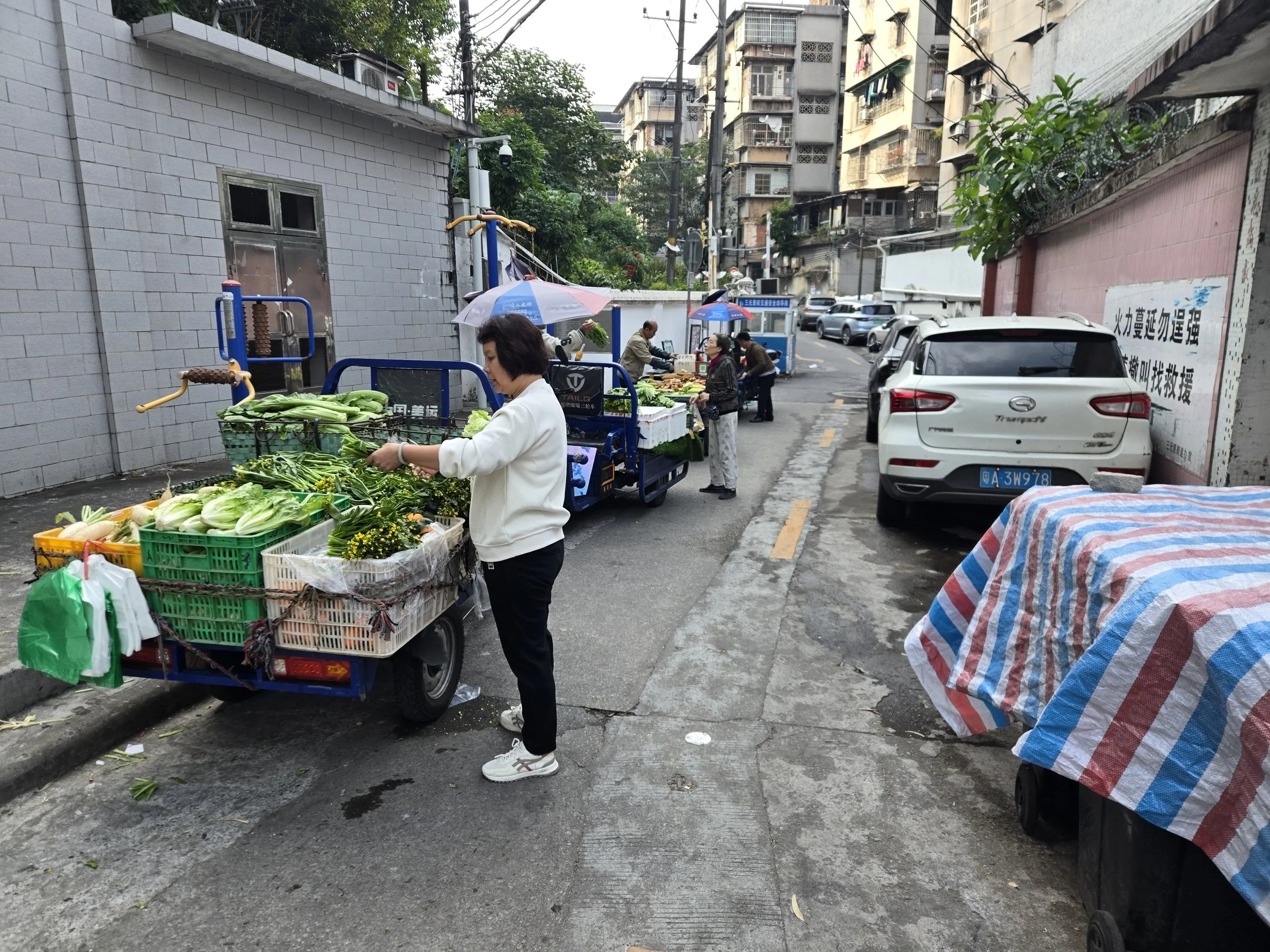
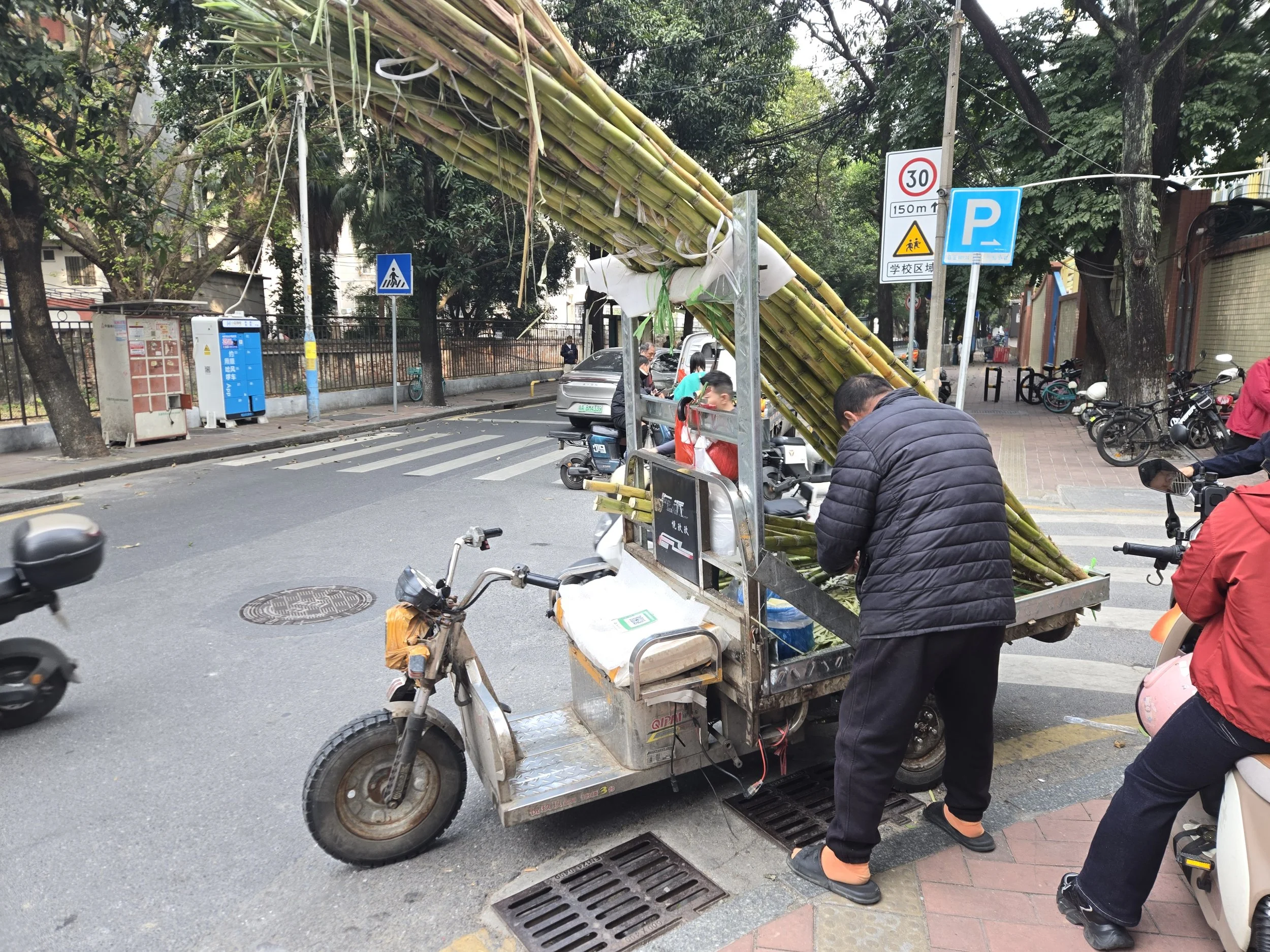
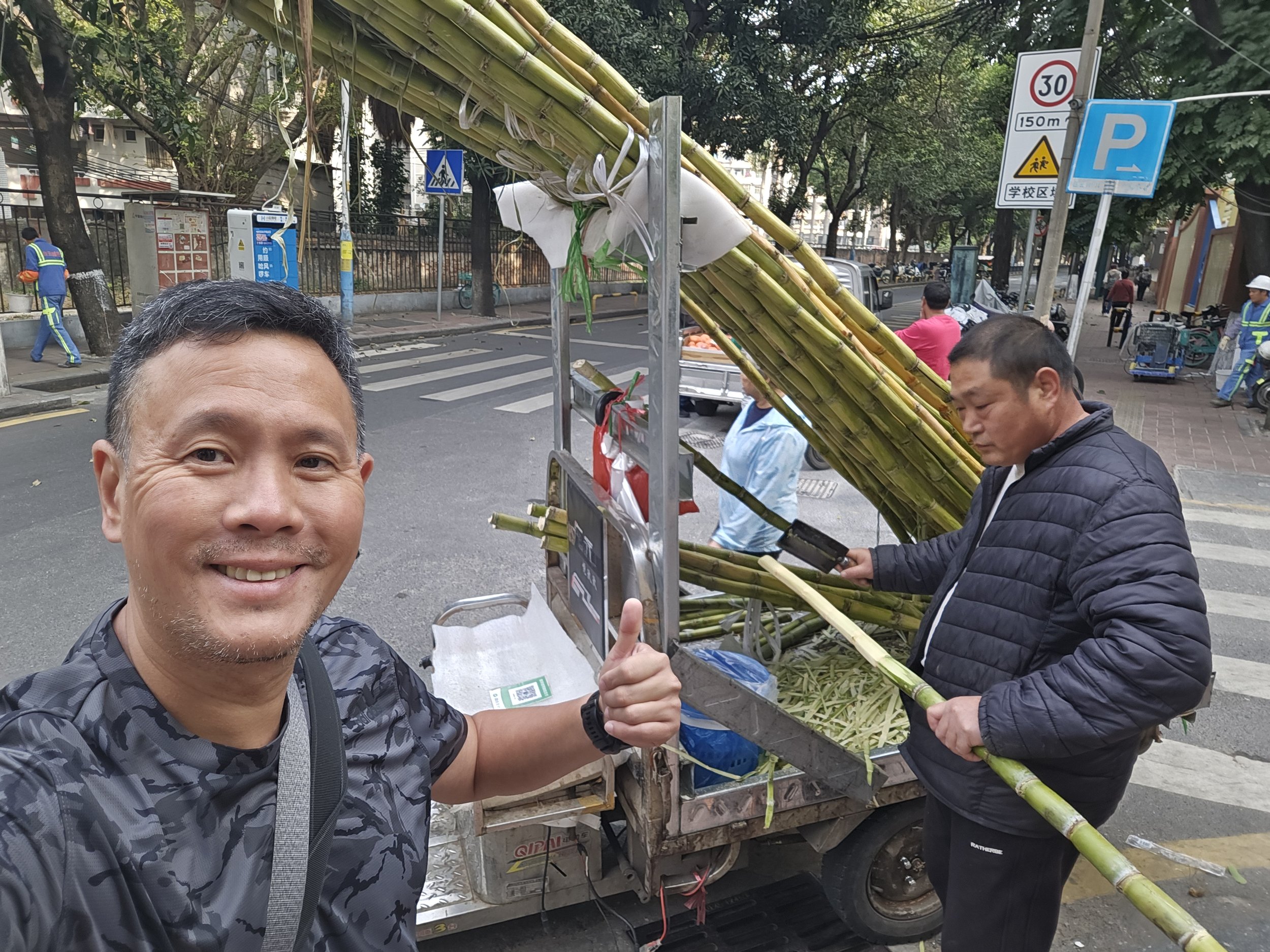
And yes, I paid via Alipay, thanks to GCash. A small but satisfying detail to wrap up an excellent birding morning.
LUHU PARK
Luhu Park to Jufang Park: A Walk Worth Taking
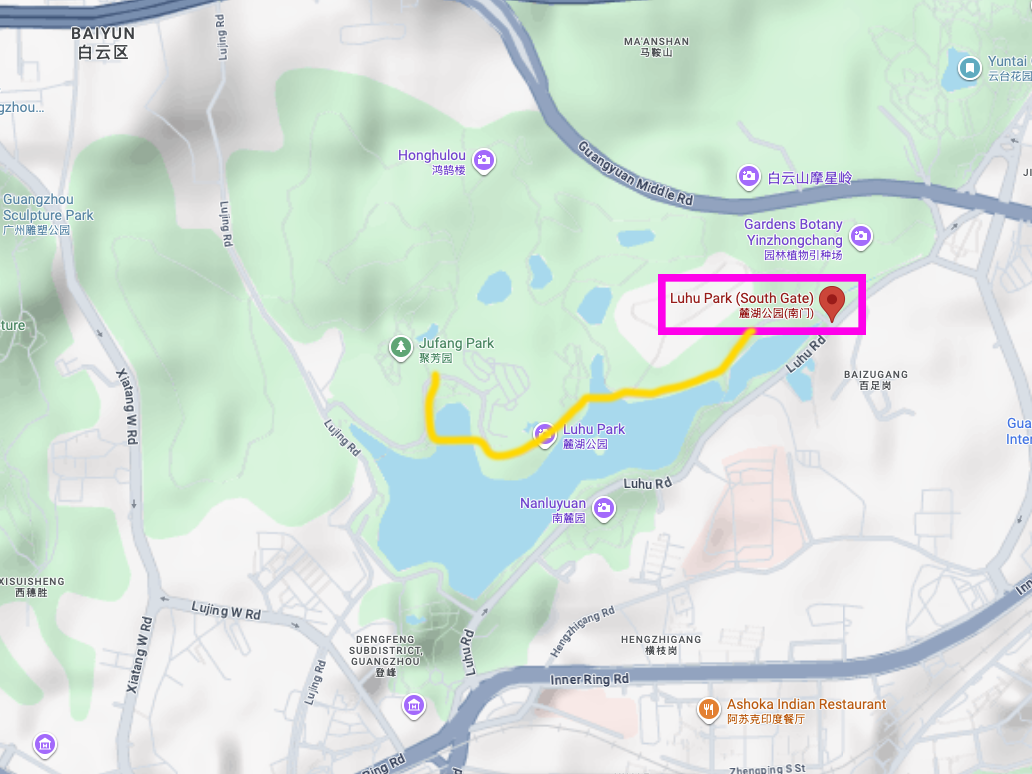
LUHU PARK TO JUFANG PARK TO THE SCUPLTURE PARK
I was dropped at the South Gate, quite a walk but the scenery is wonderful.
Clean, clear and very safe.
The long canopy walk starts at Jufang park to Guangzhou scultpure park.
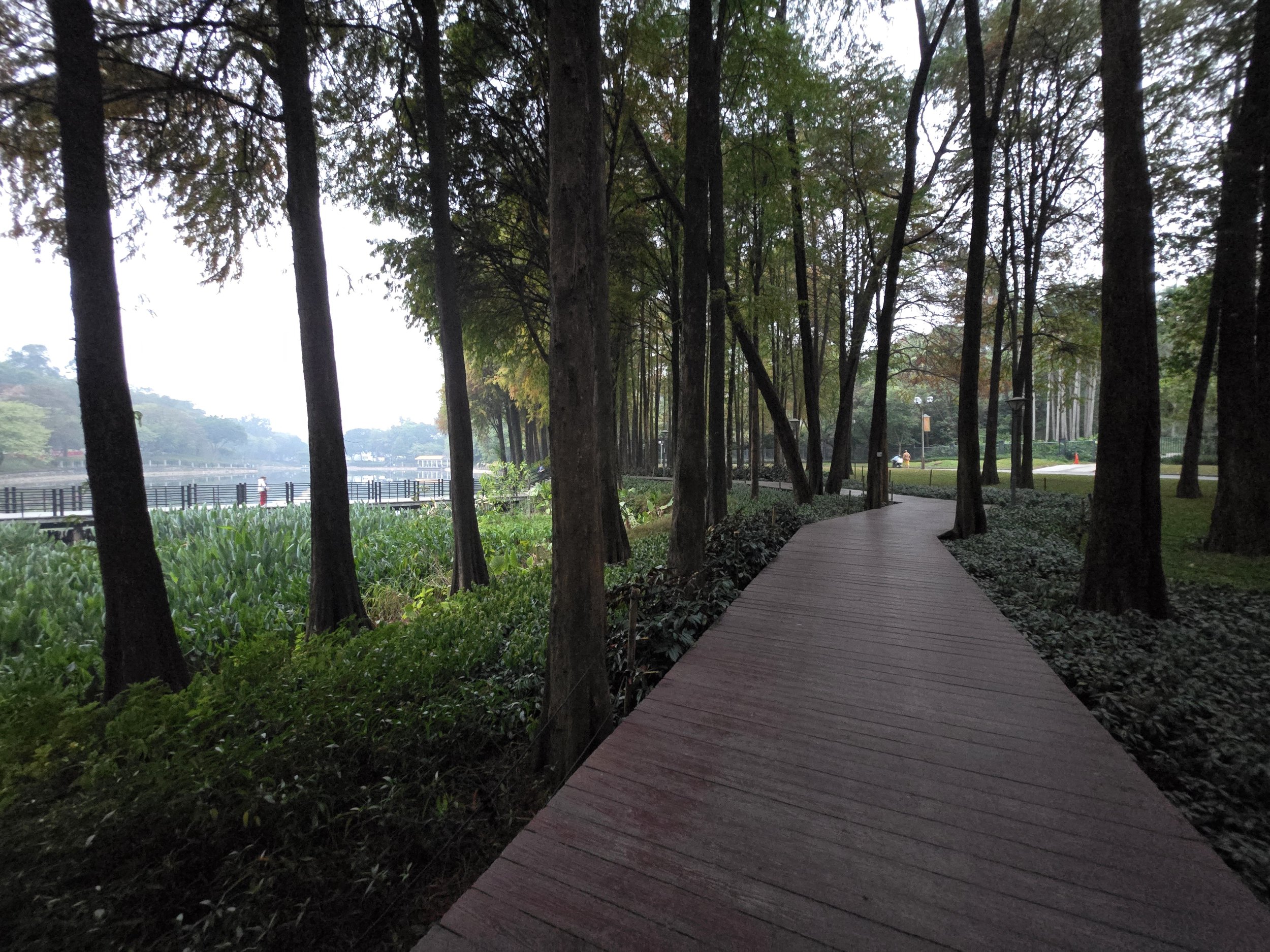
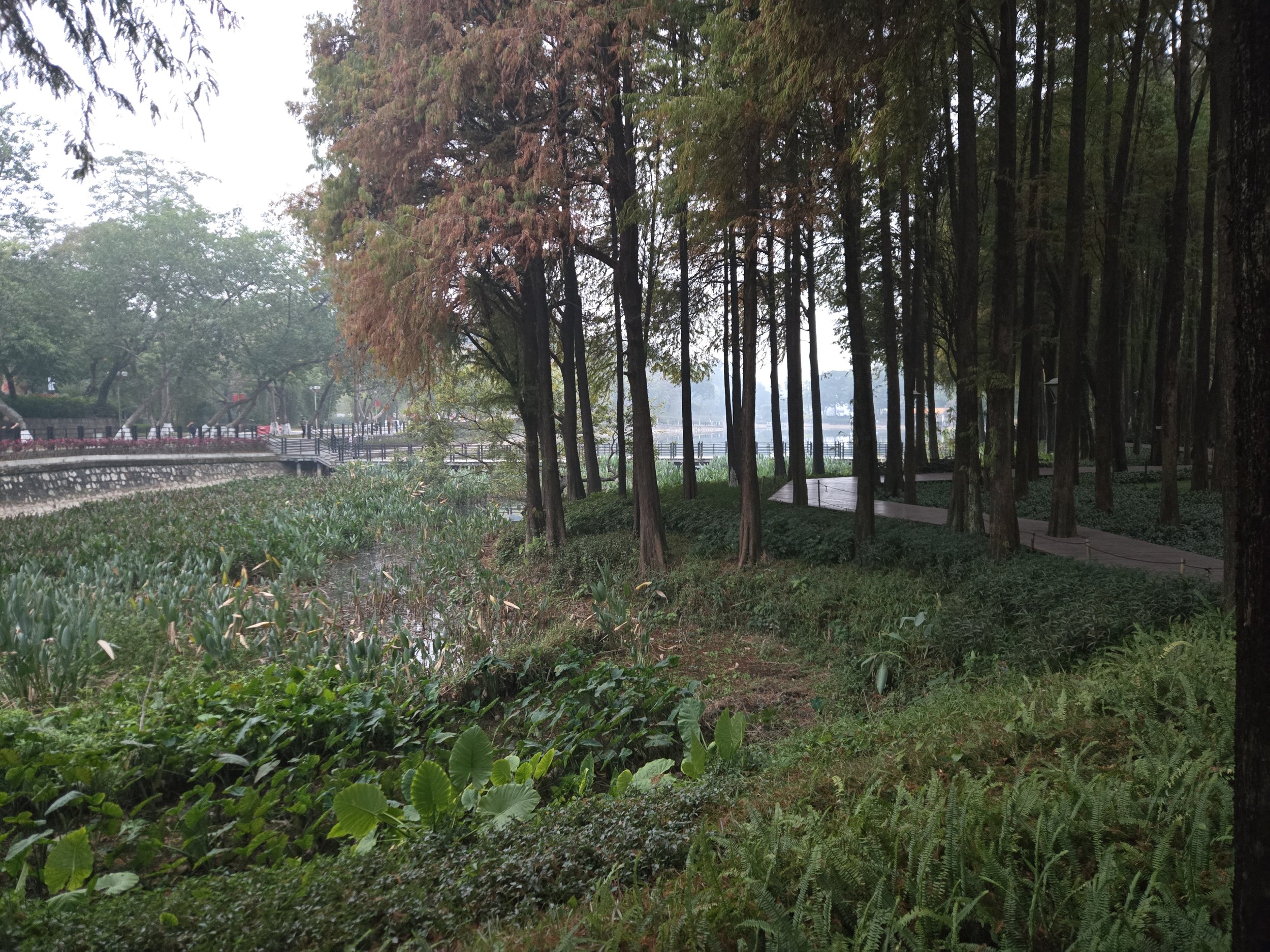
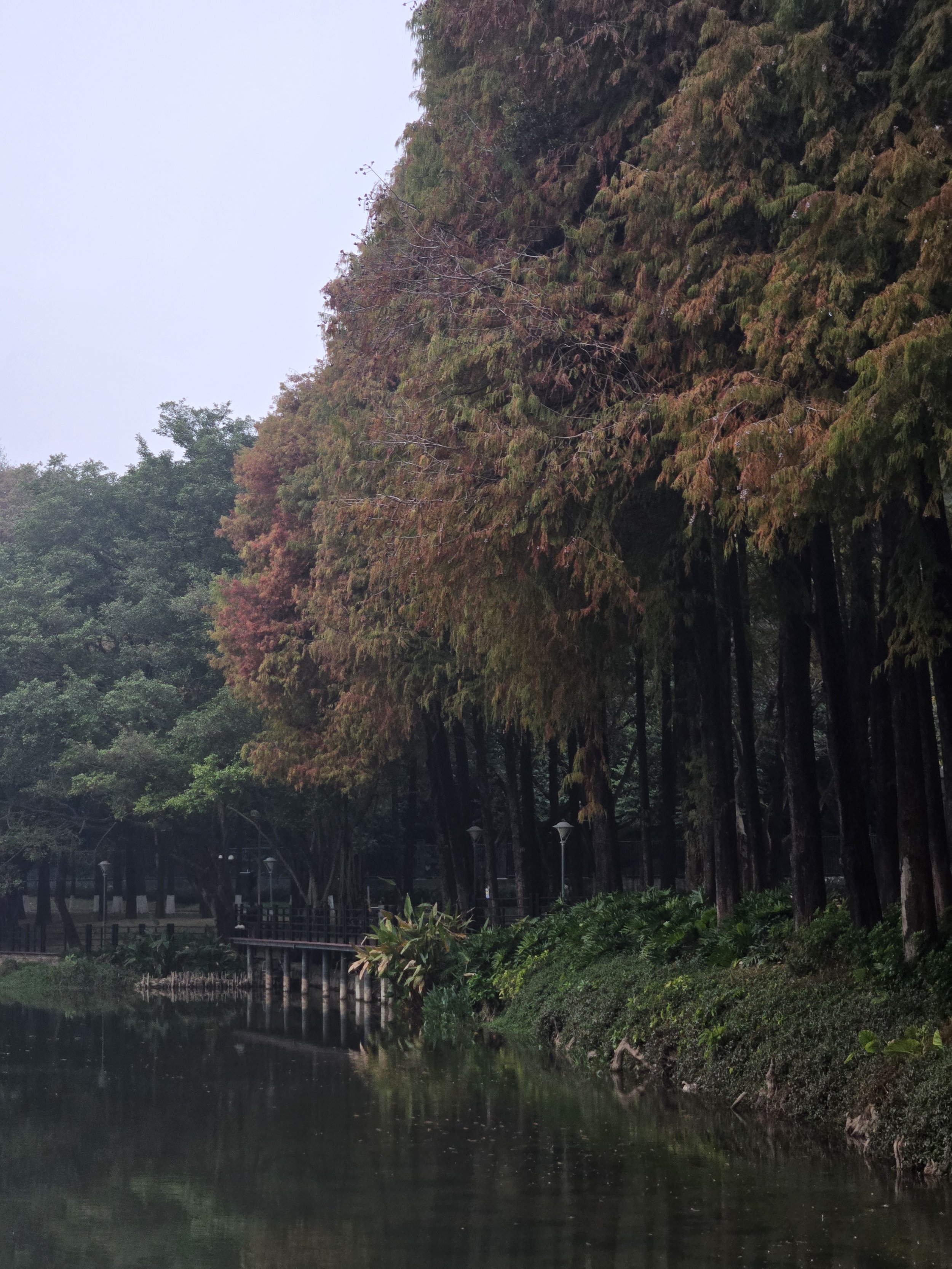
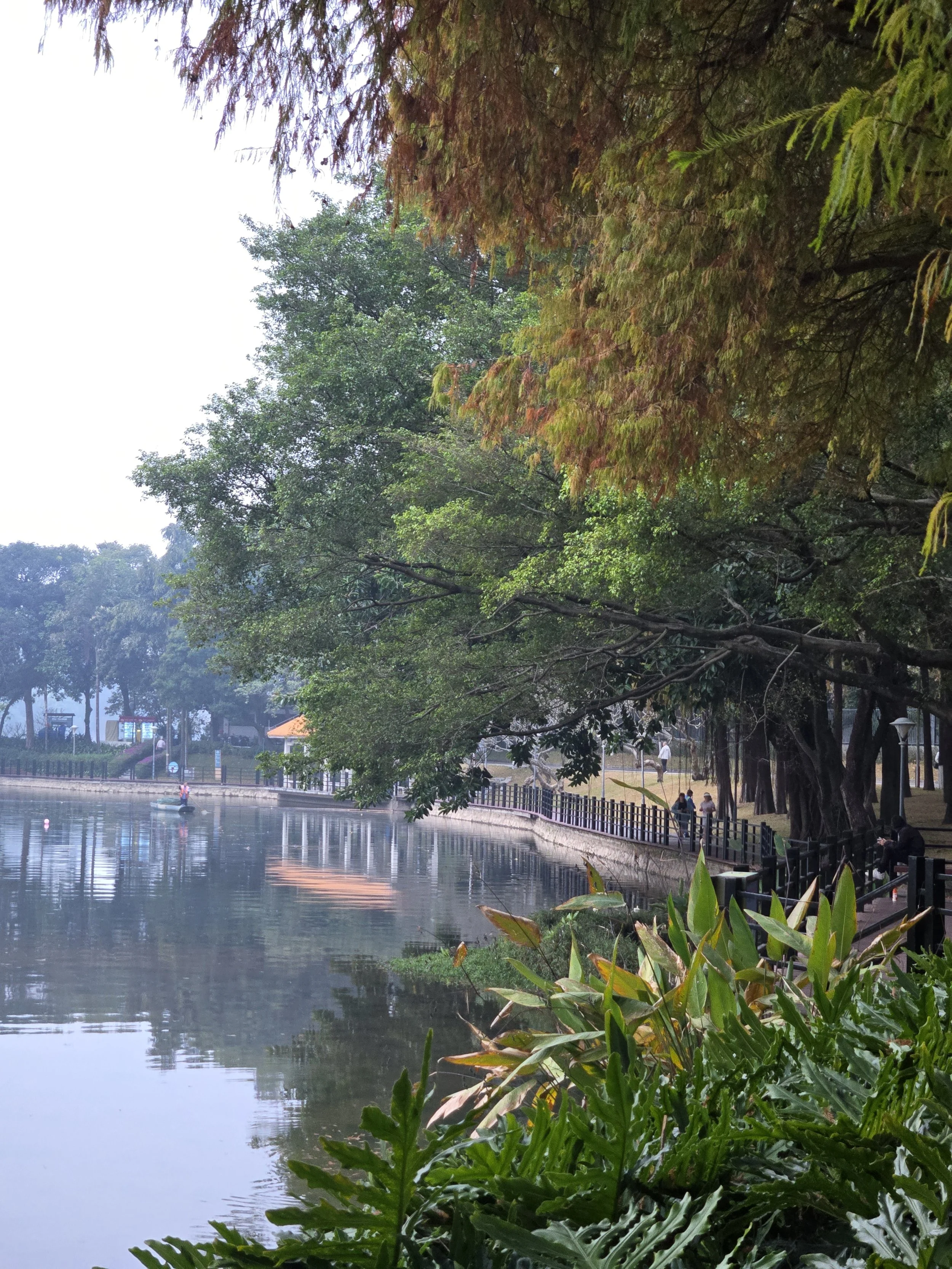
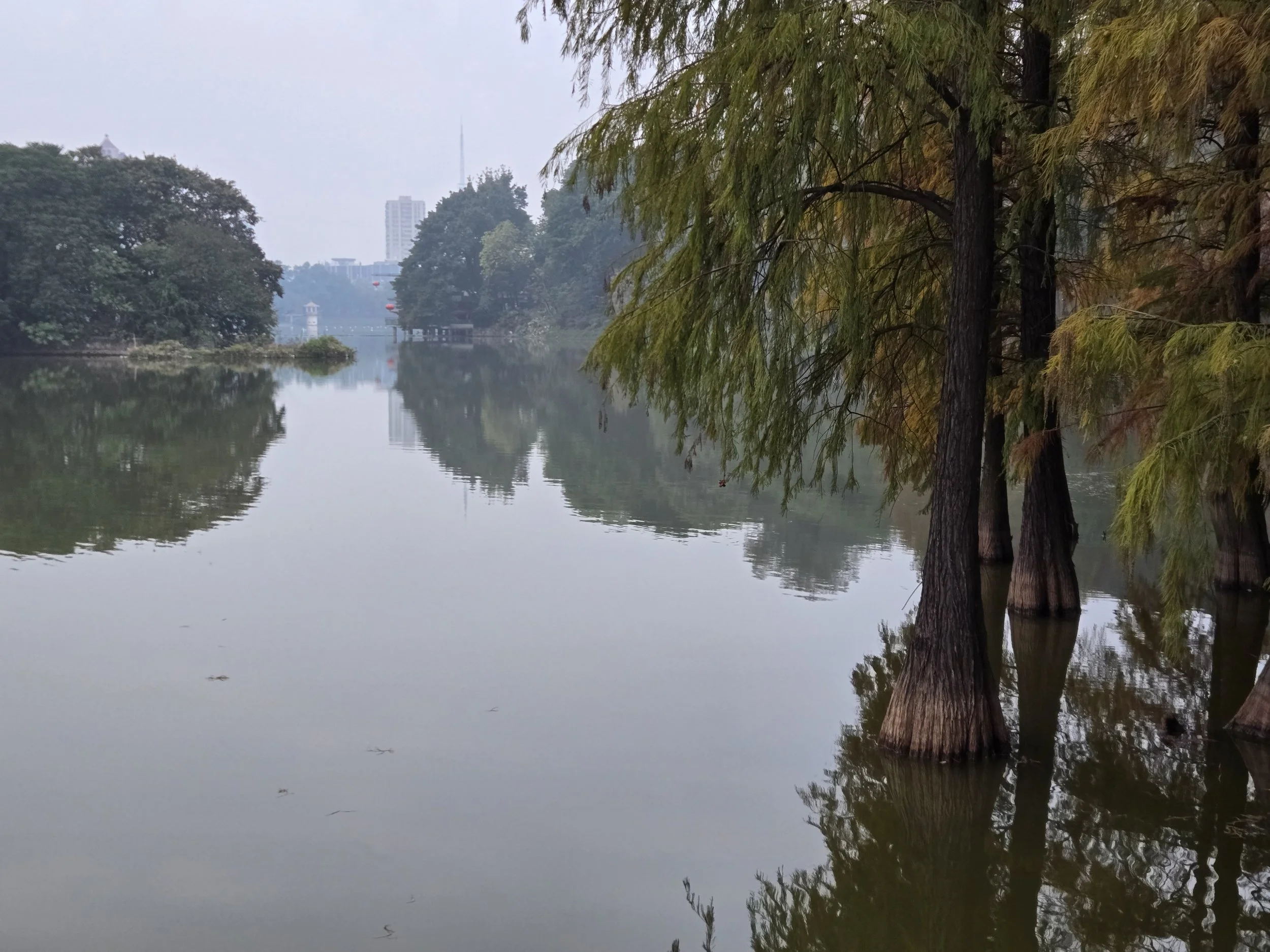
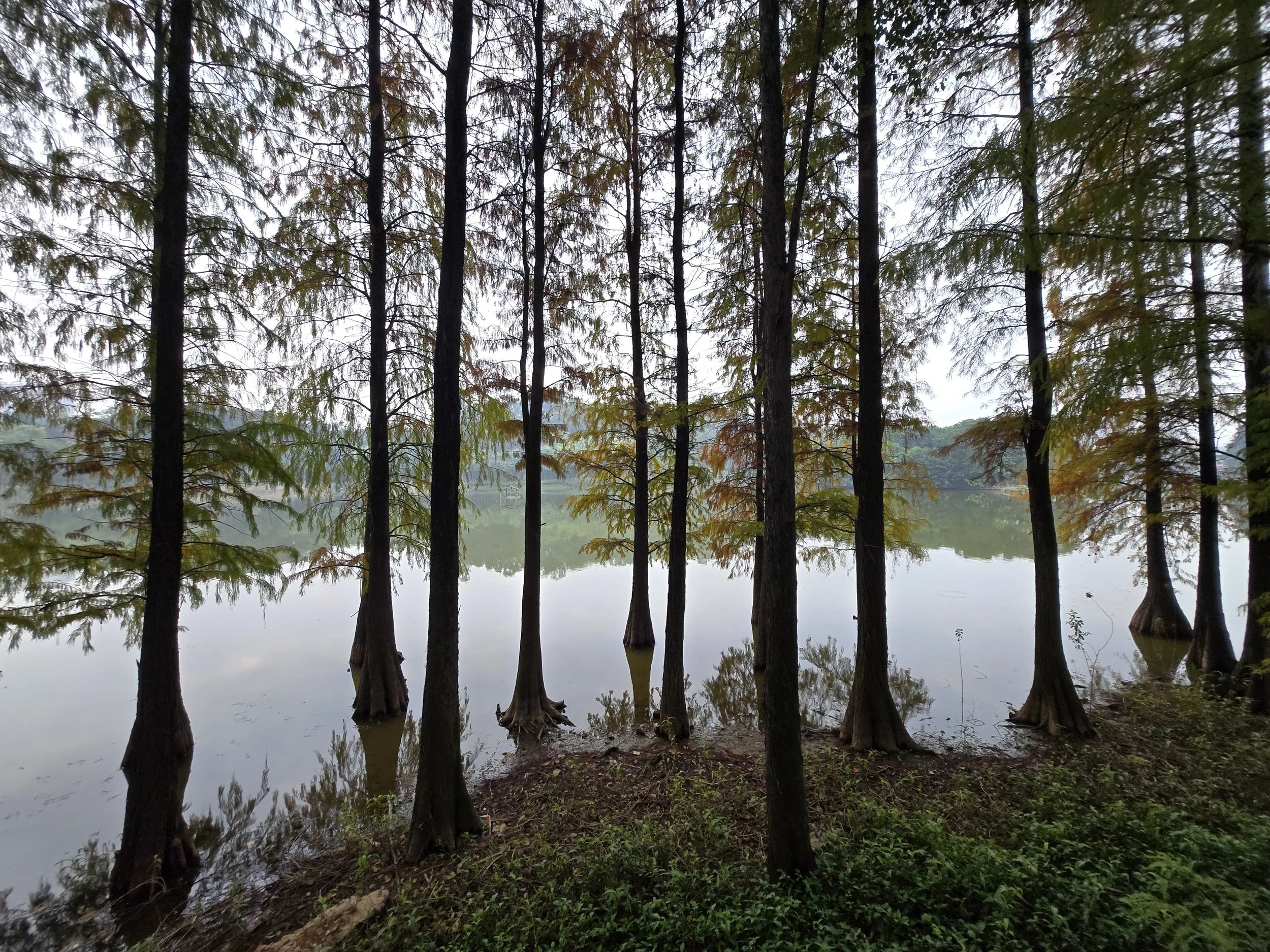
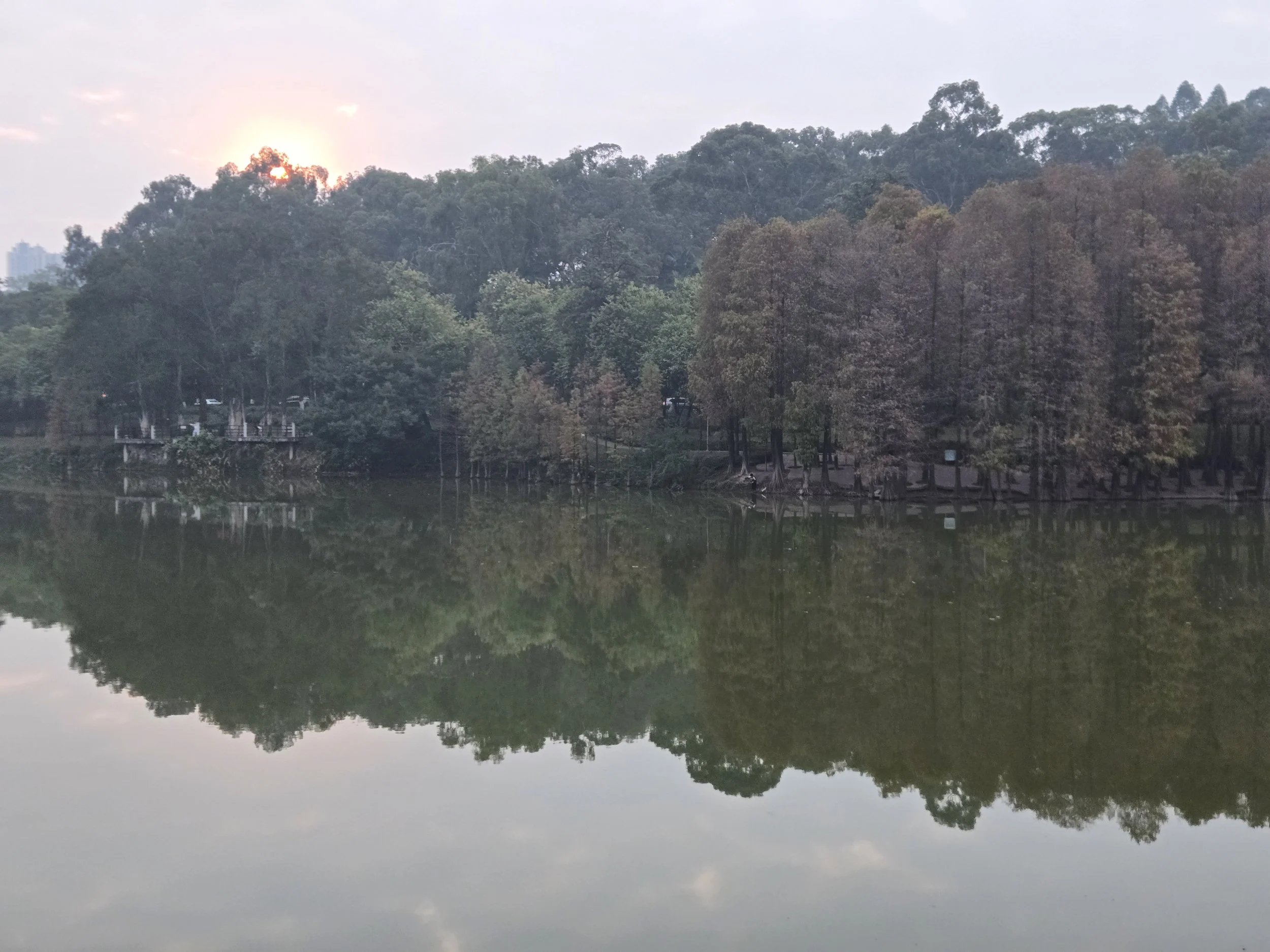
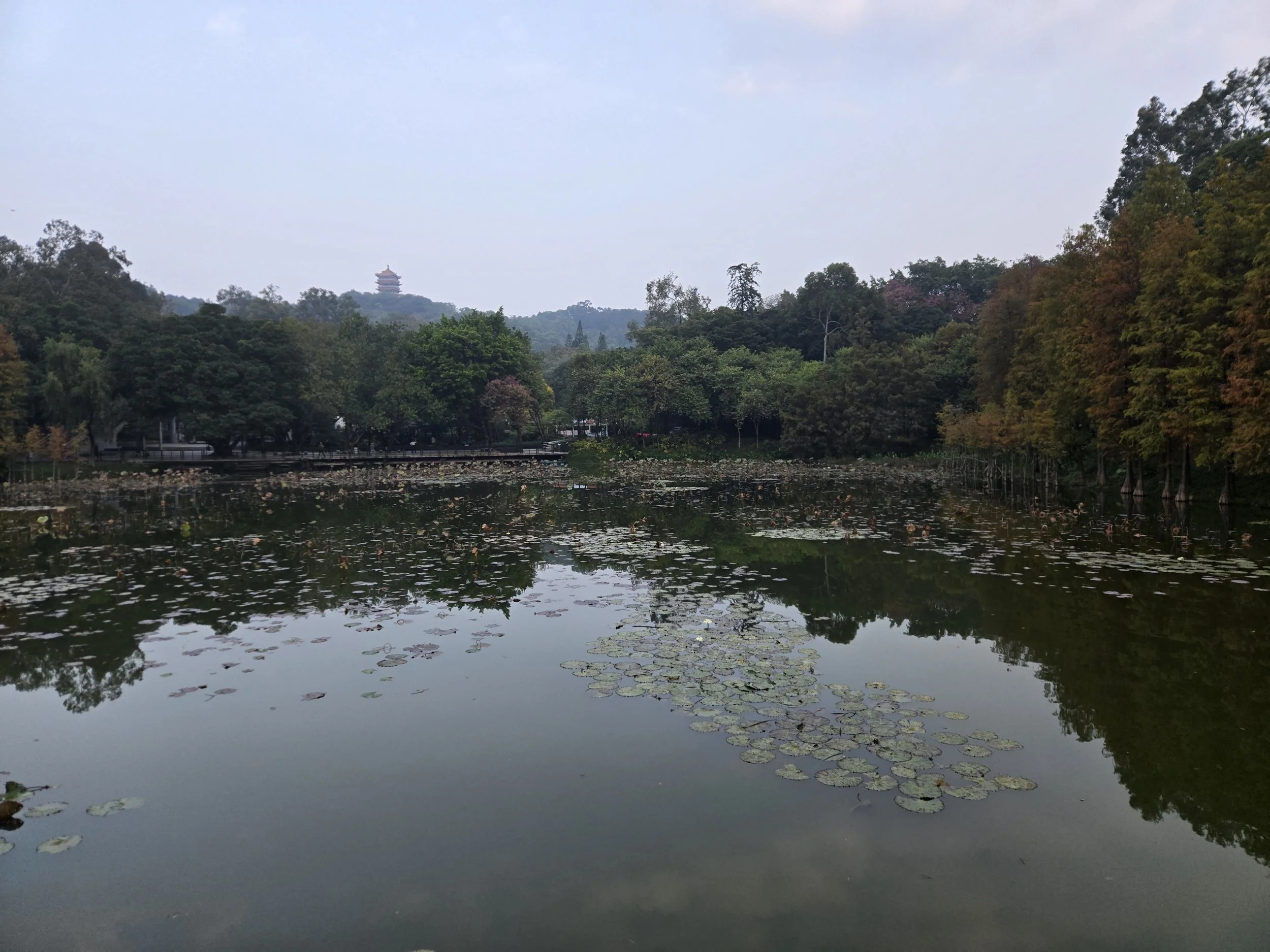
I wanted to walk around the lake at Luhu Park, taking in the autumn colors of the trees and enjoying the fresh air. Although bird activity was minimal here, I must say the walk itself was absolutely worth it. The scenery around the lake was calming, with open views and quiet sections that made the entire 3‑kilometer loop a genuinely enjoyable experience.

Why solo birding?
“A late sunrise, the calm of nature, a gentle morning breeze, and the soothing sound of birdsong—these simple moments wash away stress and bring pure tranquility. Give it a try sometime.”
Birds in Luhu Park were few and was able to get these only.
White Wagtail
Little Grebe
Eurasian Moorhen
Chinese Pond‑Heron
Spotted Dove
Jufang Park: Where the Action Began
The moment I entered Jufang Park, everything changed. Bird activity picked up instantly—there were birds everywhere, often moving and foraging in groups. This park truly felt alive, especially compared to the quieter sections of Luhu.
Here, I recorded the following species:
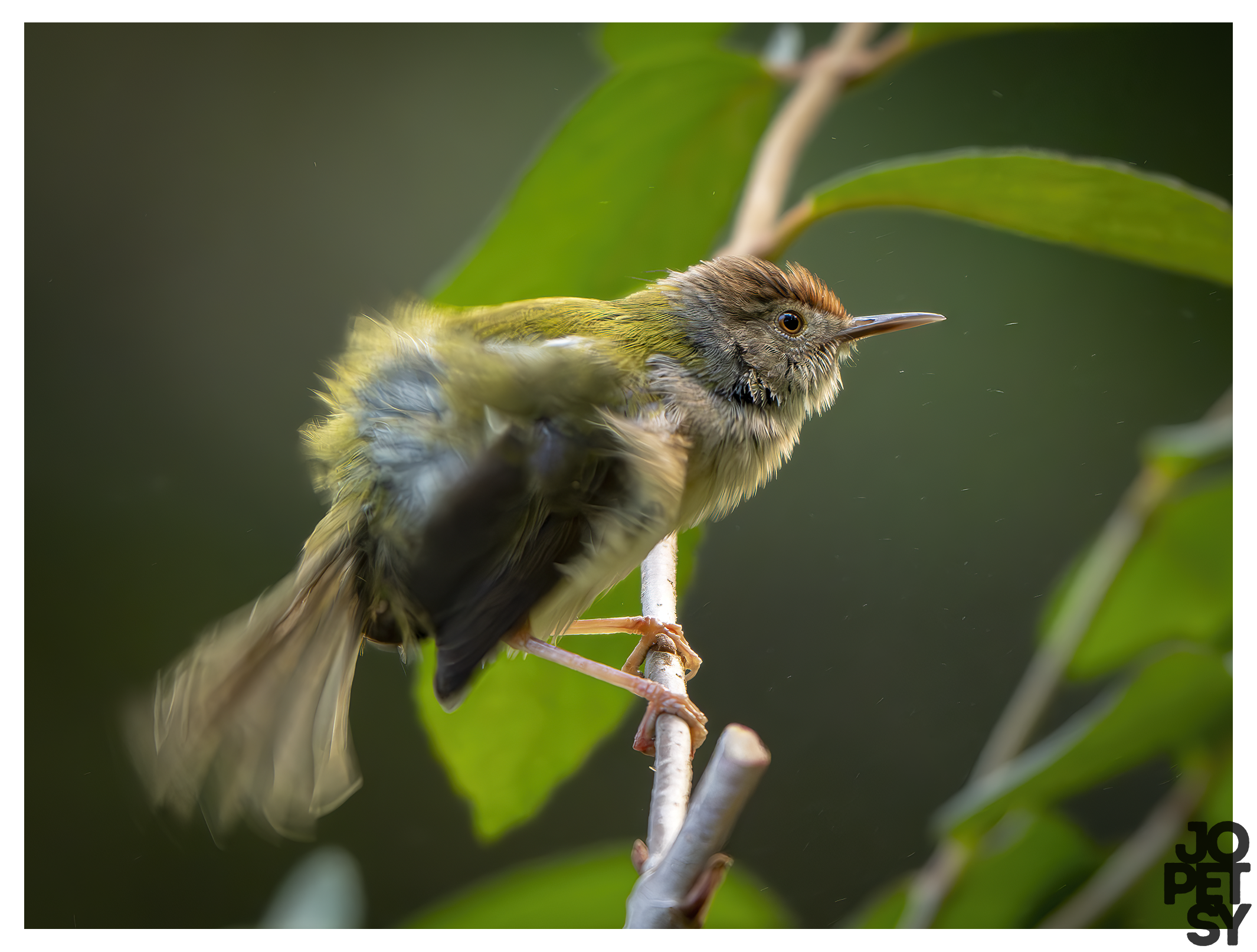
Common Tailorbird (B2-CTB-36)
Red‑billed Blue‑Magpie
Oriental Magpie
Common Tailorbird
Light‑vented Bulbul
Red‑whiskered Bulbul
Swinhoe’s White‑eye
Masked Laughingthrush
Chinese Blackbird
Blue Whistling‑Thrush
Fork‑tailed Sunbird
Chinese Pond Heron
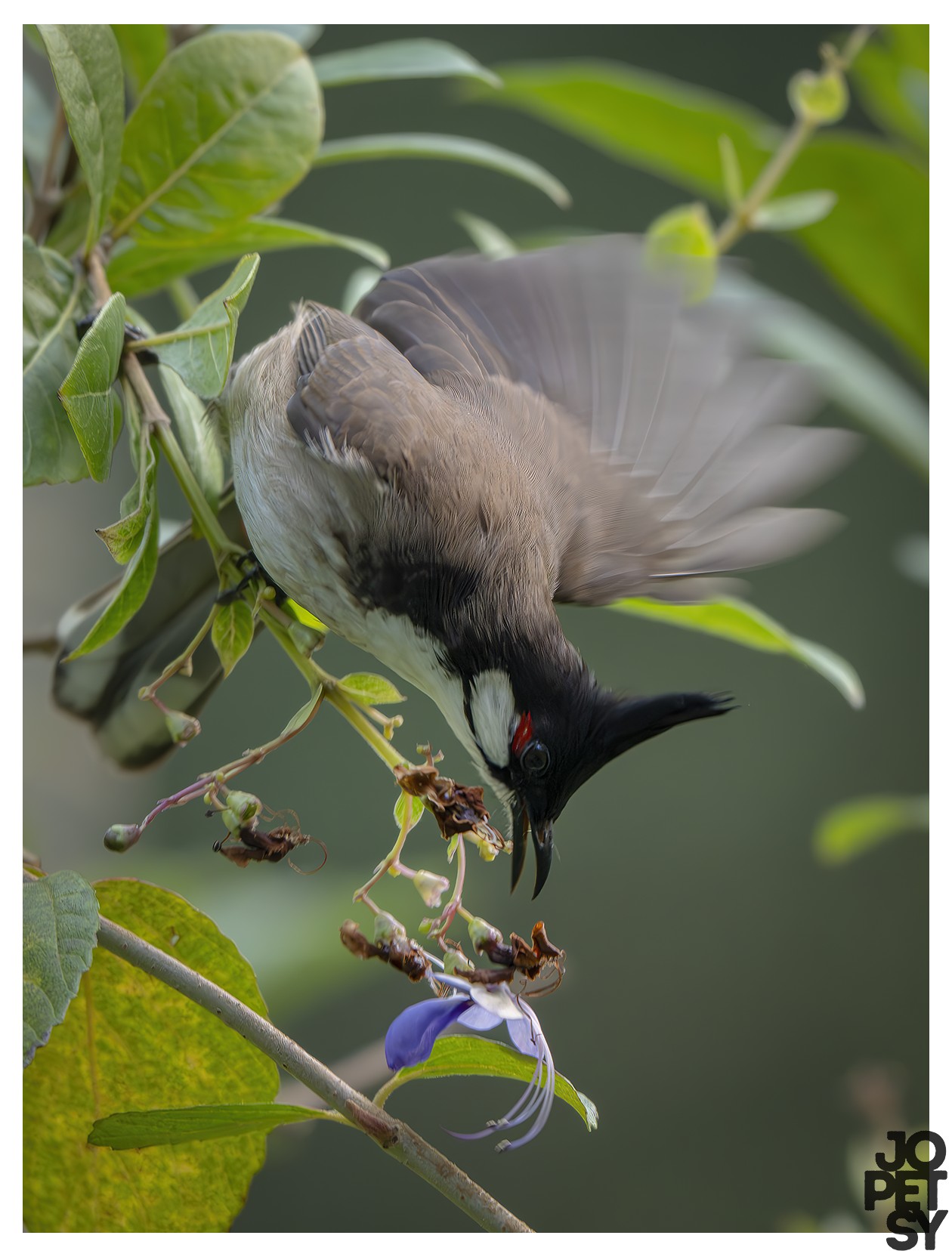
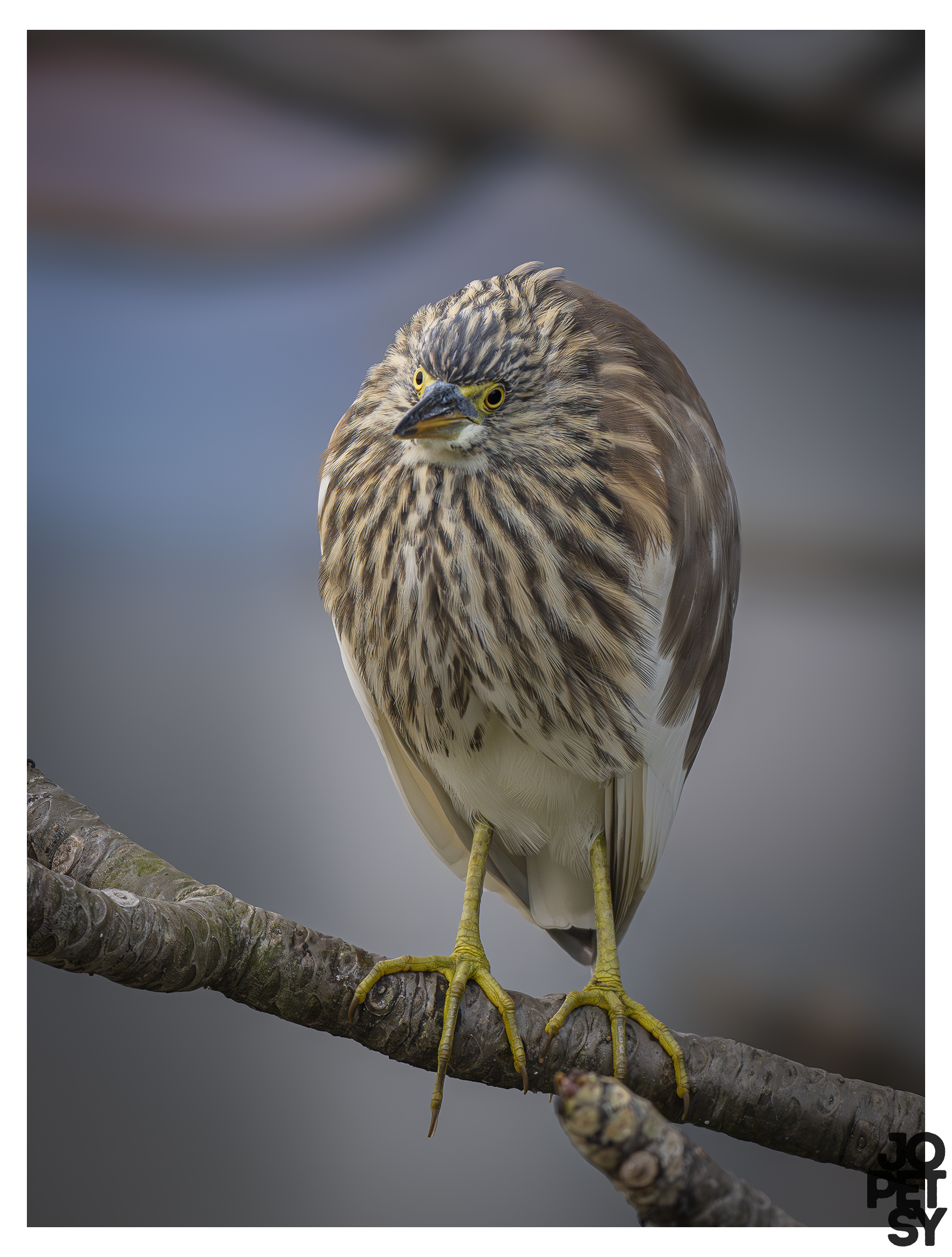
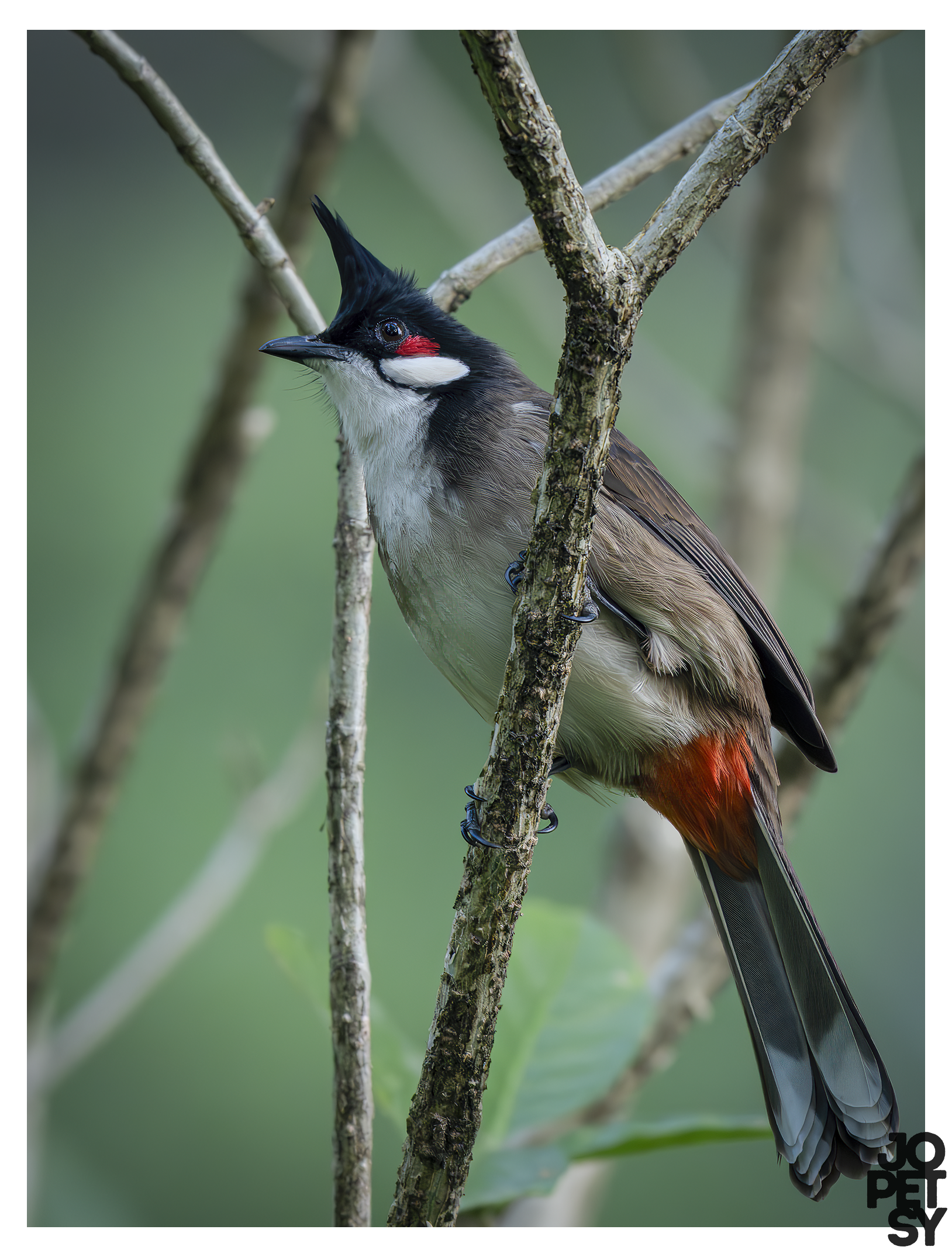
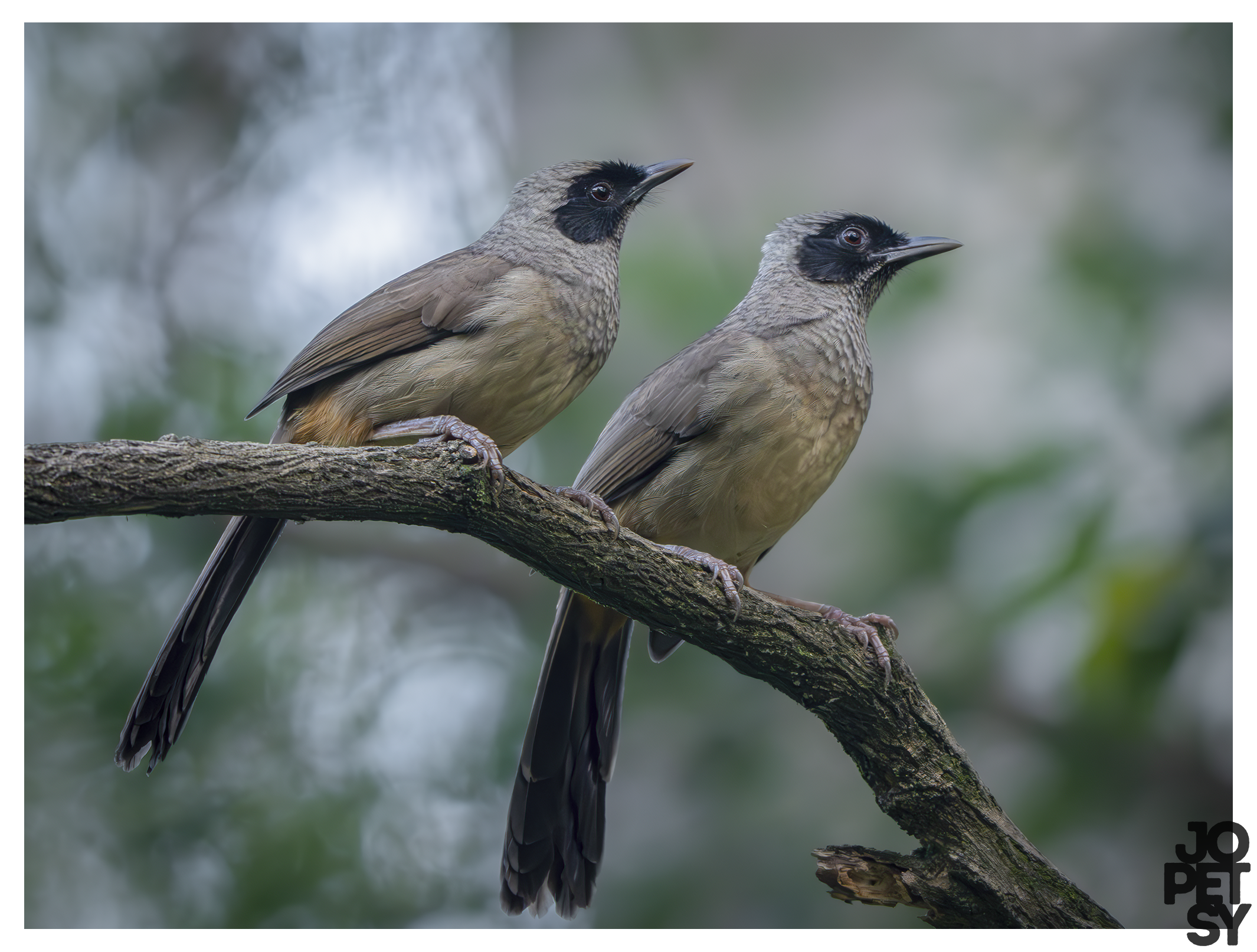
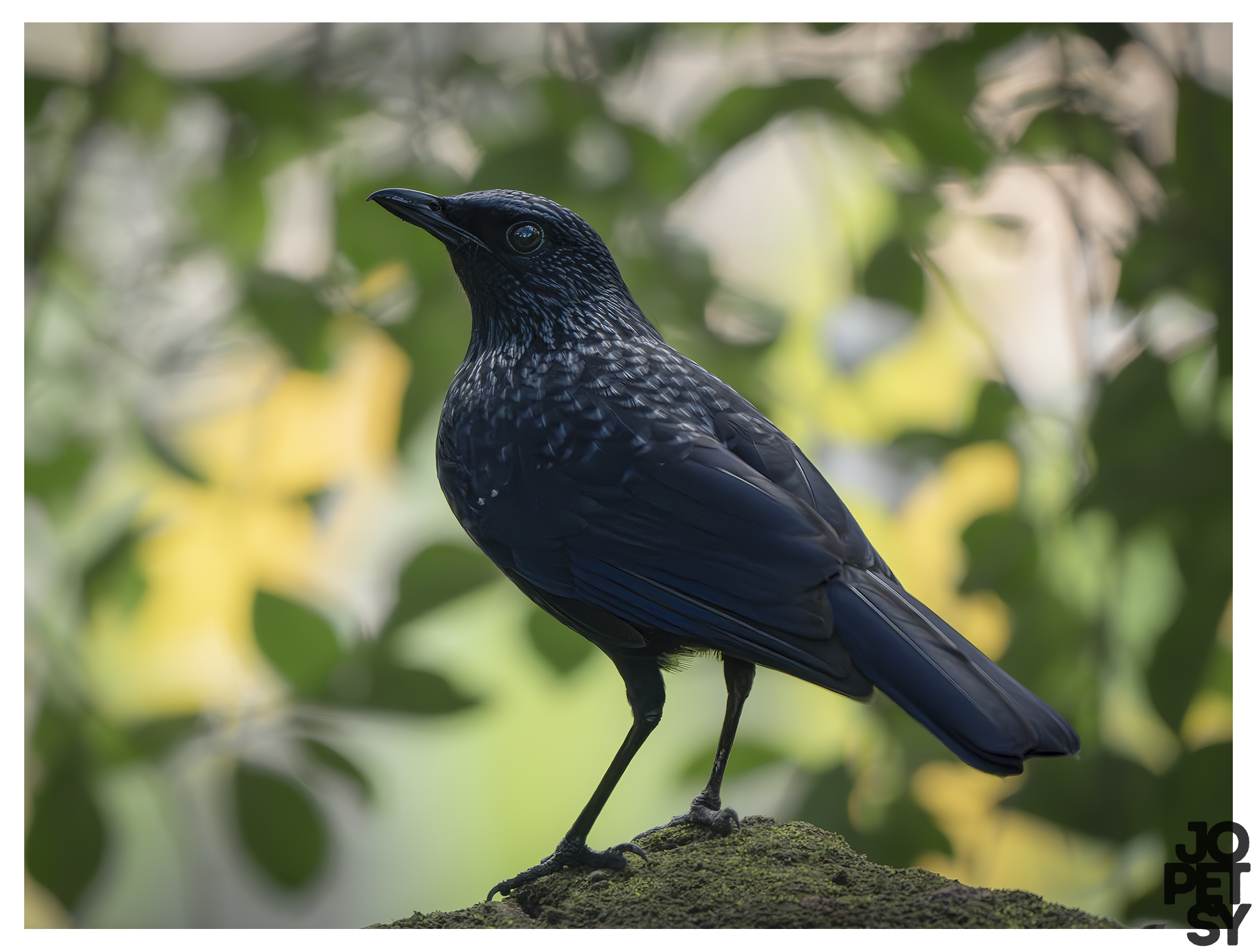
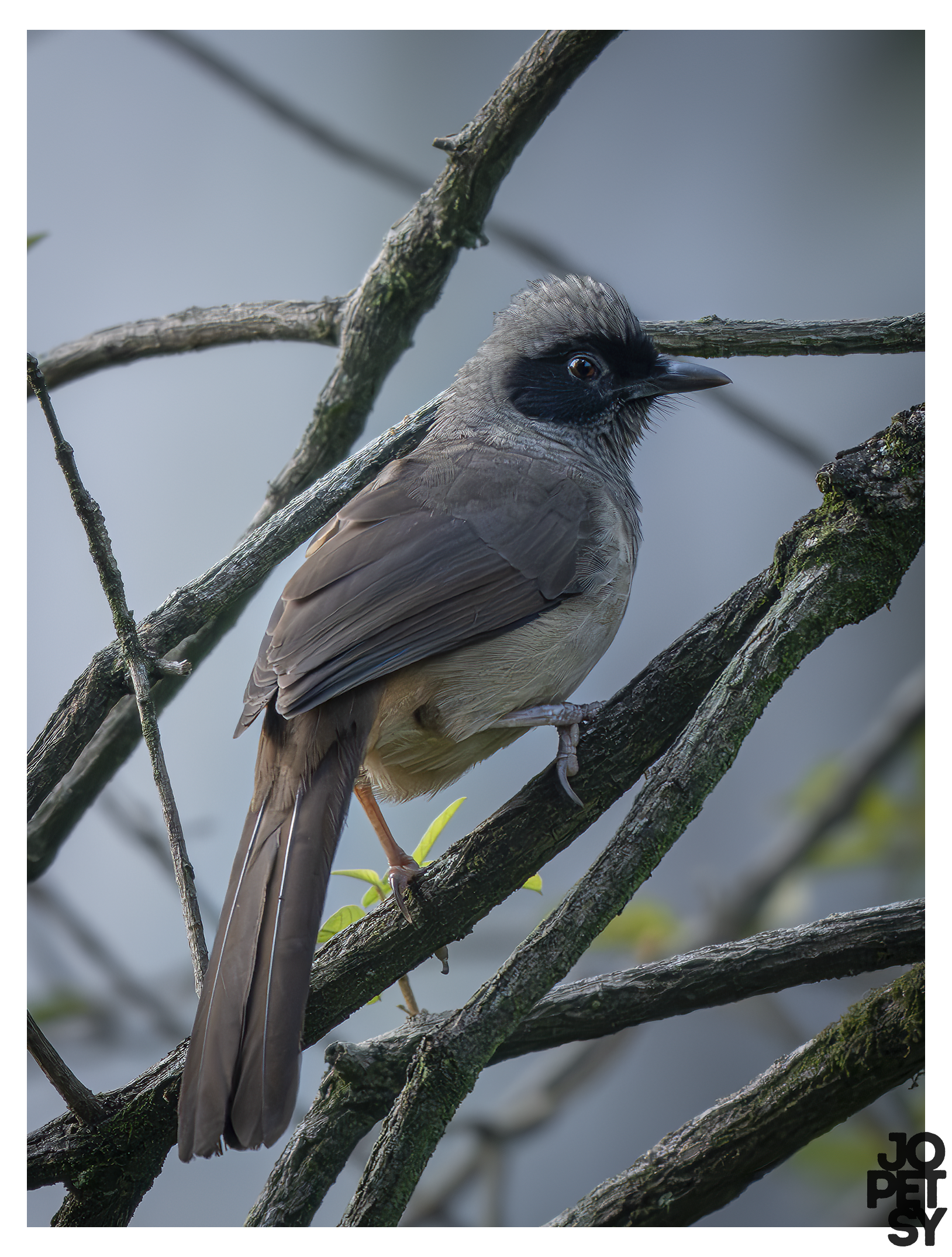
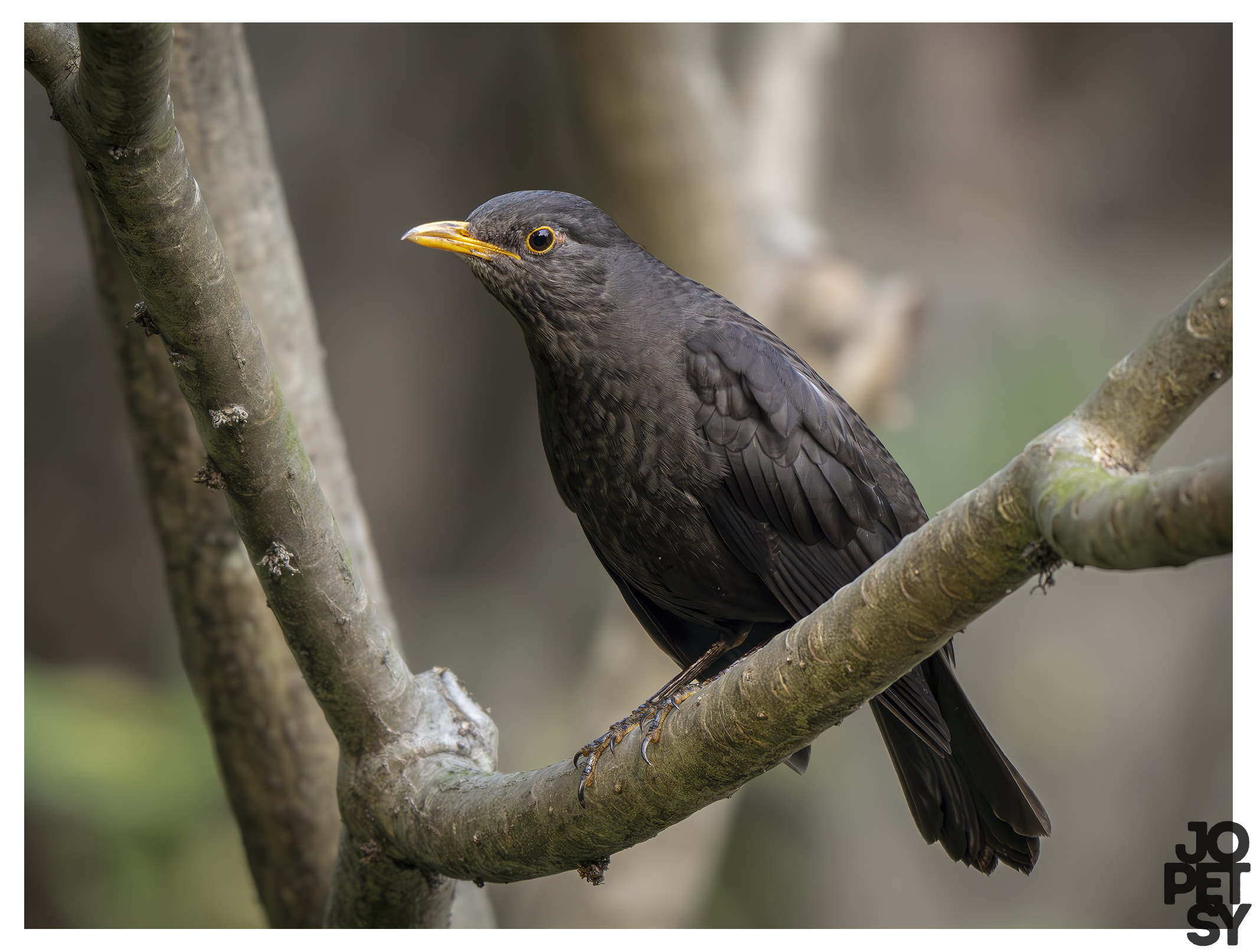
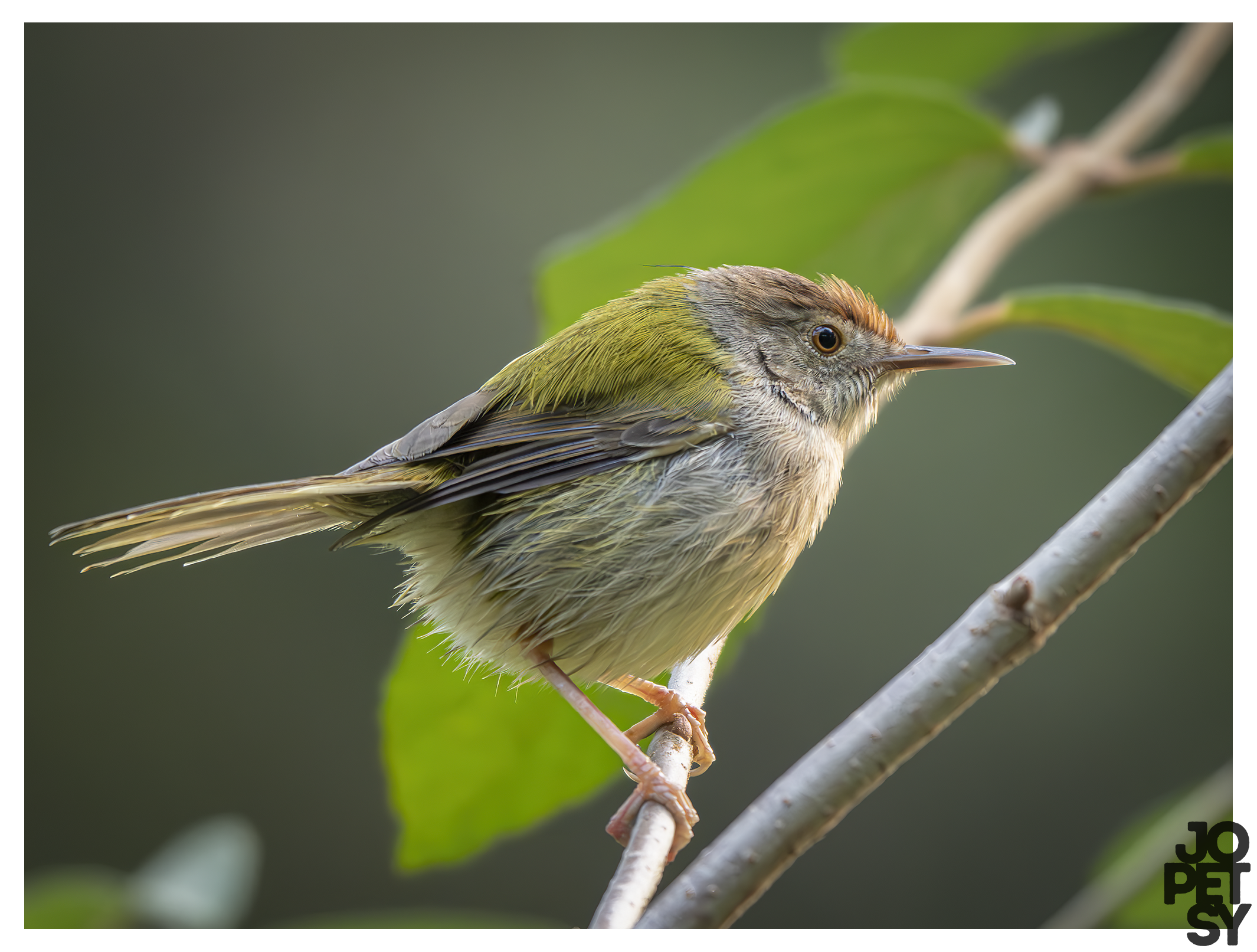
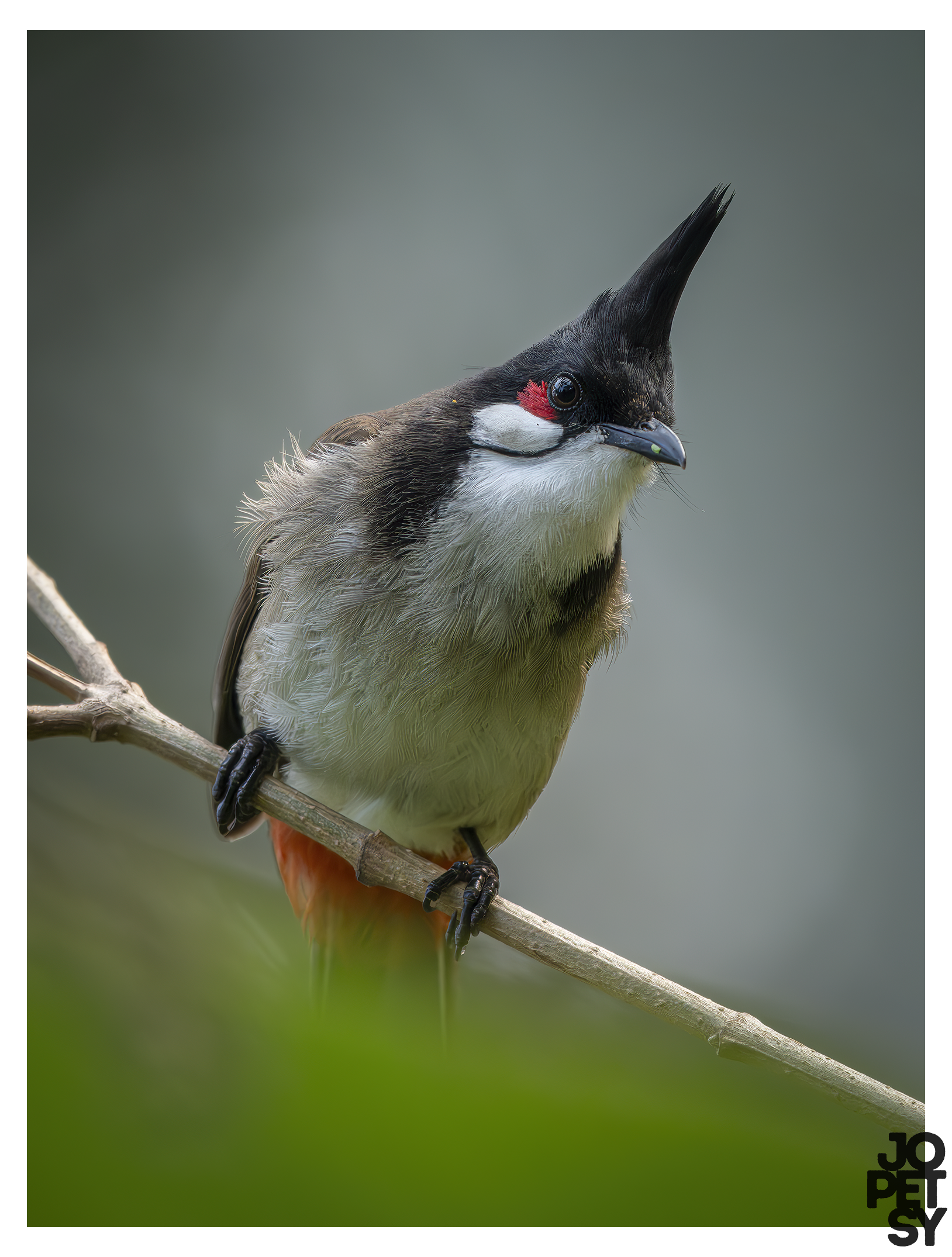
All photos taken with a Sony ⍺1ii + Sony FE 400–800mm f/6.3–8
Toward Guangzhou Sculpture Park
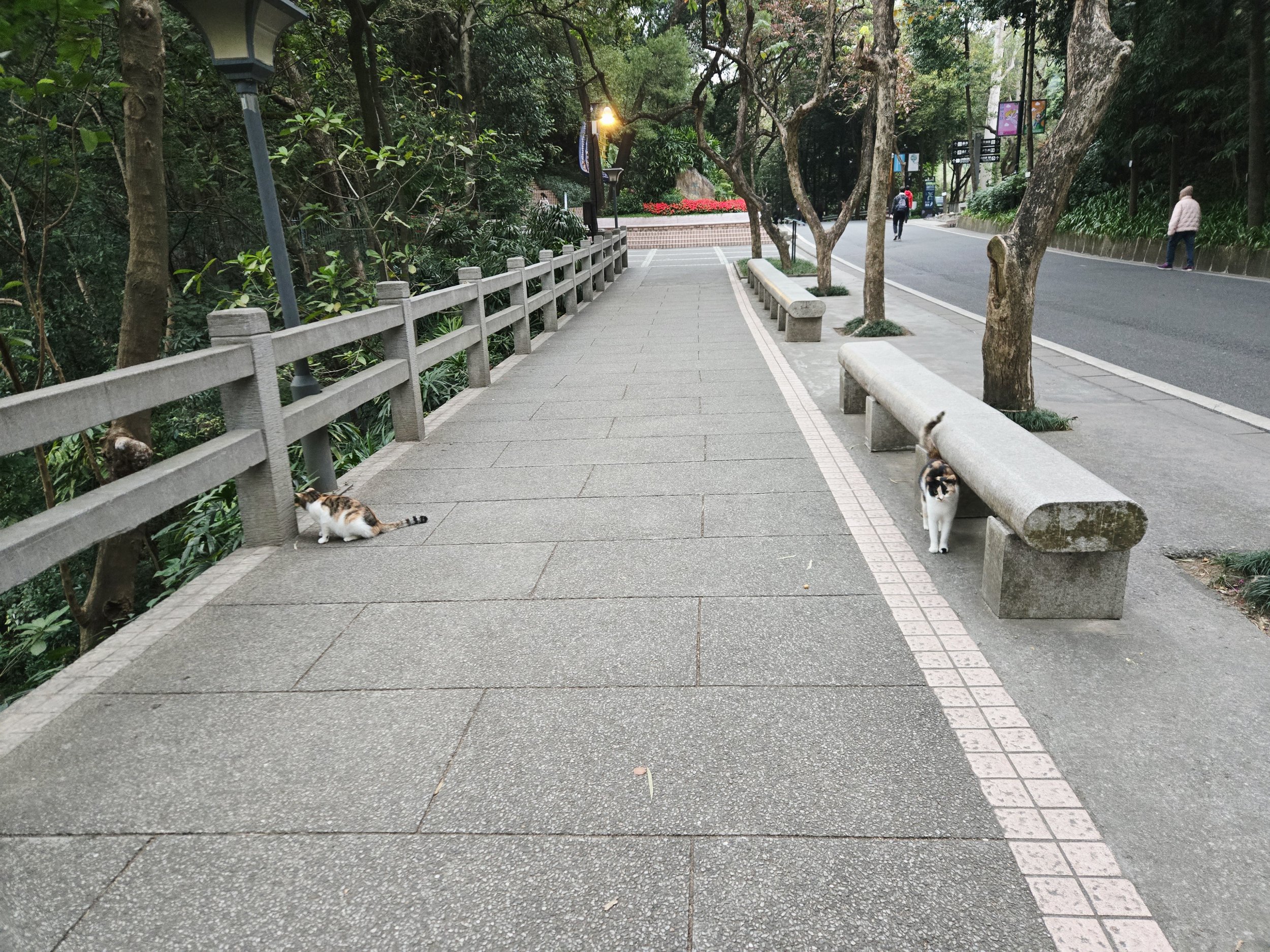
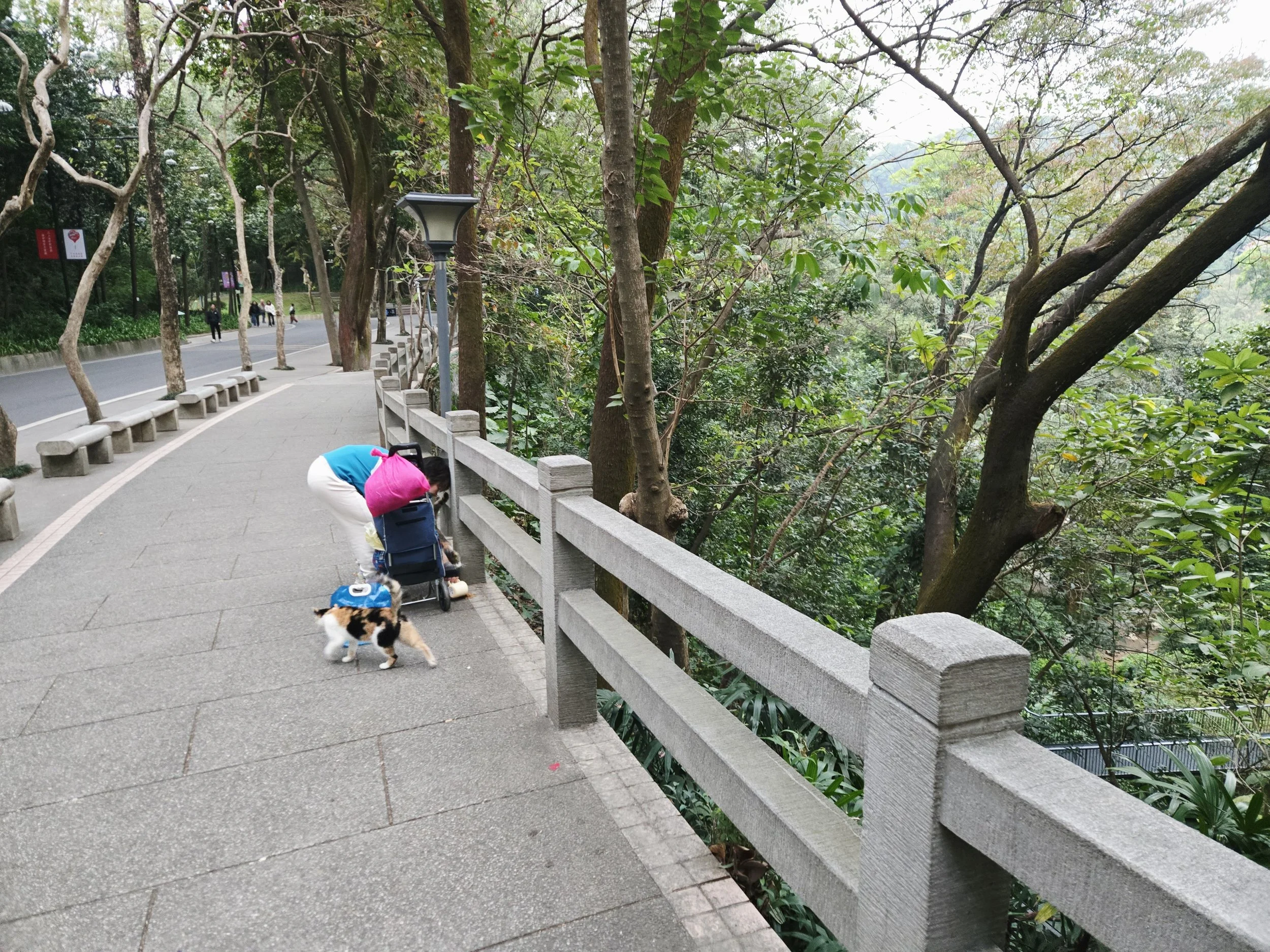
Continuing my walk toward Guangzhou Sculpture Park, I was genuinely amazed by the pathway design. The combination of canopy walks and well‑planned clear paths made movement through the parks effortless. Accessibility was clearly a priority here, allowing visitors of all kinds to enjoy the entire green corridor with ease.
It wasn’t just convenient—it was thoughtfully designed and truly impressive.
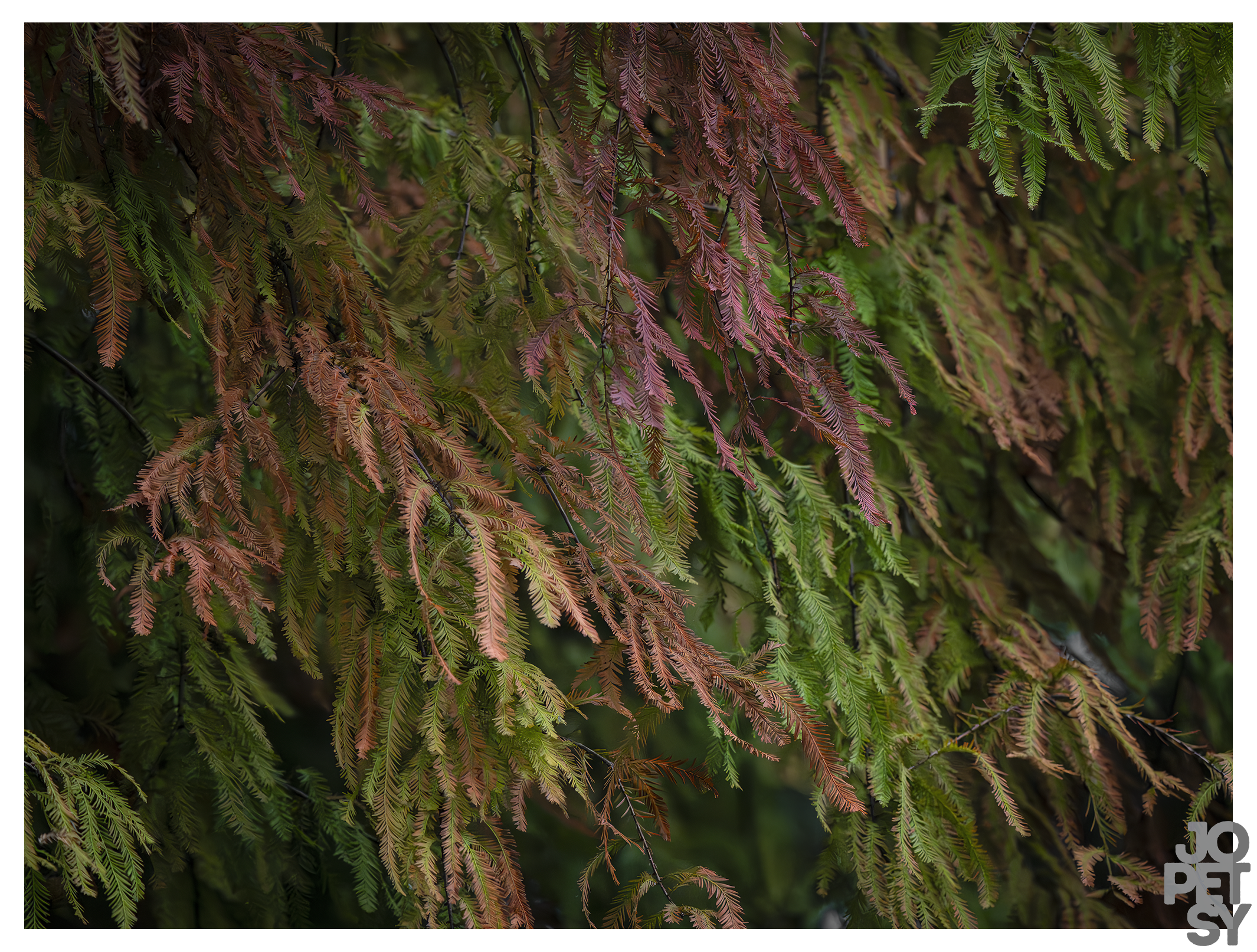
This is my present wallpaper taken at Luhu Park, in case you want to download, please comment down below so I can send you a high resolution for your laptop or desktop.
YUEXIU PARK

THE FINALE, YUEXIU PARK
The nearest park to the hotel.
A 200-250m elevation gain.
In the heart of the city.
An Early Start in the Chill
It was my last day of birding in Guangzhou, and I wanted to make the most of it. The weather was colder than usual—around 11°C—so I woke up earlier than planned. The walk from the hotel to the park was short, just 800 meters, but the chill made it feel longer. Traveling light, I skipped the jacket; that’s part of the adventure!
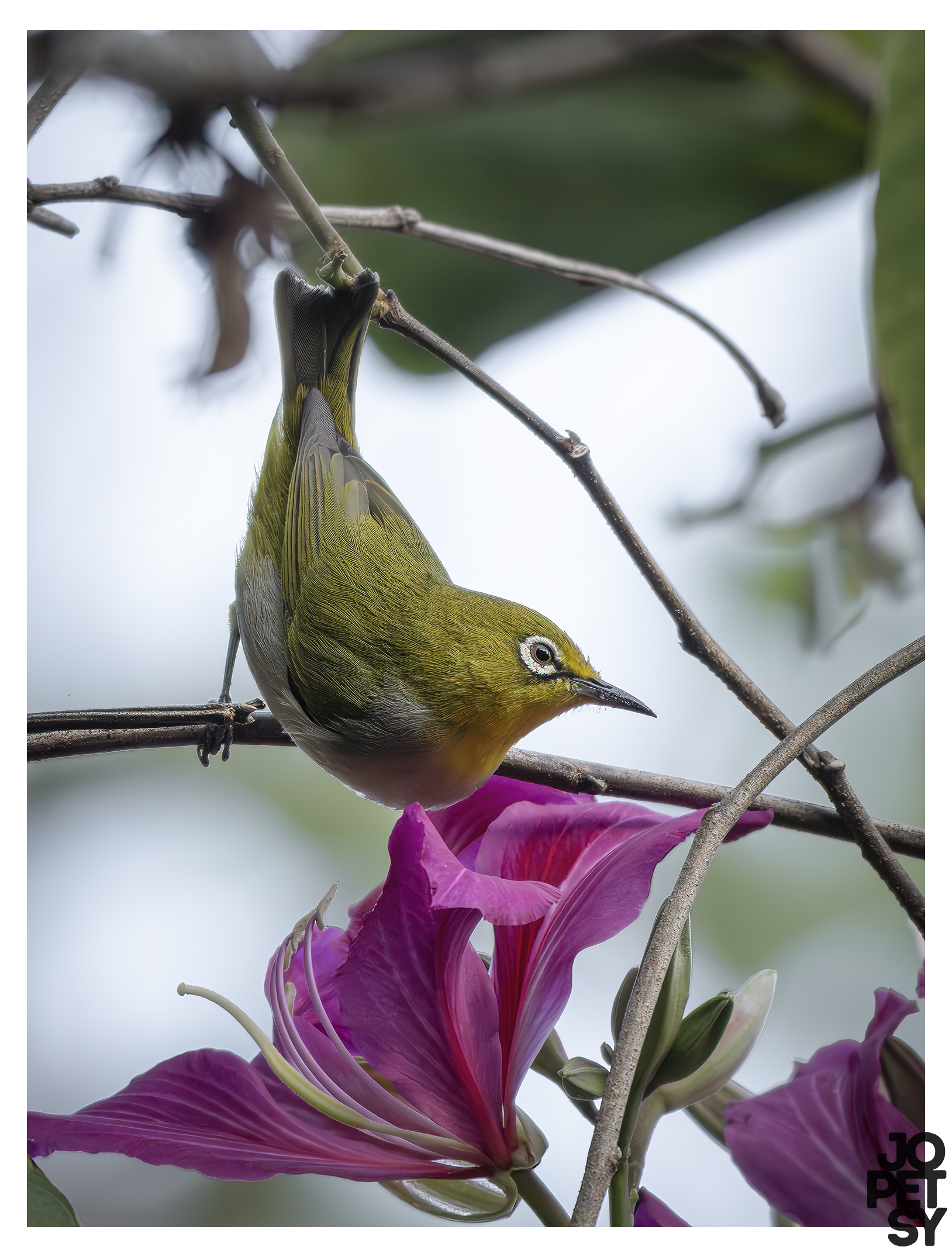
Swinhoe’s white-Eye (B2-SWE-37)
Quiet Beginnings
I arrived at the park while it was still dark, though it was already 6:50 AM. The place was serene, with a canopy walk surrounding the lake and a bridgeway leading to the island. I decided to head uphill first, where silence ruled the trails. Along the way, I spotted the usual Laughingthrush and Blackbirds.
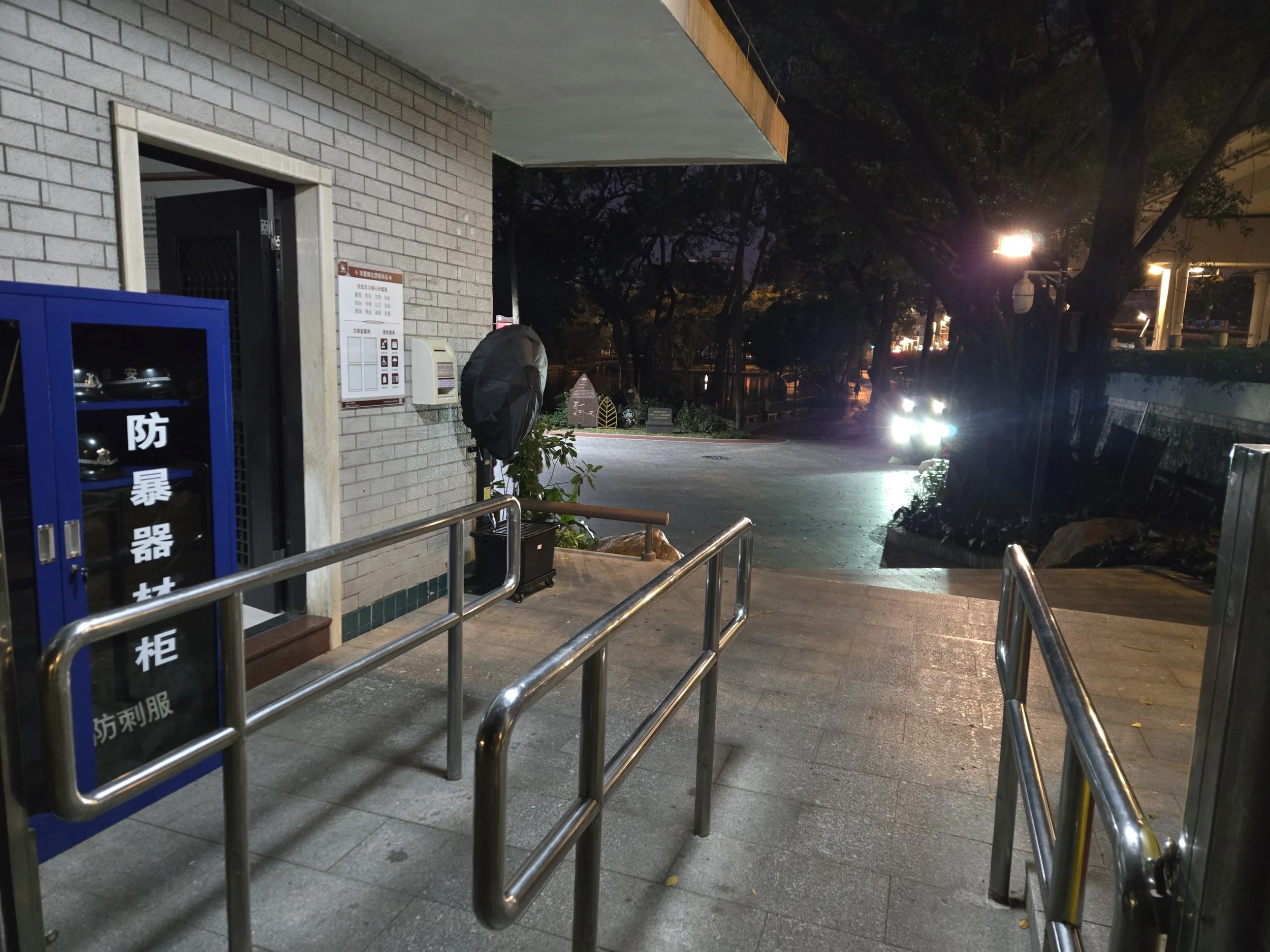
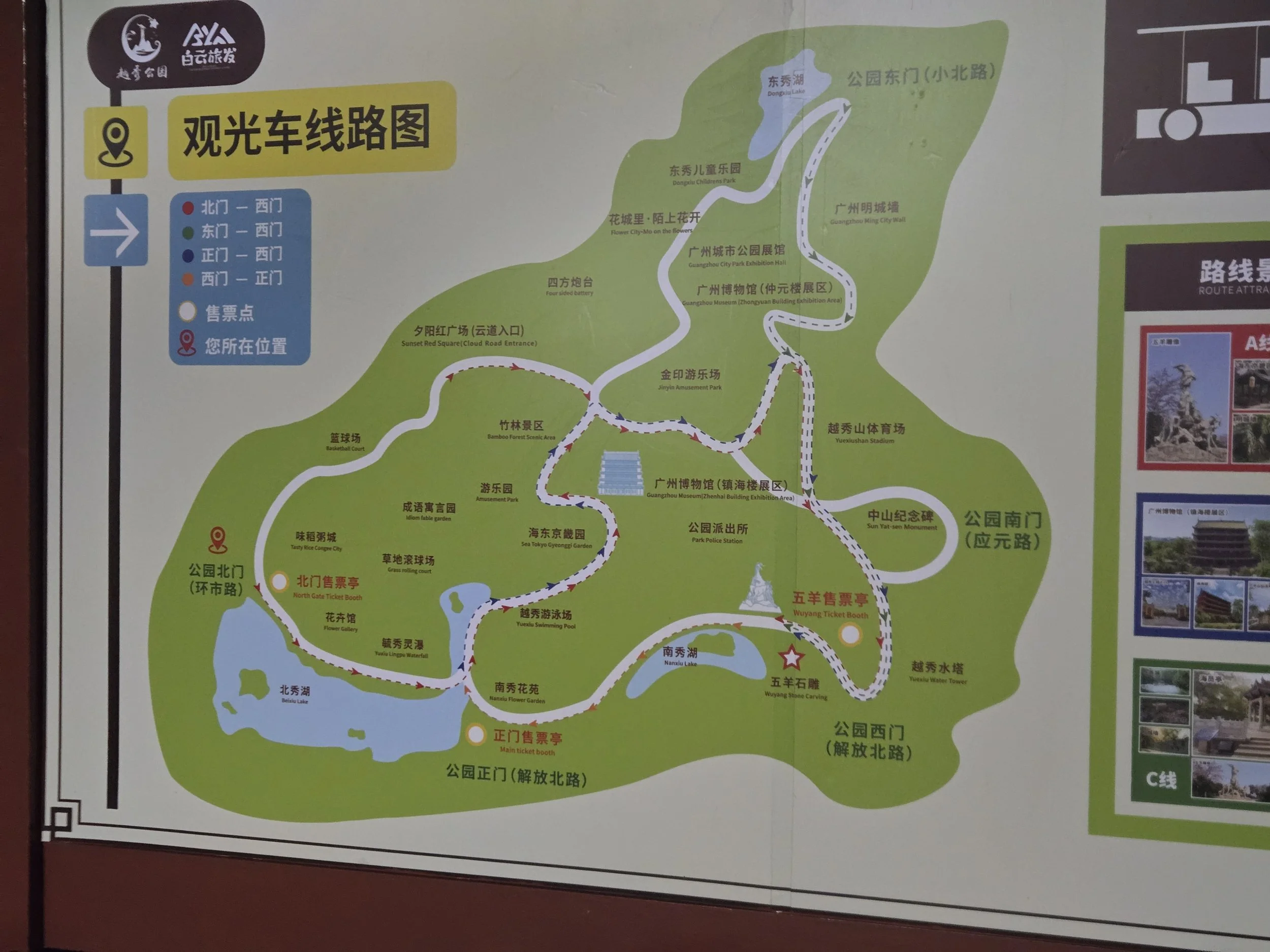
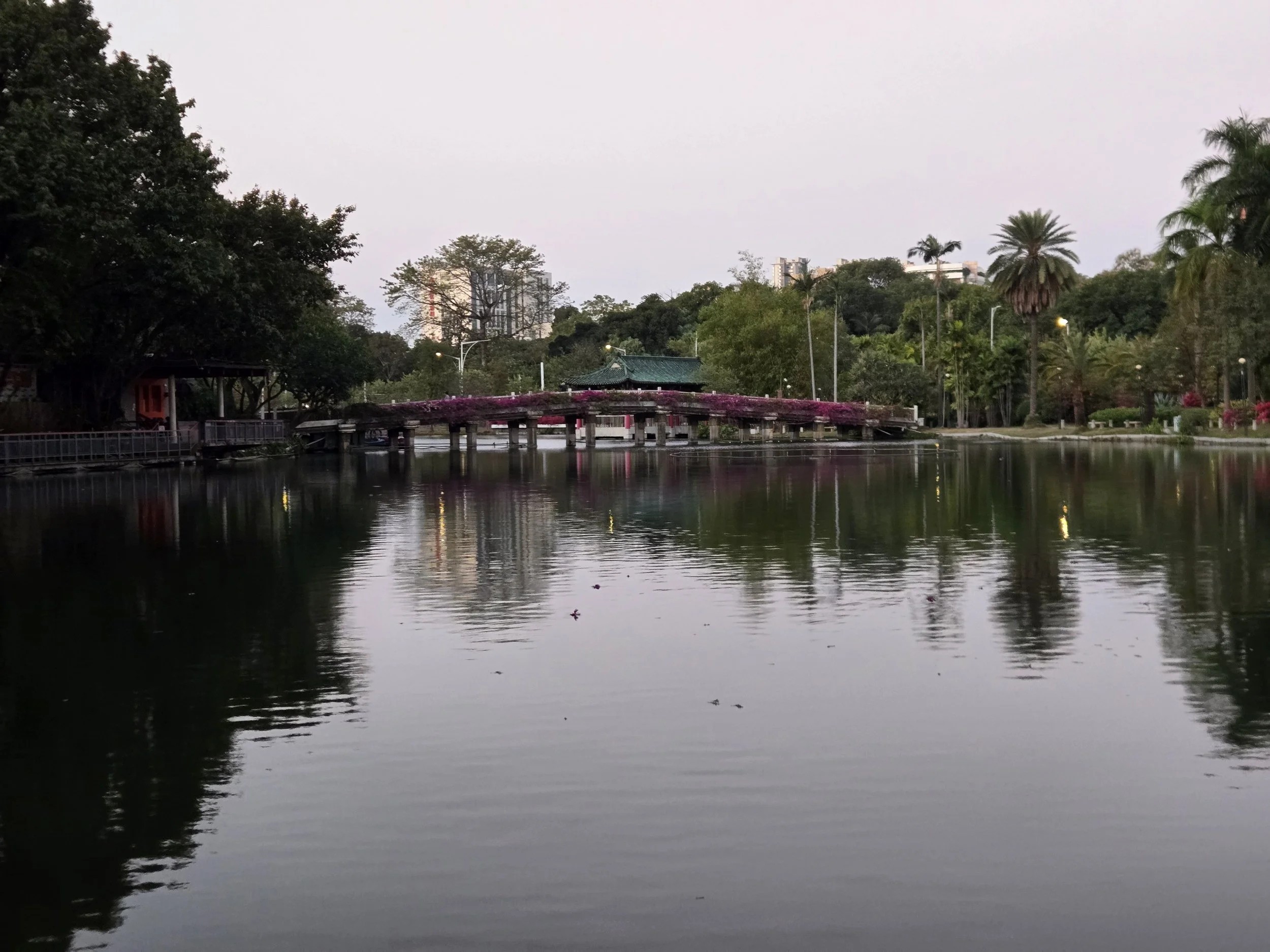
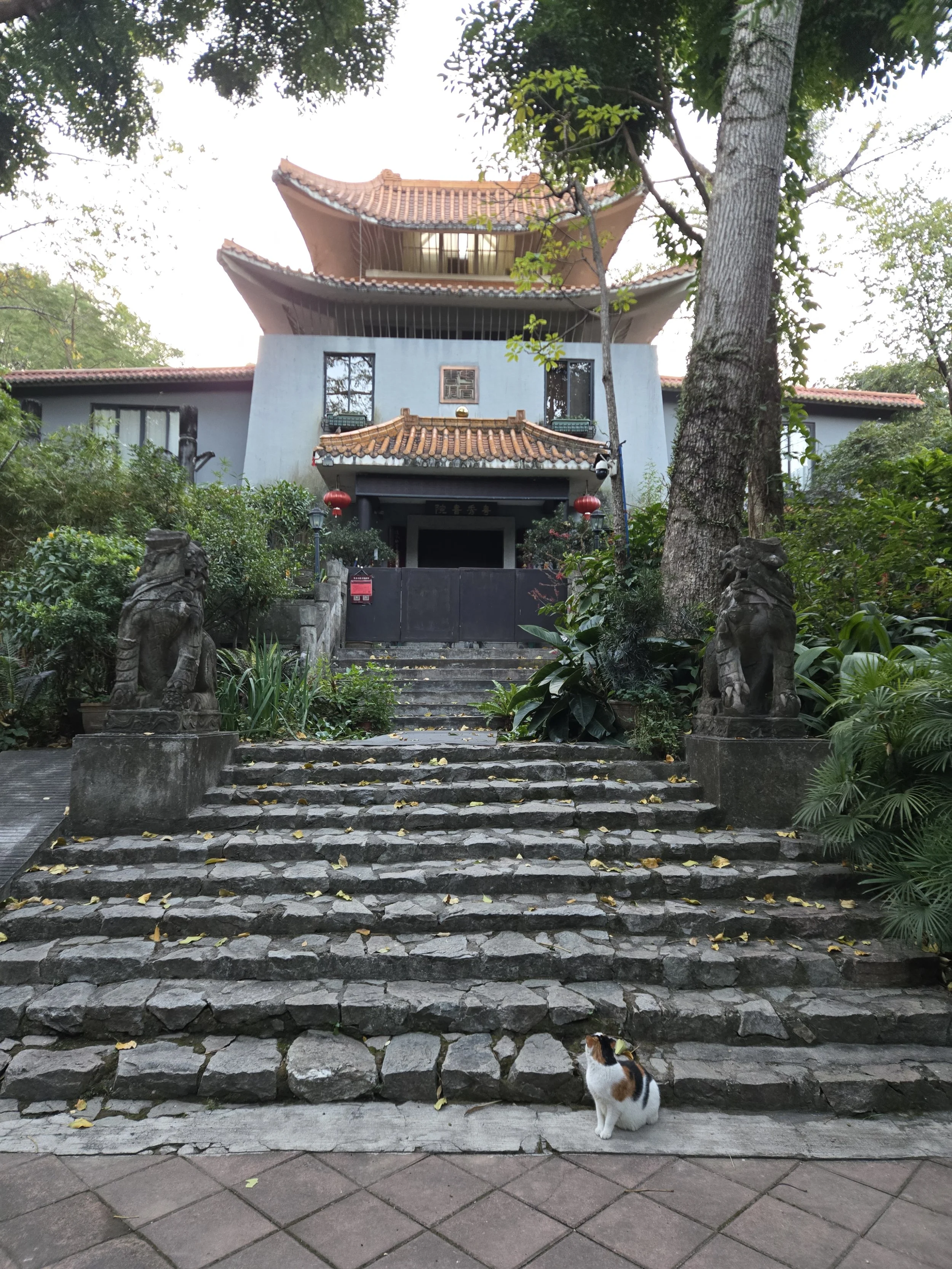
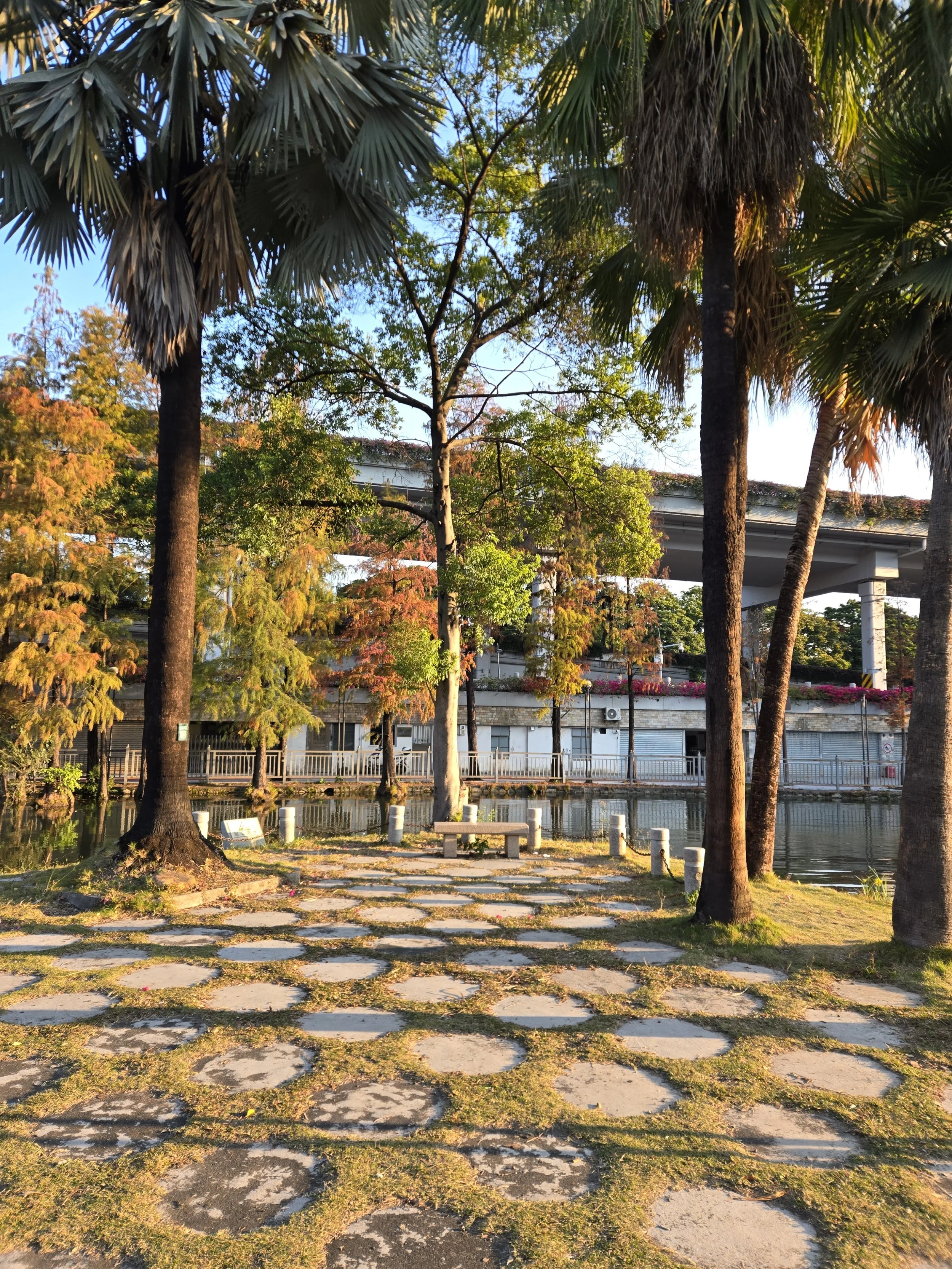
After a 1.5 km uphill trek, I found a trail and chose to descend toward the main entrance. Here, I encountered several Swinhoe’s White-eyes and Red-whiskered Bulbuls—a delightful sight for any birder rather than zero.
Island Adventure
My goal was to reach the island as the sun began warming the area, knowing that bird activity would pick up—and I was right. On the island, I observed an incredible lineup:
White-throated Kingfisher
Light-vented Bulbul
Oriental Turtle Dove
Chinese Pond-Heron
Black-crowned Night Heron
Little Grebe
Common Tailorbird
Red-whiskered Bulbul
Swinhoe’s white-Eye
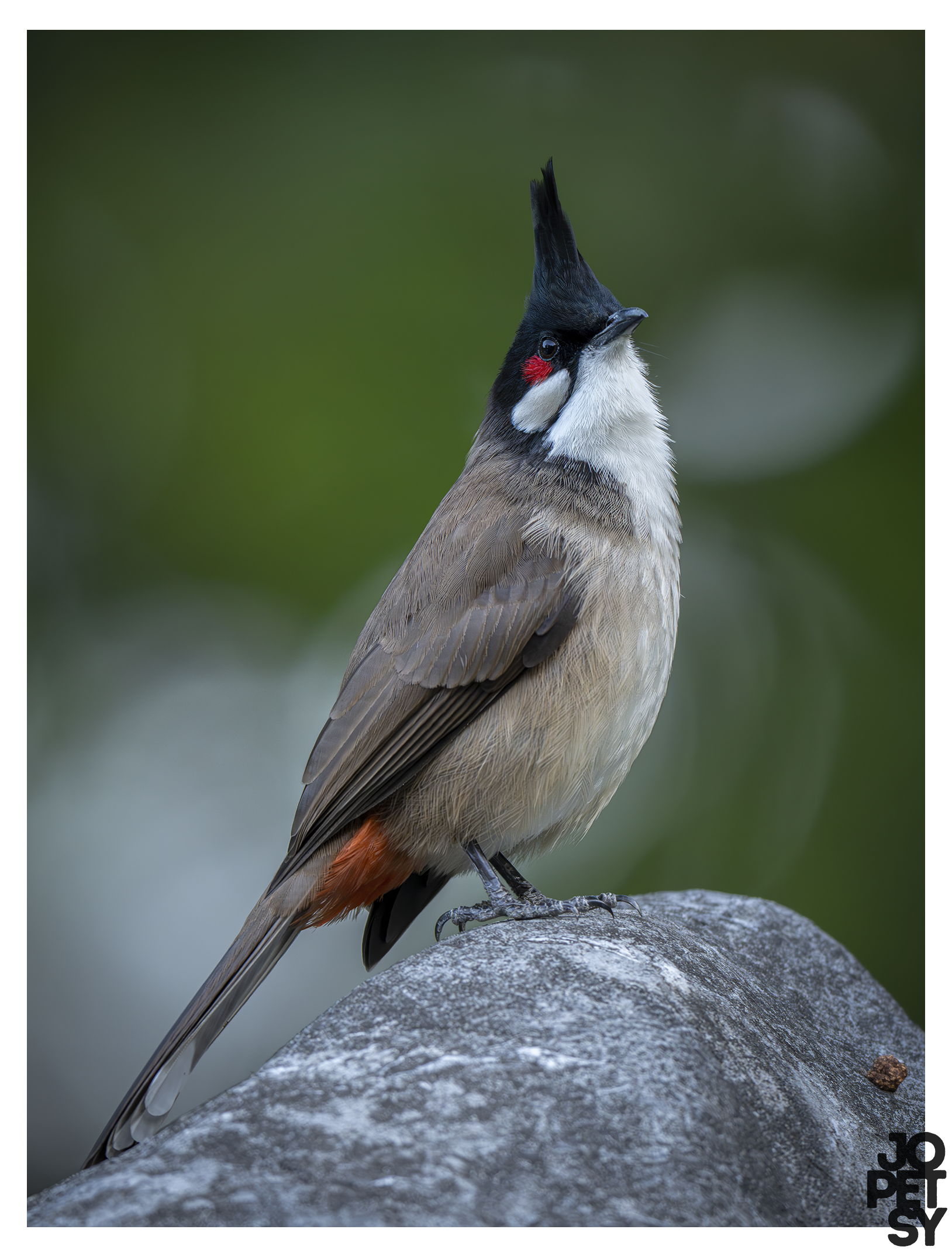
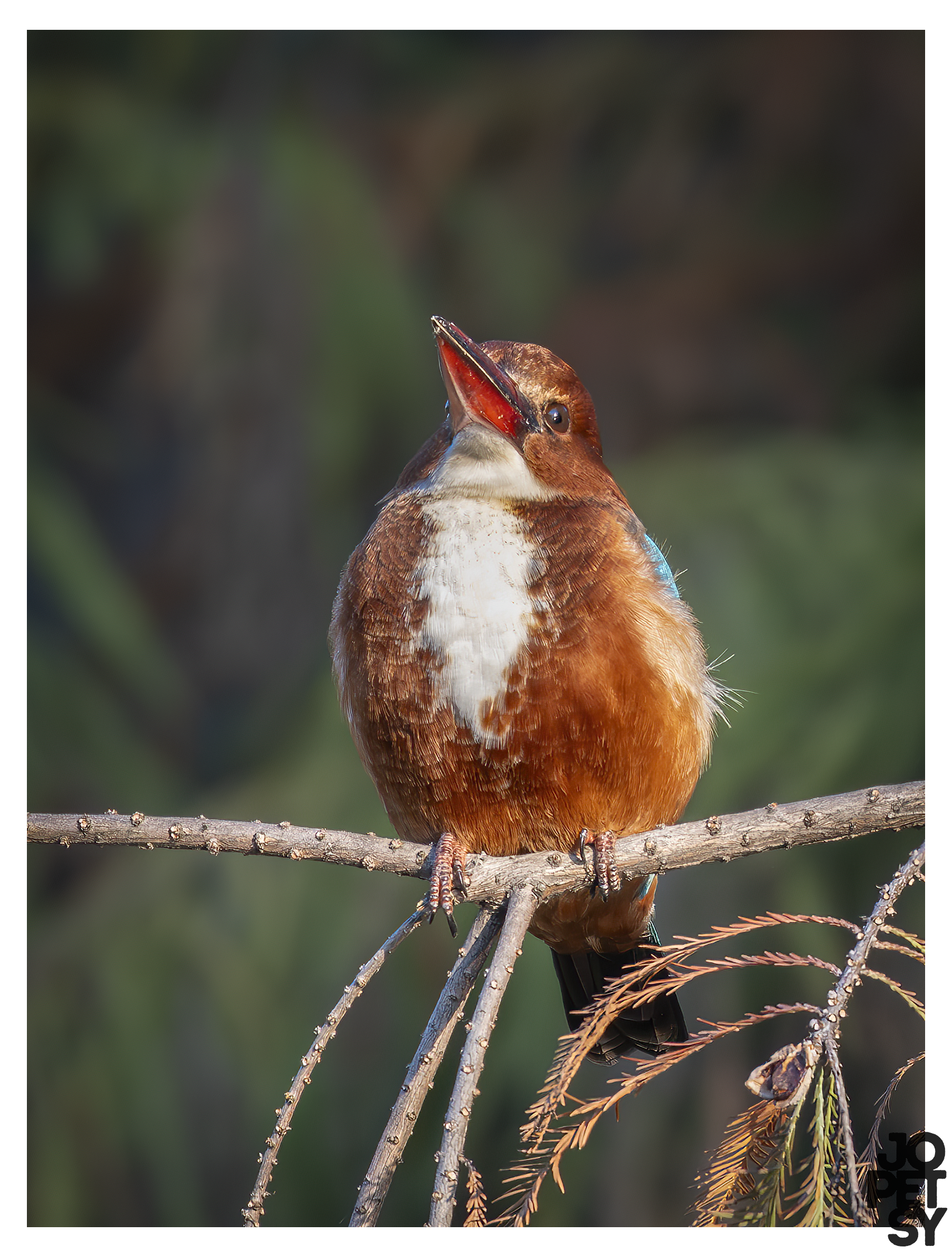
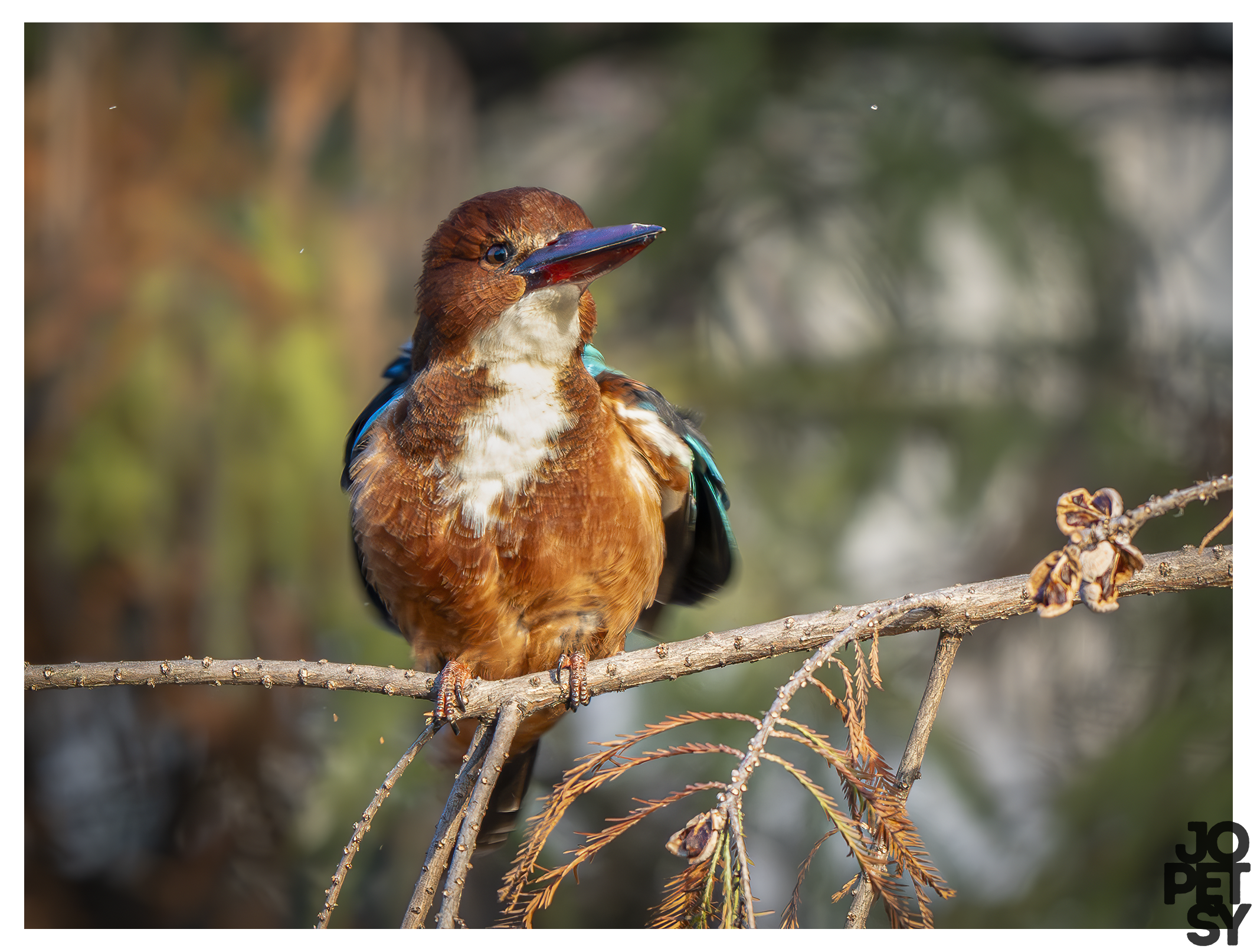
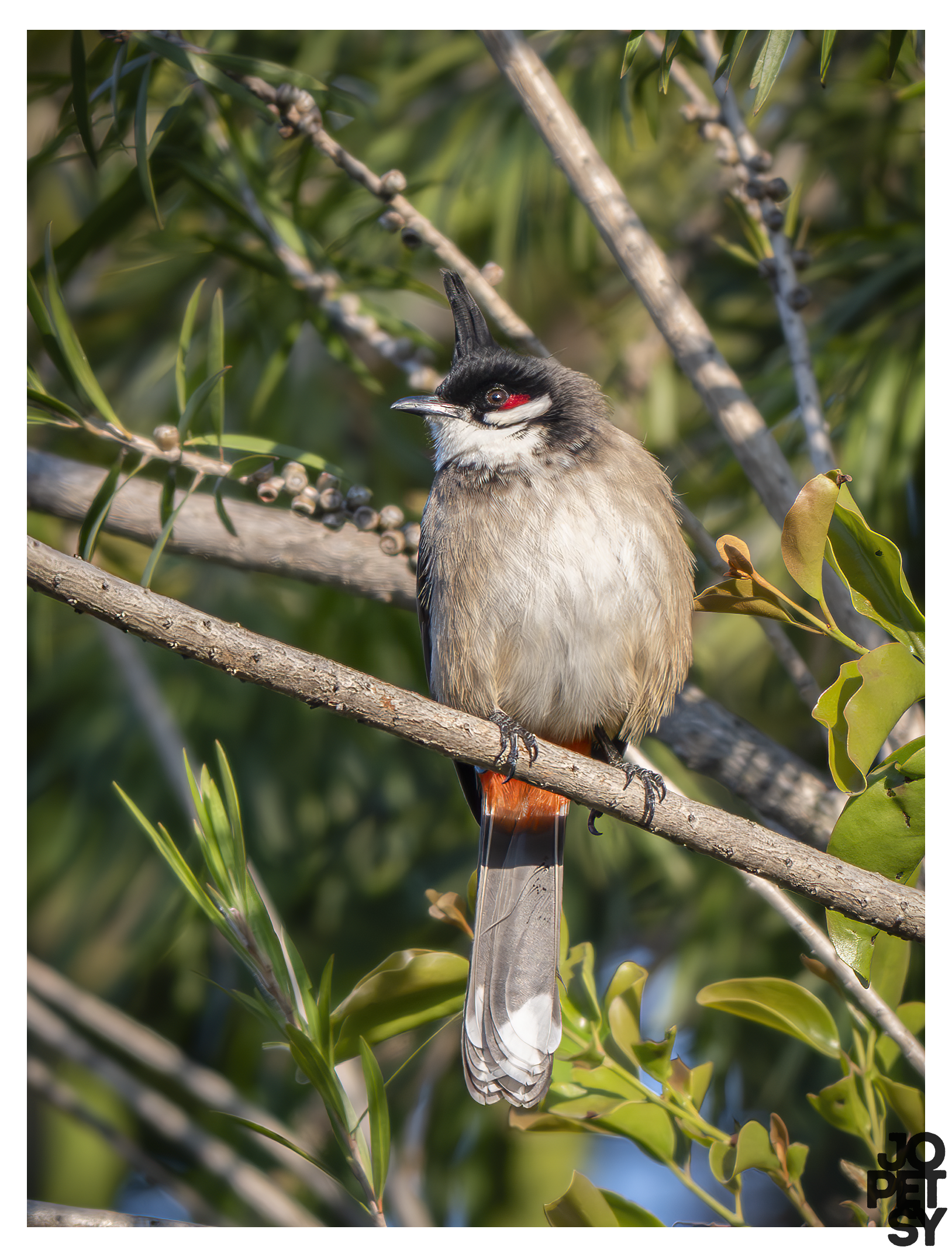
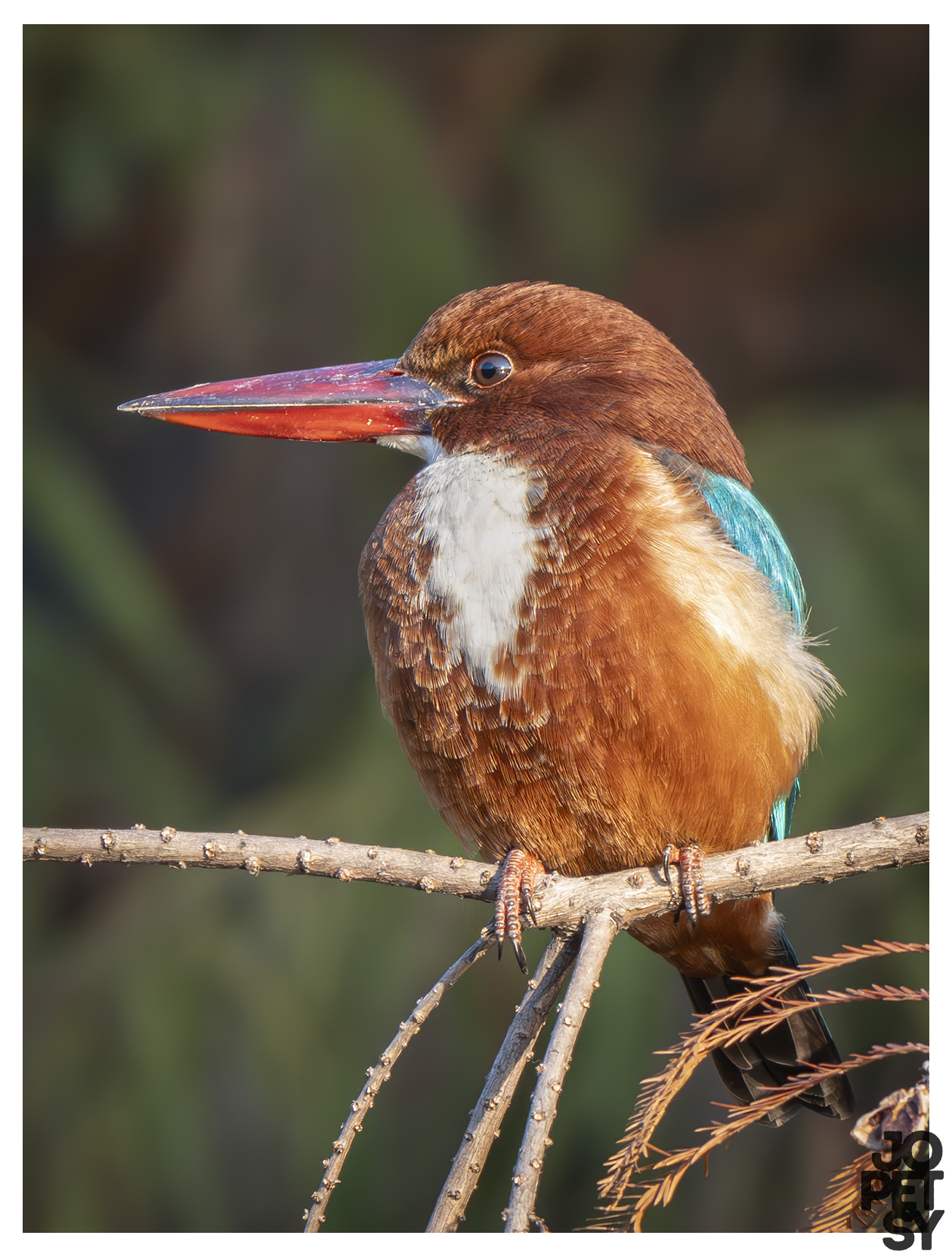
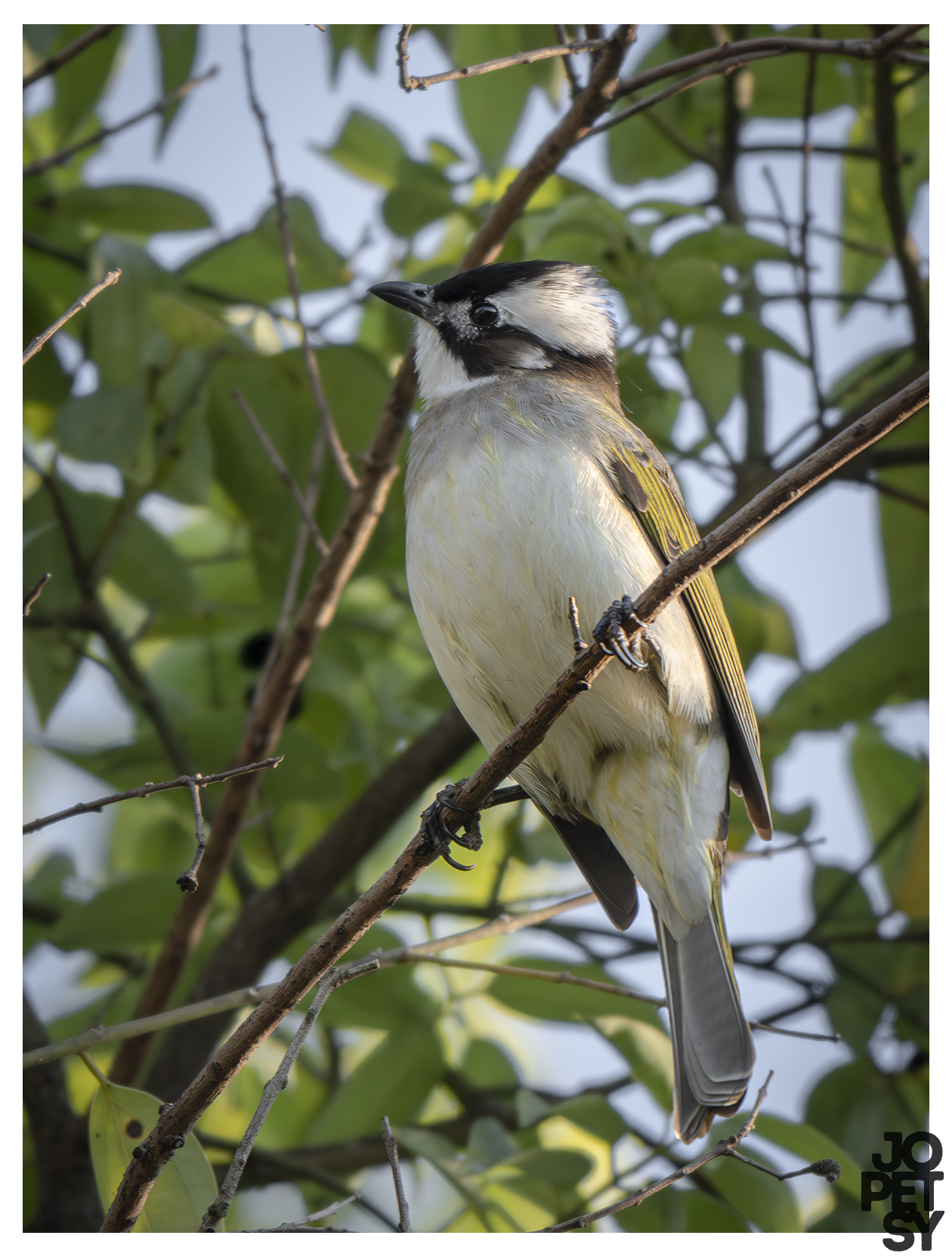
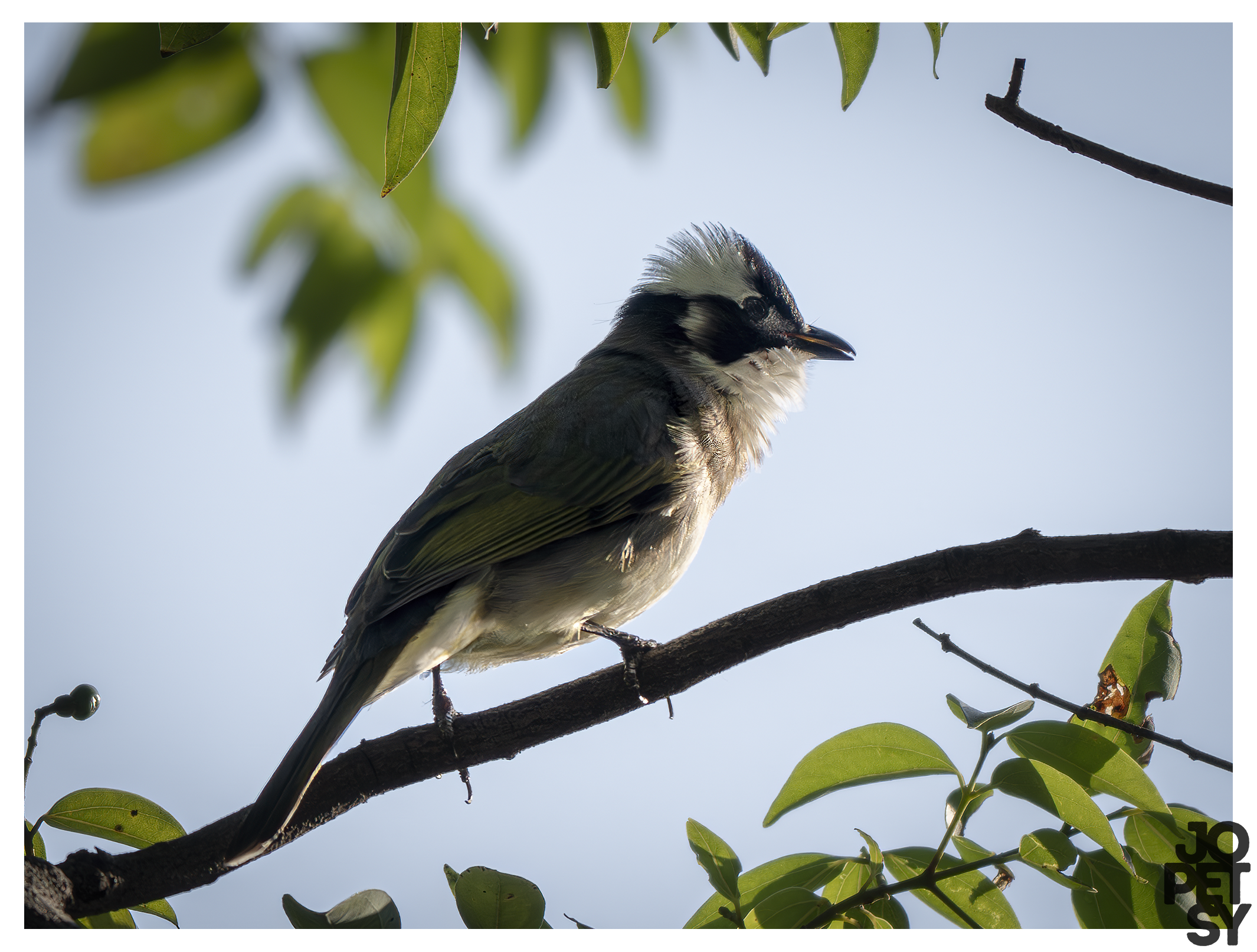
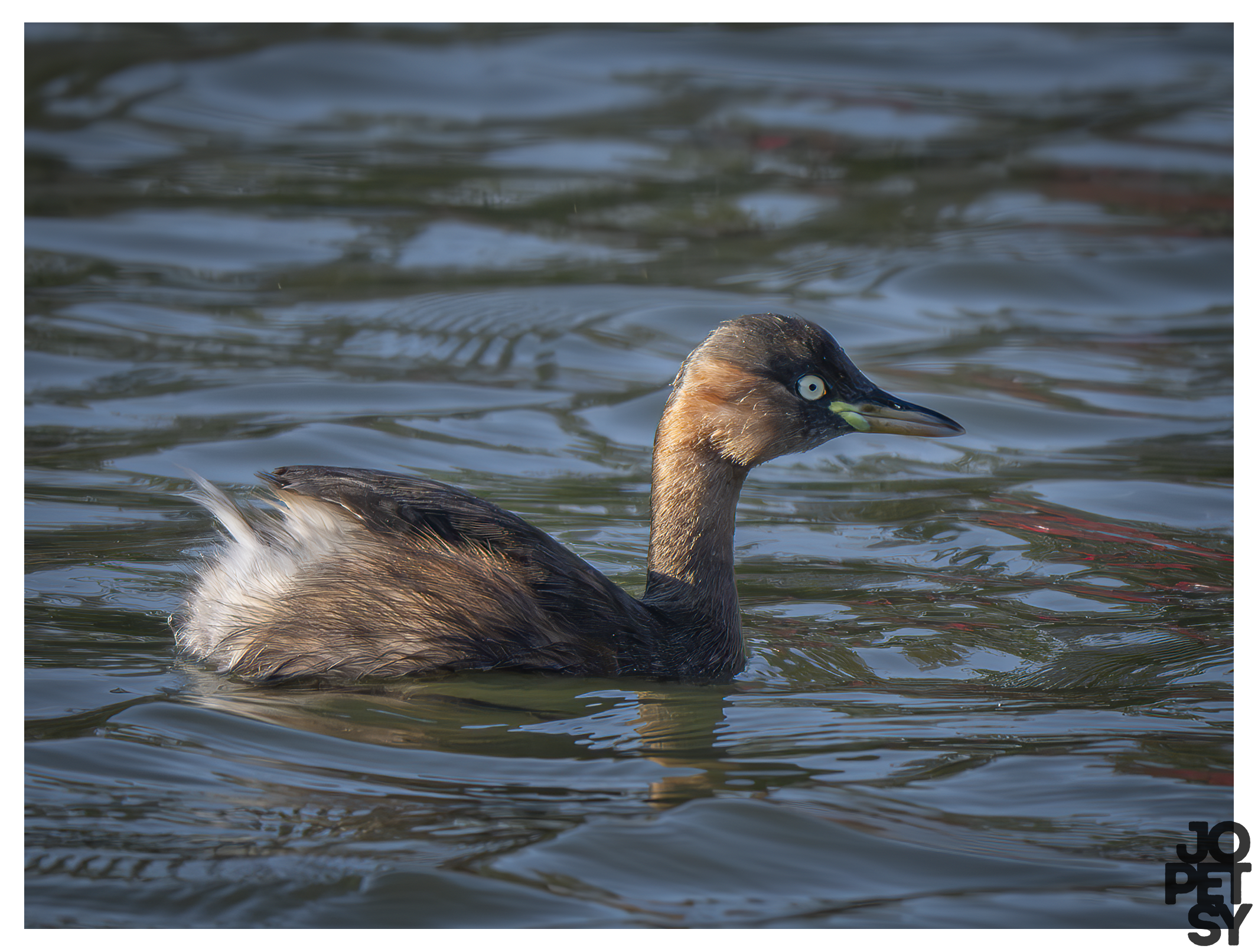
All photos taken with a Sony ⍺1ii + Sony FE 400–800mm f/6.3–8
Wrapping Up
By around 9:15 AM, I started heading back to the hotel, just in time to catch breakfast before it closed. This trip was truly exceptional—a perfect blend of family time and bird photography.
Guangzhou impressed me not only with its birdlife but also with its cleanliness and conservation efforts. I’ll definitely be back for more.
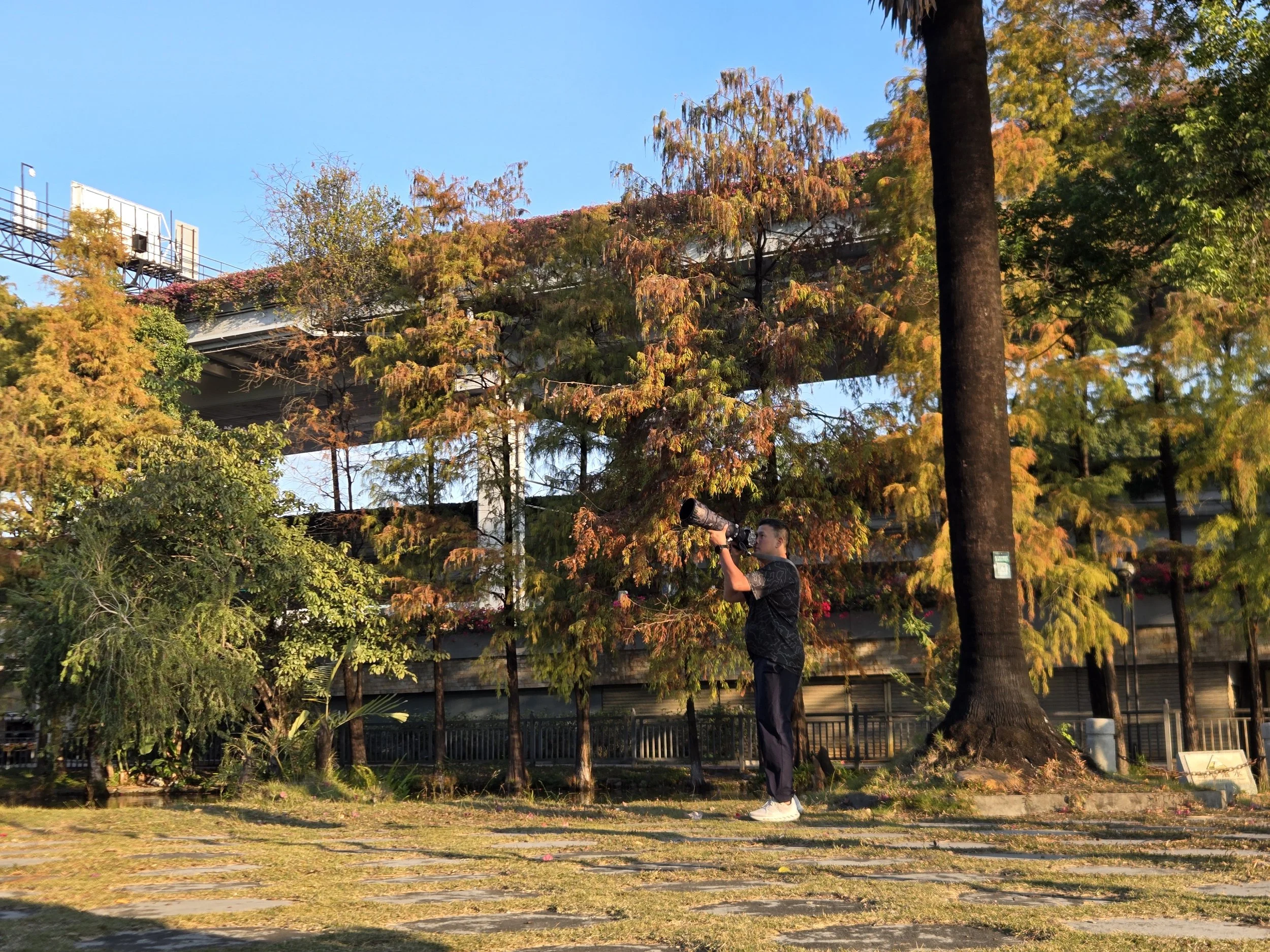
XieXie Guangzhou!
