

#7: IN PURSUIT OF Birds of Paradise in West Papua
BIRDING EXPERIENCE IN WEST PAPUA
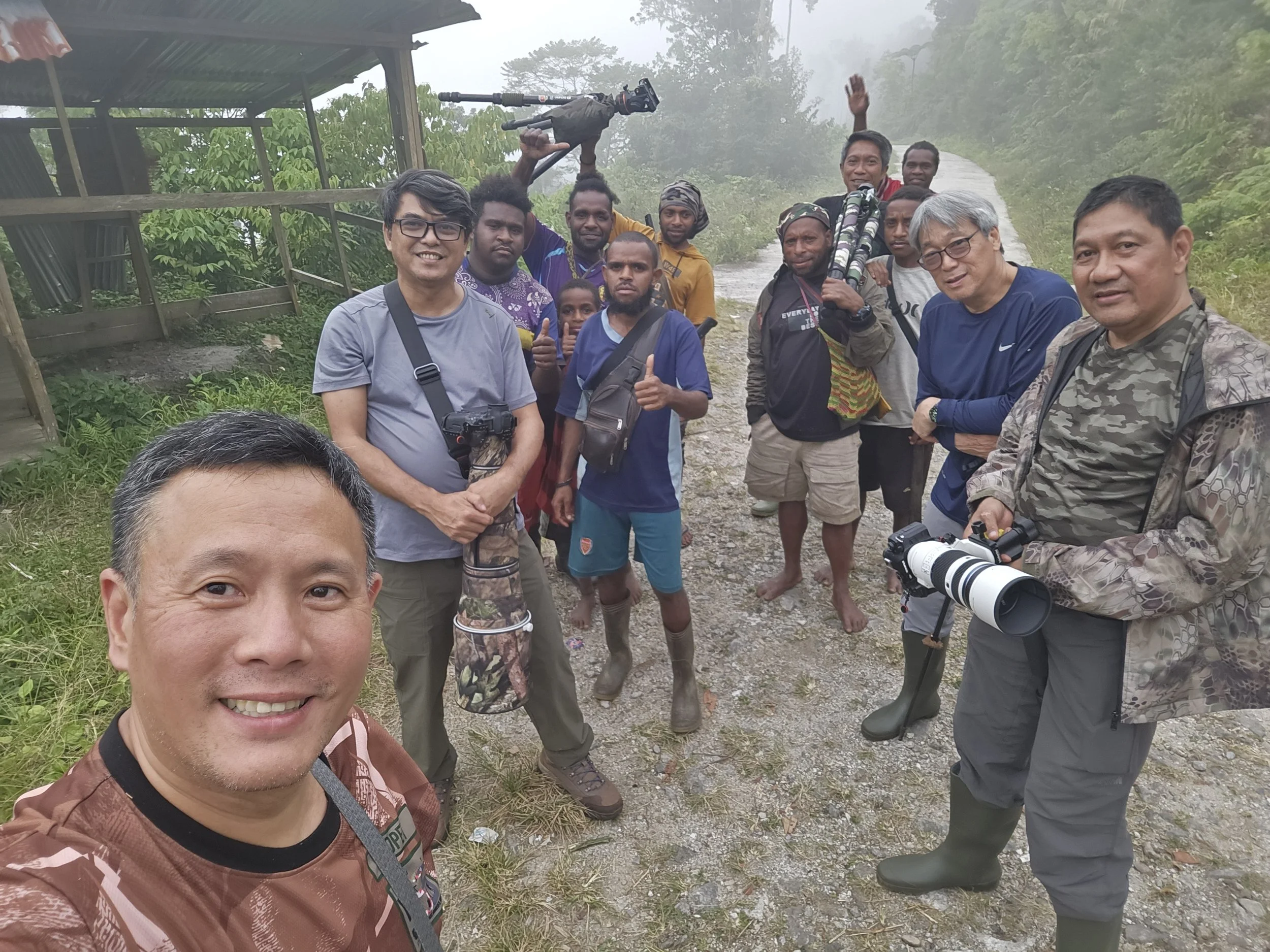
On my second year as a birder, I was incredibly grateful to receive an invitation from Amo Henrick to join a birding expedition in West Papua. For a Filipino wildlife photographer, the opportunity to observe and photograph some of the world's most spectacular Birds-of-Paradise is truly a rare and unforgettable experience.
Never had I imagined that one day I would travel to West Papua for birding. Thanks to the generous invitation of Amo Henrick, that dream became a reality. Traveling to Papua is no easy feat. The journey is long, and the thought of venturing into such a remote and isolated region can be intimidating. Birding in Papua? It almost seemed unreal.
Yet when an opportunity like this presents itself, it is impossible to say no. Exploring the forests of Papua requires determination, reliable local guides, and a willingness to step far beyond one's comfort zone. Fortunately, we were assisted by Ateng, an experienced local bird guide based in Tangkoko, whose knowledge and expertise helped make our expedition possible.
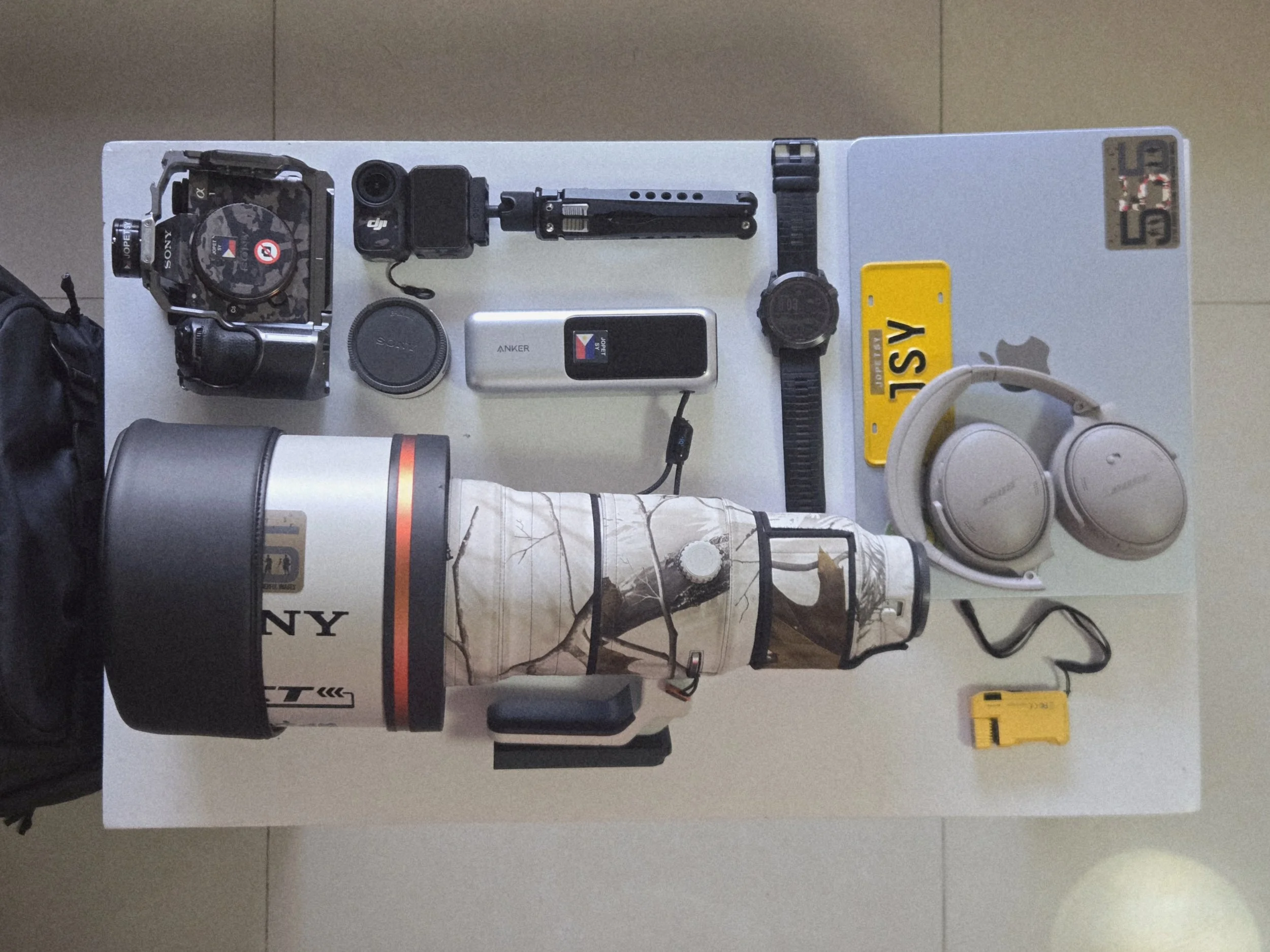
What’s in the Bag?
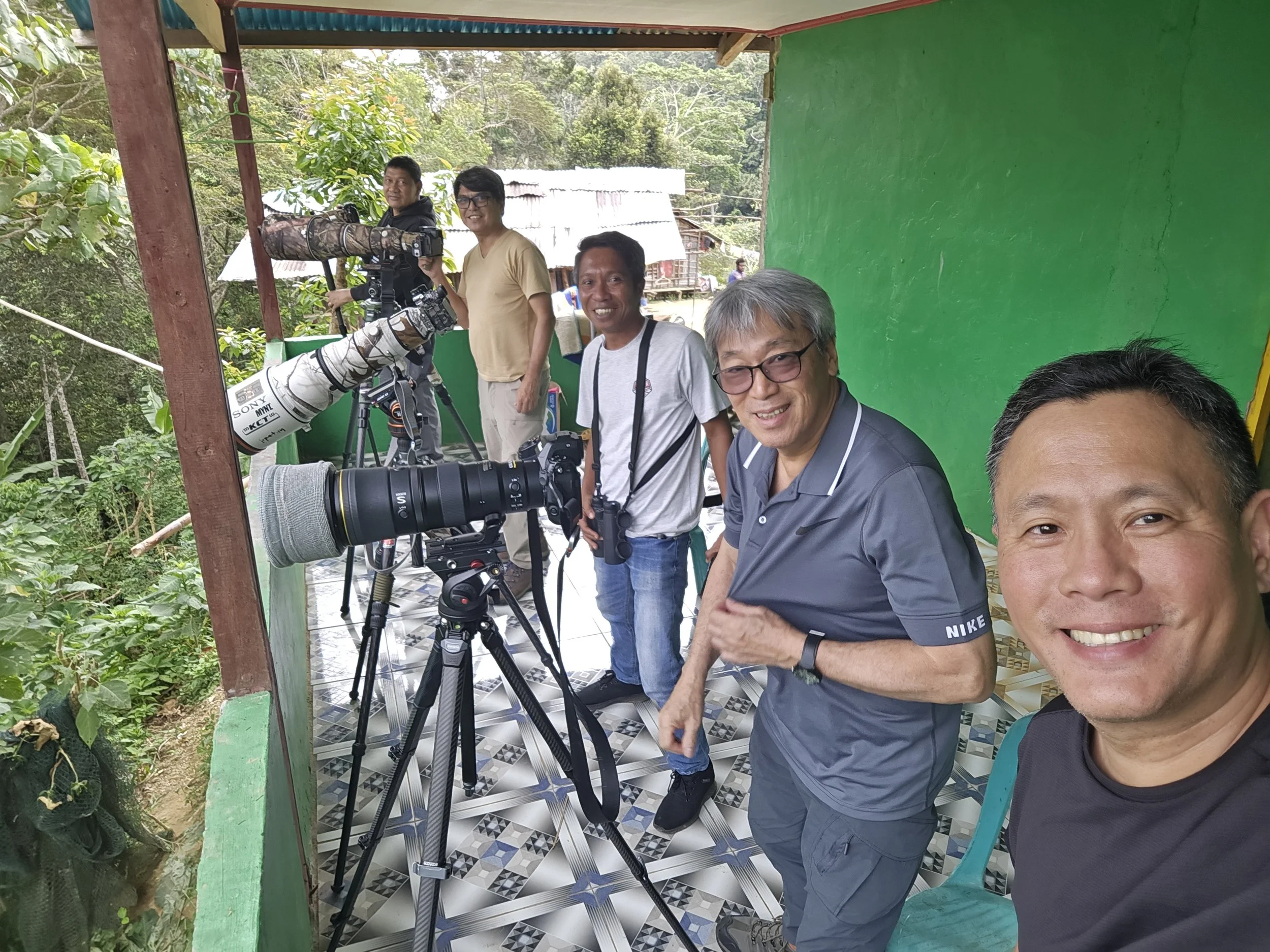
Bringing the SAKK V2 bag where the Sony 600mm f/4 fits tightly inside and has tons of room available. No problem with PAL and all the domestic travels in Indonesia. Total weight: 11kg.
Sakk V2
Sony A1m2
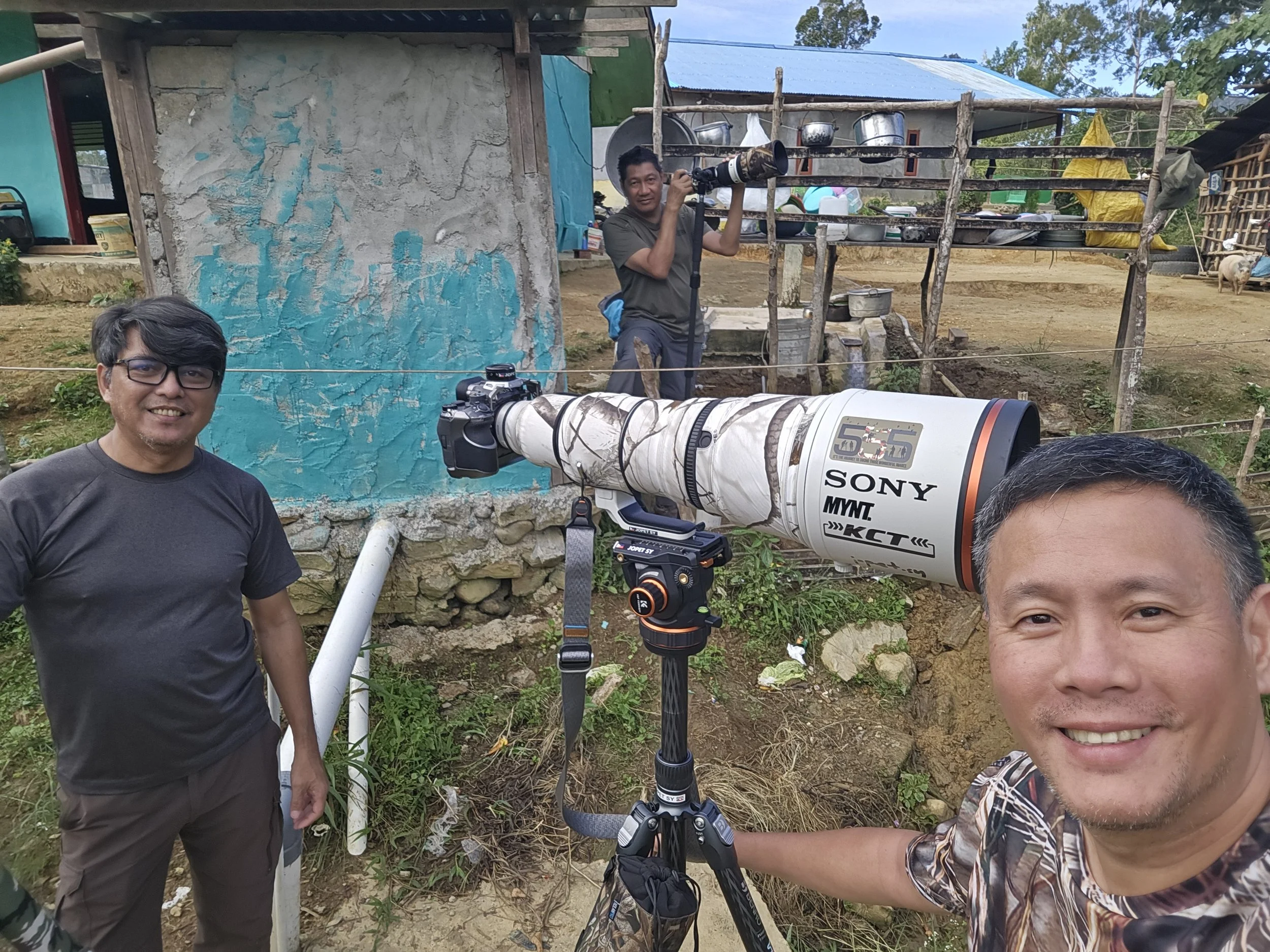
Sony 600mm f/4
Anker Battery Pack
Bose Headphones
Macbook Pro Air
Wuben G5
DJI Osmo
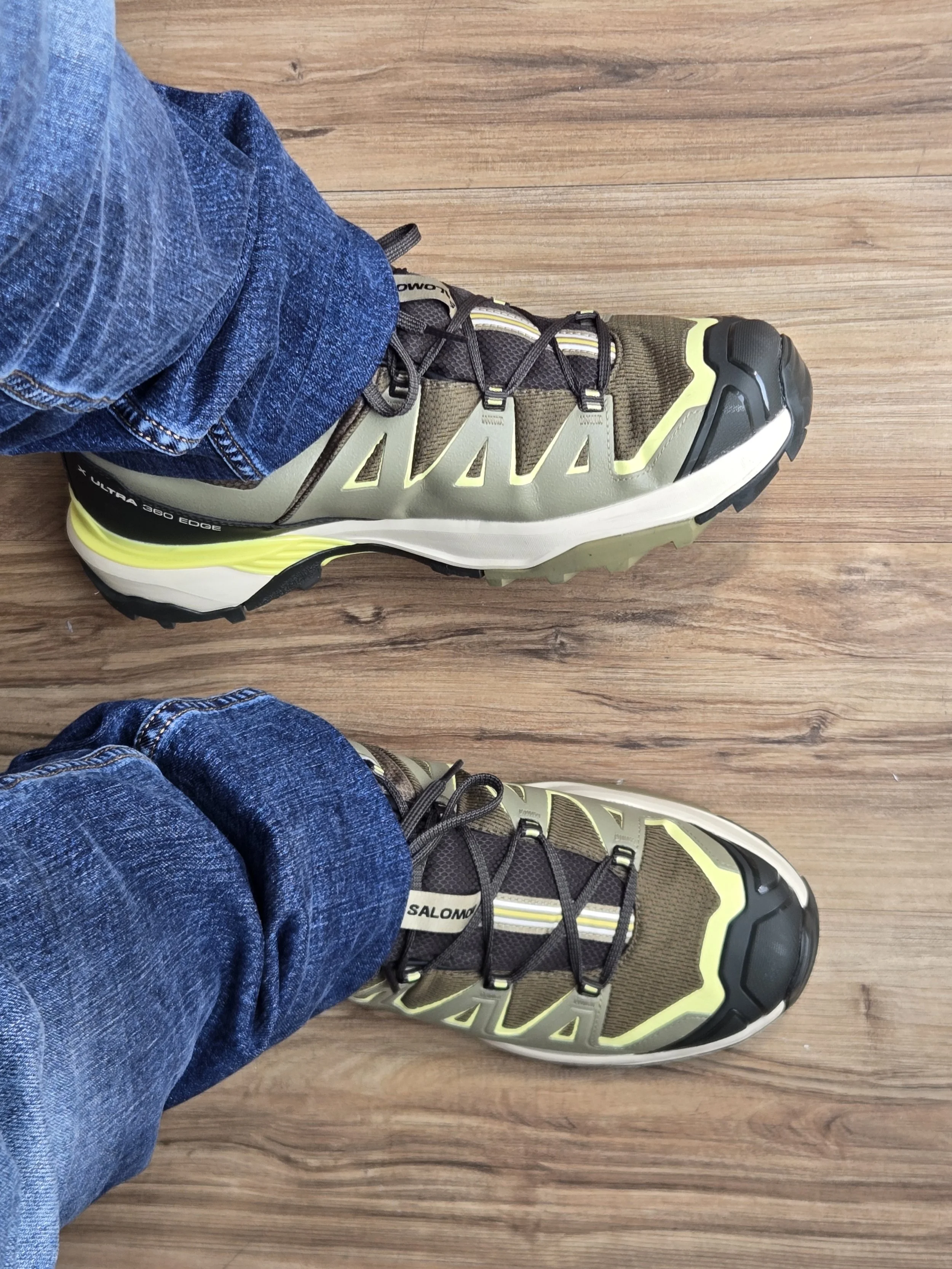
The Salomon X Ultra Edge Mid GTX delivered the best grip of any outdoor shoe I've used. No slipping, no sliding, and fully waterproof thanks to the Gore-Tex lining. As for the Sakk V2, it carried like a full photo booth on my back, but the comfort and capacity made it absolutely worth bringing into the field.

TRAVELING TO WEST PAPUA
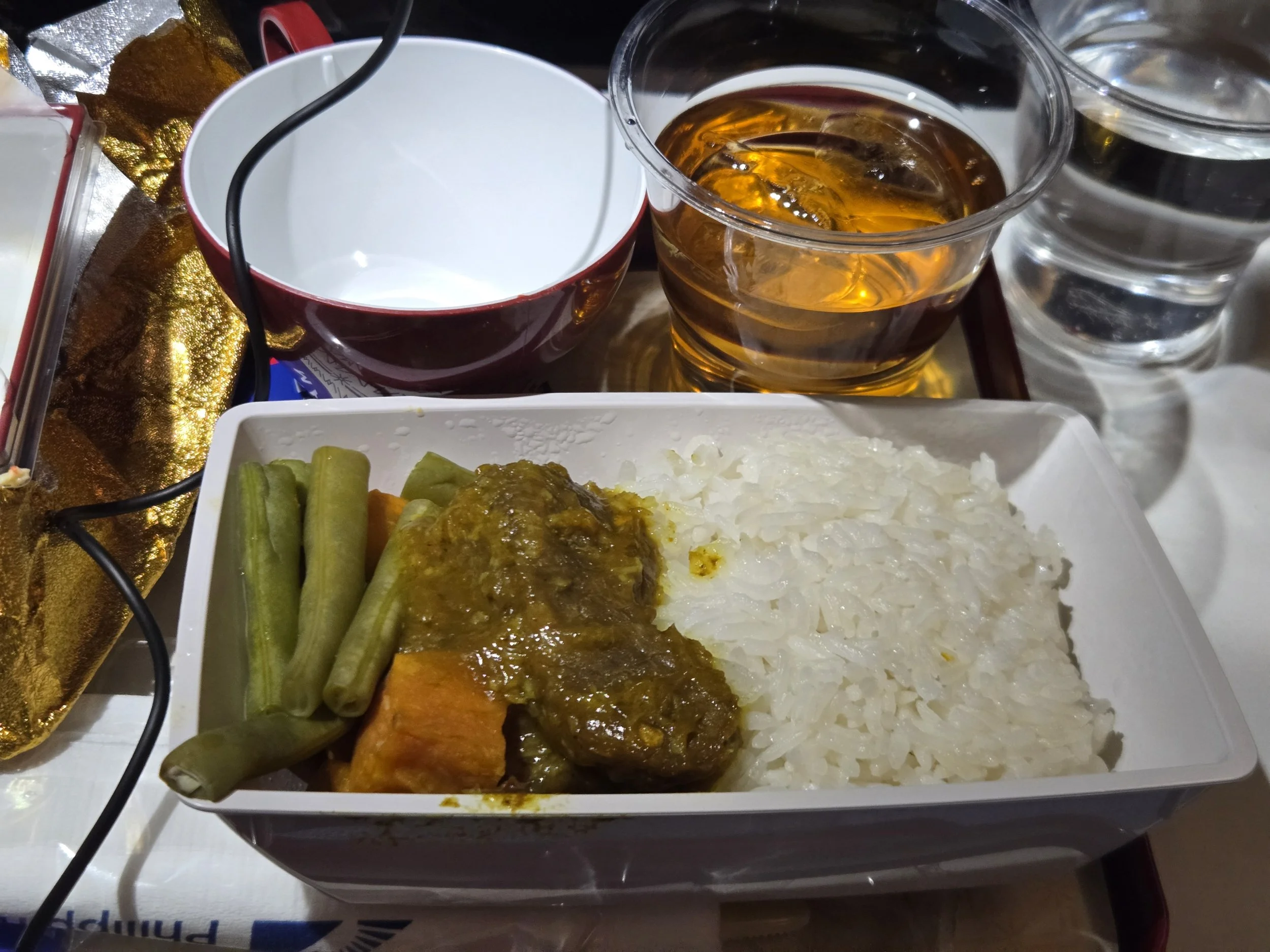
Geographically, West Papua is probably just a few hours away from Davao if there were direct flights, but unfortunately, there aren't any. From Manila, we took a Philippine Airlines flight to Jakarta. Our flight departed at 8 PM, and we arrived in Jakarta at around midnight.
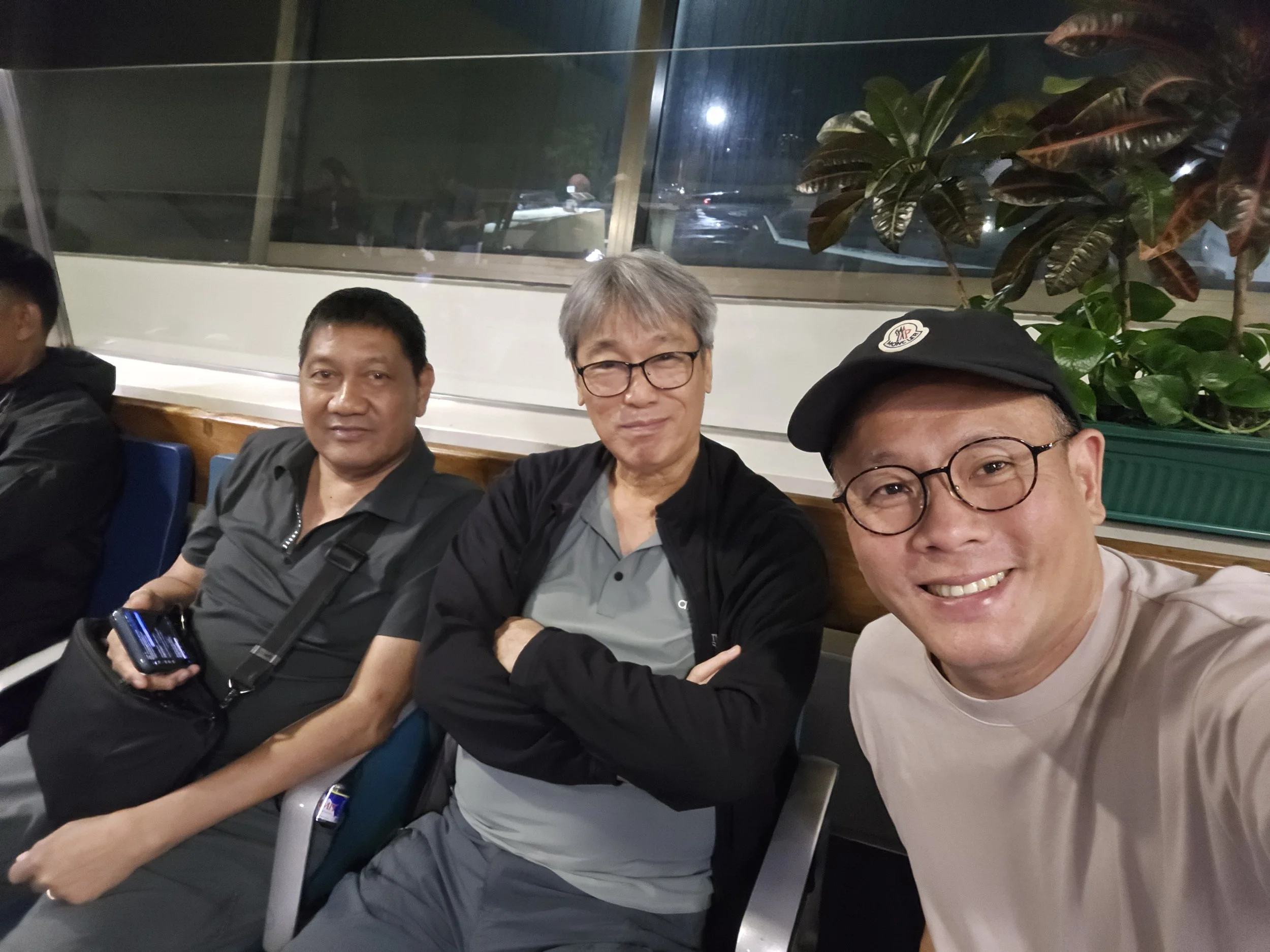
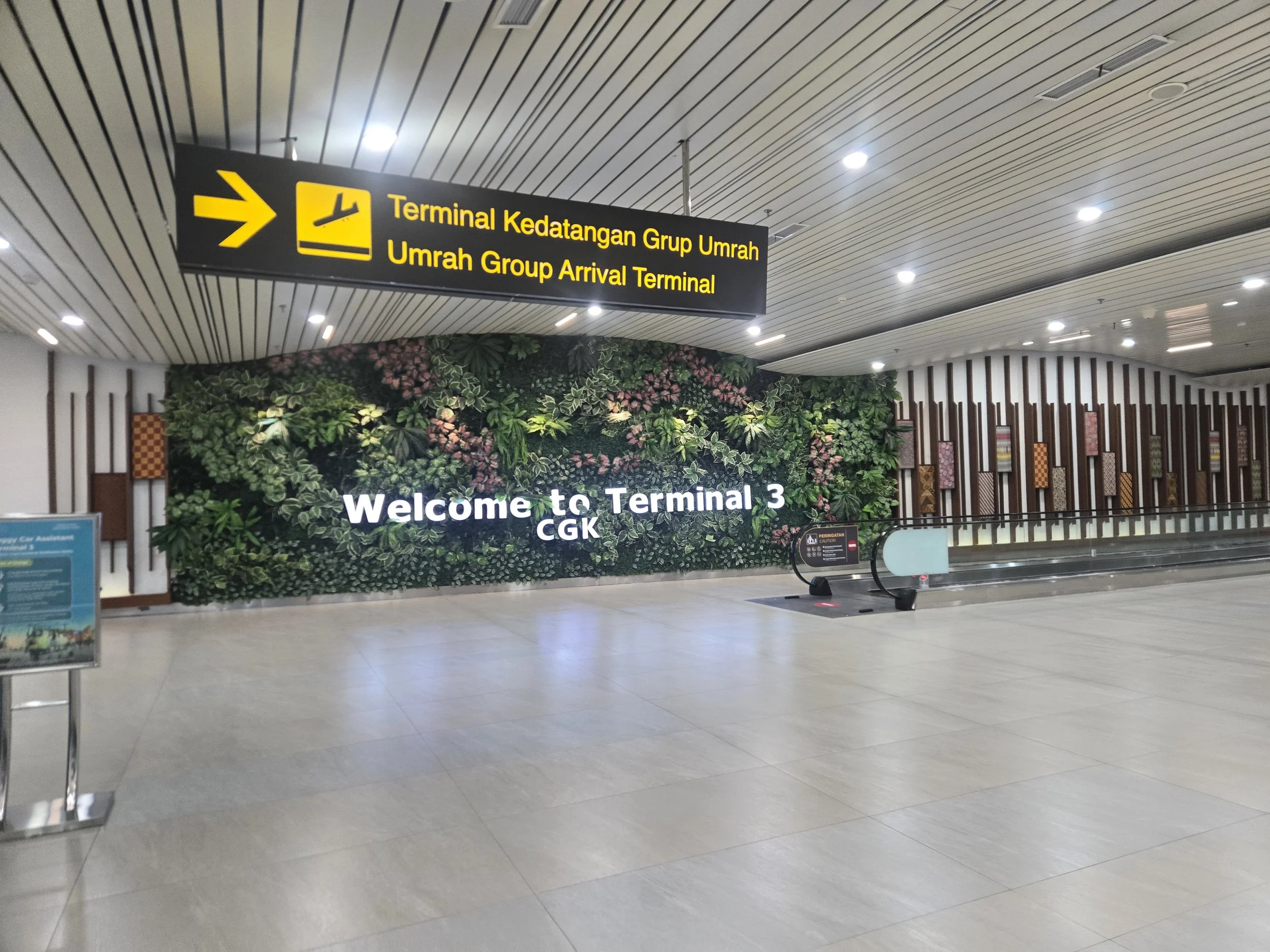
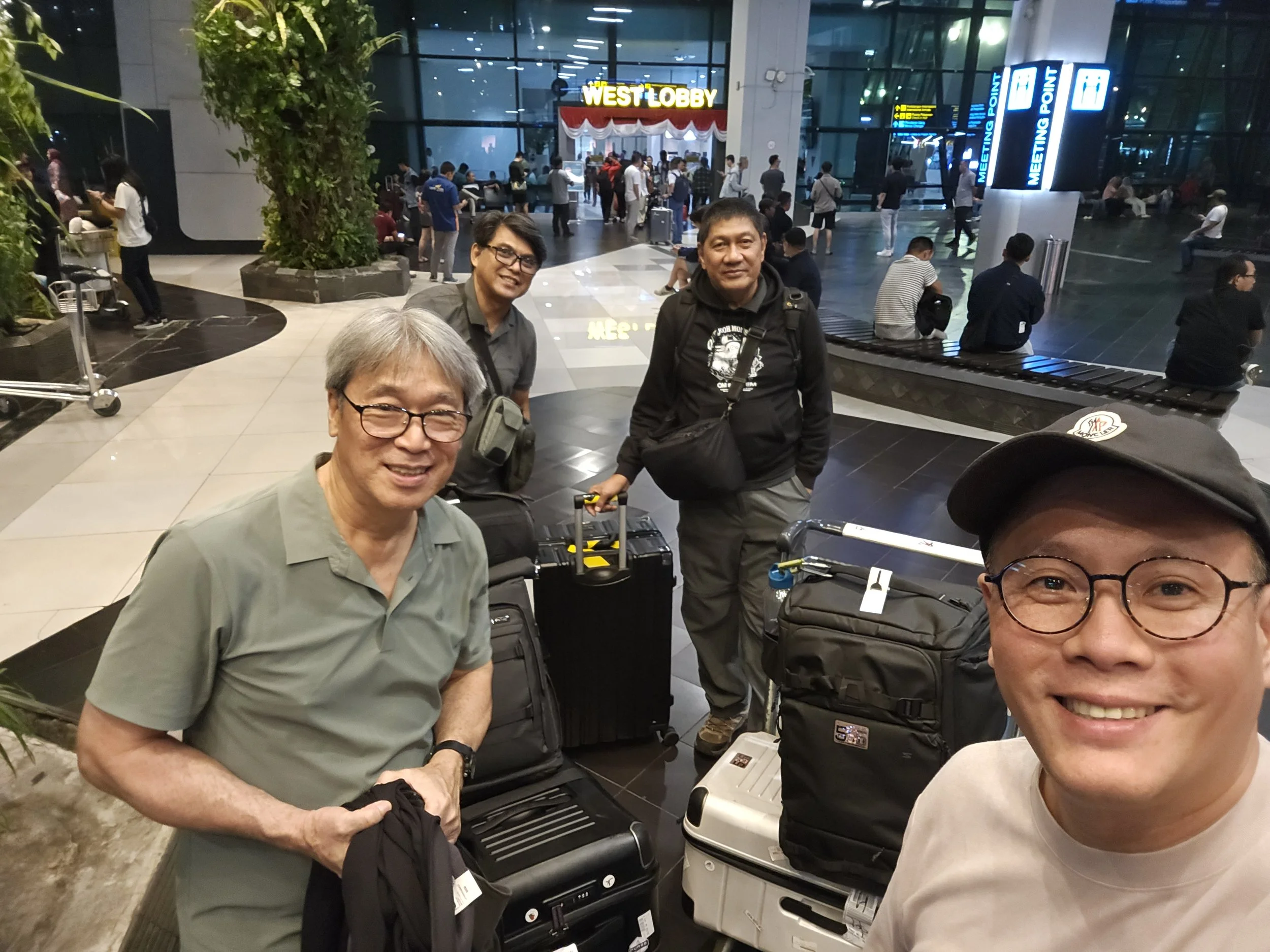
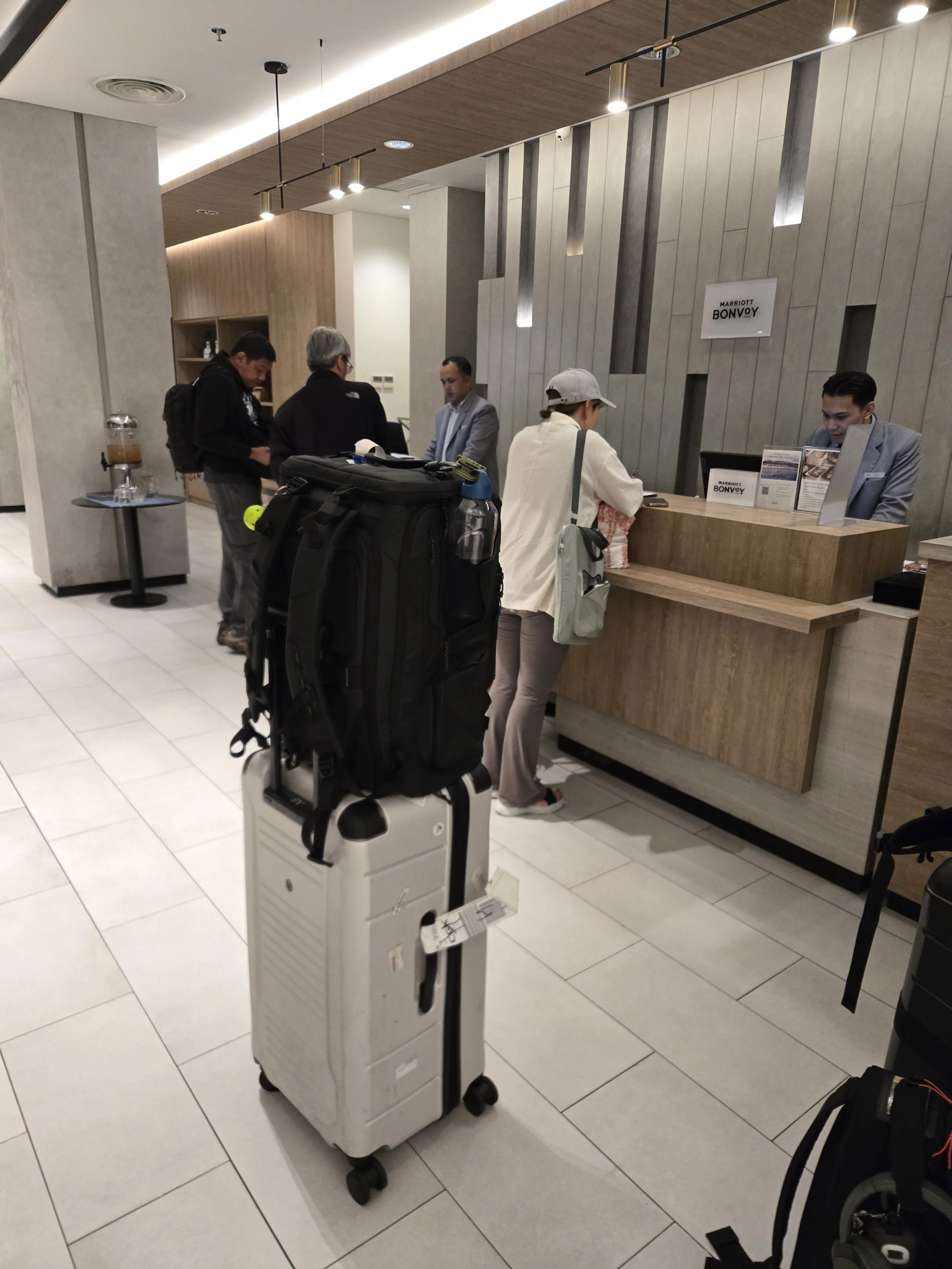
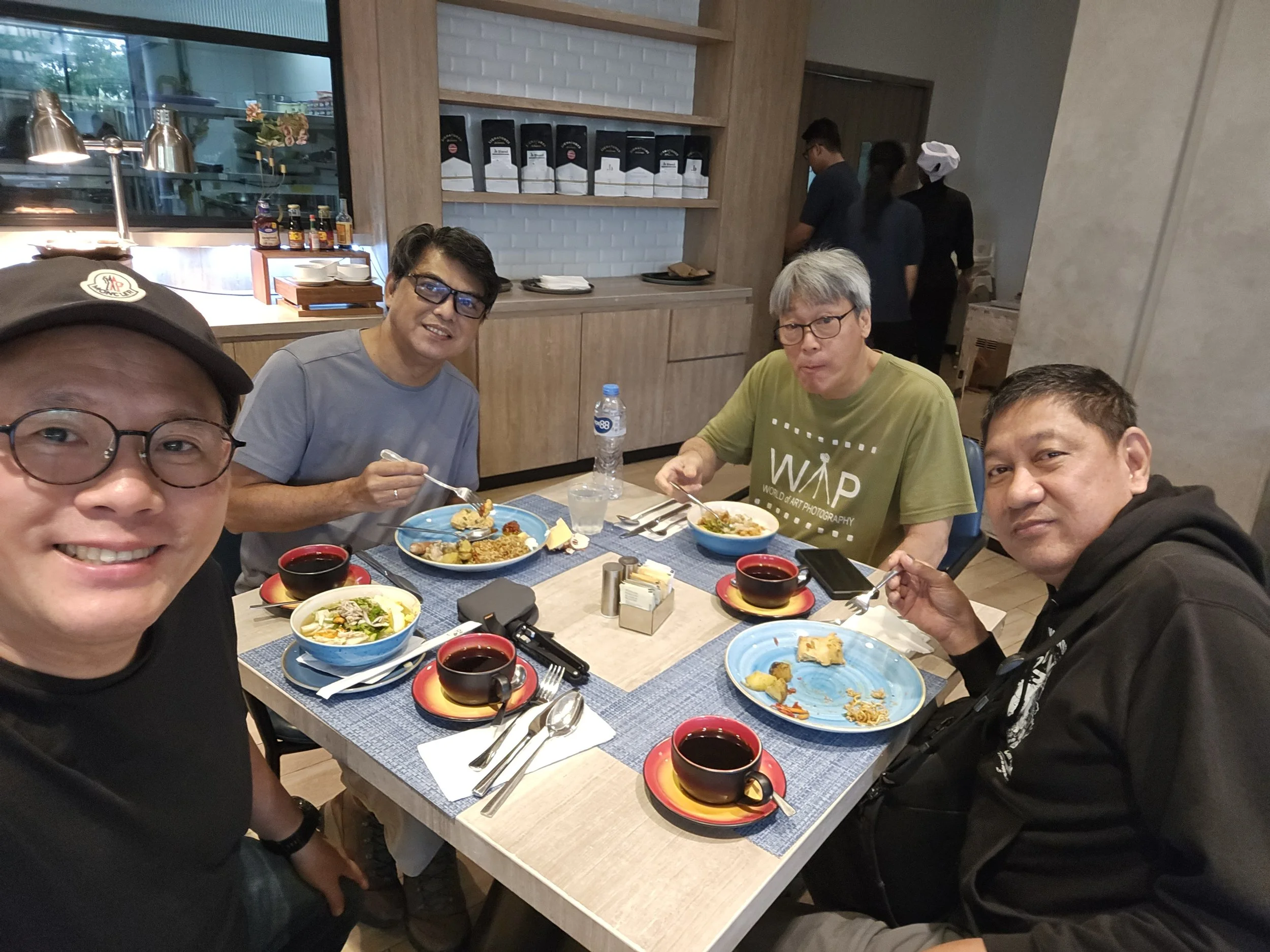
We booked a room at Fairfield by Marriott, which offers a free airport shuttle and is only about 10 minutes from the airport, allowing us to get a good night's rest before continuing our journey.
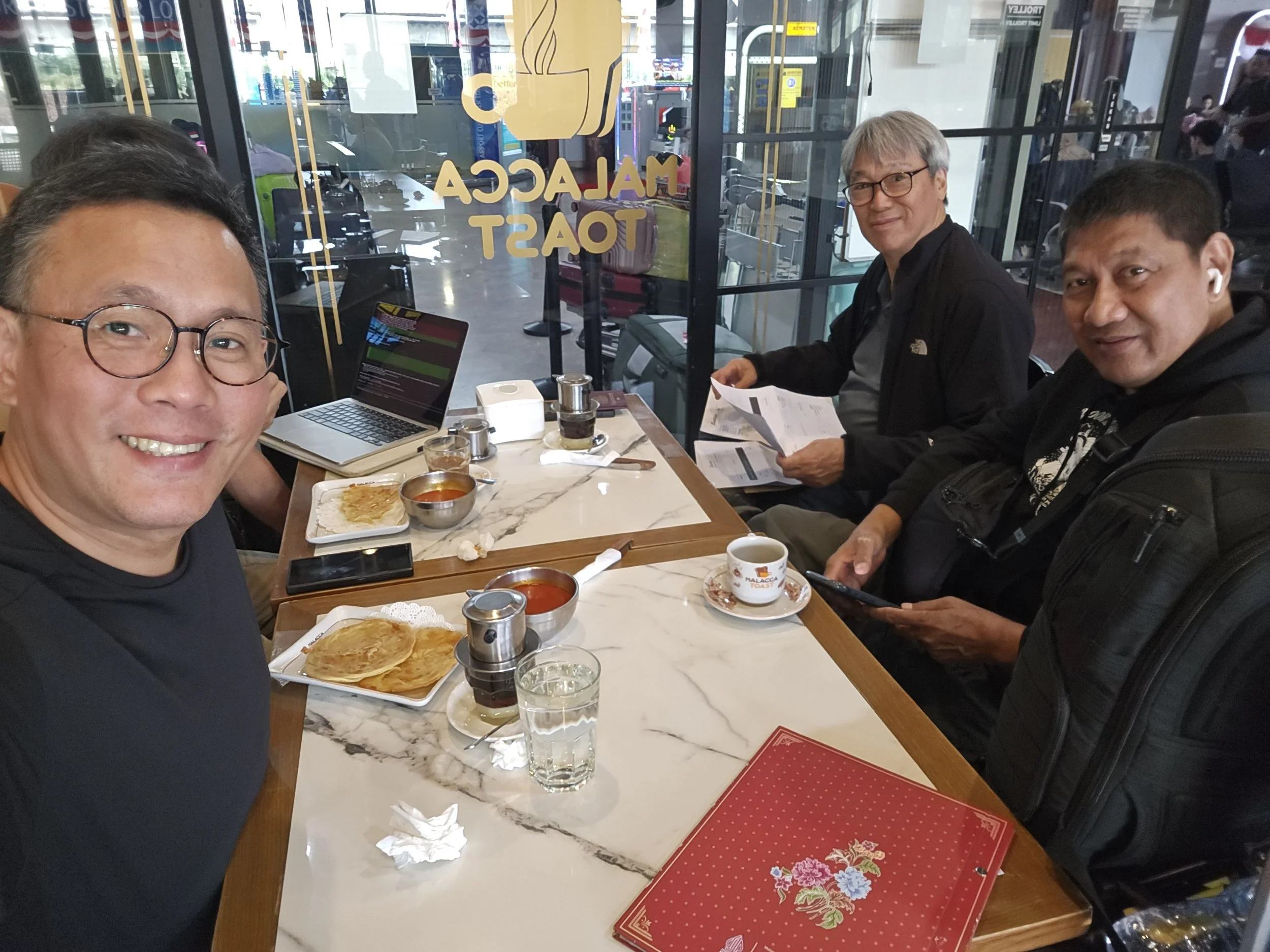
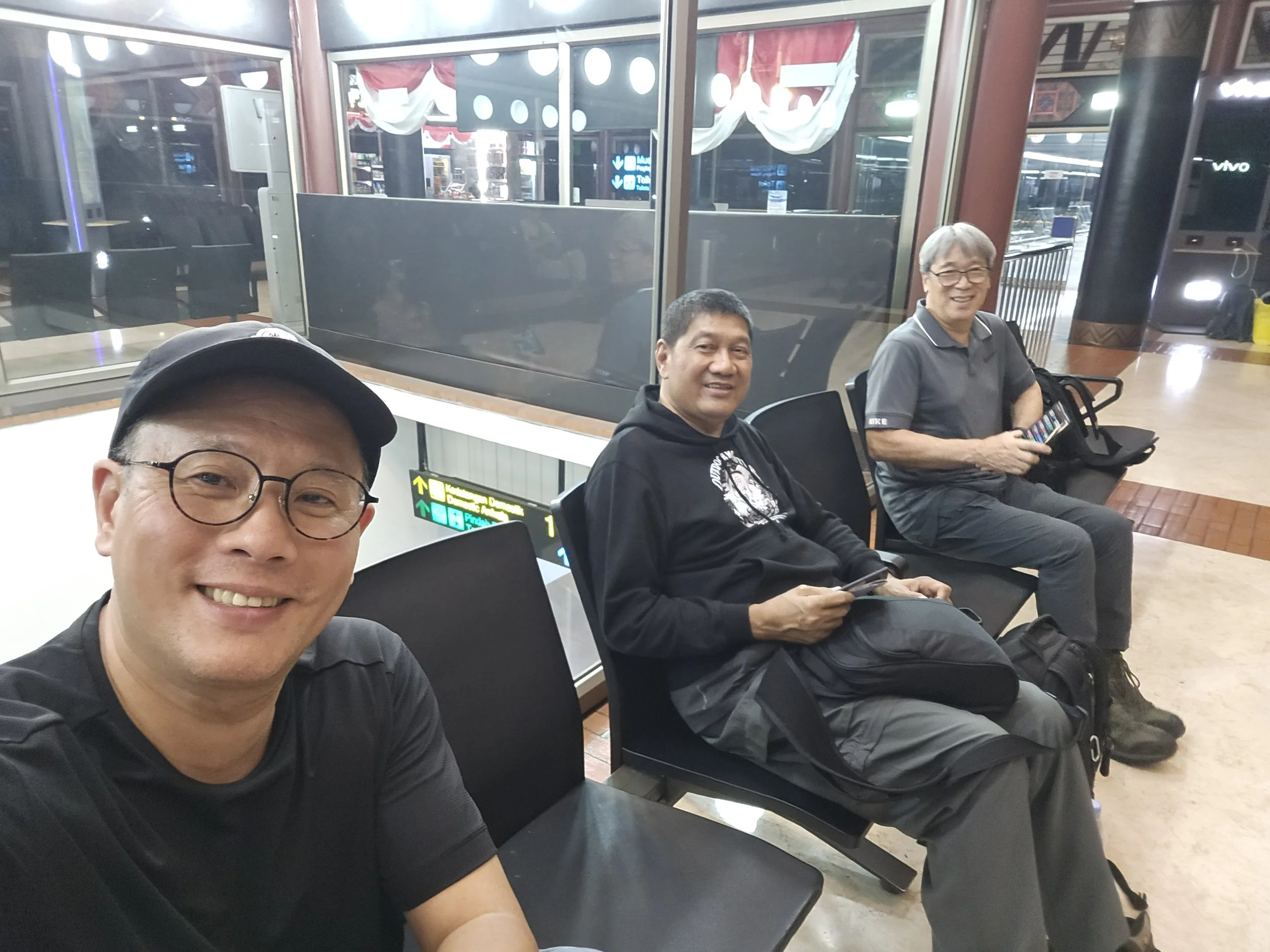
Breakfast was included the next morning, and after checking out at 1 PM, we decided to spend the rest of the day at the airport while waiting for our midnight flight to Sorong. The domestic flight takes approximately four hours. We booked with Batik Air, part of the Lion Air Group, which operates many routes throughout Indonesia.
We had lunch at the airport, spent the afternoon sharing stories and killing time, and had dinner before heading to check-in around 9 PM.
That's when the drama started.
As we checked in, we learned that our baggage could not be linked all the way from Jakarta to Manokwari via Sorong. The three of us immediately started discussing contingency plans. Apparently, our return flight from Manokwari to Manado had been changed earlier that day, which only added to the confusion. We even considered booking an overnight stay in Sorong as a backup plan.
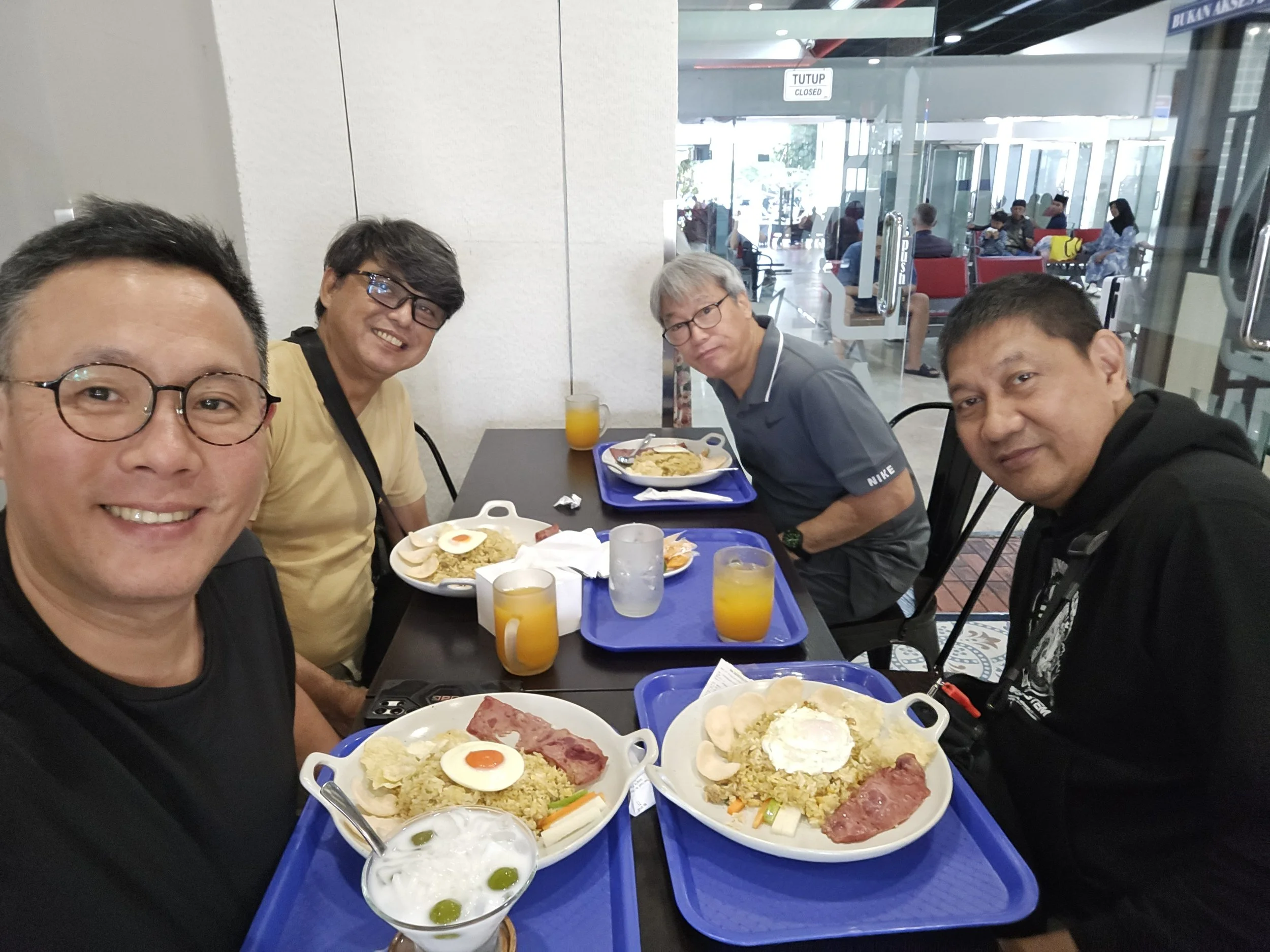

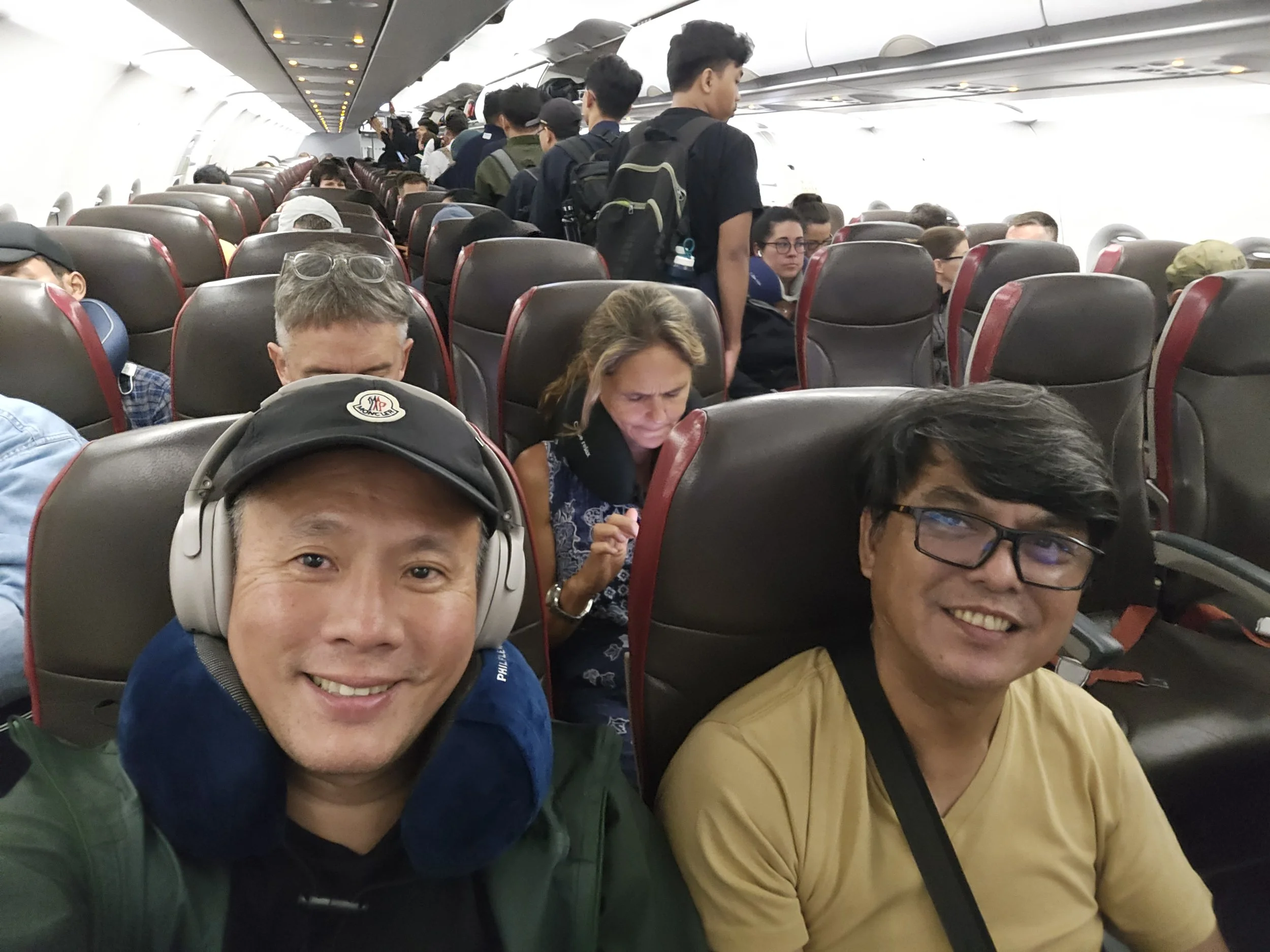
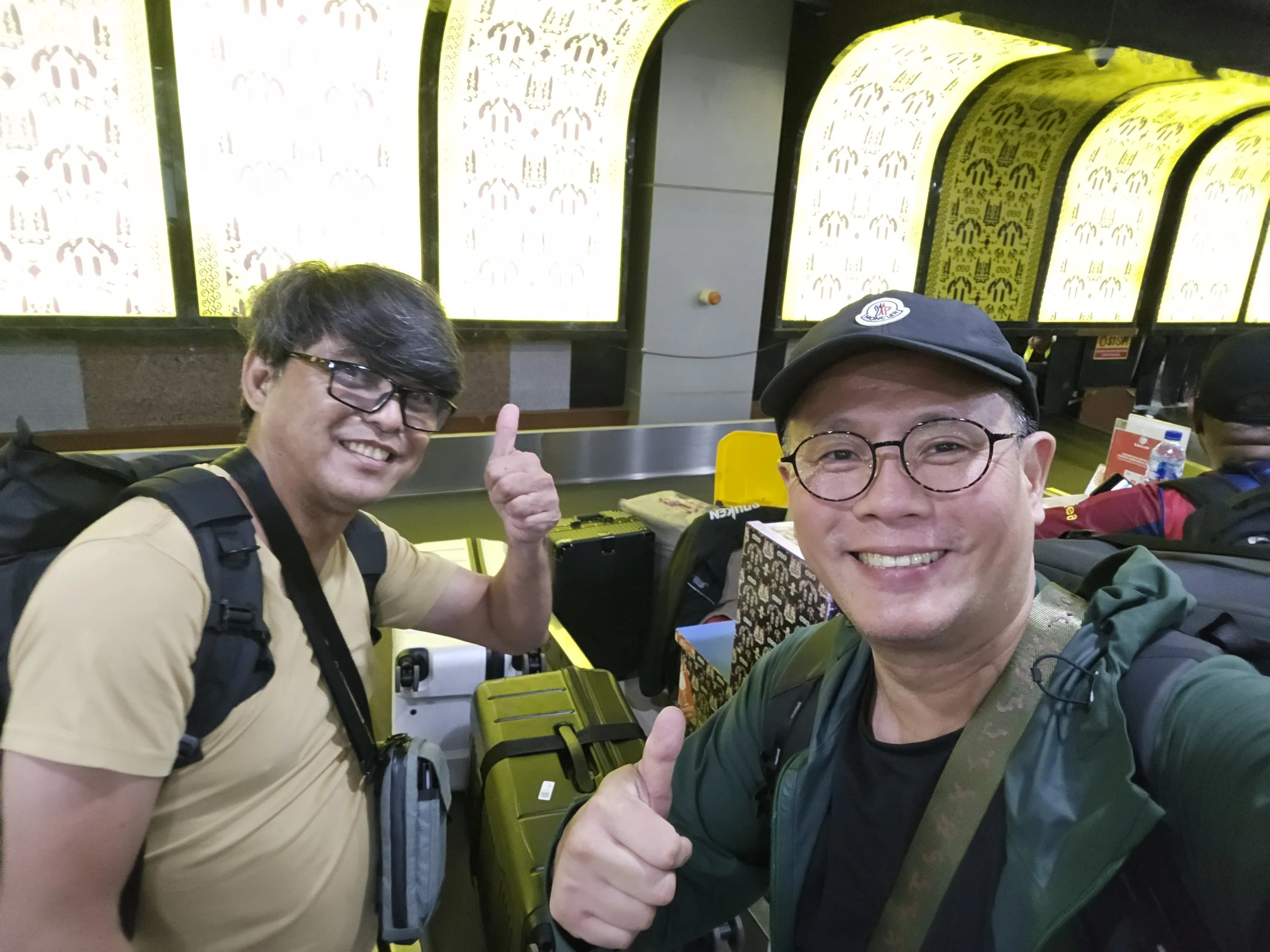
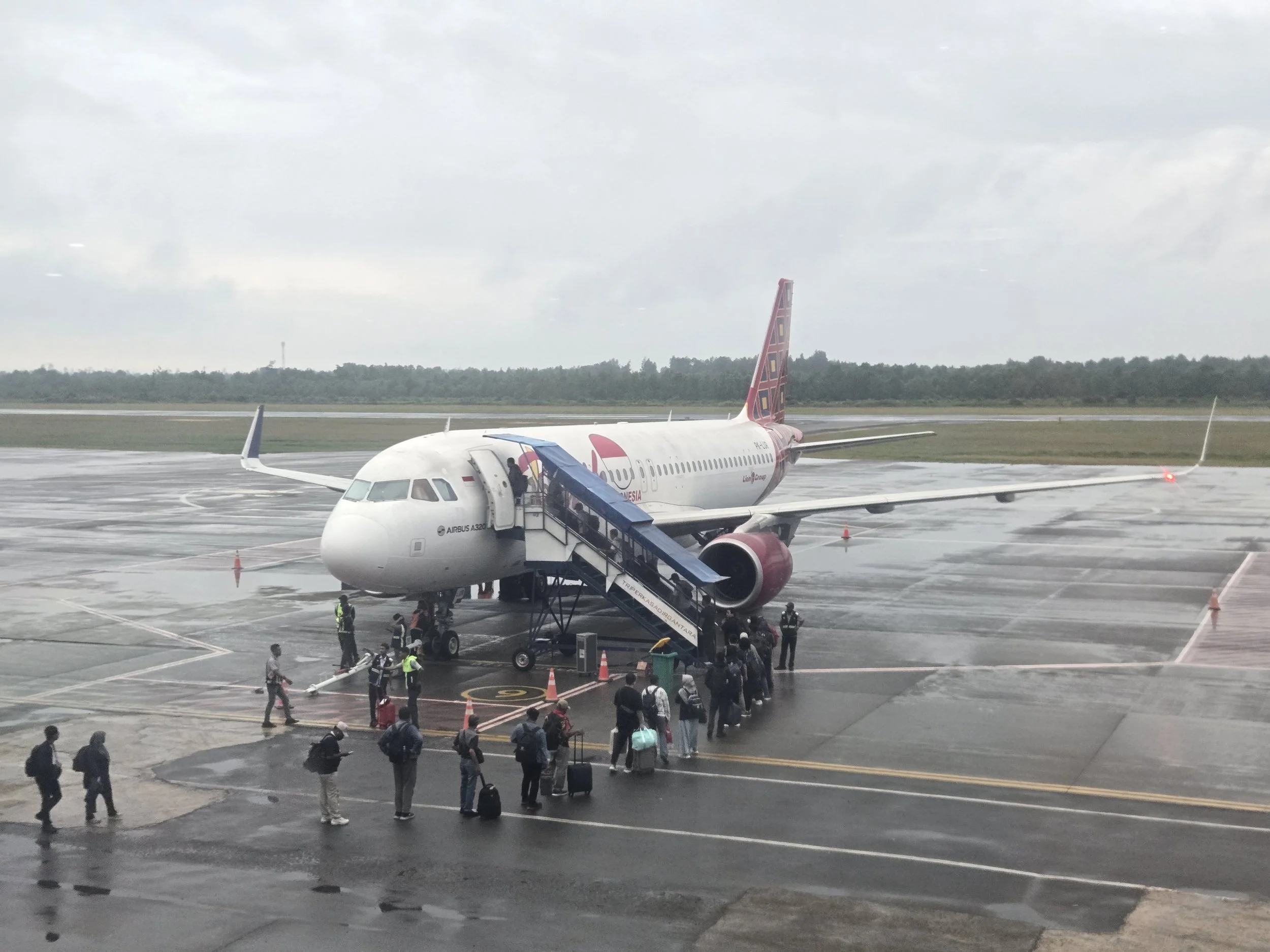
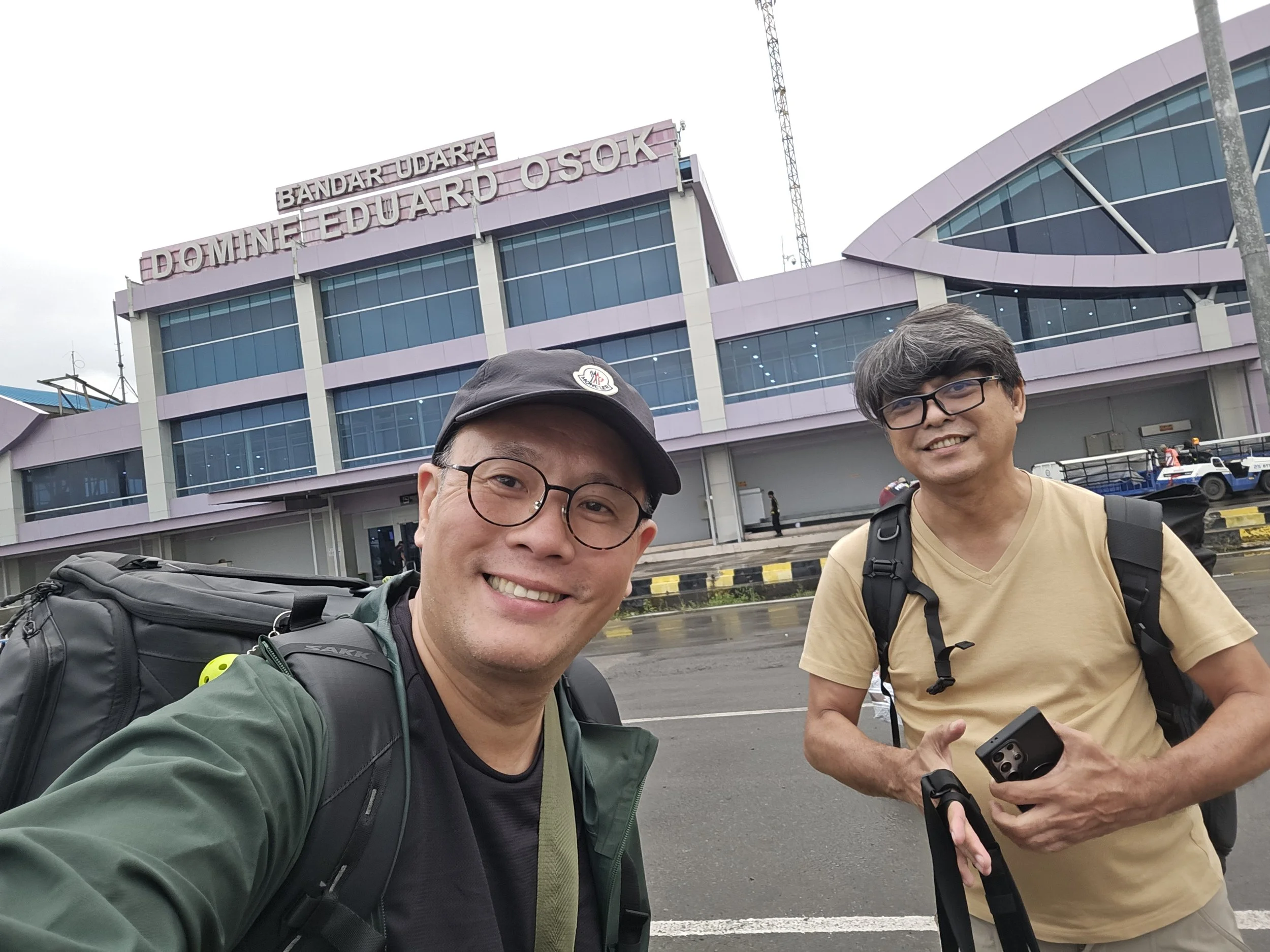
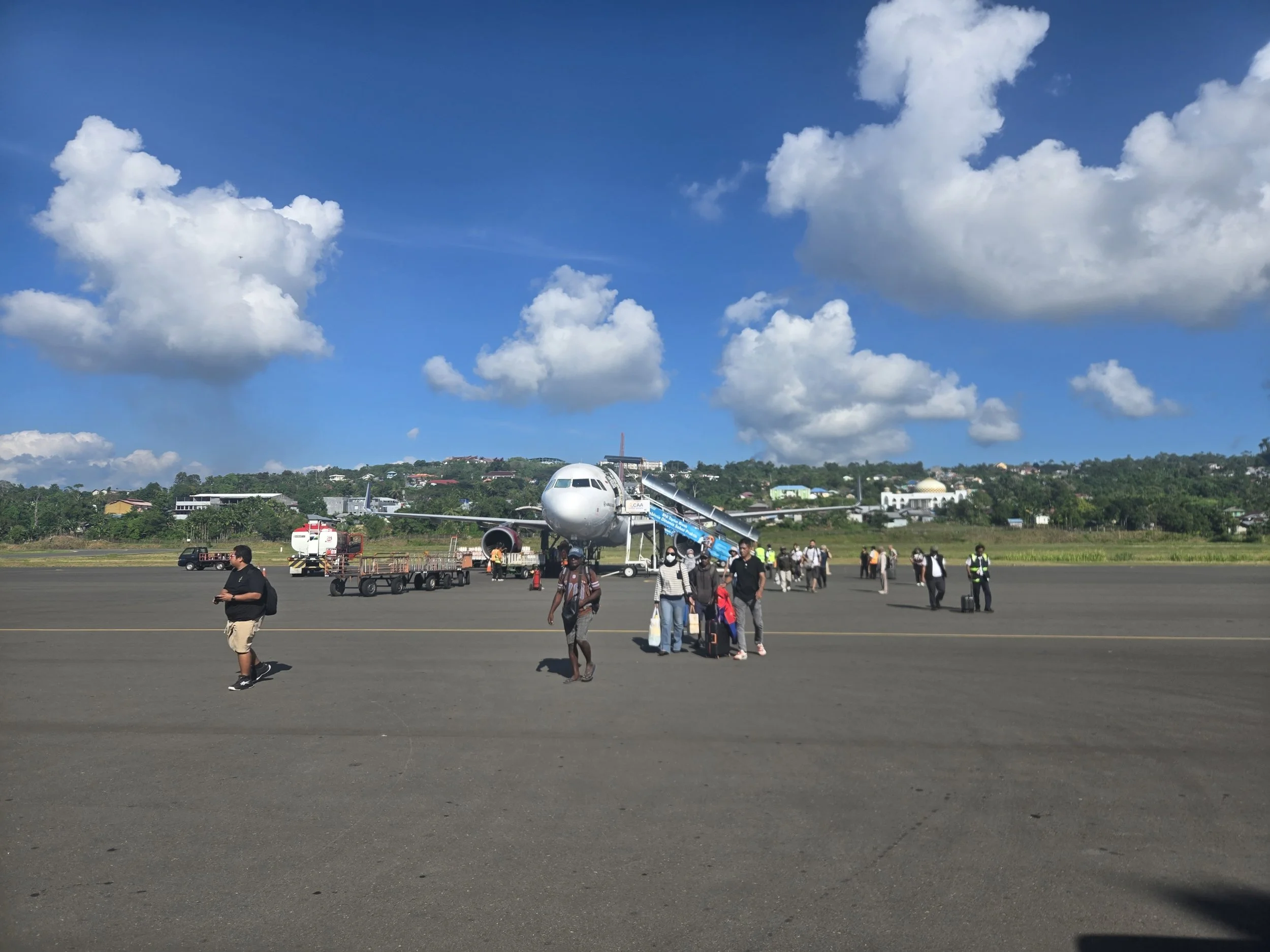
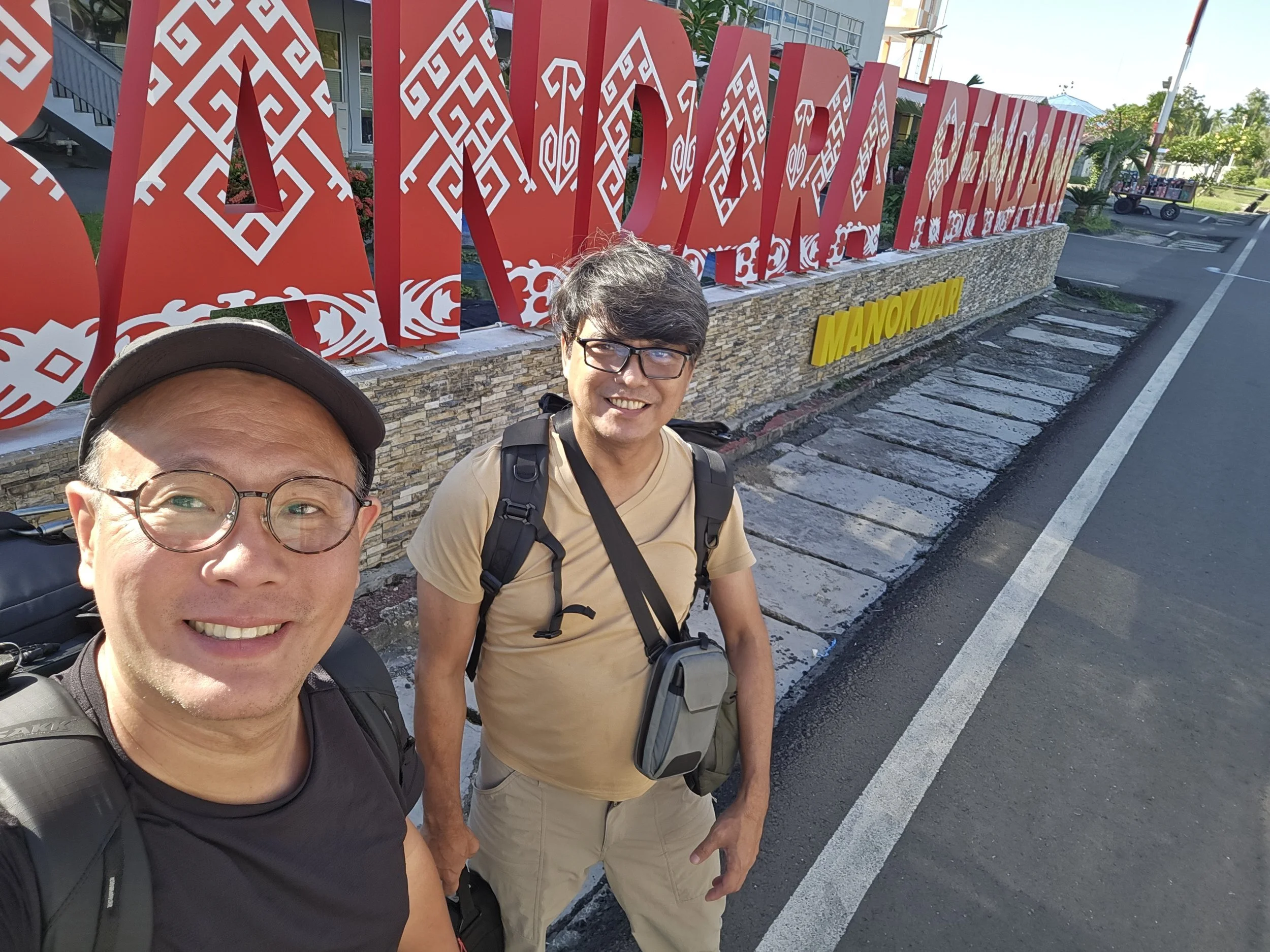
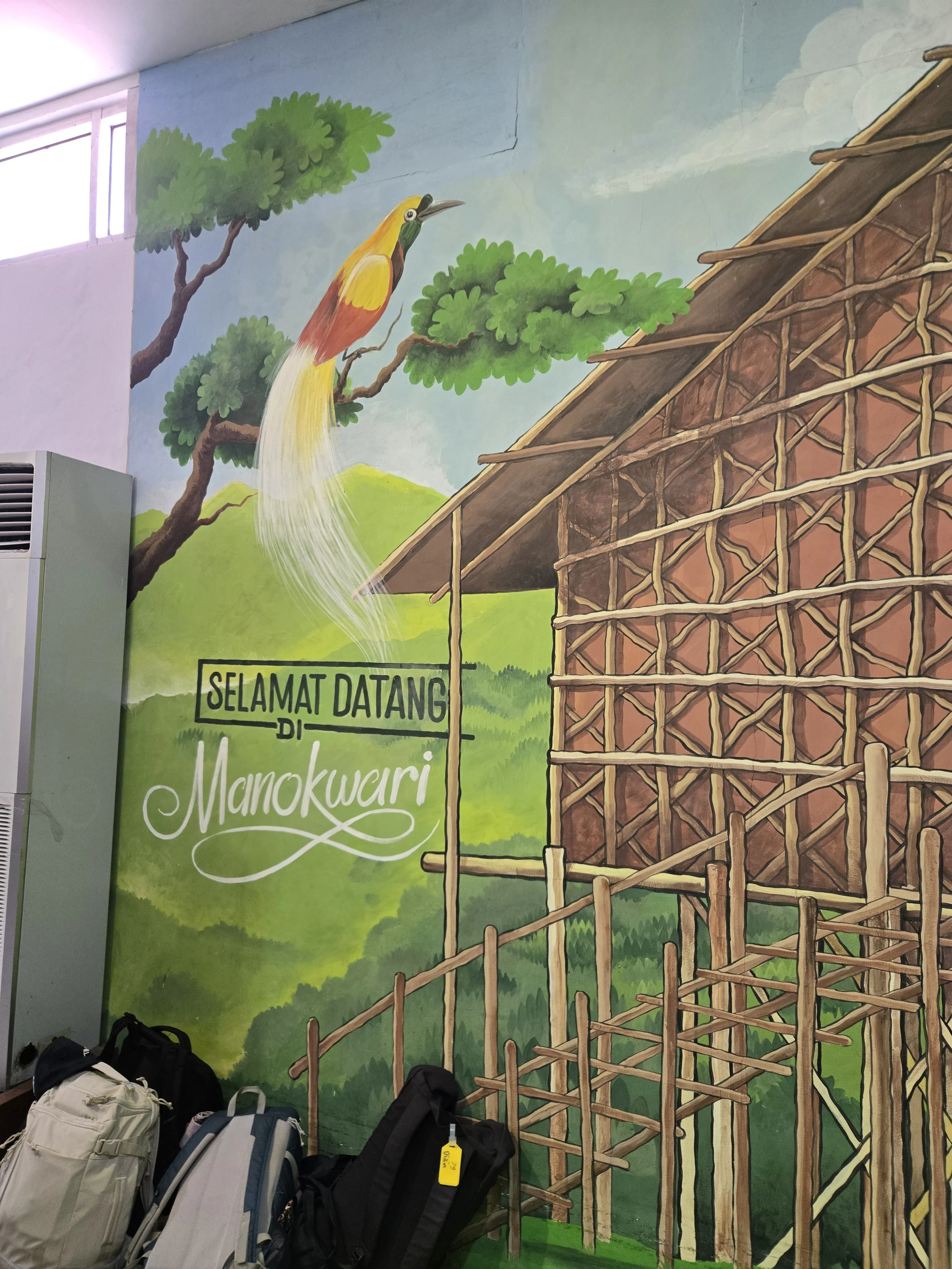
Fortunately, our flight departed on time. After four hours in the air, we landed in Sorong, which is one hour ahead of Jakarta. We quickly collected our bags, rushed to the domestic transfer counters, and checked in again to catch the same aircraft on its next leg to Manokwari, our gateway to West Papua.
After what felt like our own version of The Amazing Race, we successfully boarded the 45-minute flight. By 9 AM, we had finally arrived.
TOTAL TRAVEL TIME (INCLUDING STOPOVER): 9 HOURS
RED - Manila to Jakarta via Philippine Airlines
BLUE - Jakarta to Sorong via Batik Air
PINK - Sorong to Manokwari via Batik Air
MANOKWARI TO THE ARFAK MOUNTAINS
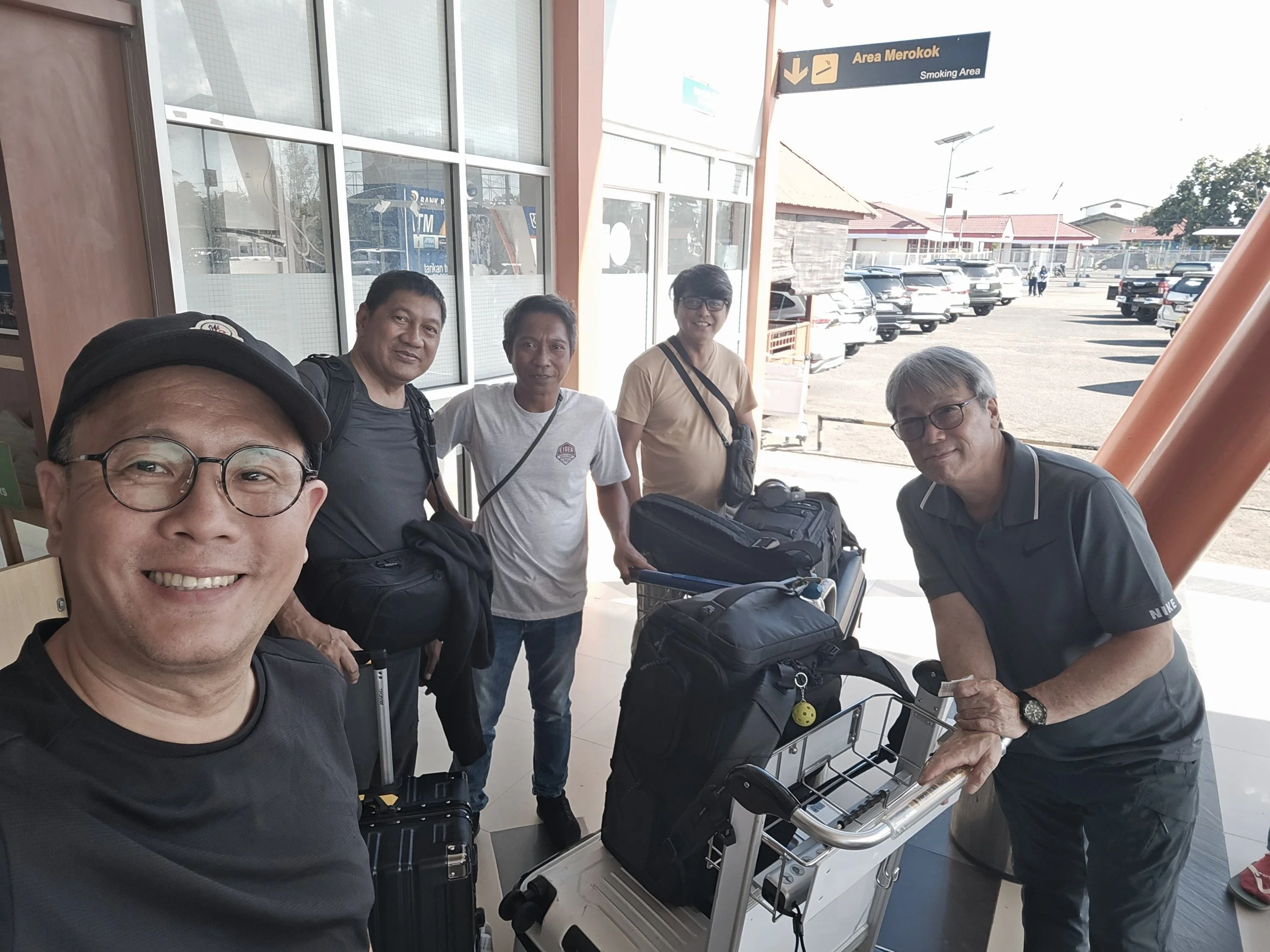
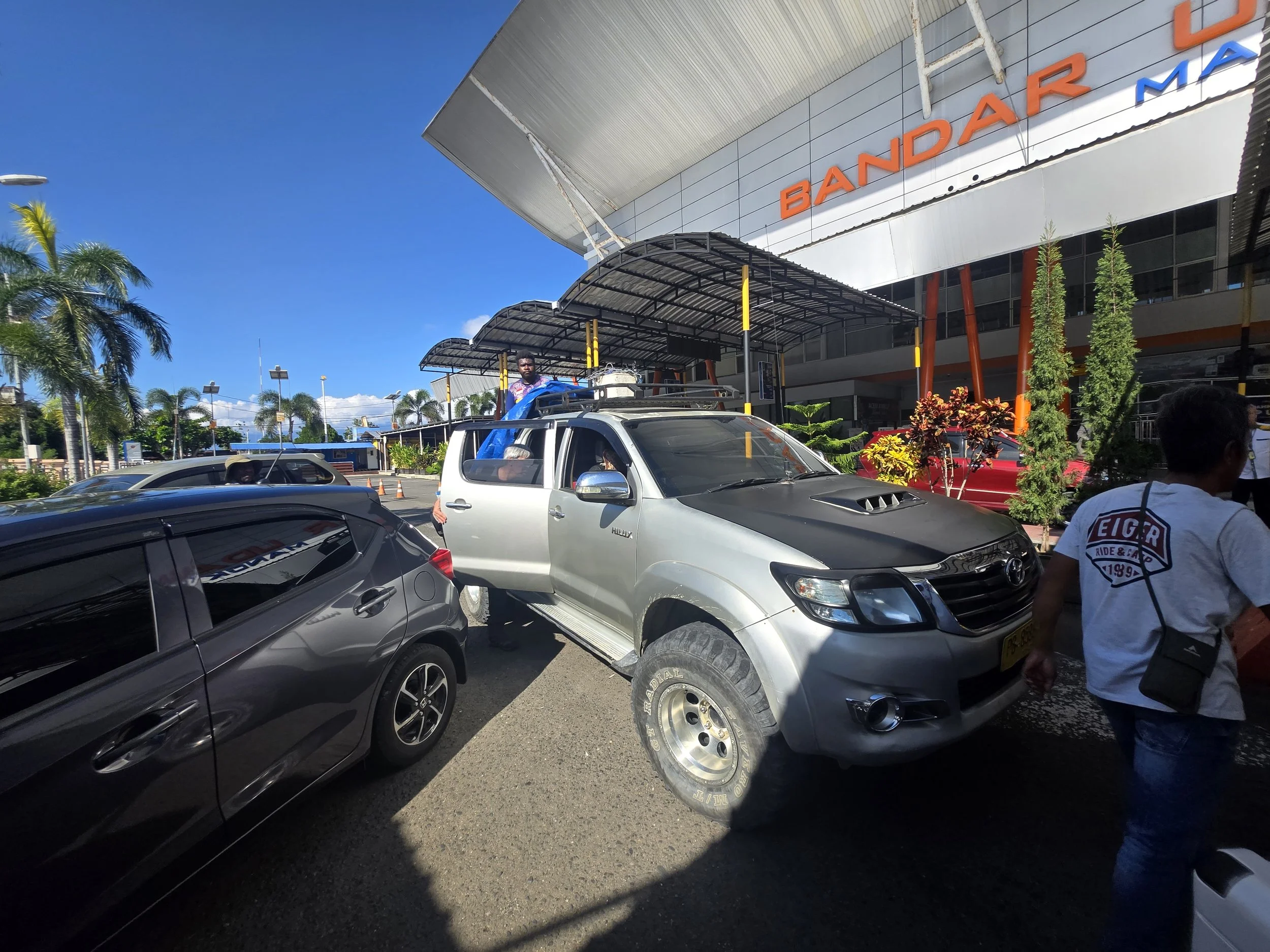
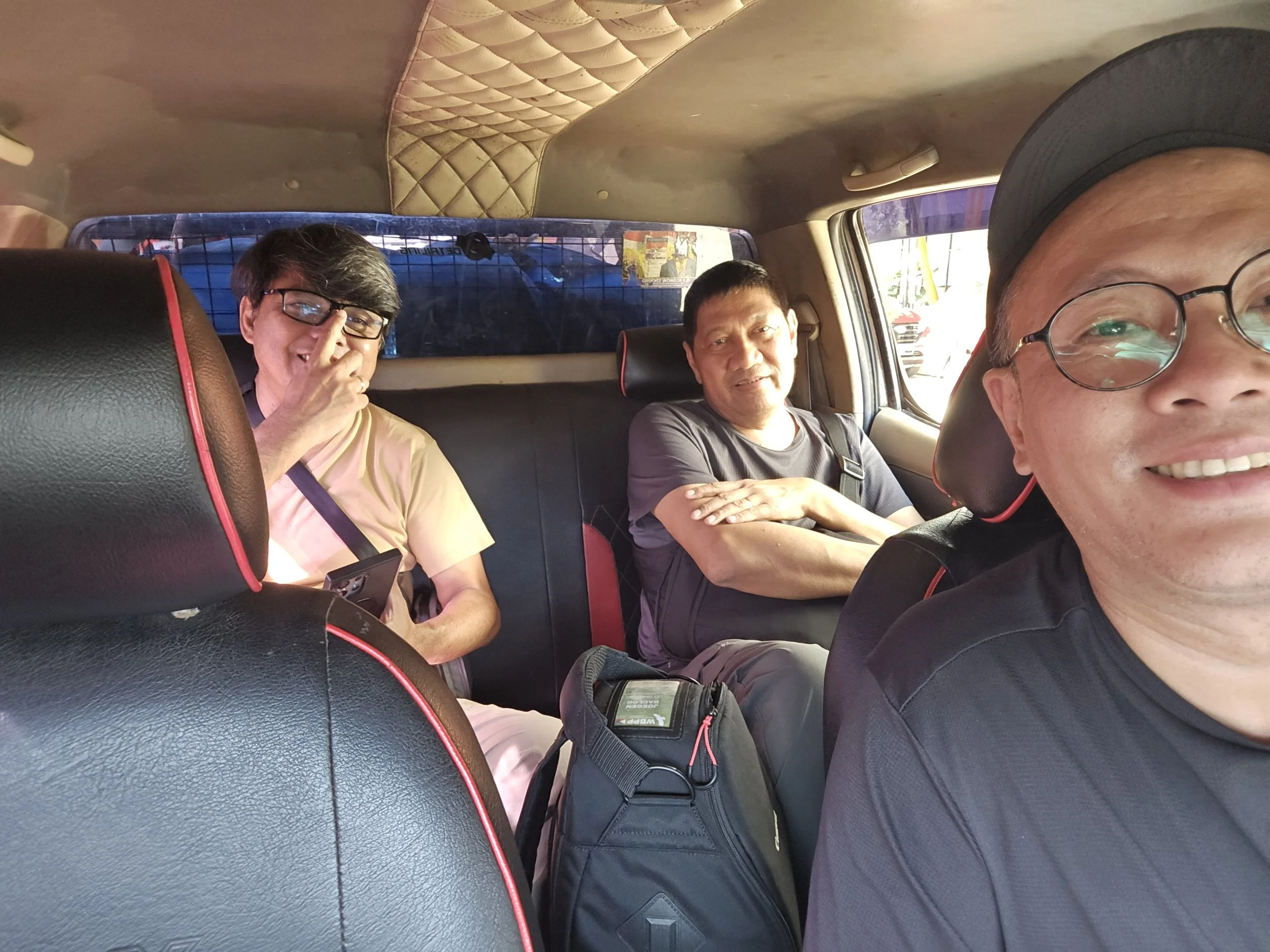
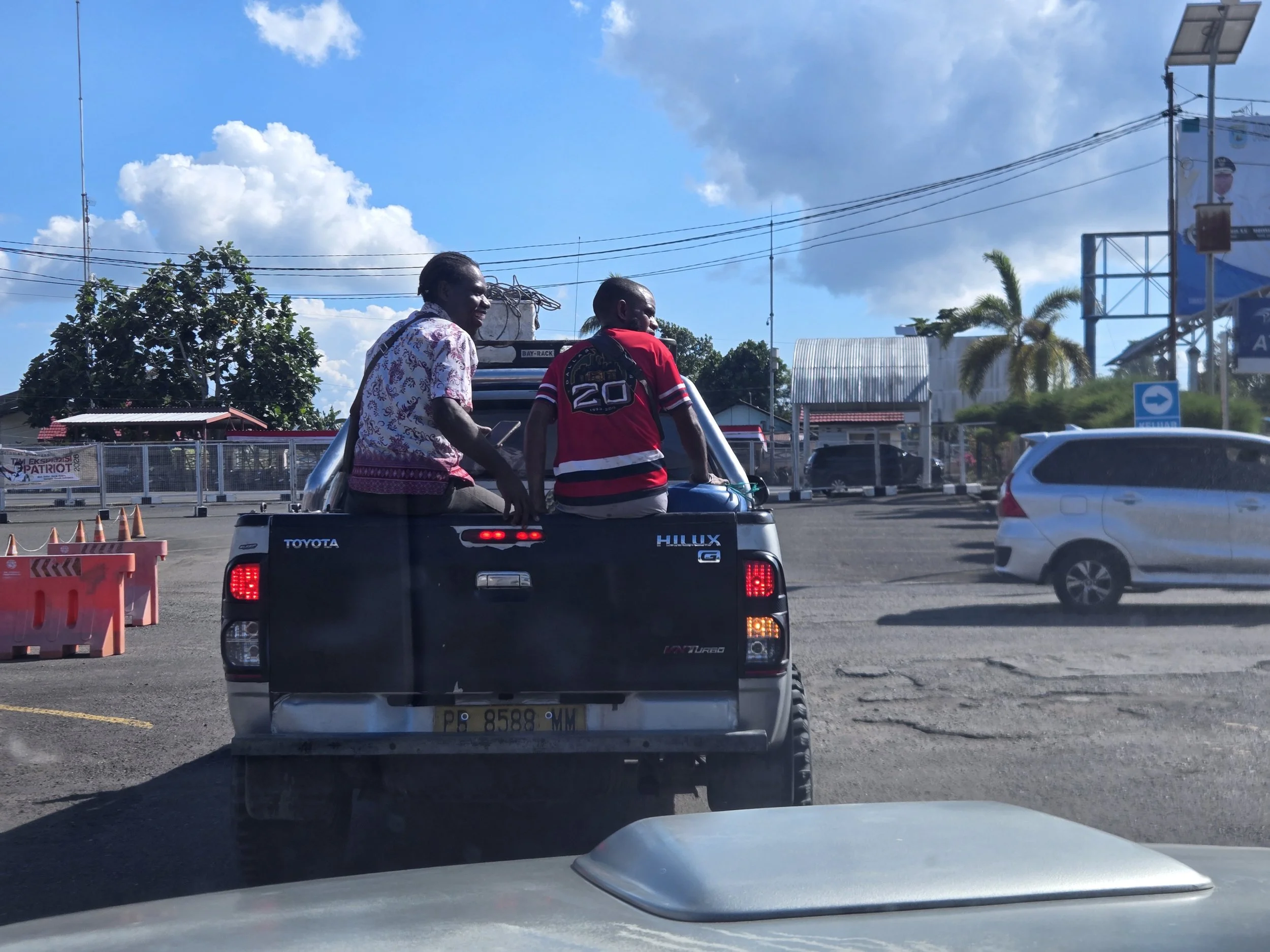
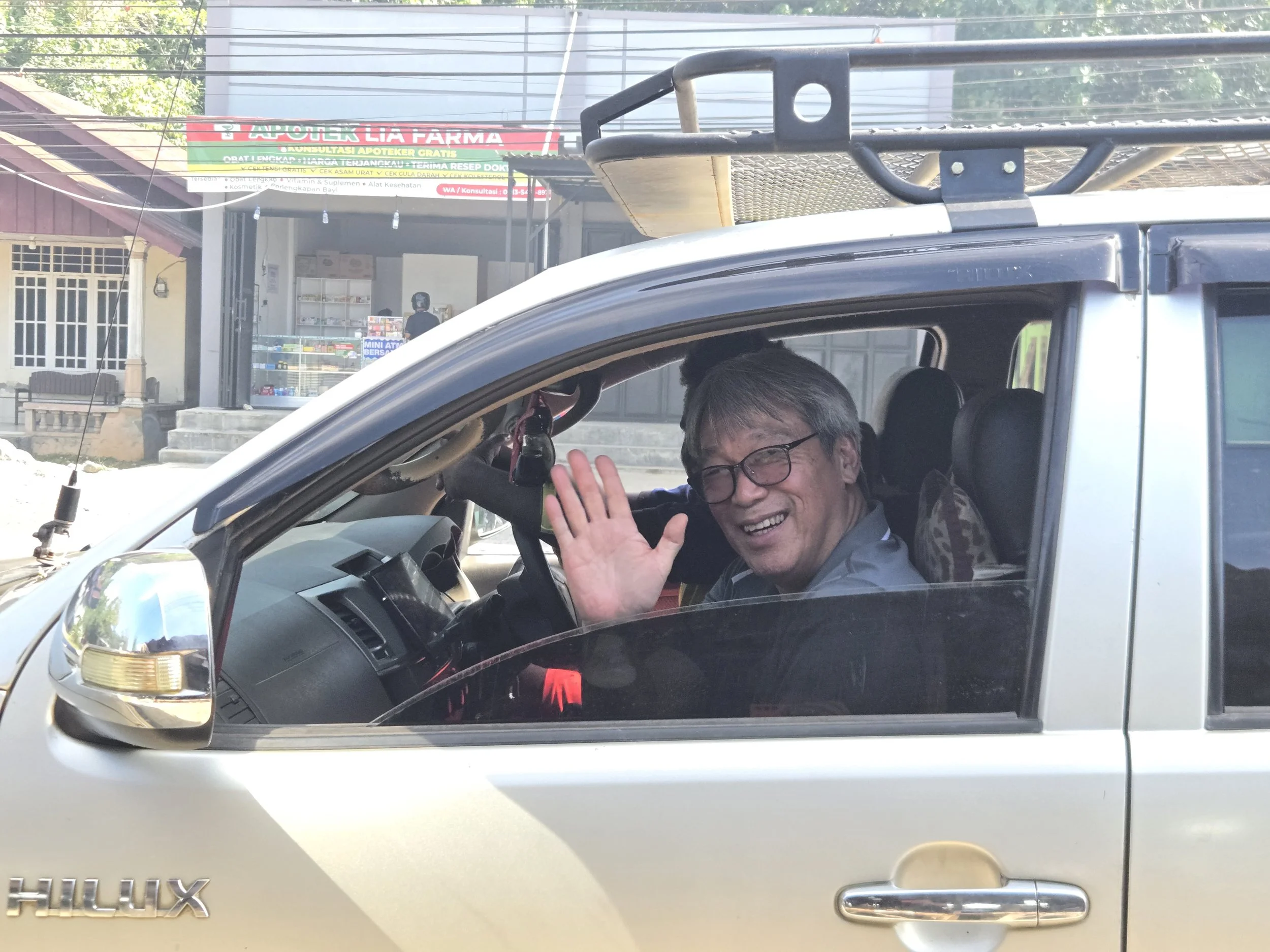
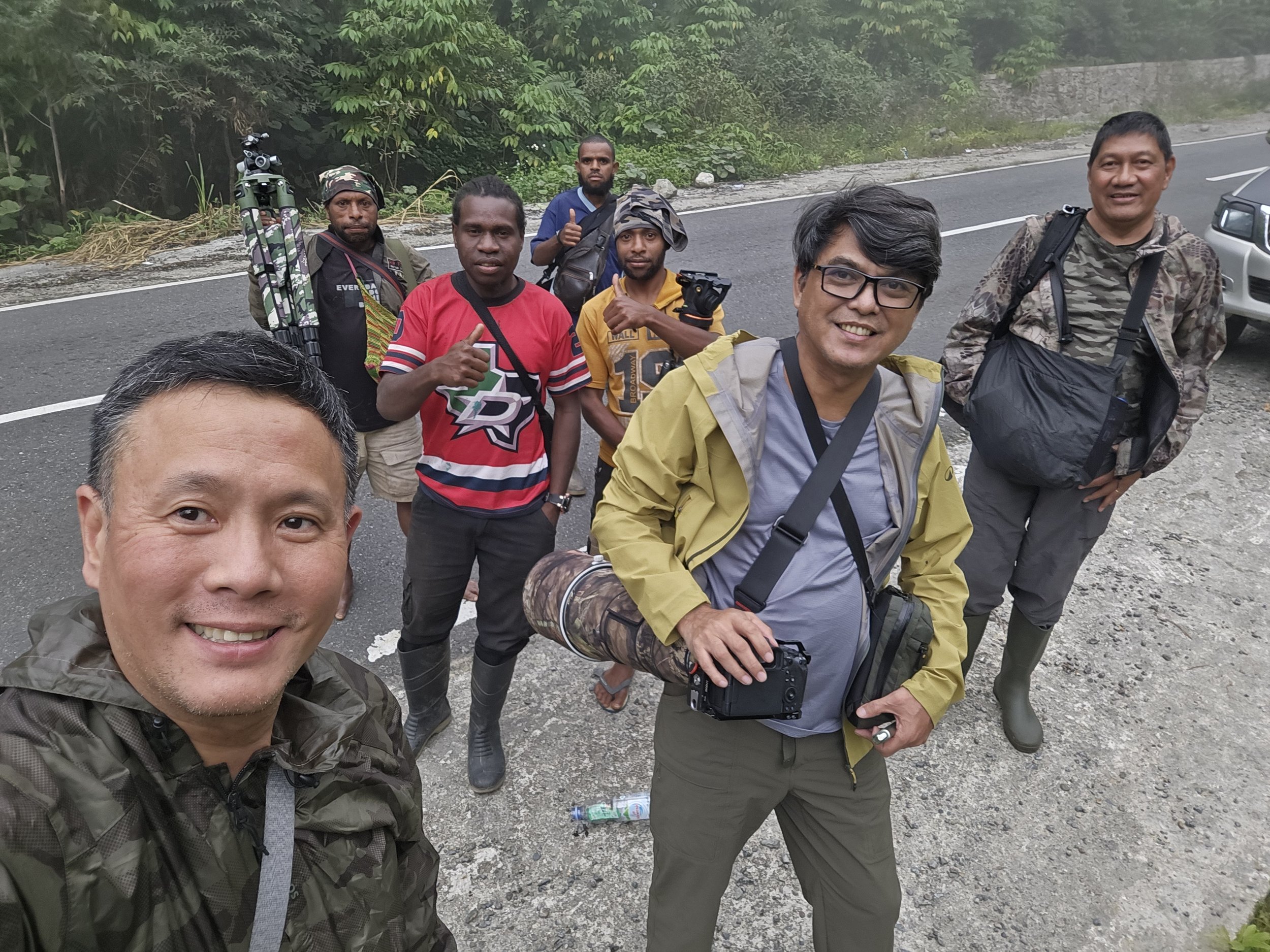
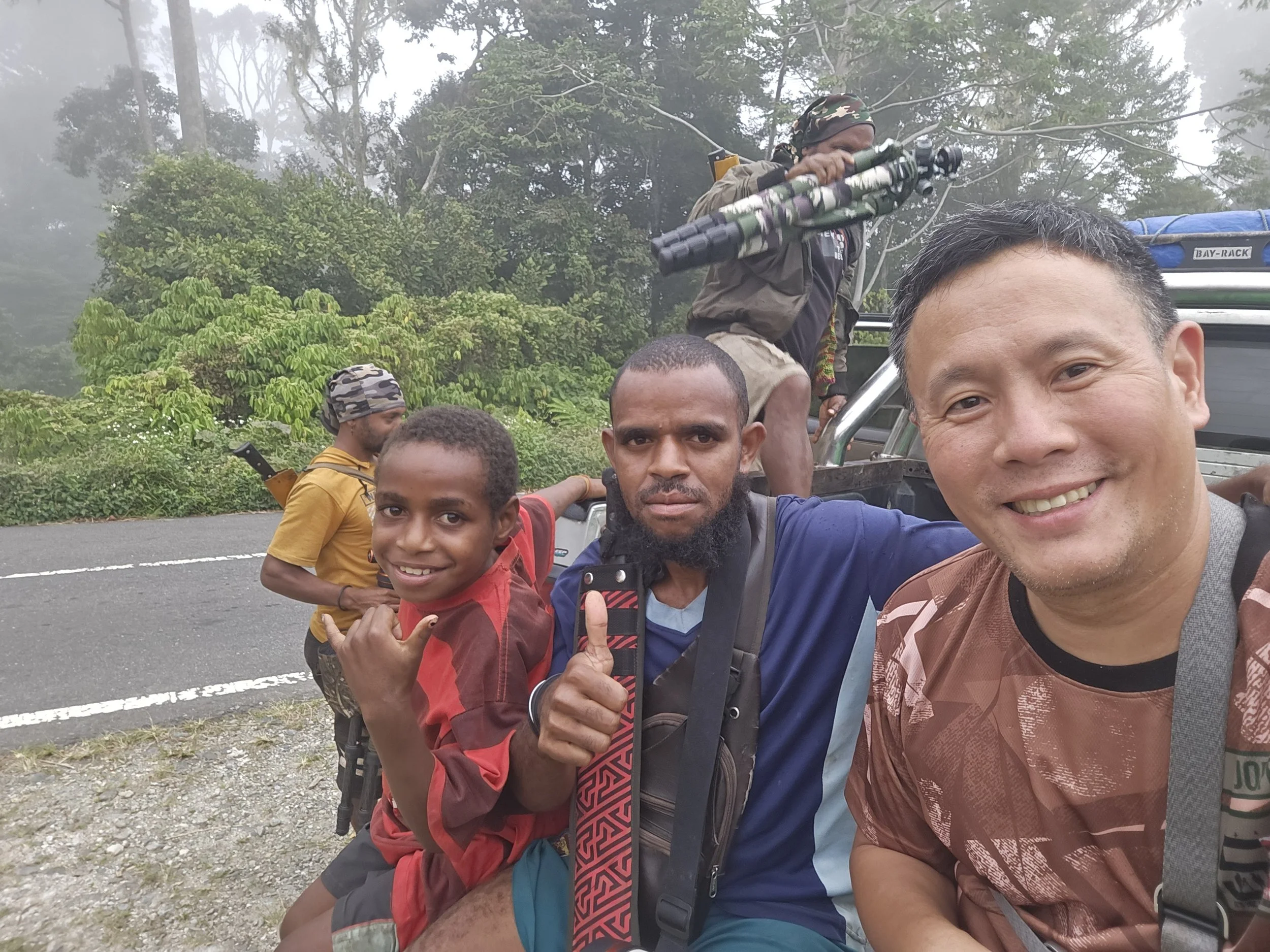
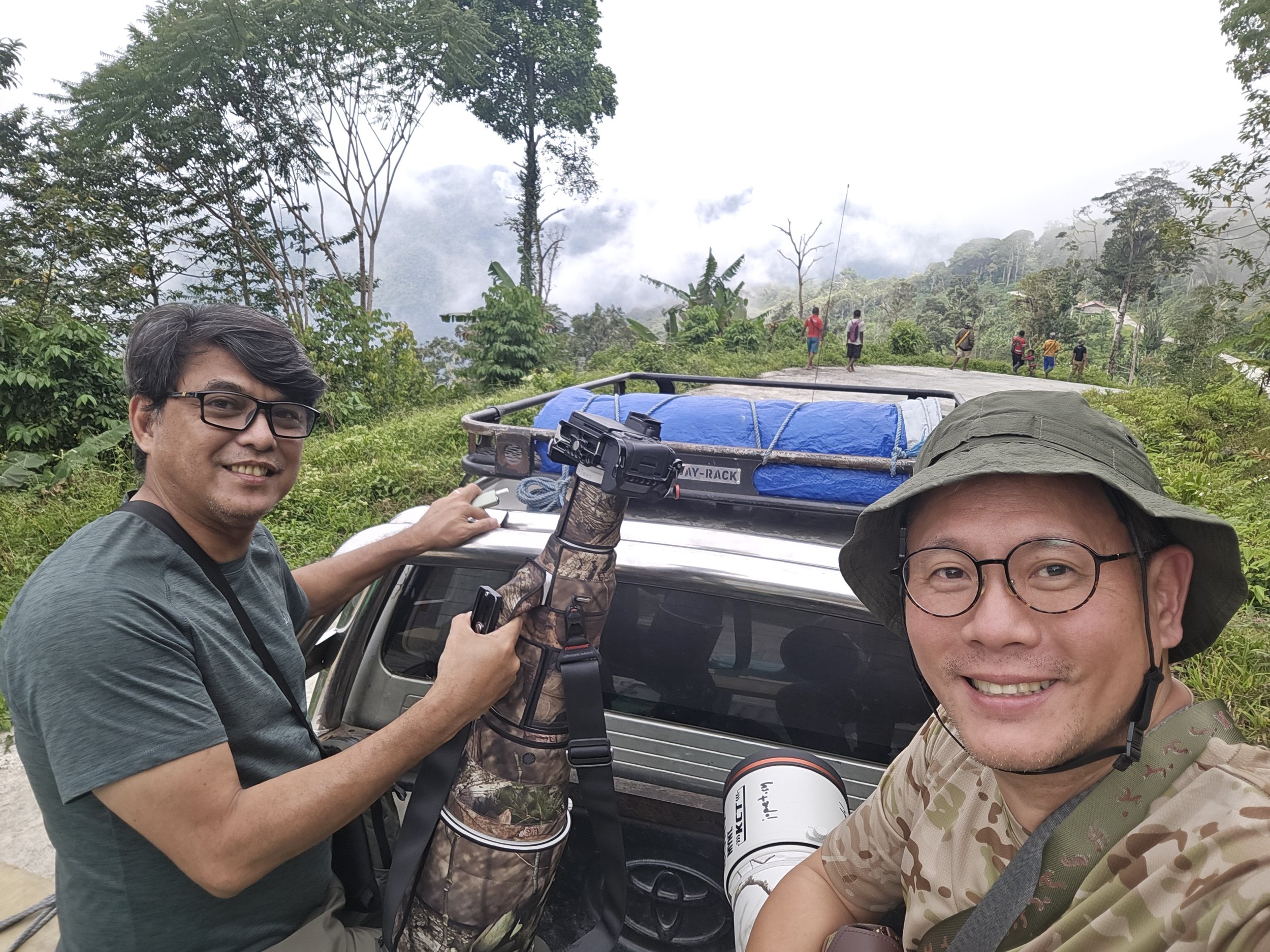
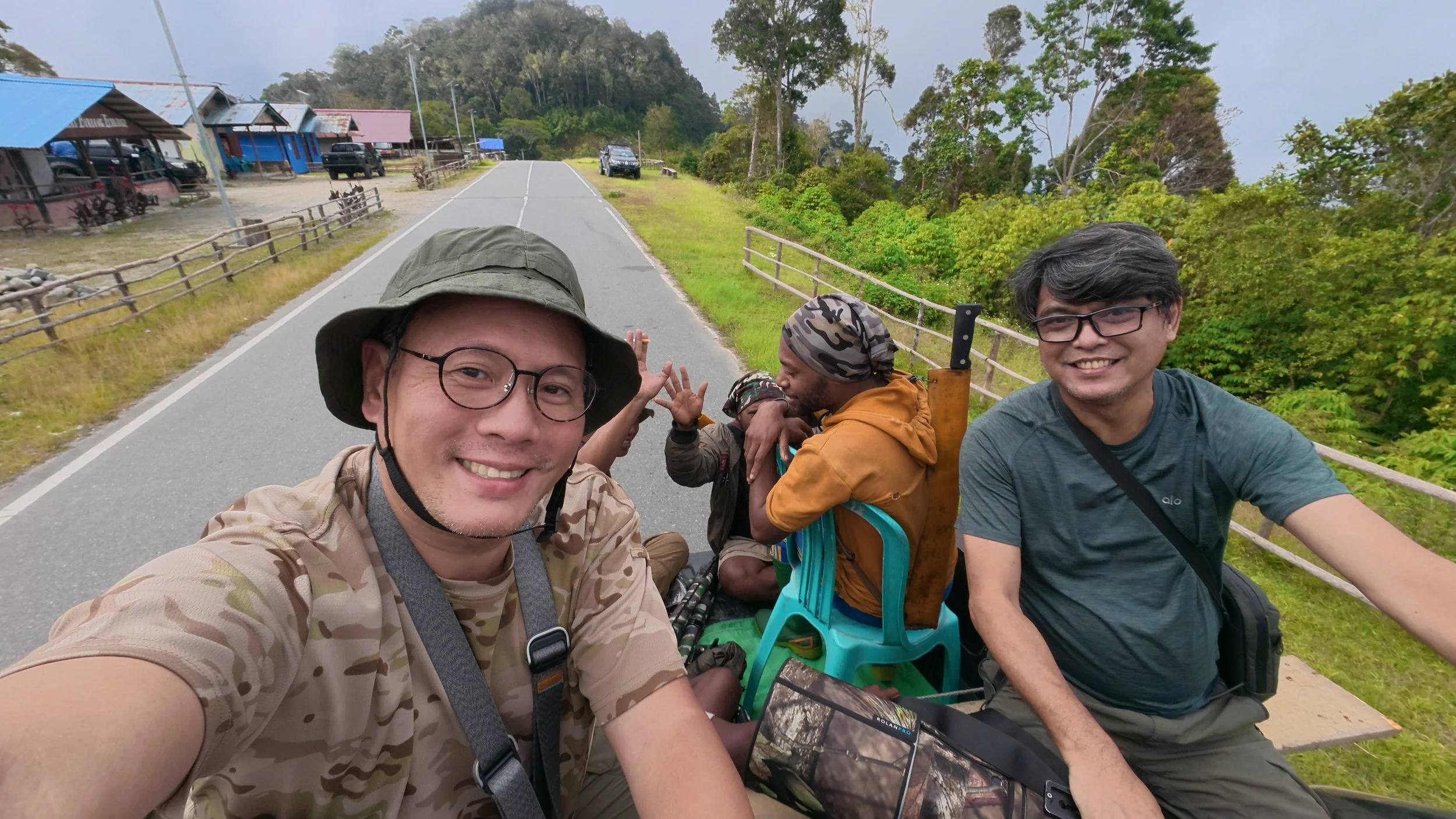
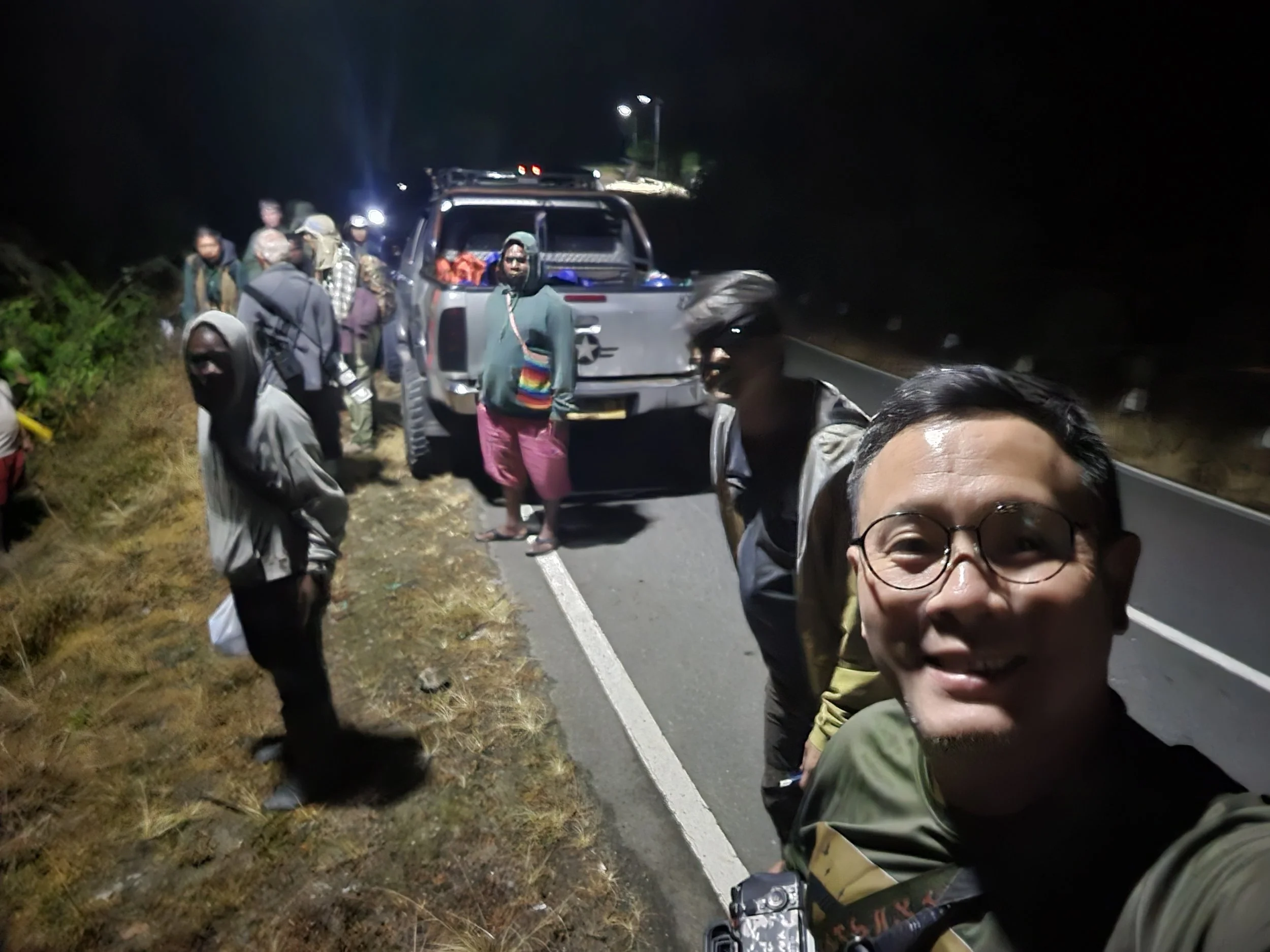
Upon arriving in Manokwari, Ateng was already waiting to pick us up. He came with members of the local tribe and two Toyota Hilux 4x4s, the unofficial official vehicles of the Arfak Mountains.
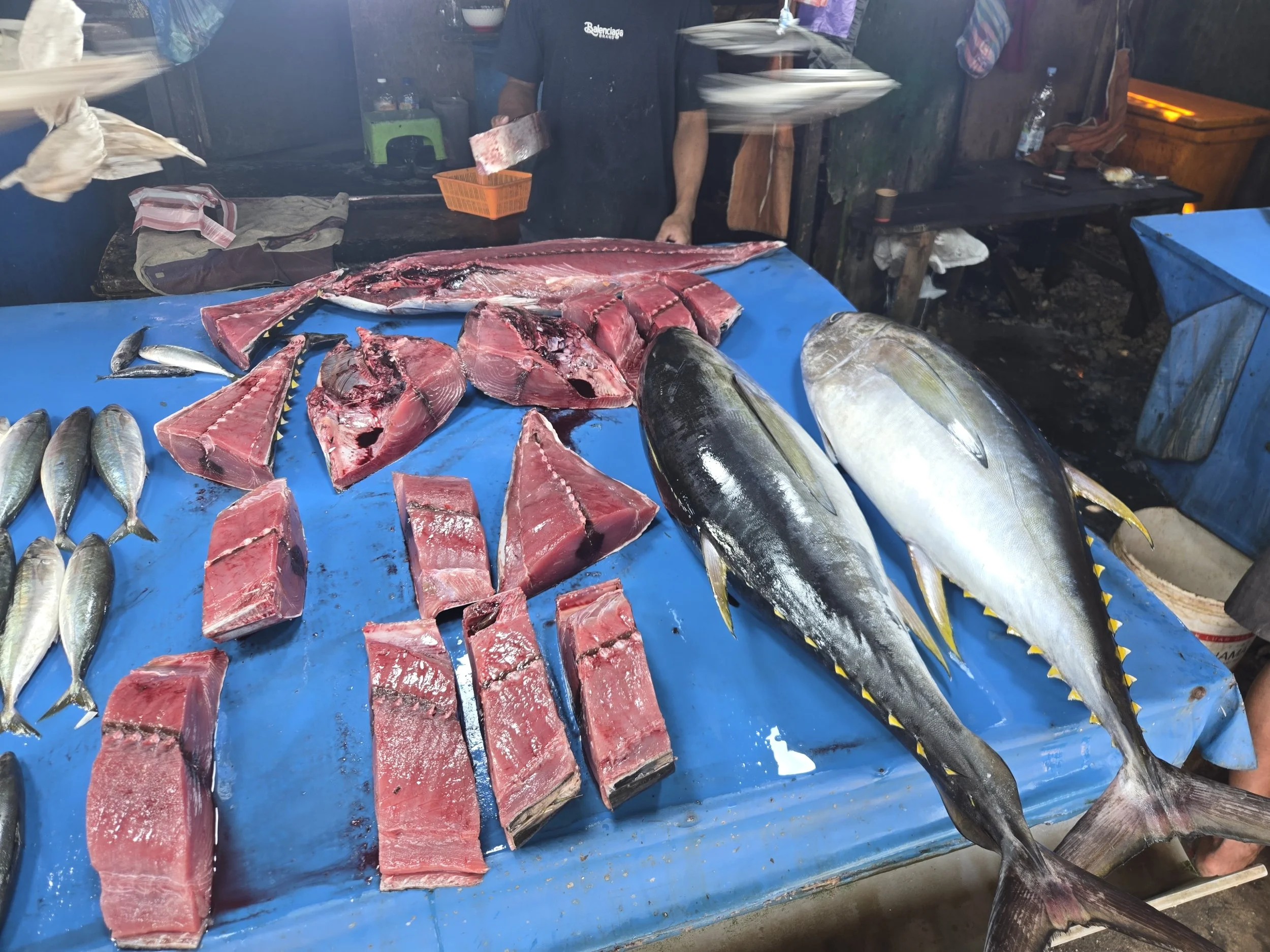
Before heading up, we stopped at a grocery store and a local market to stock up on supplies and buy fresh ingredients for the days ahead.
Then it was time to head into the mountains.
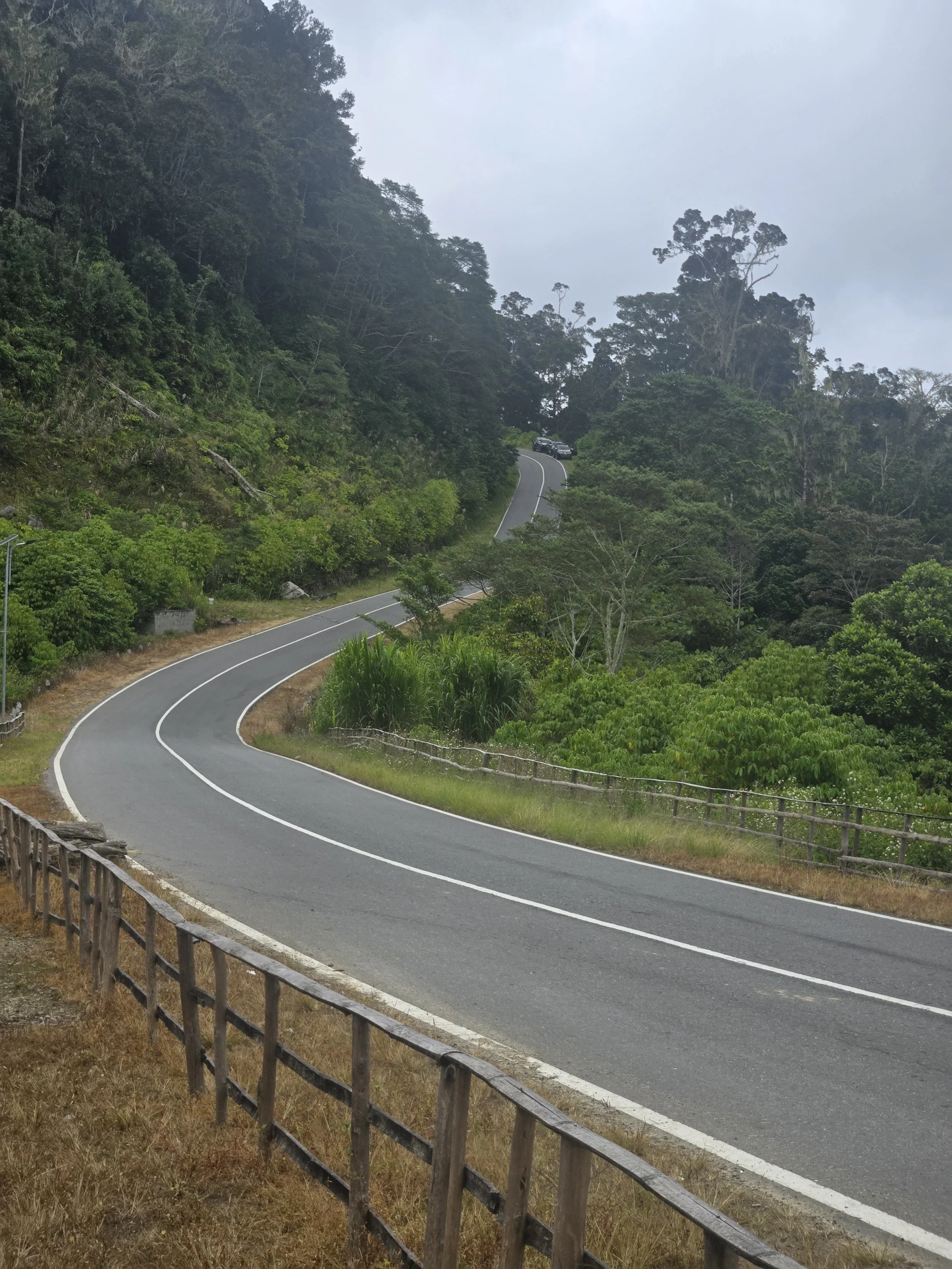
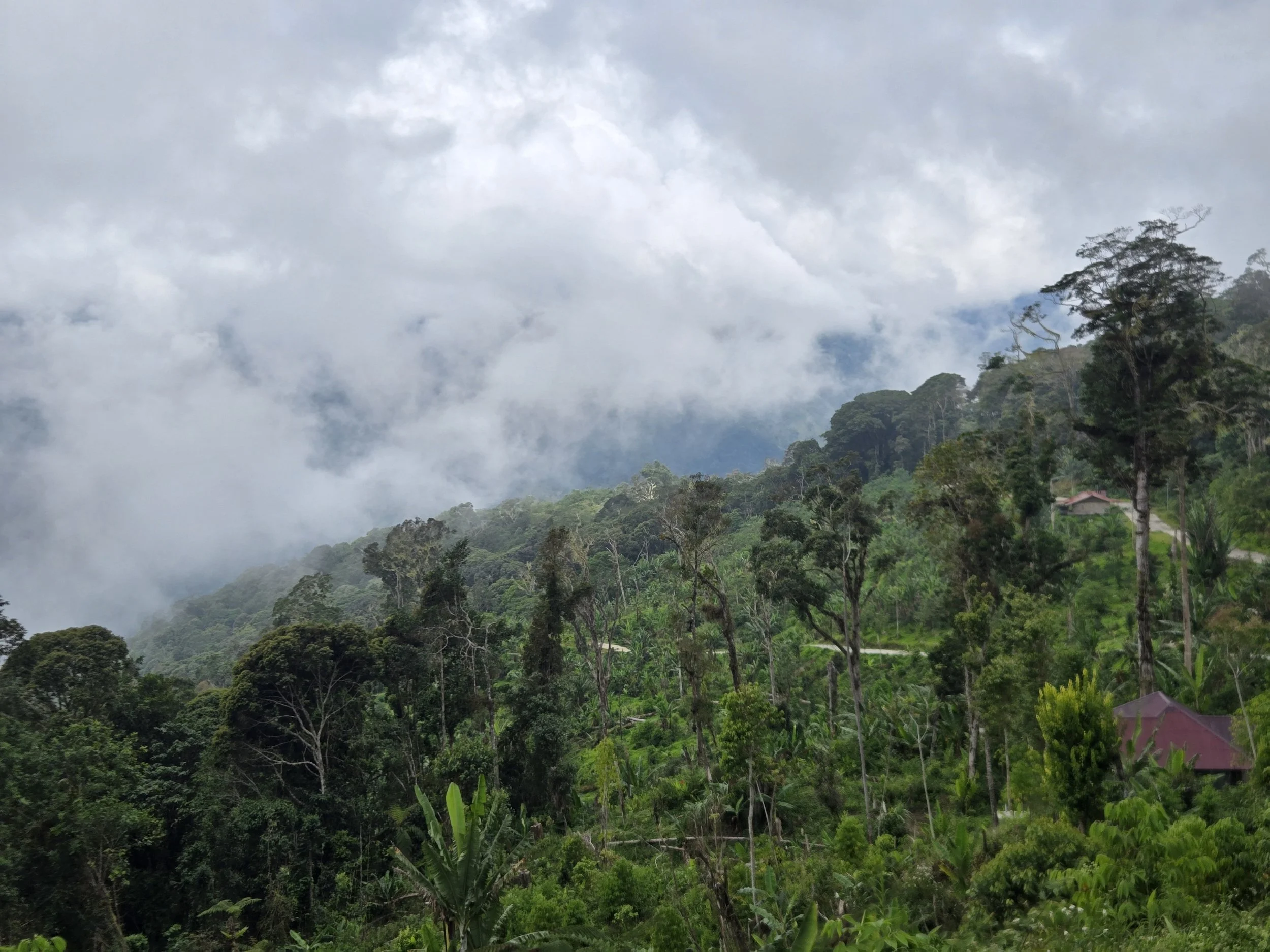
The drive to Arfak took about two hours. As we gradually climbed higher, the air became noticeably cooler and fresher. The Arfak Mountains sit at an elevation of around 1,700 to 1,900 meters above sea level, giving the area a completely different climate from the coastal regions below.
By the time we arrived, the temperature had dropped significantly. The days were cool and pleasant, while the nights were surprisingly cold. Coming from the Philippines, it was a welcome change and a reminder that we were truly in a unique corner of West Papua.
WHERE WE STAYED
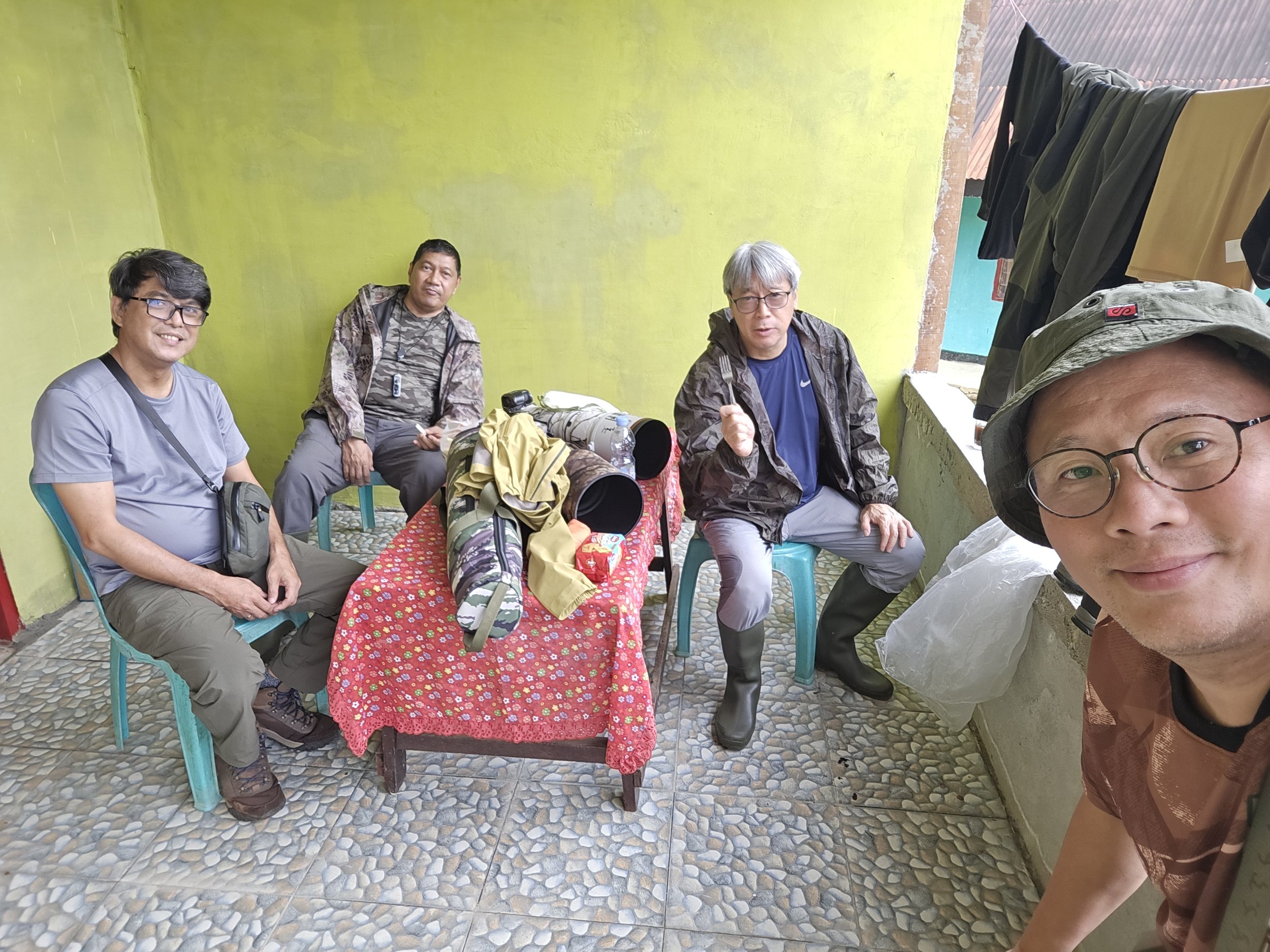
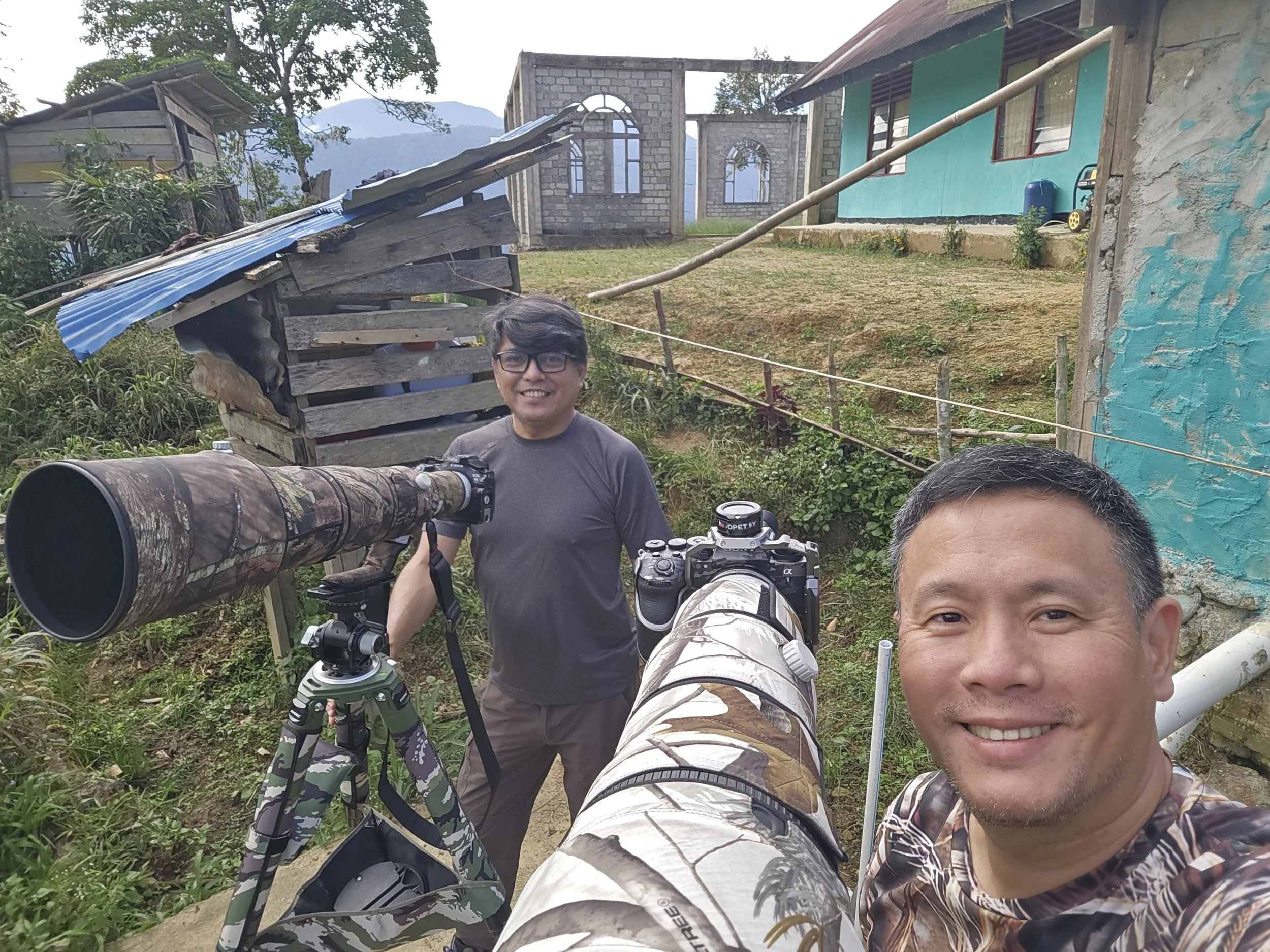
There are no resorts or five-star hotels in Arfak. The standard accommodation is a homestay, and we stayed at one managed by Freddie, who is both the owner and one of the local guides in the area.
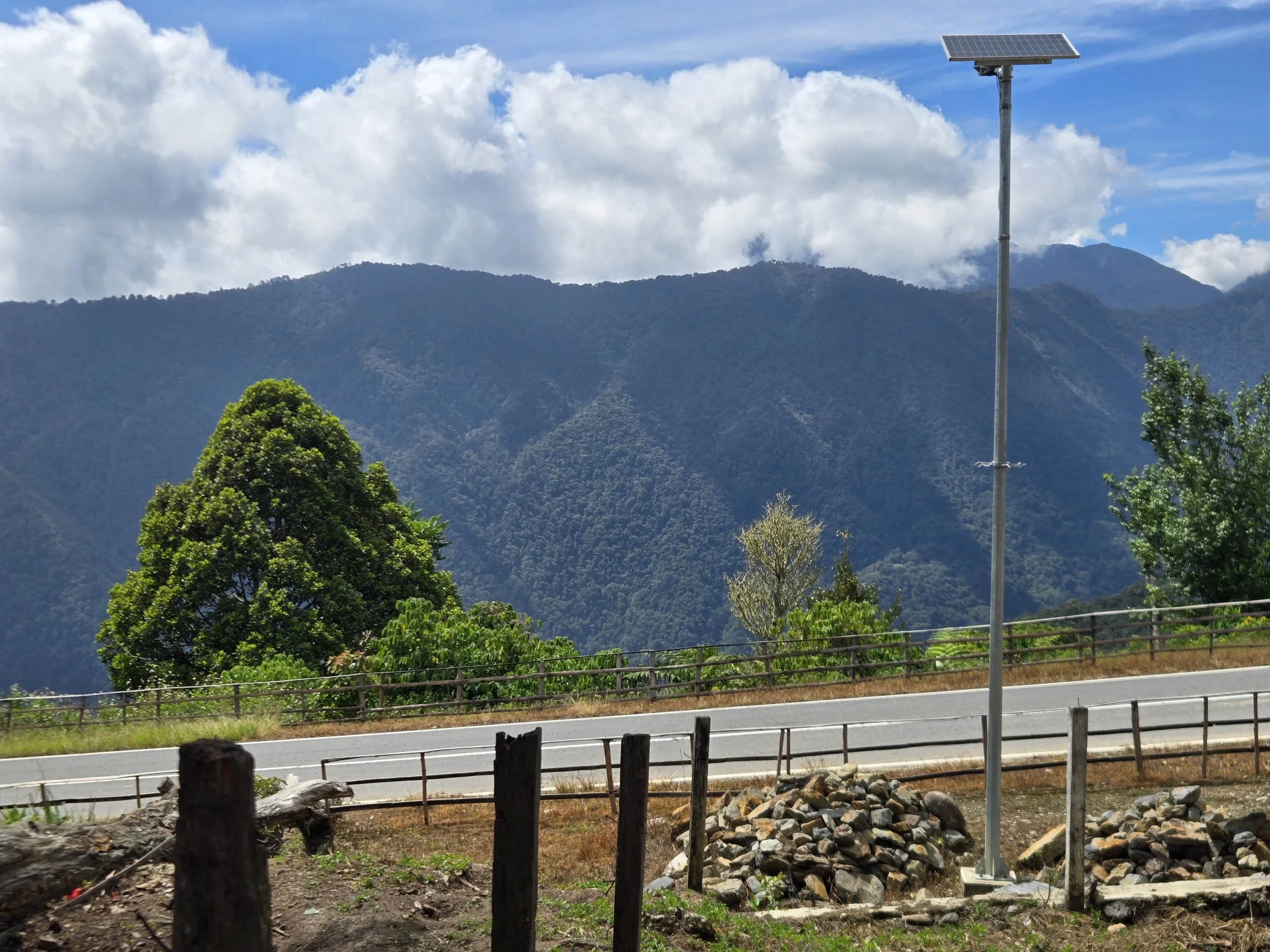
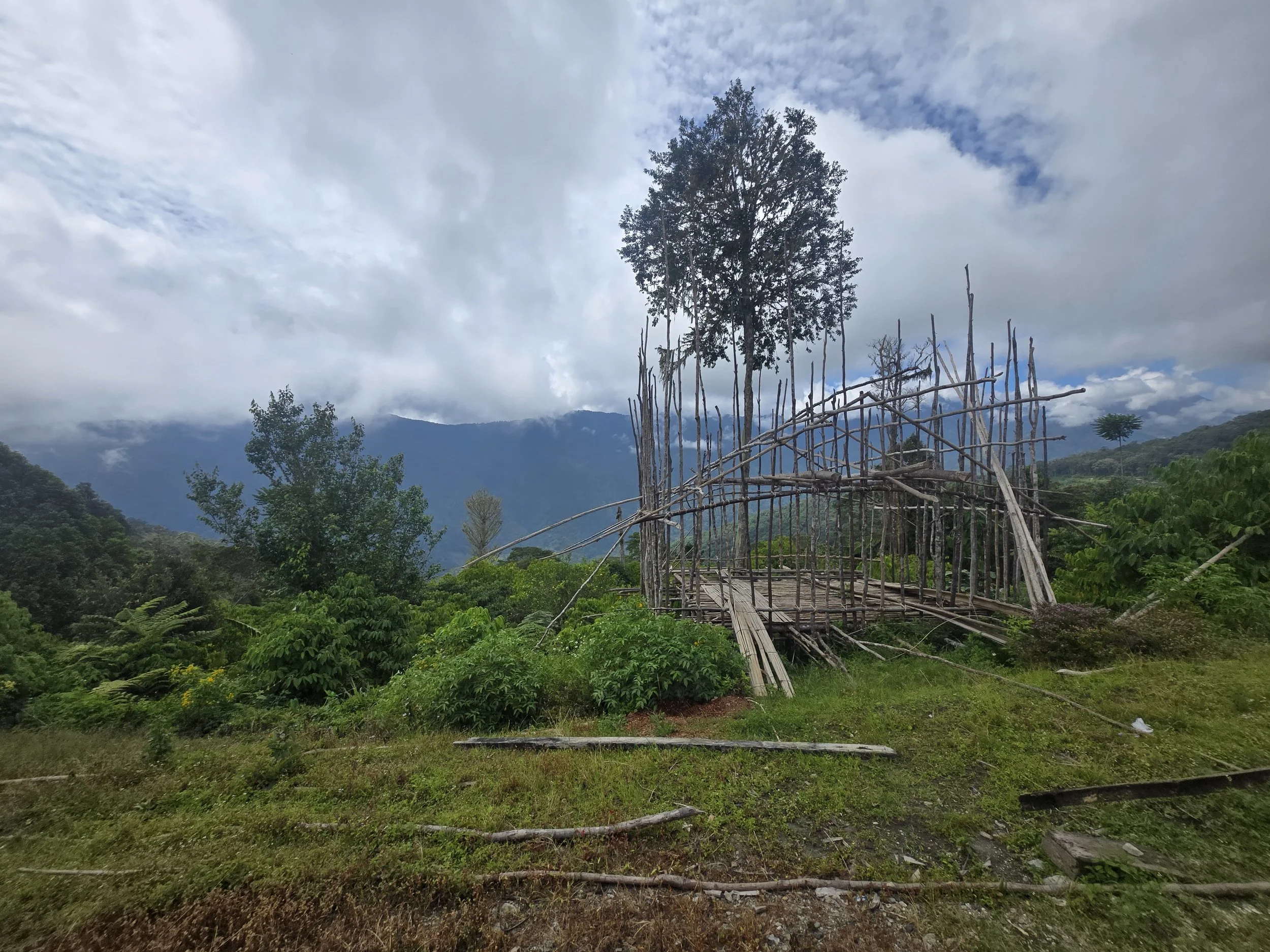
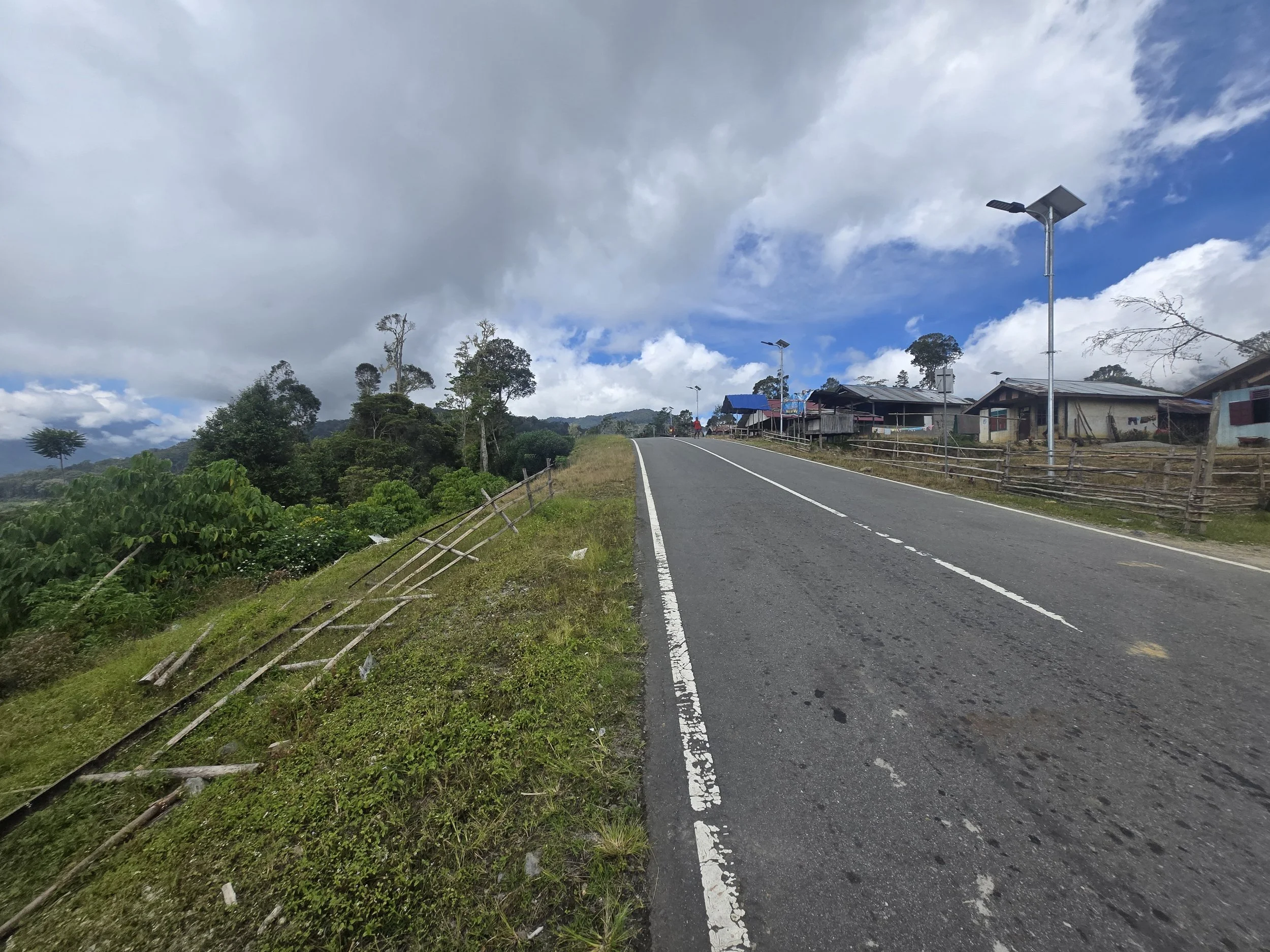
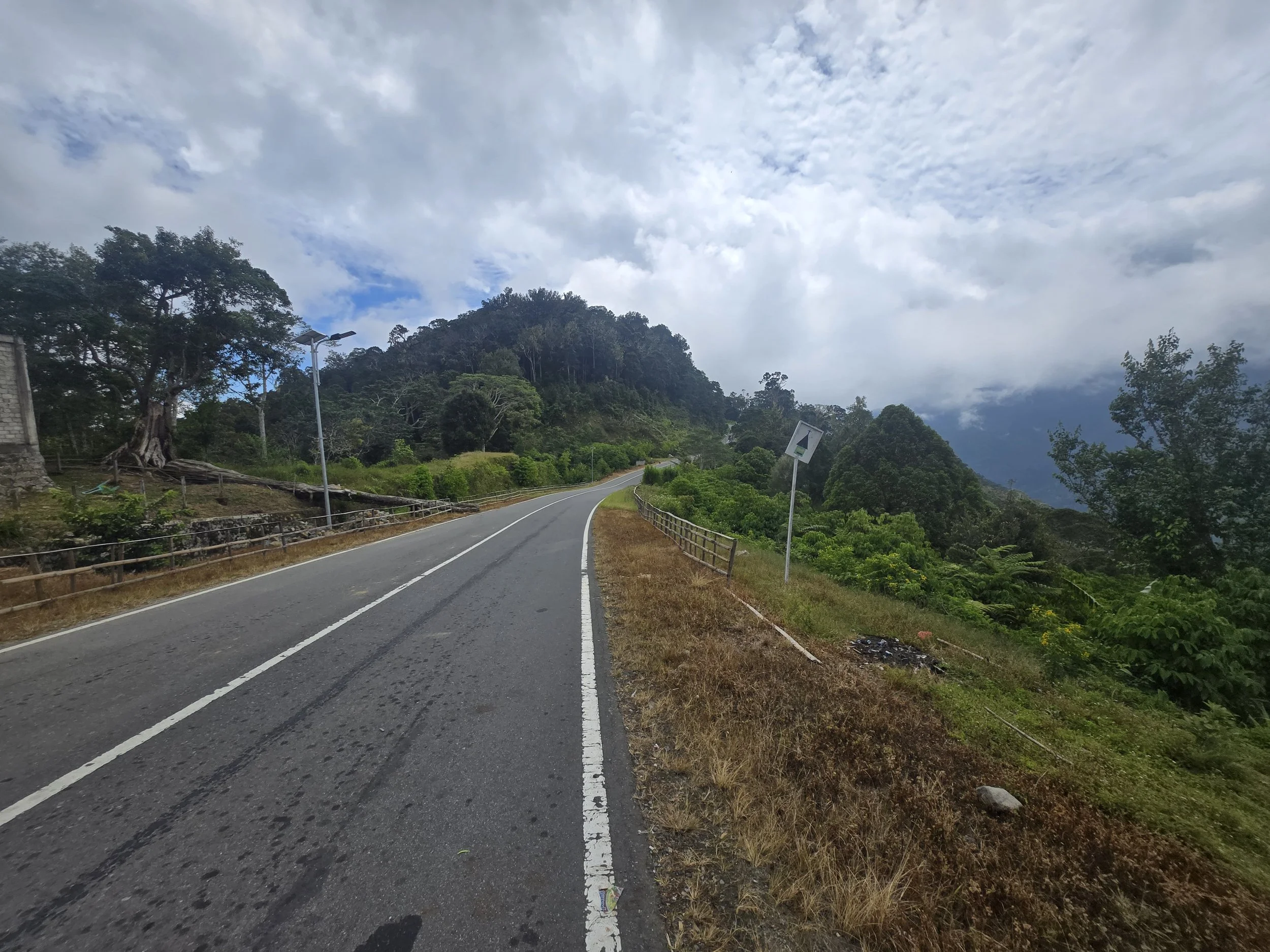
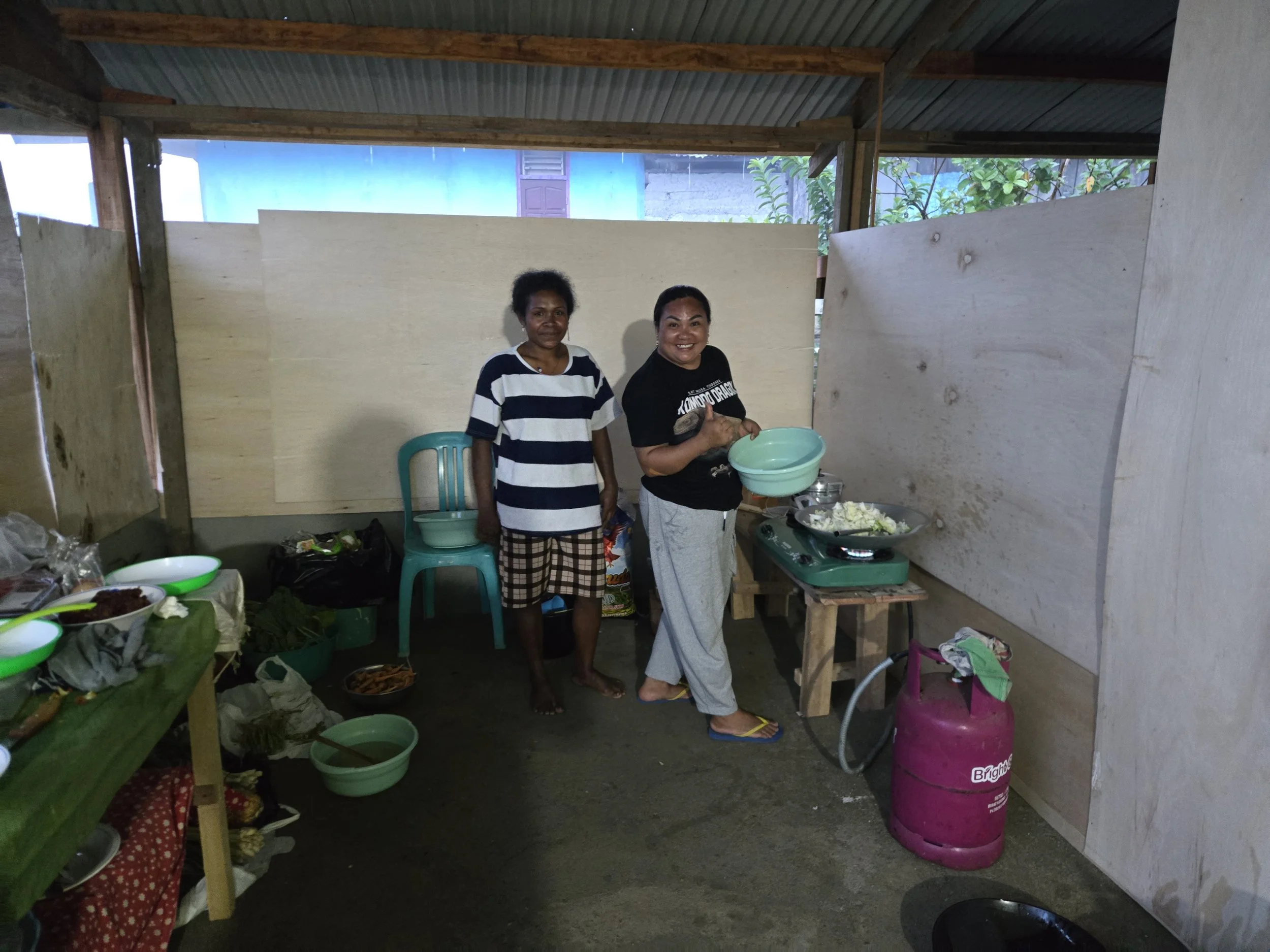
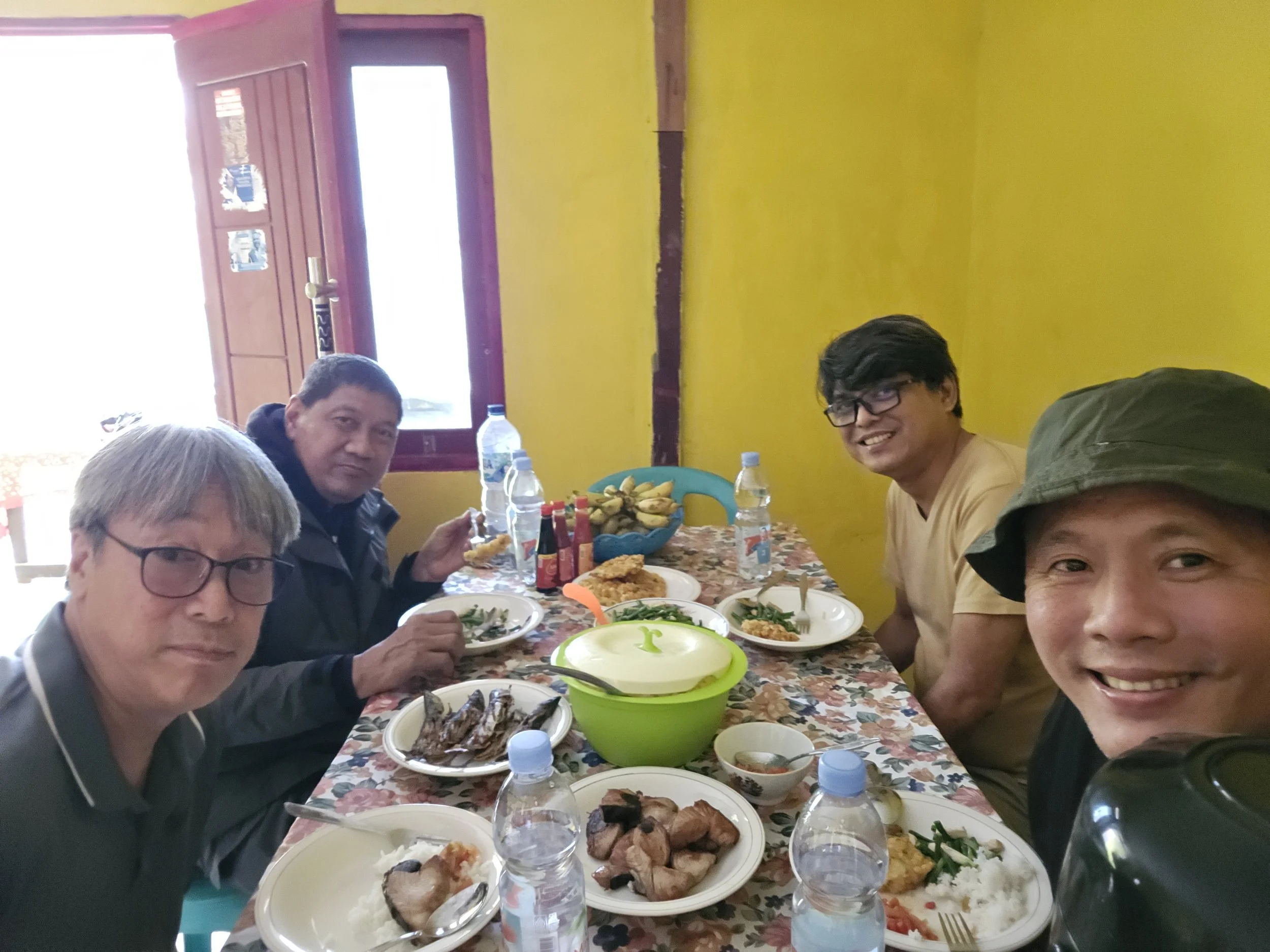
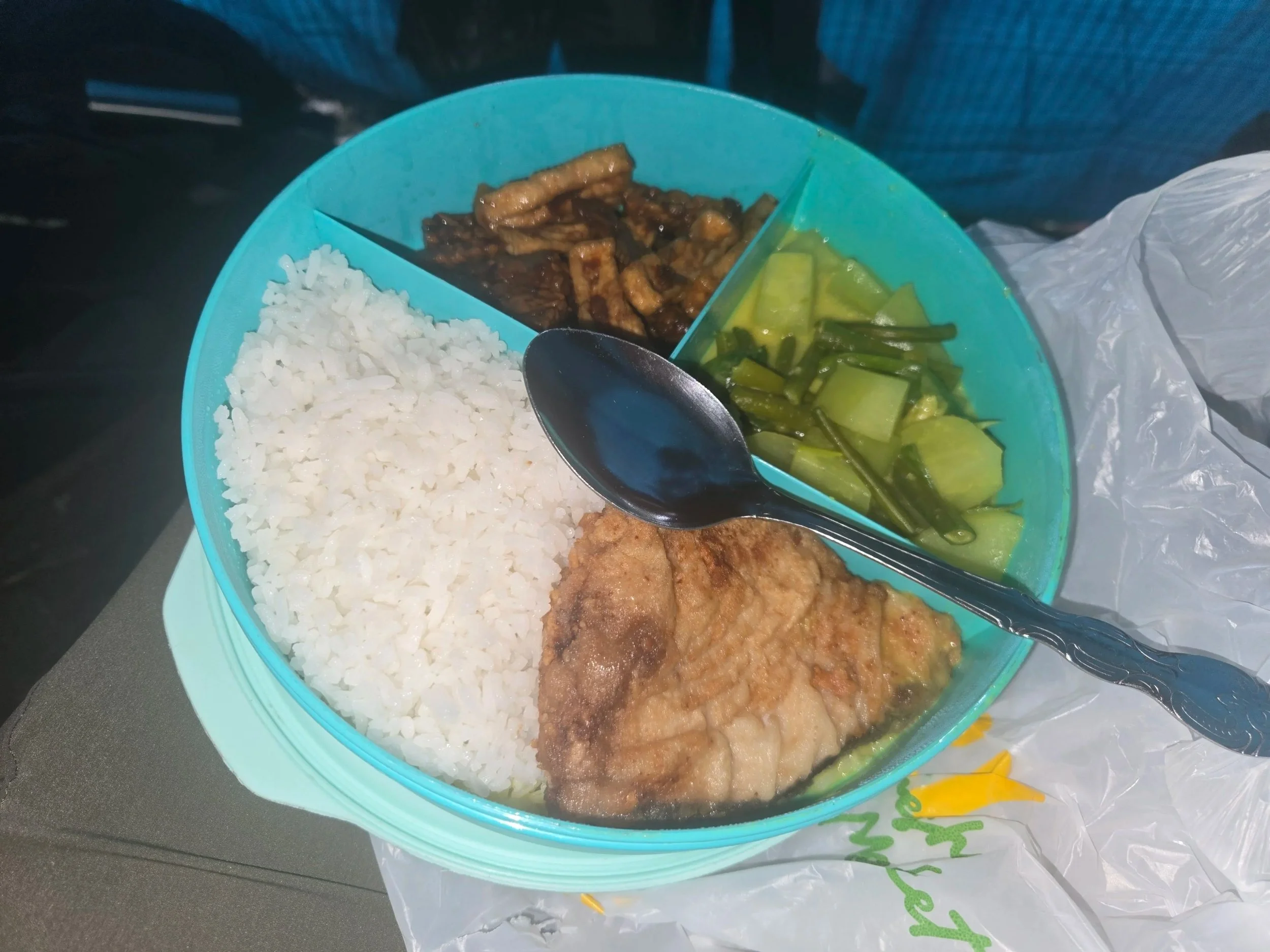
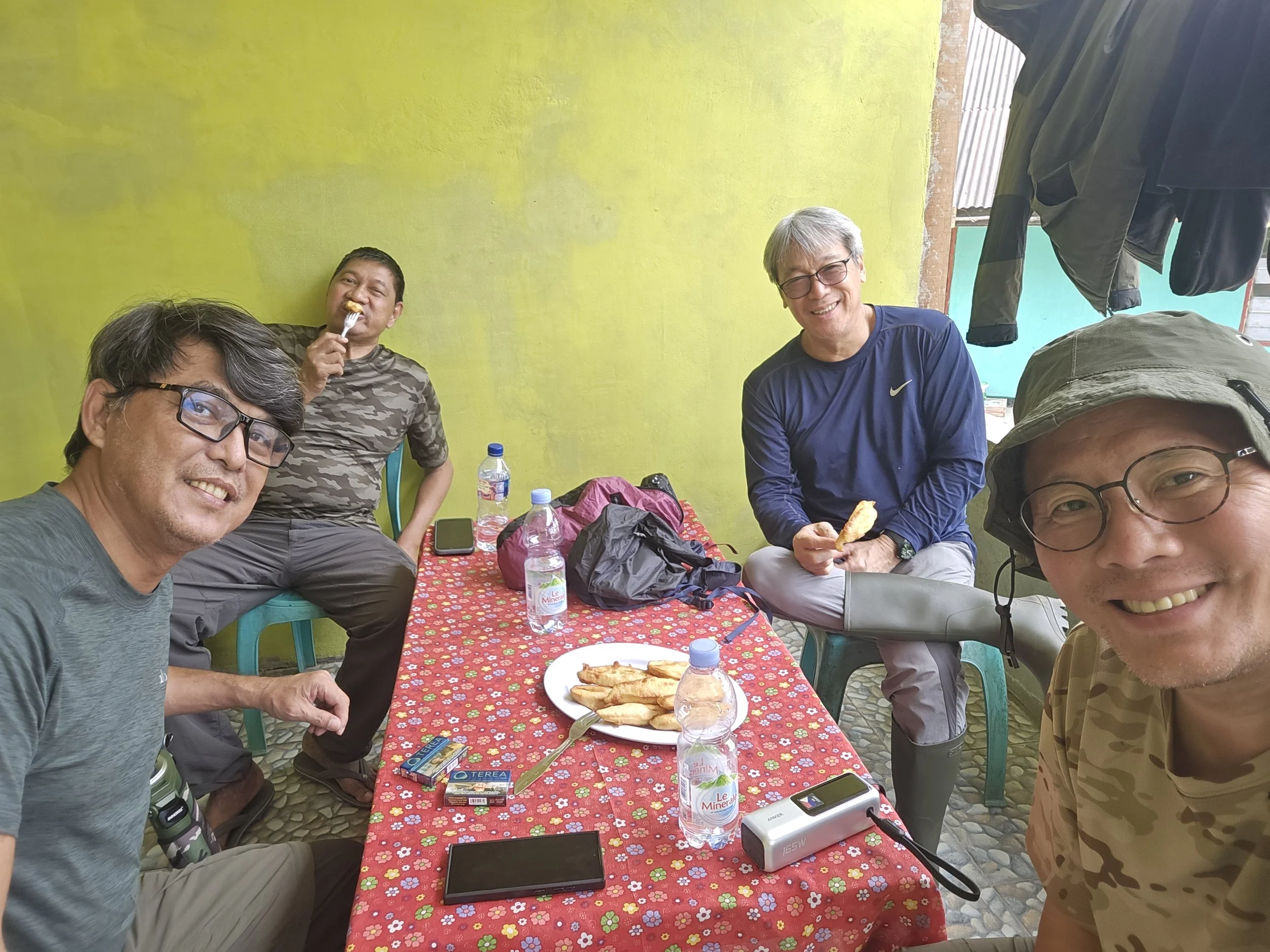
Upon our arrival, Ateng's wife immediately started preparing our meals. Throughout our stay, we were treated to some of the best local Indonesian dishes I have ever tasted, not to mention the best sambal. They took care of all our meals during our time in Arfak, and every dish was prepared fresh and with great hospitality.
Our room was simple, with two single beds. One of the best tips I learned from Amo Henrick was to bring a sleeping bag. It turned out to be the perfect extra layer for warmth and comfort during the cold mountain nights.
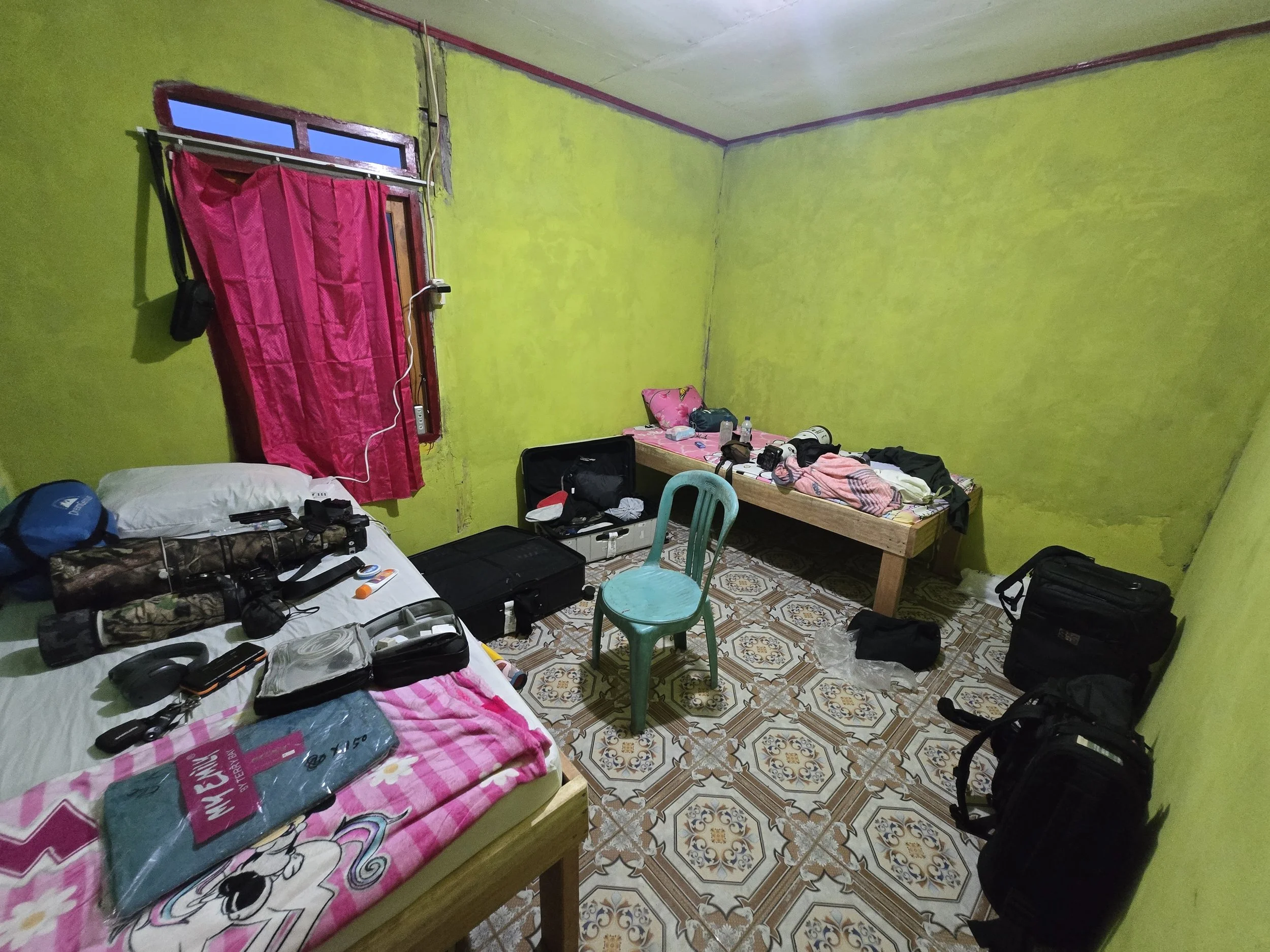
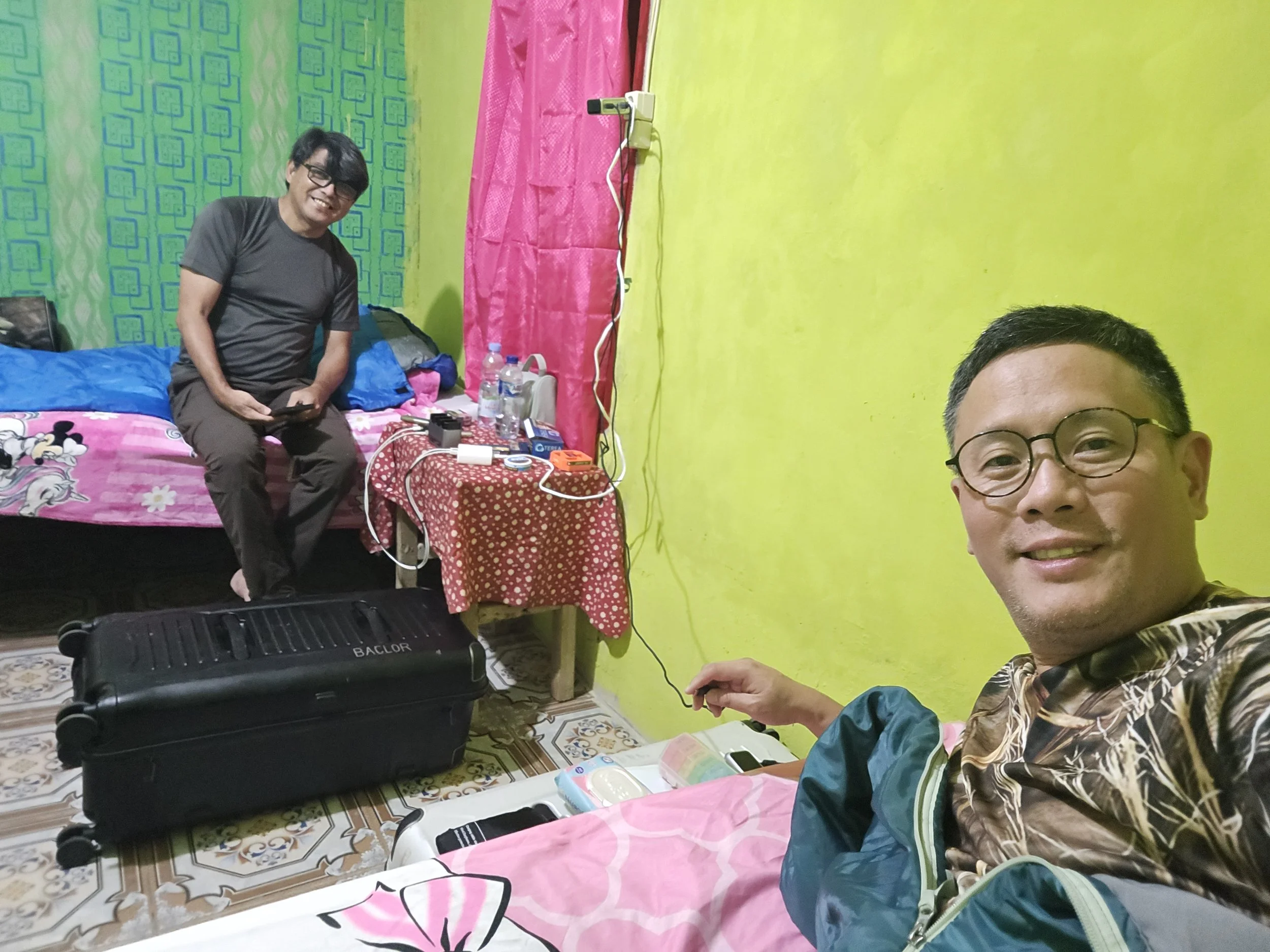
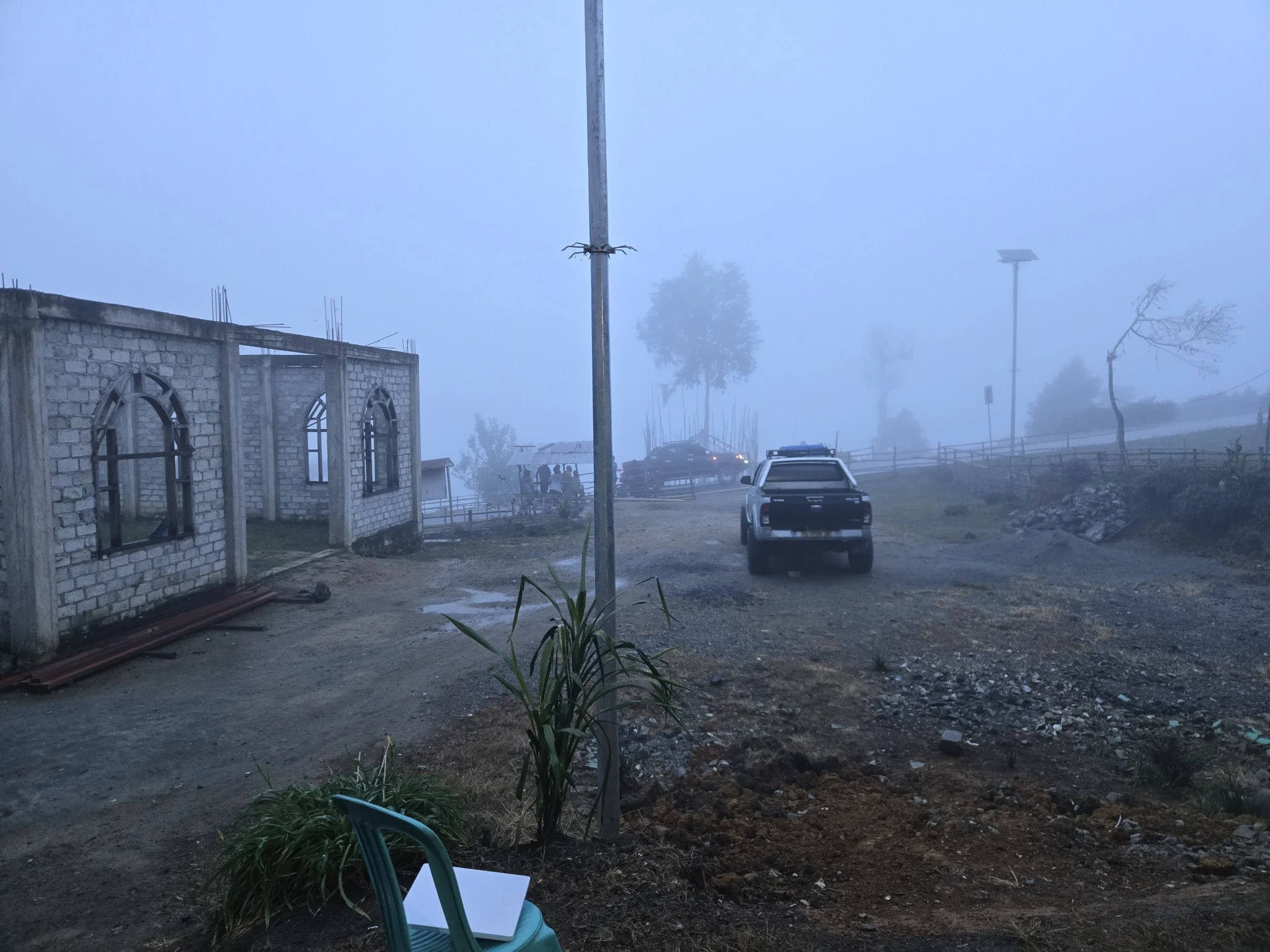
The shared toilet and bath were located about 30 steps away from the rooms and were used by all the guests staying at the homestay. It had hot water and a bidet, more than enough for what we needed. The water heater, however, did not always cooperate. Imagine taking a bath in cold mountain water while the temperature outside drops to around 18°C on some nights. Surprisingly, I found it refreshing after a long day of birding.
One thing to keep in mind is that there was absolutely no mobile signal in the area. Electricity was also limited. Thankfully, I brought a Starlink unit, which became our lifeline to the outside world. Power came from a generator that operated only from 5 PM to 9 PM each day, so charging batteries, cameras, and other gear required careful planning.
Despite the simple accommodations and limited amenities, staying in Arfak was all part of the experience. After all, we were there for the birds, and being surrounded by the mountains and rainforest made every inconvenience worthwhile.
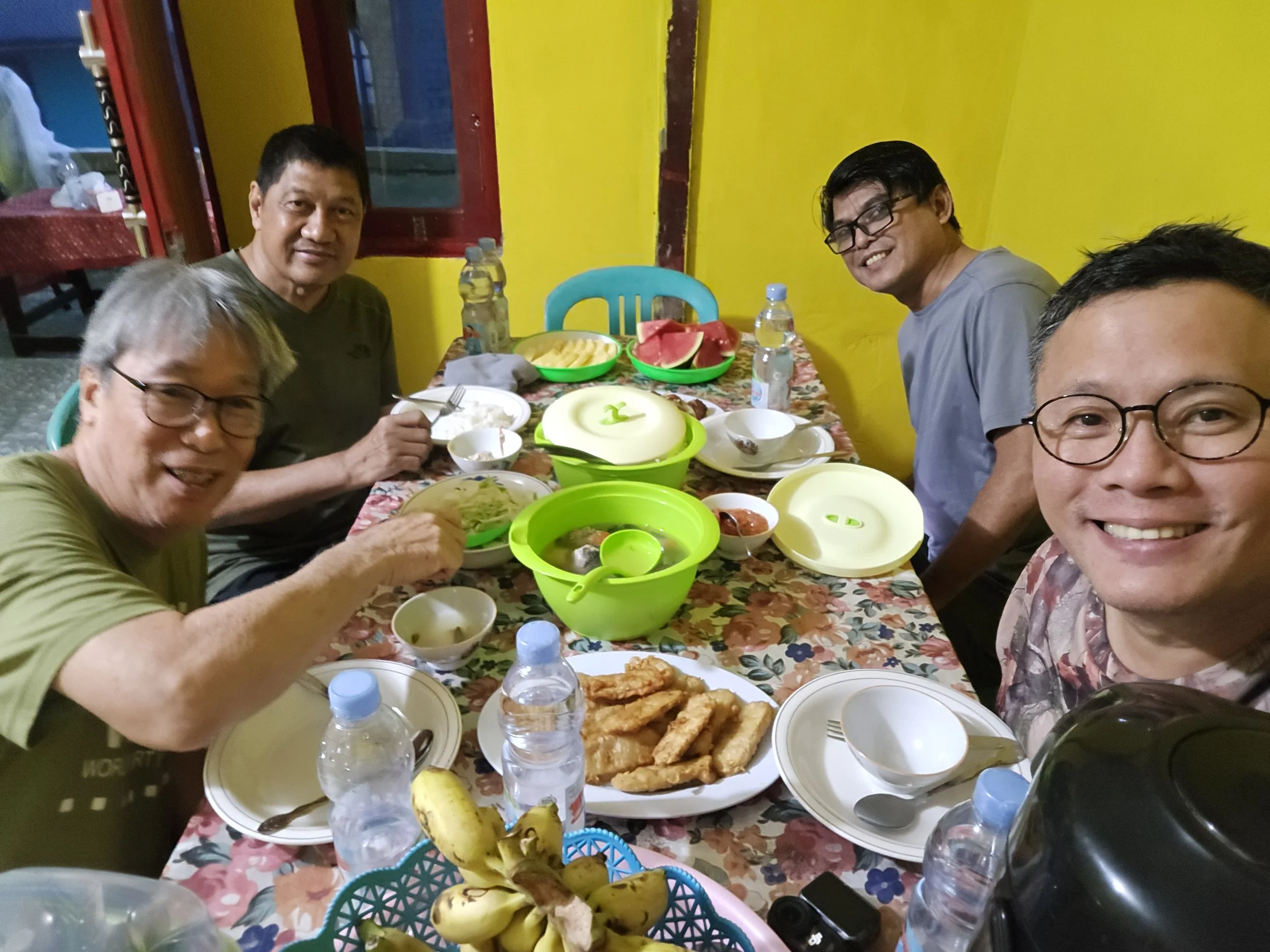
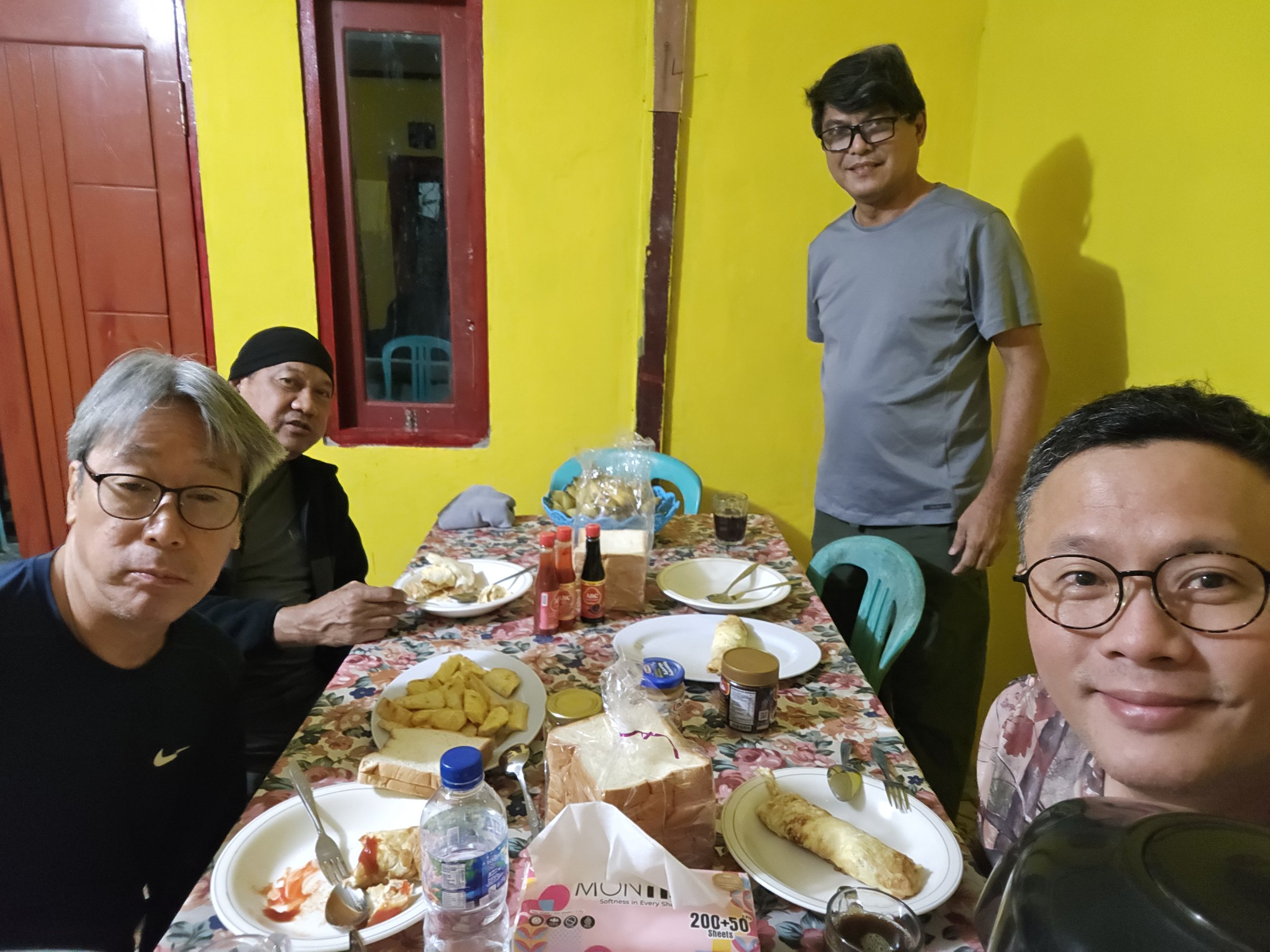
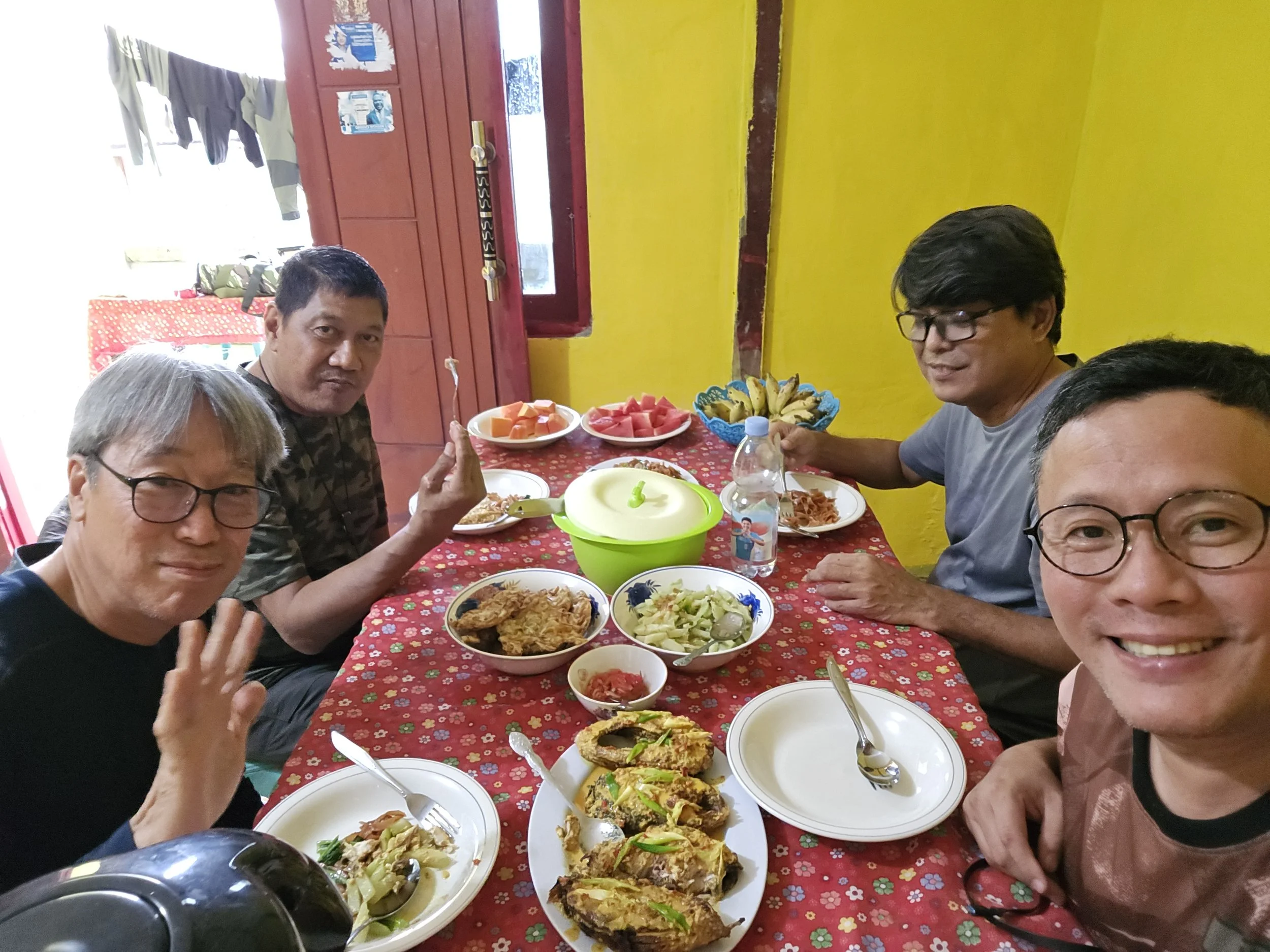
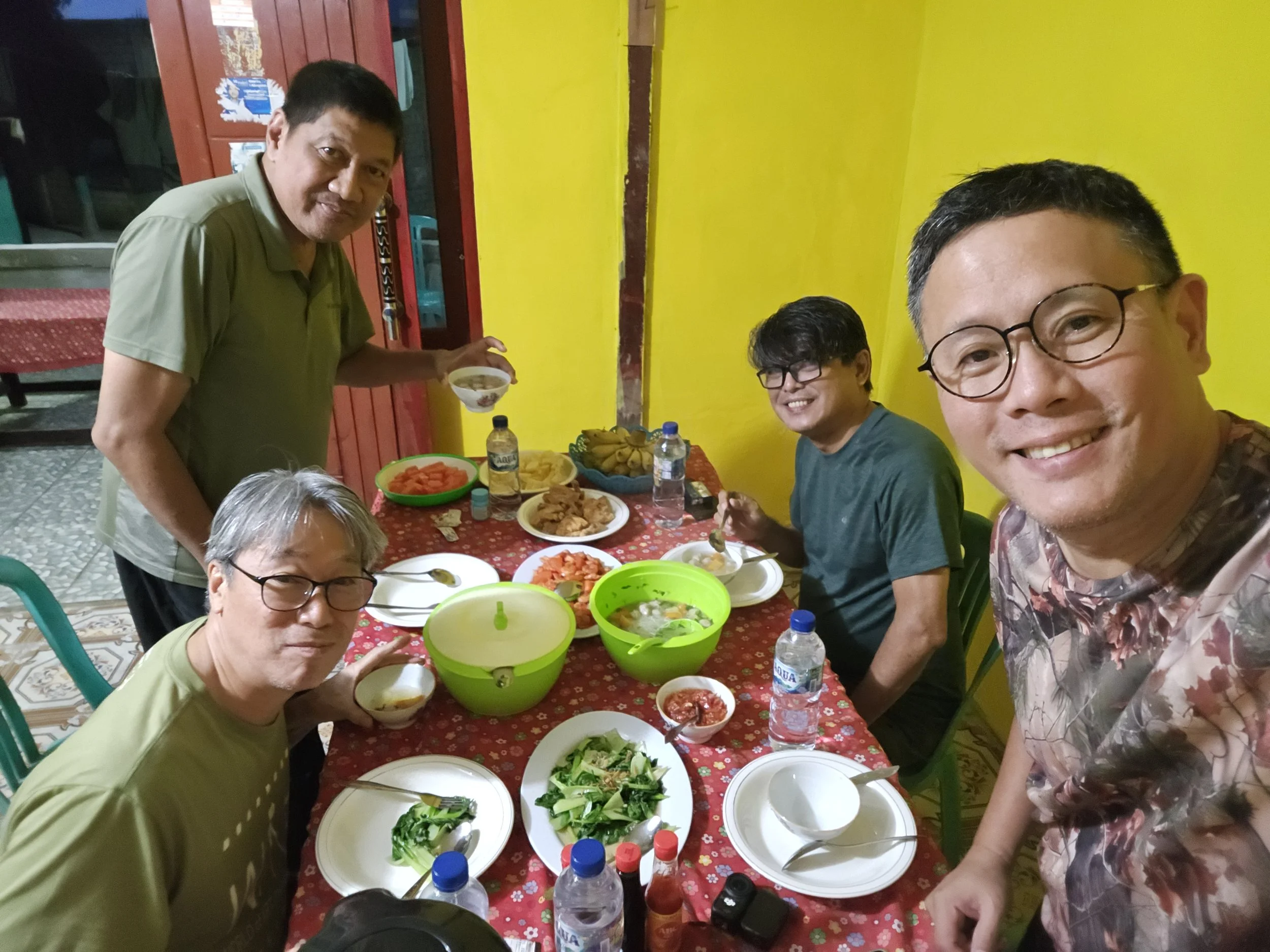
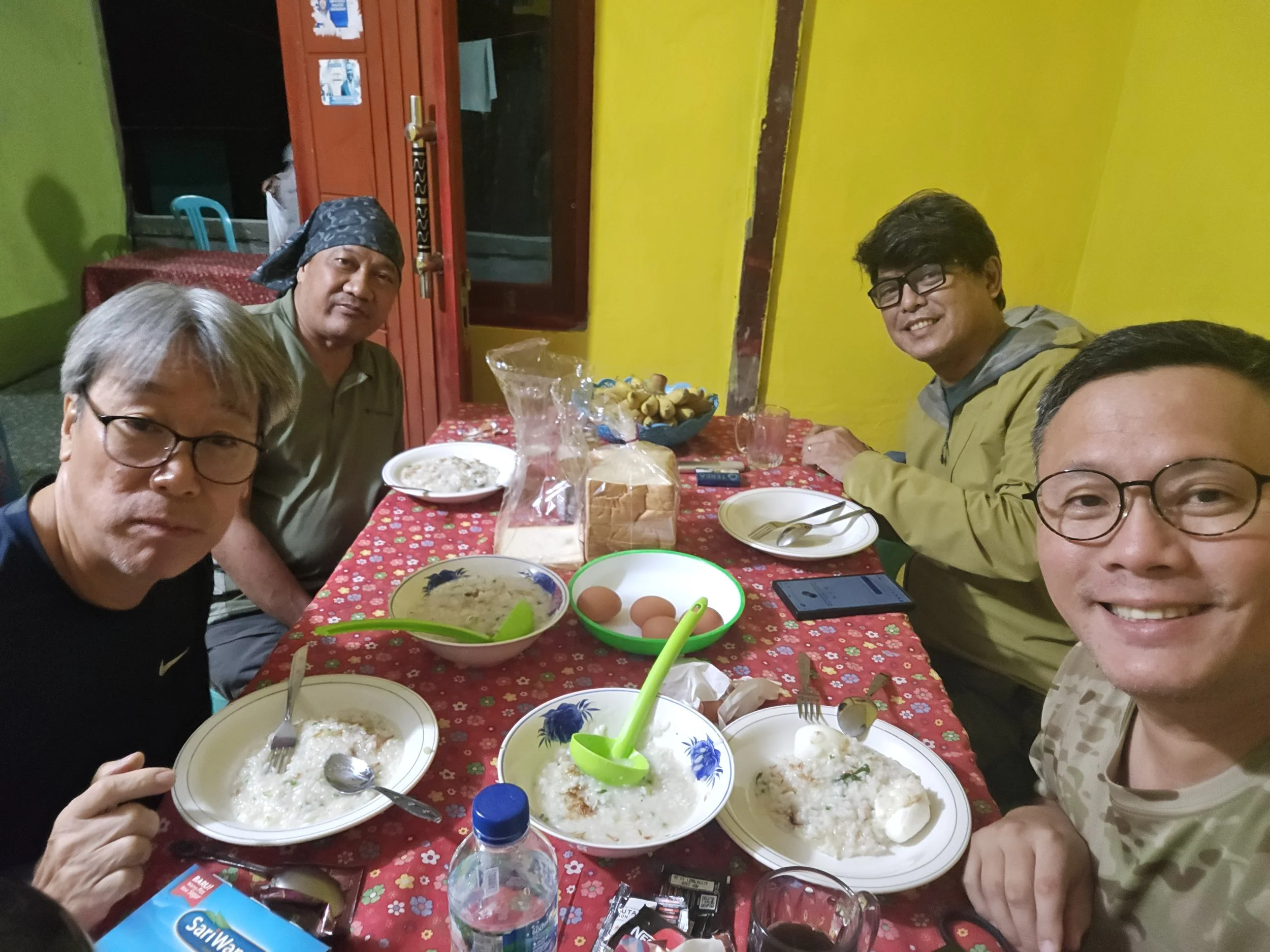
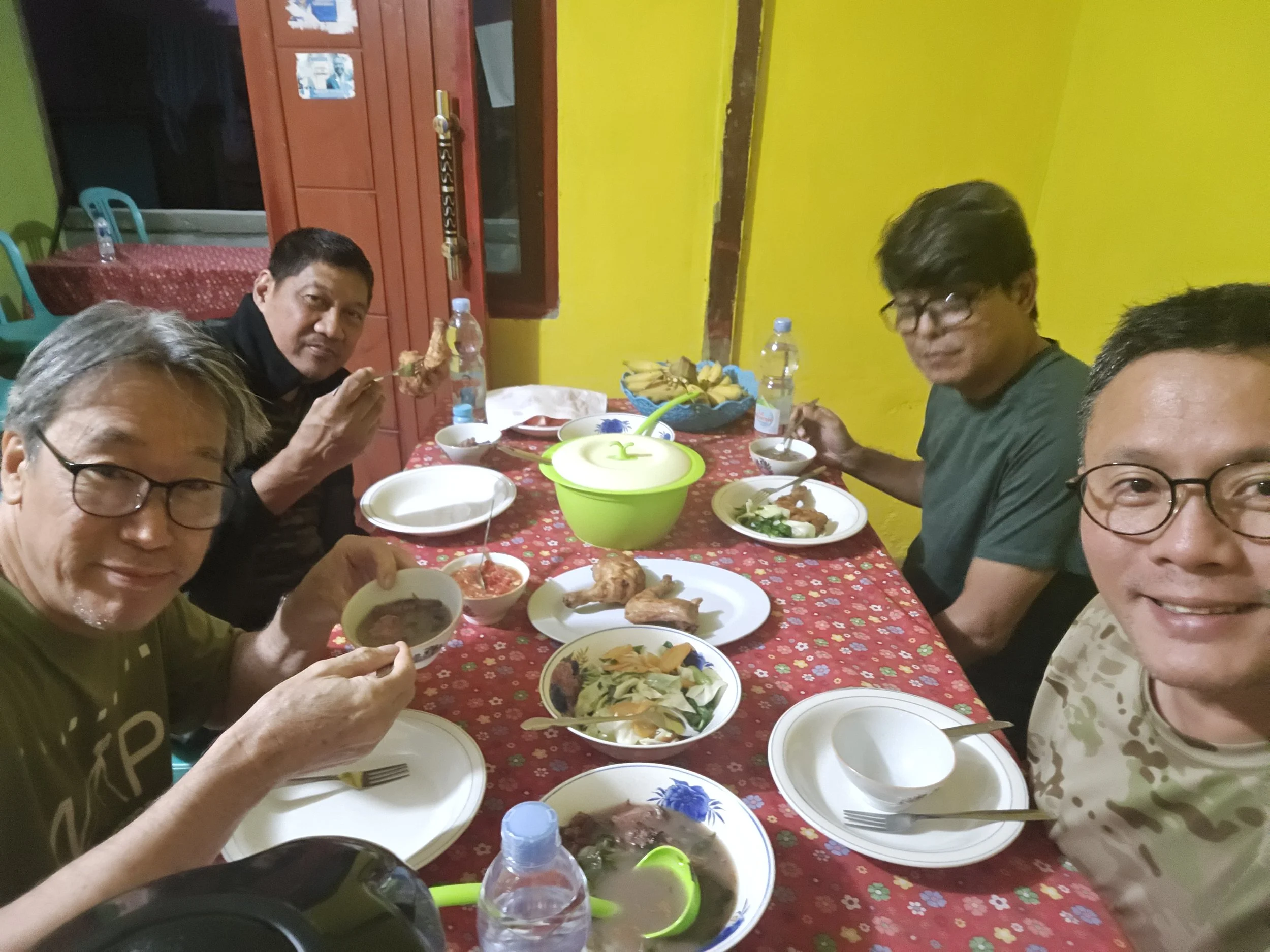
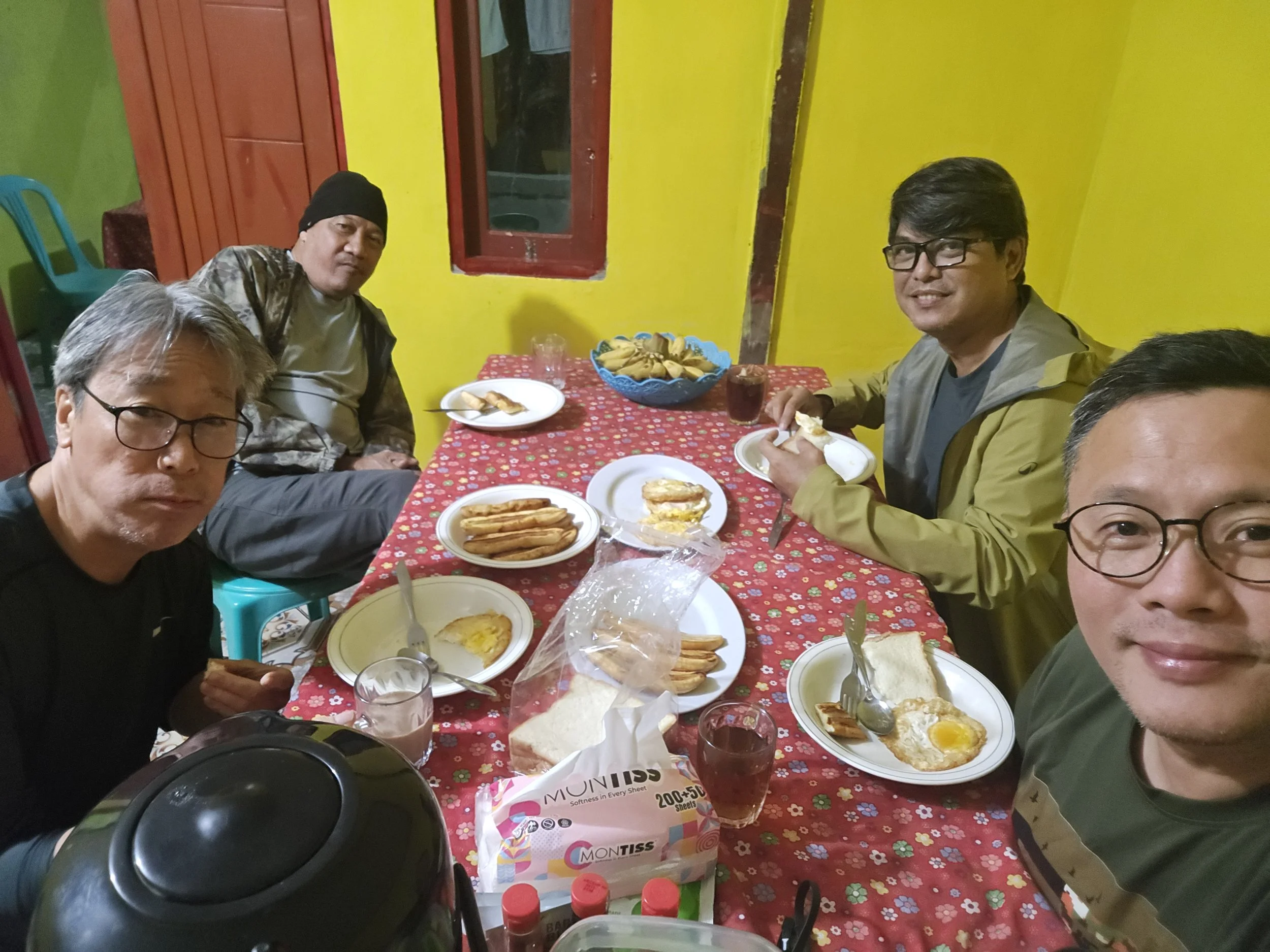
The daily meals, from breakfast to merienda and dinner, were lovingly prepared by Lisa and Freddie's wife (my apologies for forgetting your name). Thank you for keeping us well-fed and energized for our daily trips to the hides.
BIRD HIDES
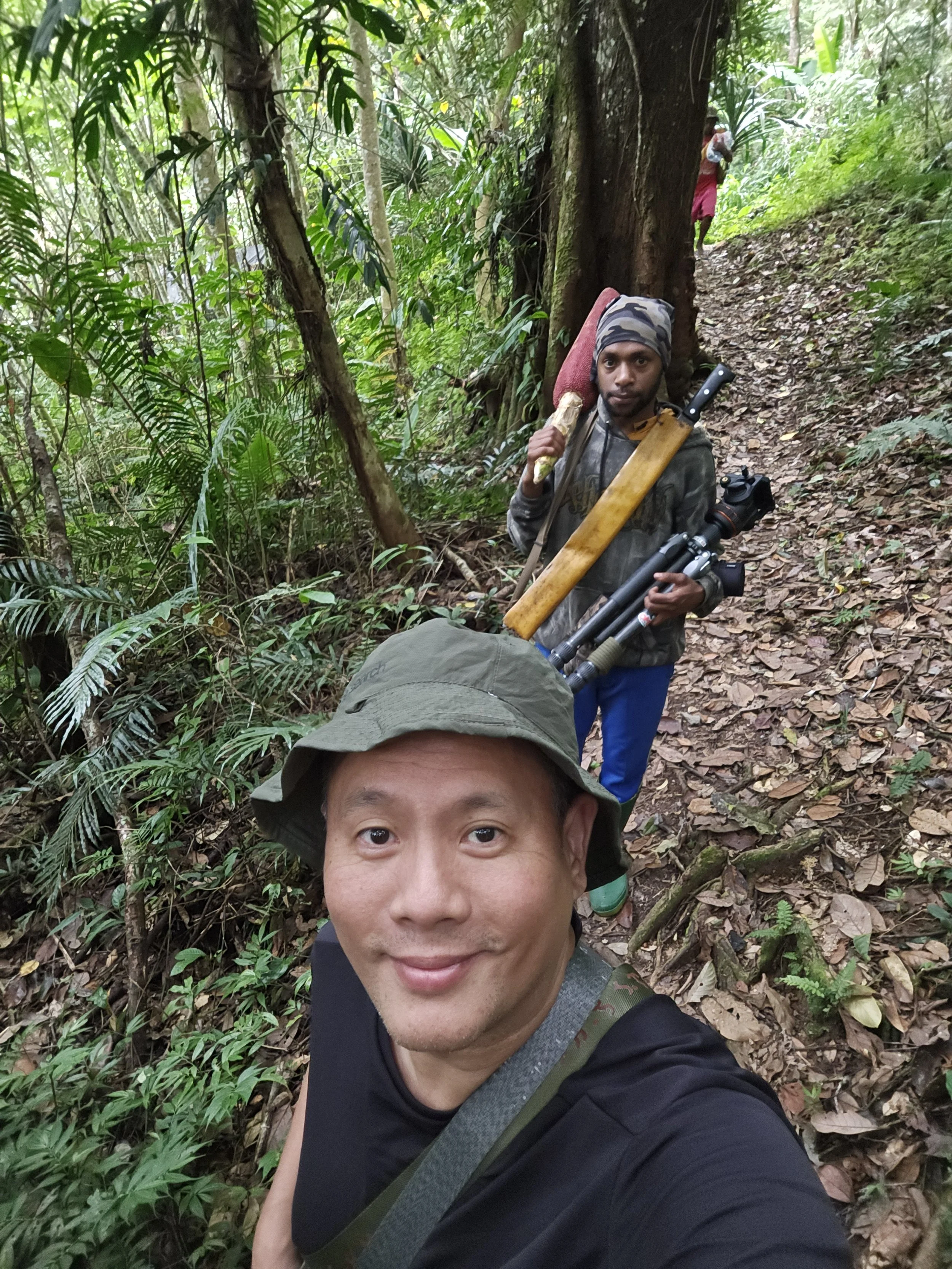
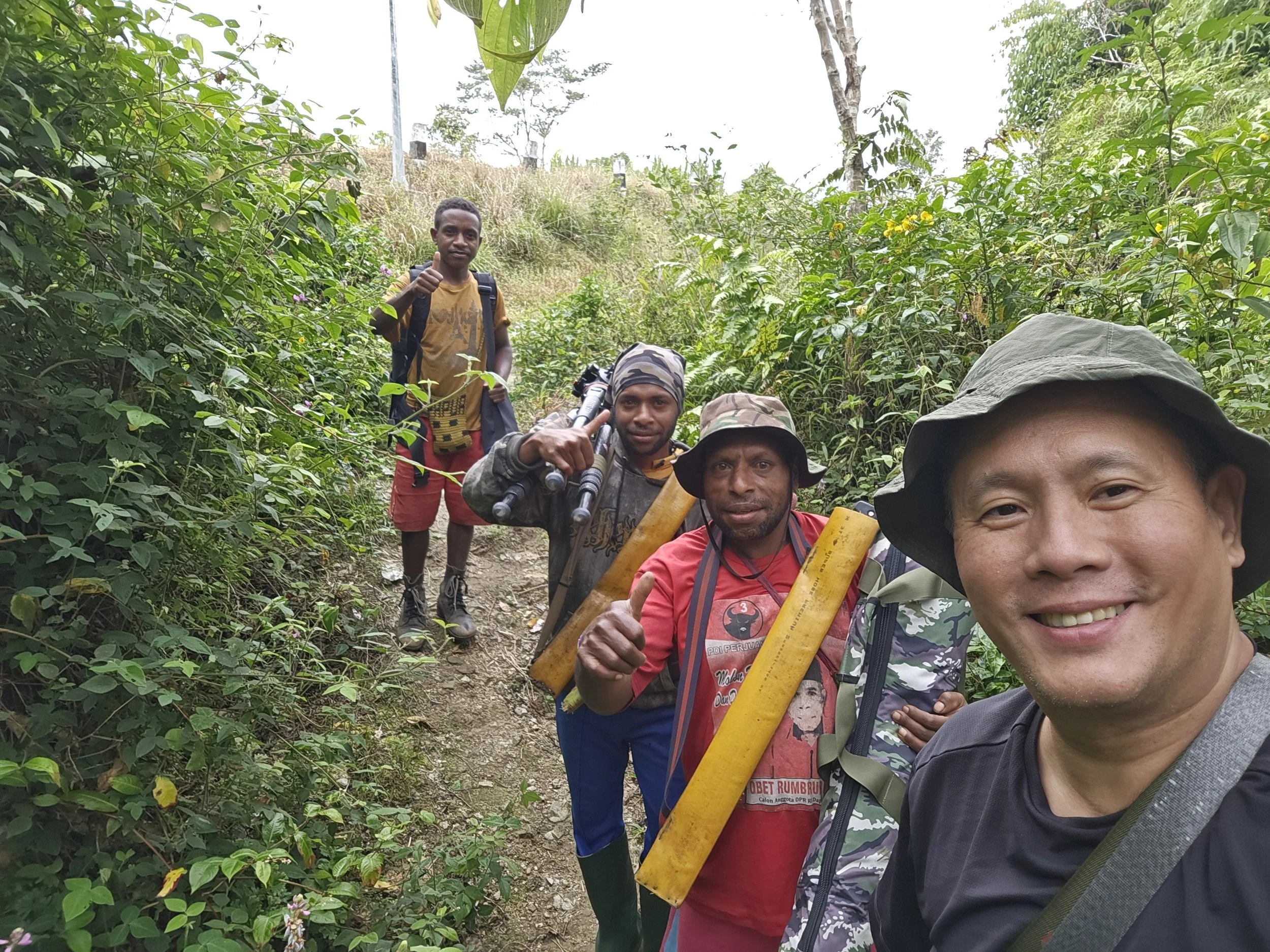
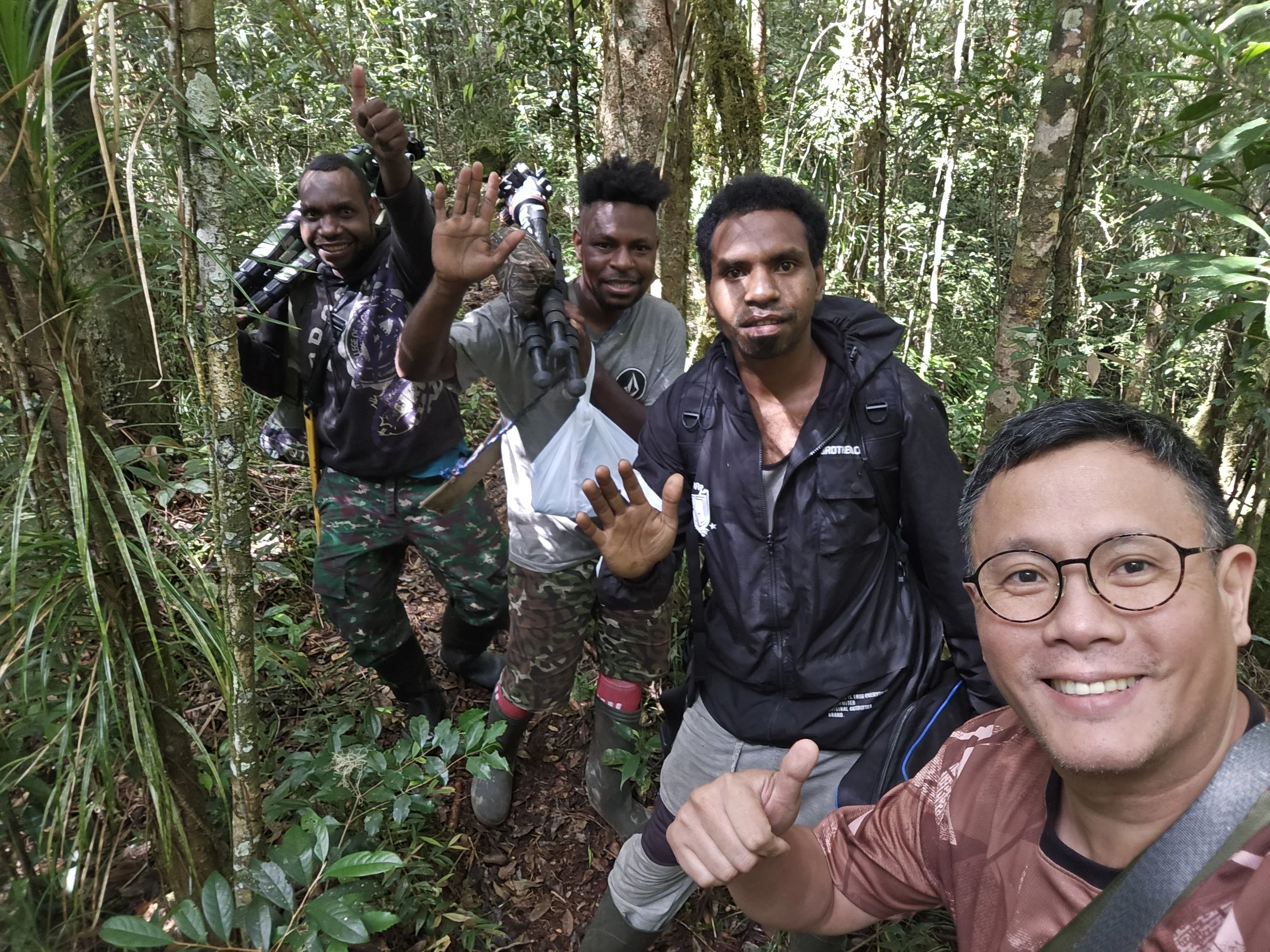
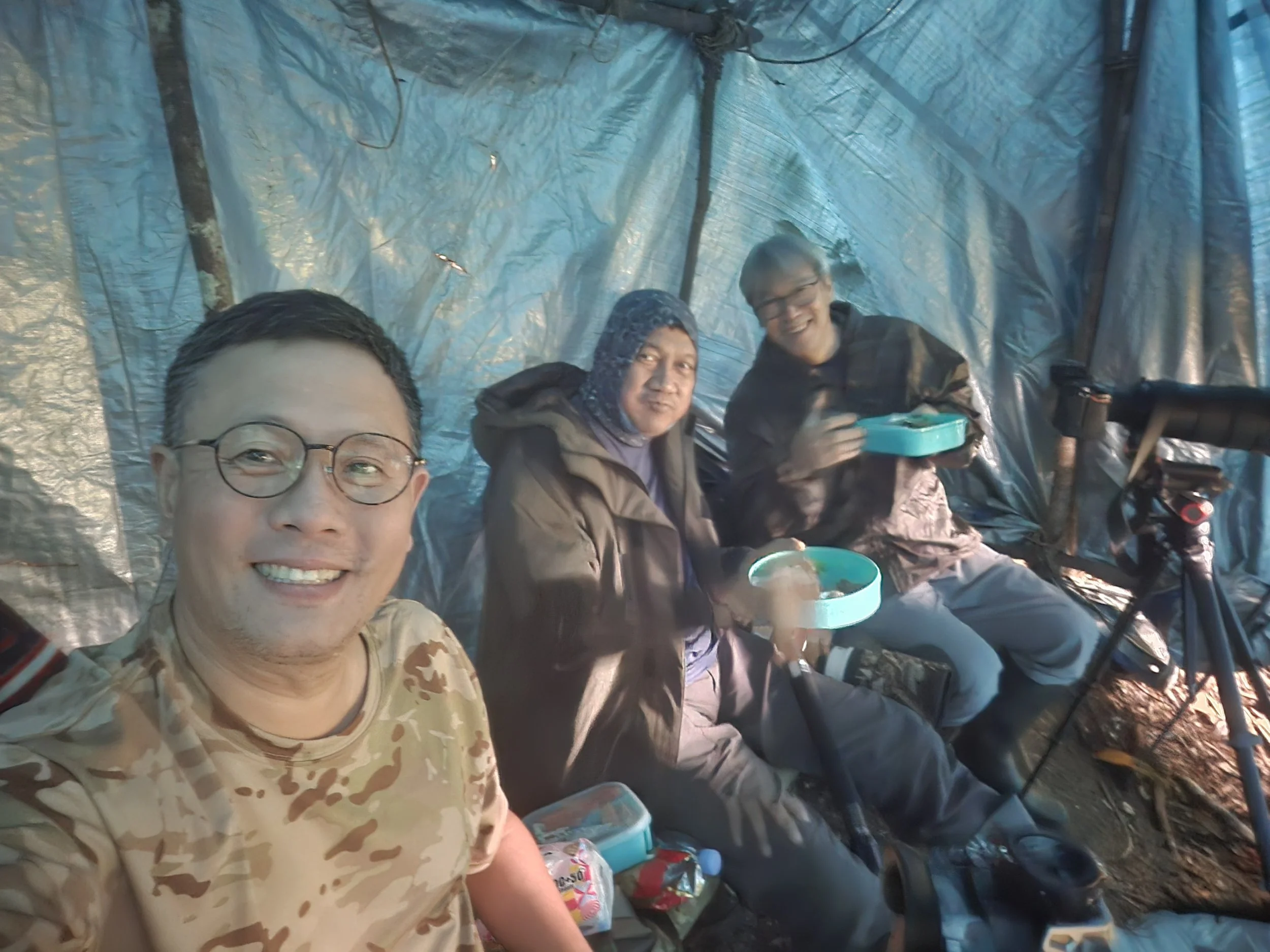
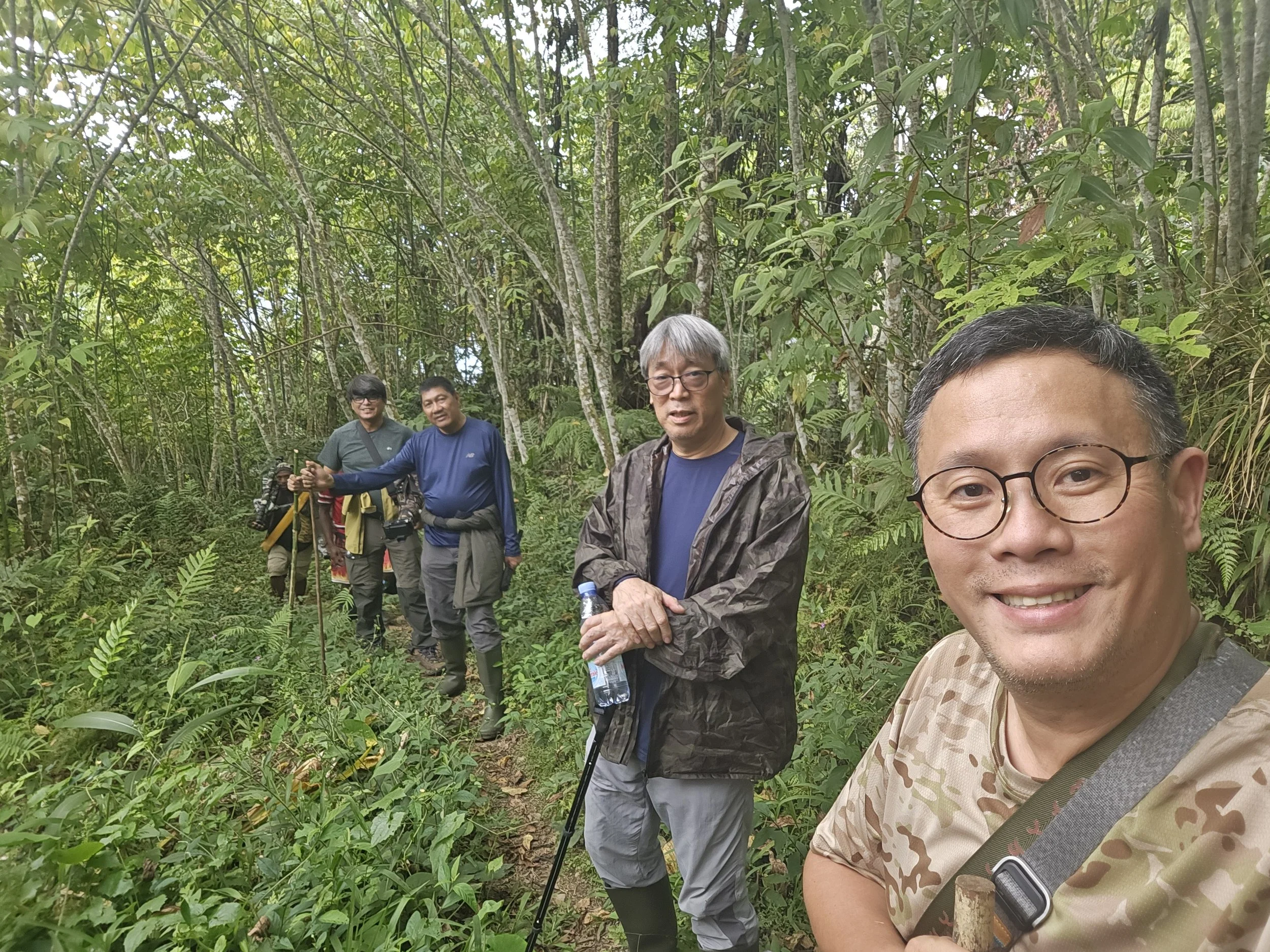
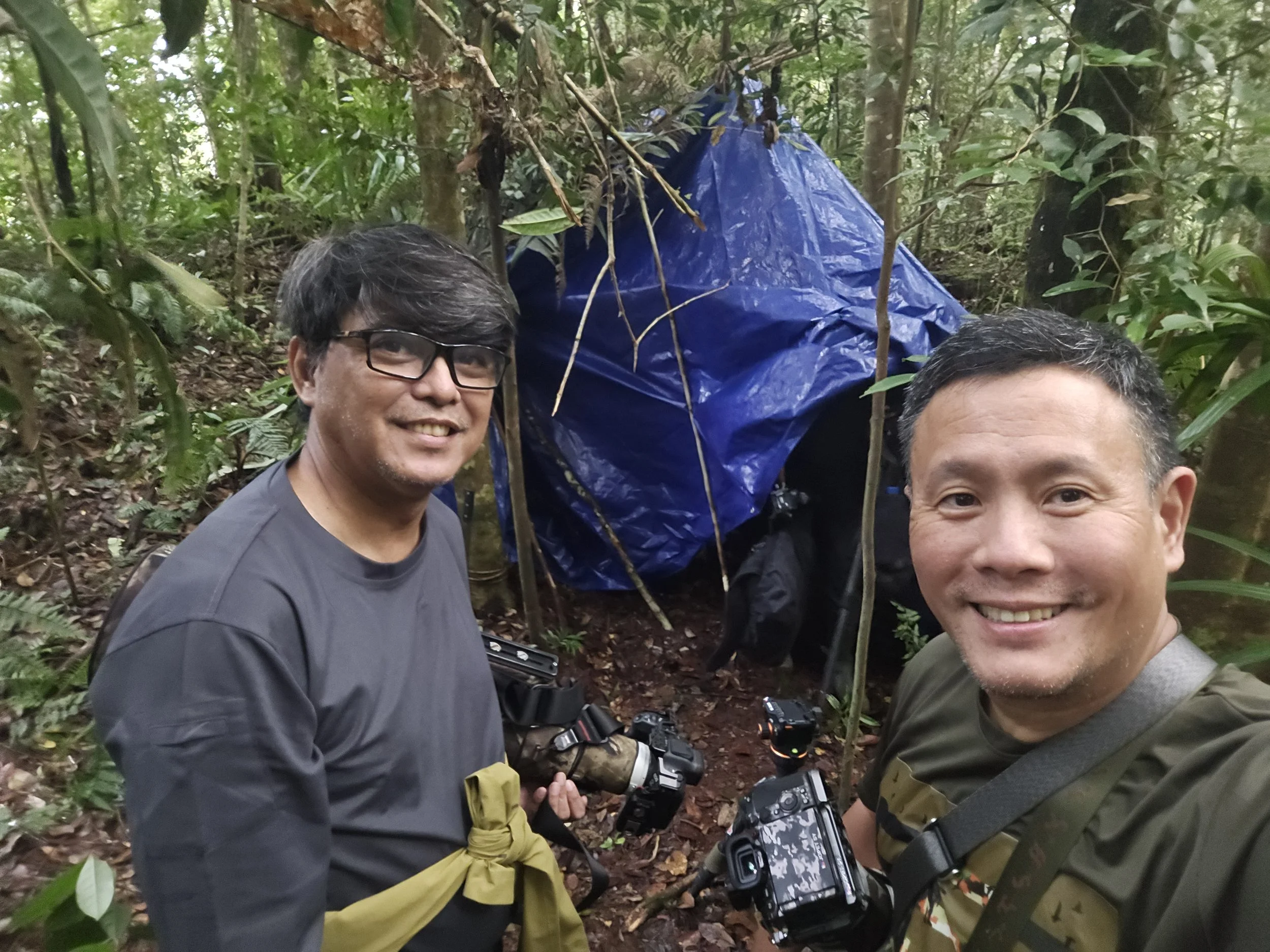
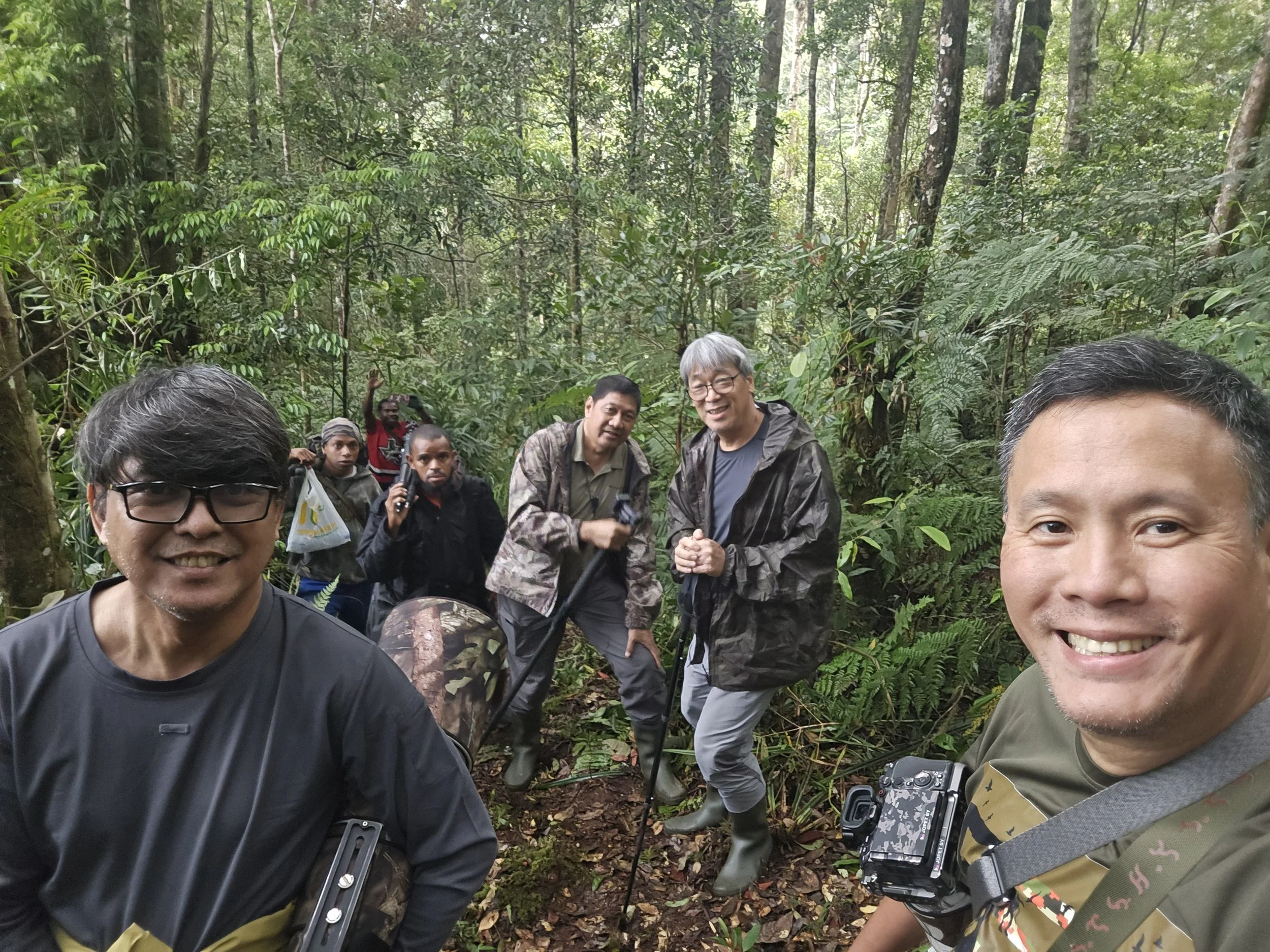
This was the challenging part of the trip and, of course, the main reason we came to Arfak in the first place. We hired local porters, partly to support the community and partly because carrying our tripods through the mountains is no joke. Thankfully, we did because it made life much easier on the trails.
One thing I highly recommend is bringing mosquito repellent. We bought a local Indonesian brand that was extremely strong. Fortunately, my trusty Off! Sakura Edition from home also did its job well during the latter part of the trip.
Magnificent Bird-of-Paradise Hide
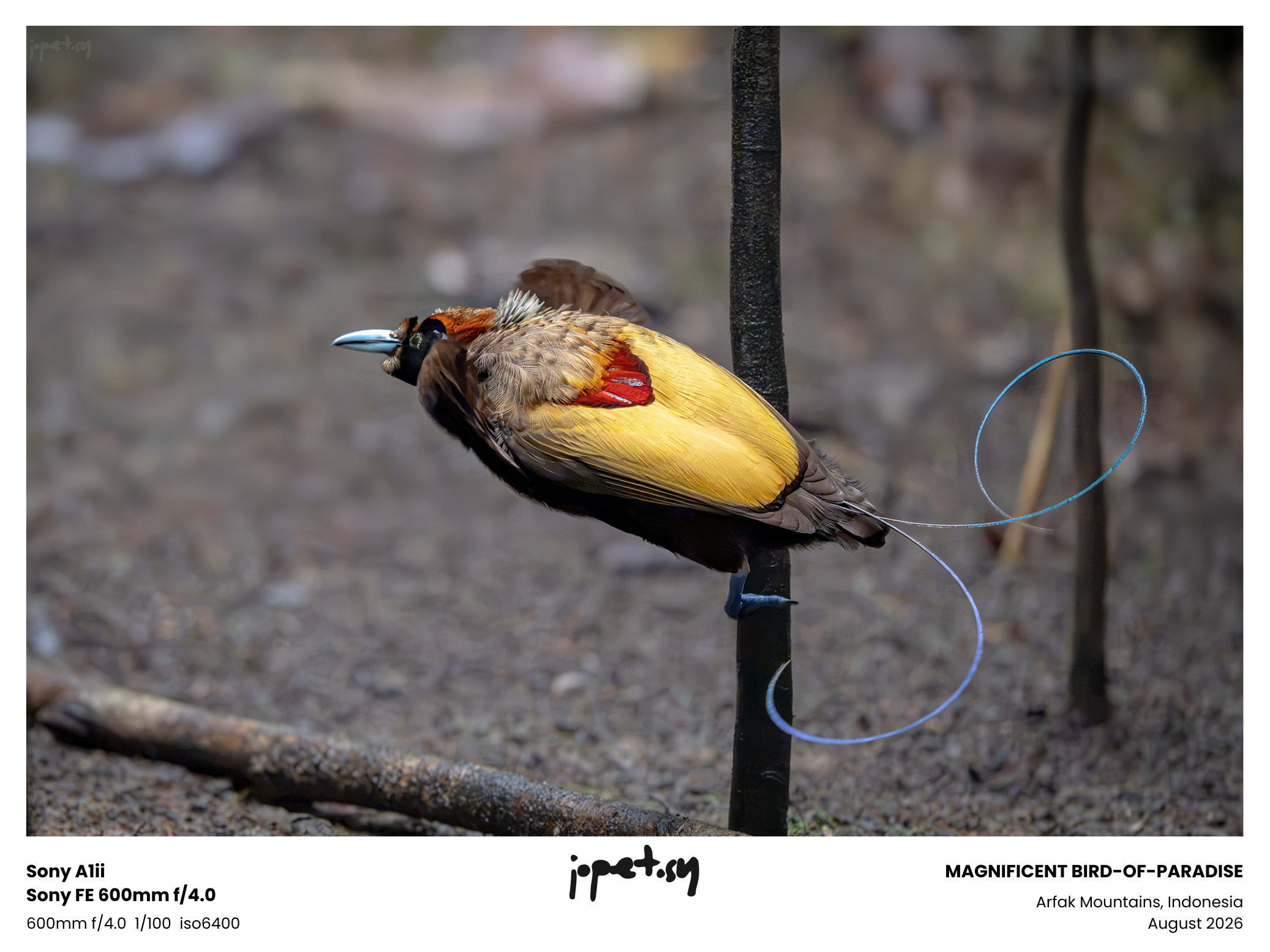
Magnificent Bird-of-Paradise
A medium-sized bird of foothill and lower montane forest. Male has bottle green chest and yellow from the back of the neck, both of which it can erect into elaborate ornamentation during the display at a court on the ground. Long, flattened, curly tail feathers reflect blue. The female is brown above and barred below. Male is unmistakable. Female Magnificent is smaller than female parotias and lophorinas, and larger than female King, and has a blue bill and stripe behind the eye. Male gives a series of downslurred “joo!” notes, a loud ringing “jip!” or harsh rasps. (E-Bird)
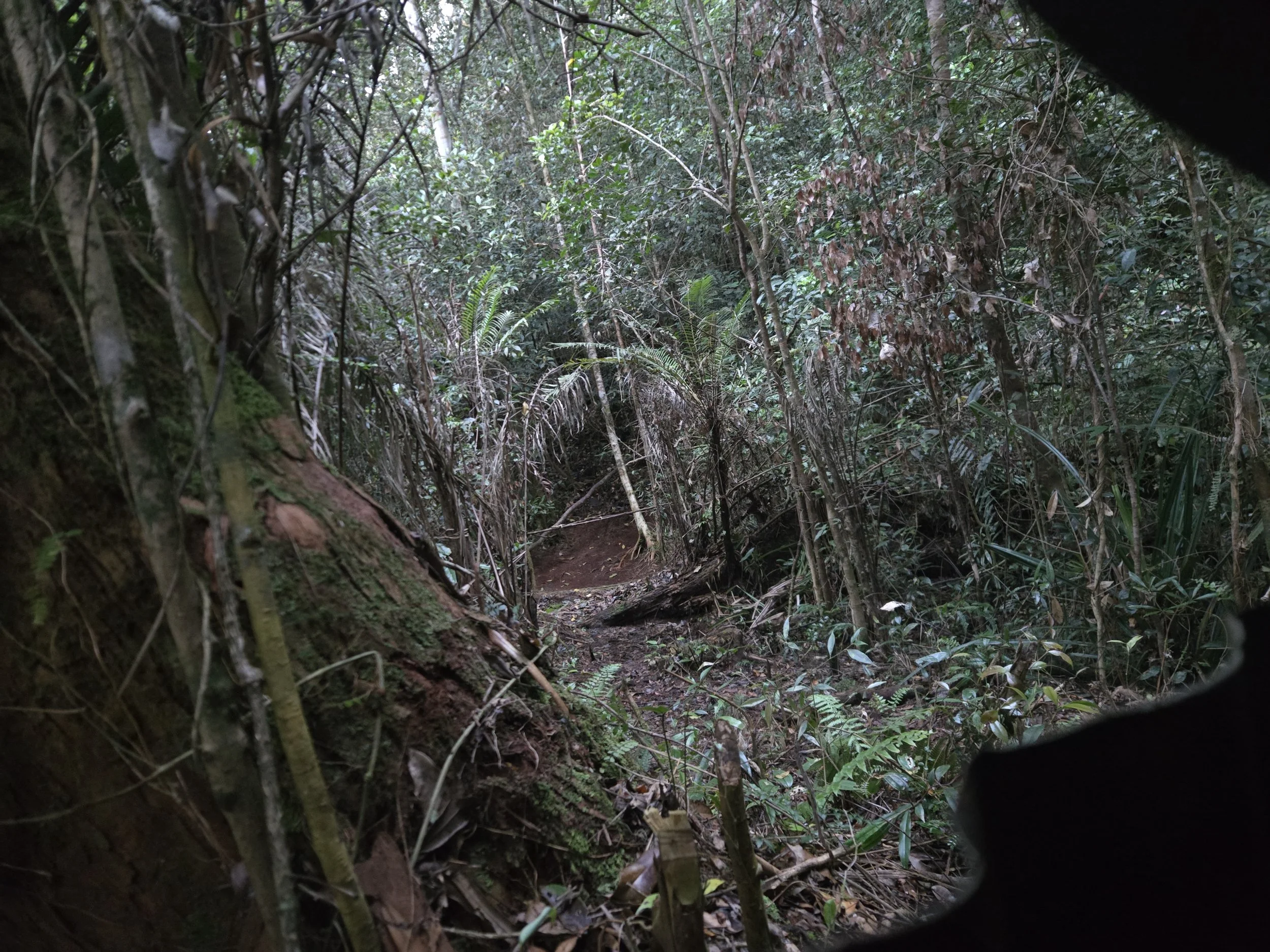
Our first hide was located quite close to the homestay. The trail was muddy but not particularly slippery. The descent was easy to moderate and took around 30 minutes, serving as a good warm-up for the days ahead.
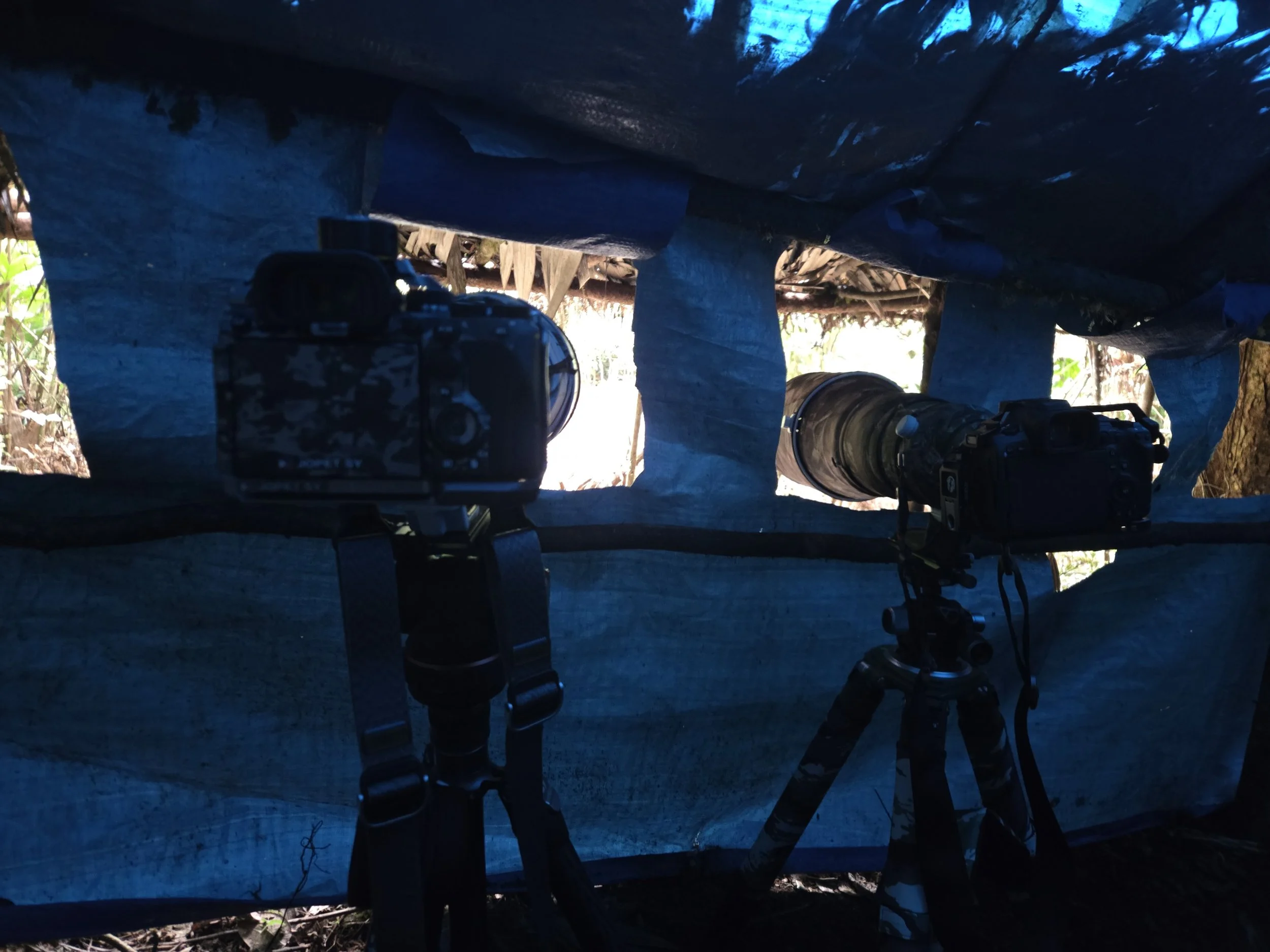
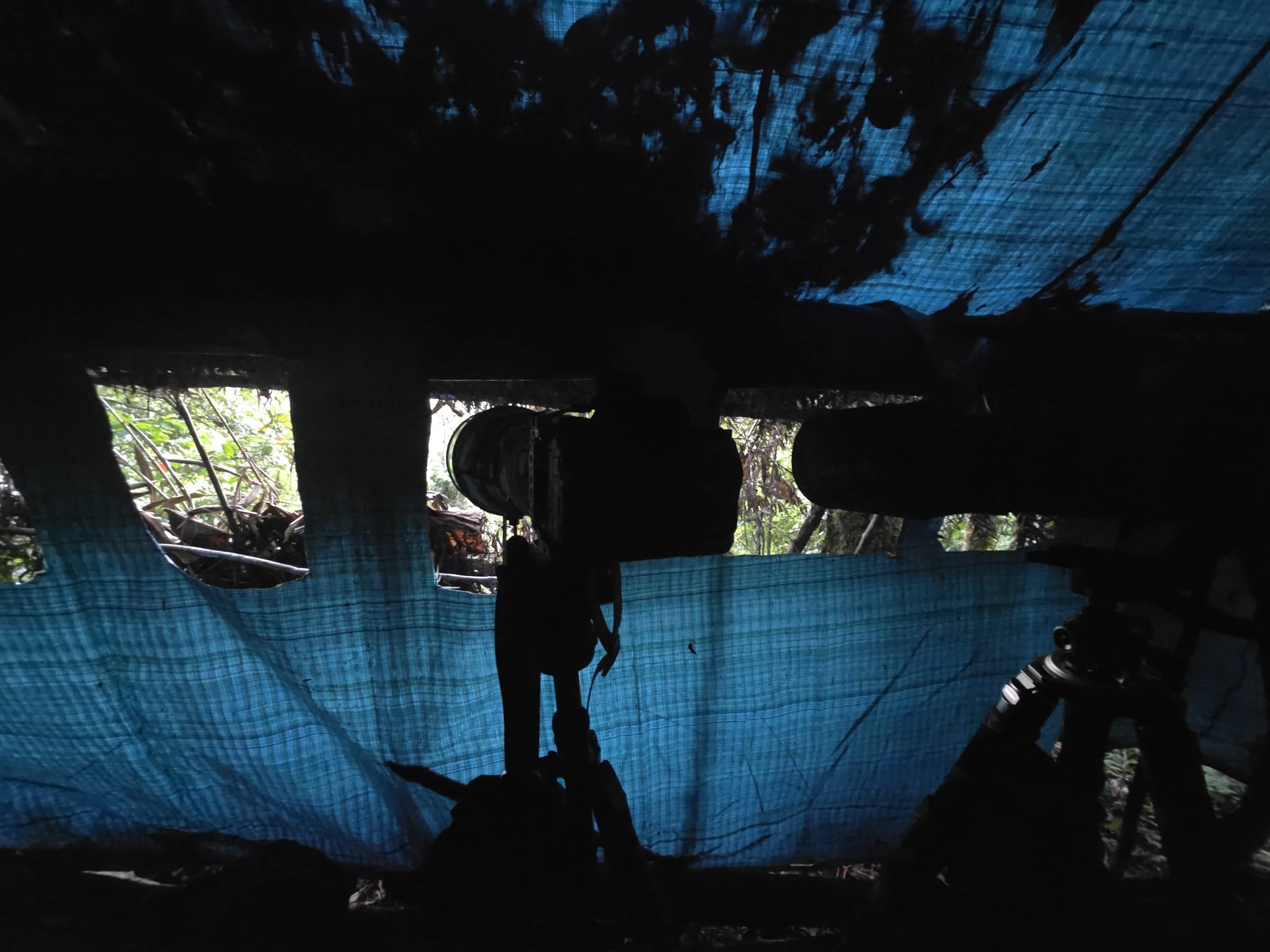
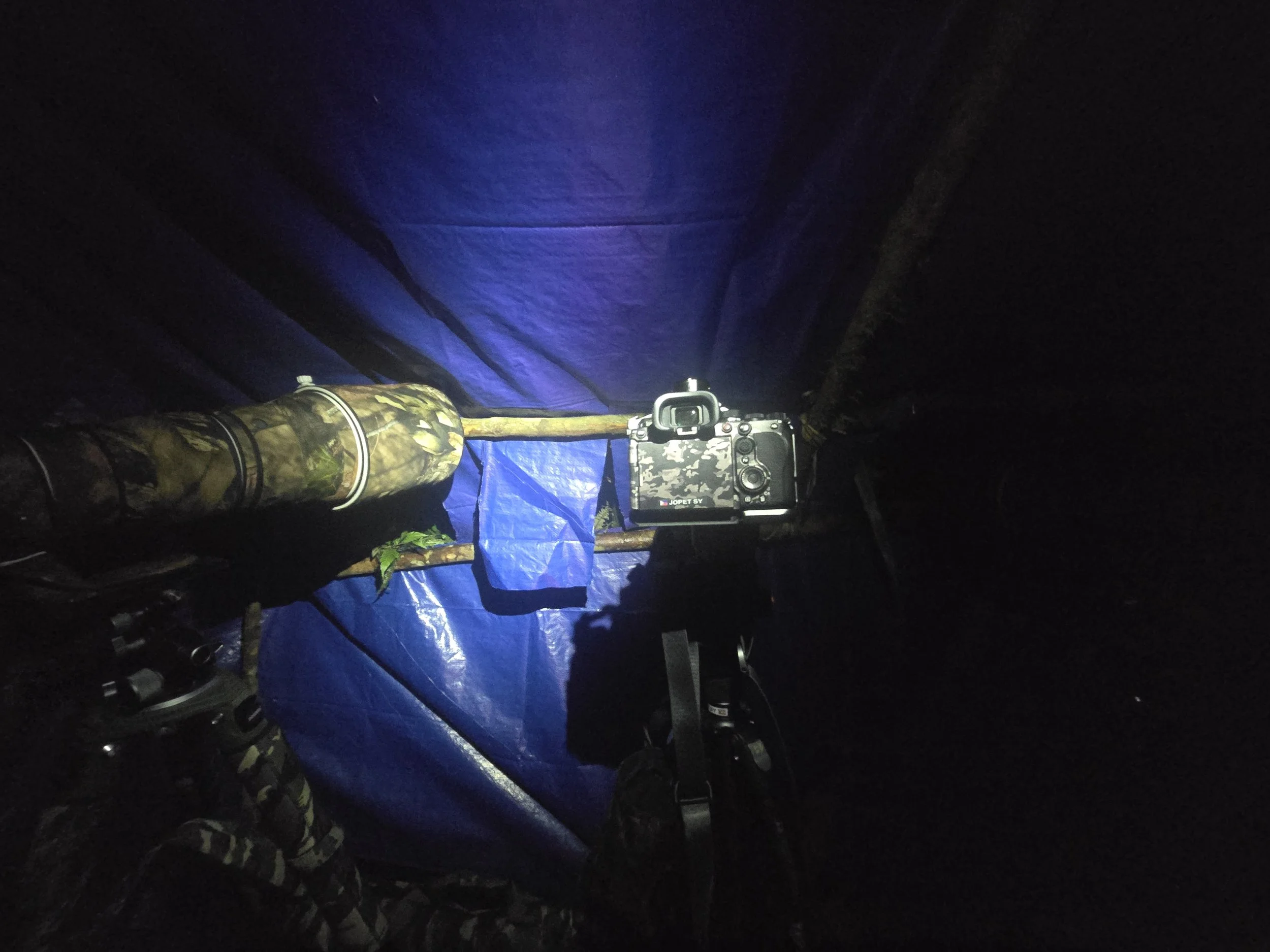
The hide itself was made from blue tarpaulin sacks, simple but effective. By 4 PM, it was already quite dark inside the forest, and the fog only made things more challenging. This was where our f/4 lenses really proved their worth.
The hike back was more demanding, with a continuous uphill climb of about 45 minutes back to the homestay. Still, compared to what was coming next, this was sisiw. Haha!
Western Parotia Bird-of-Paradise Hide
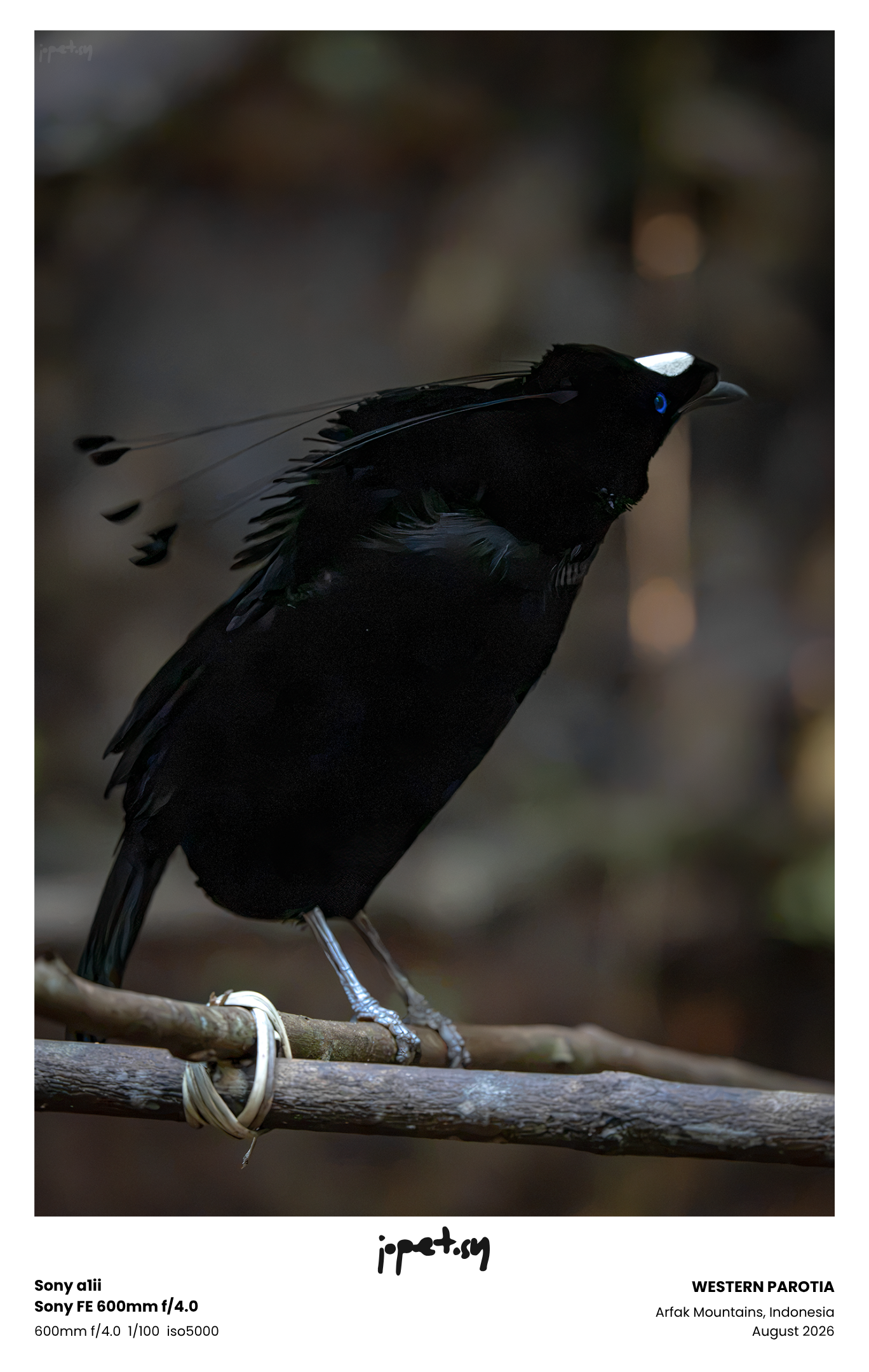
Western Parotia
A large bird of mid-montane forest canopy. Male is mainly black with a white patch on the forehead, bronzy-scaled chest and 6 antennalike feathers projecting from the back of the head. Note the blue eye. The female is dark brown above with, heavily barred underparts, black head and white moustache stripe. The male has an elaborate dance at a terrestrial display court. The only parotia in range. Female similar to Vogelkop Lophorhina but Western Parotia female is larger with a moustache stripe and blue eyes. Vocalizations include parrotlike squawking and a loud nasal “raak!”. (E-bird)
The day started early with a 4:30 AM call time. Fortunately, that was manageable since we had gone to bed by 8:30 PM the night before.
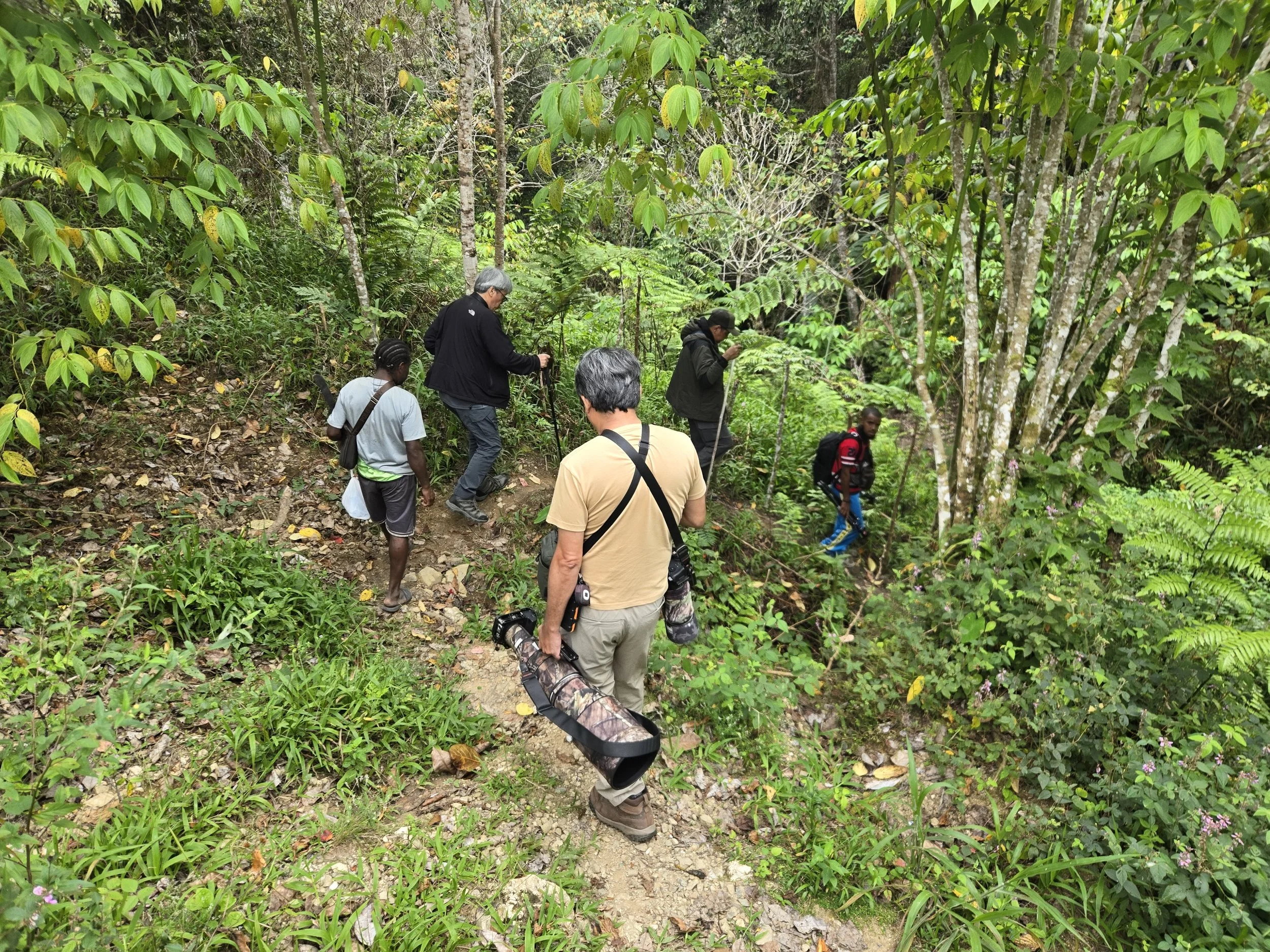
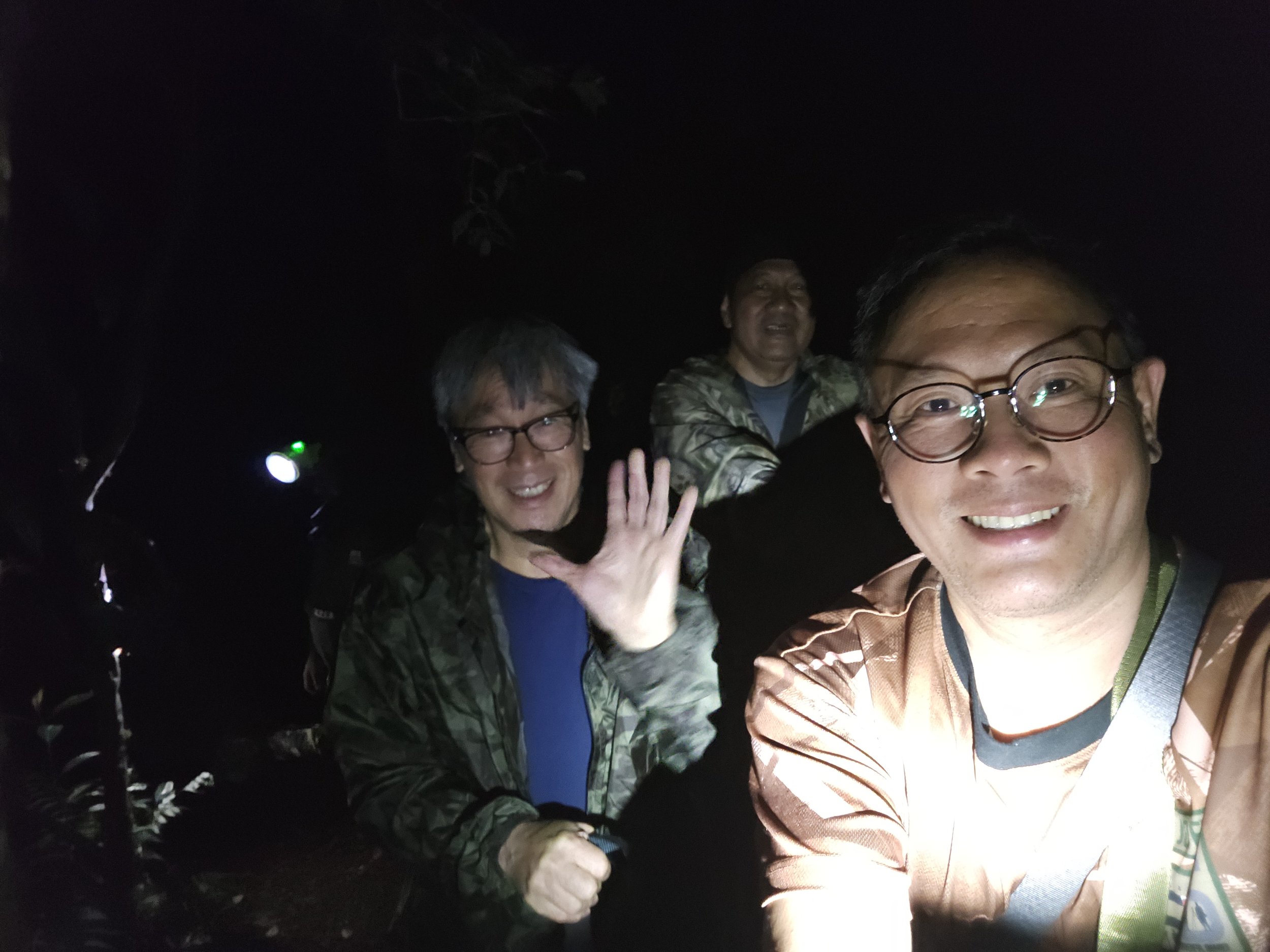
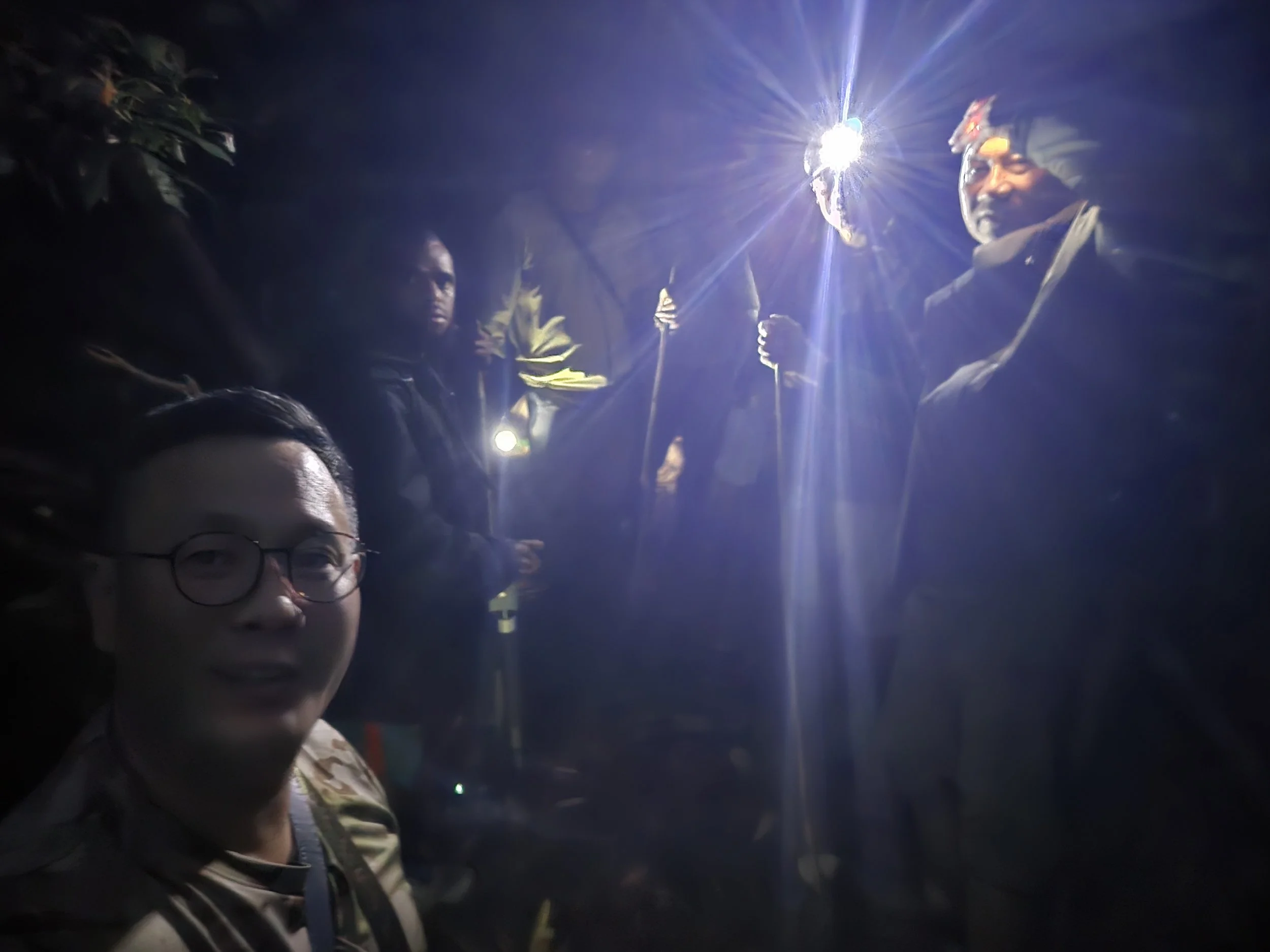
We headed to a different territory, where the local guides communicated using a series of whistles before leading us up the mountain. The entire hike was uphill and done in complete darkness. Imagine hiking at 5 AM through the forest, carrying a heavy telephoto lens and a flashlight.
The locals estimated the hike at 30 minutes. In reality, it took us closer to an hour, including several rest stops along the way.
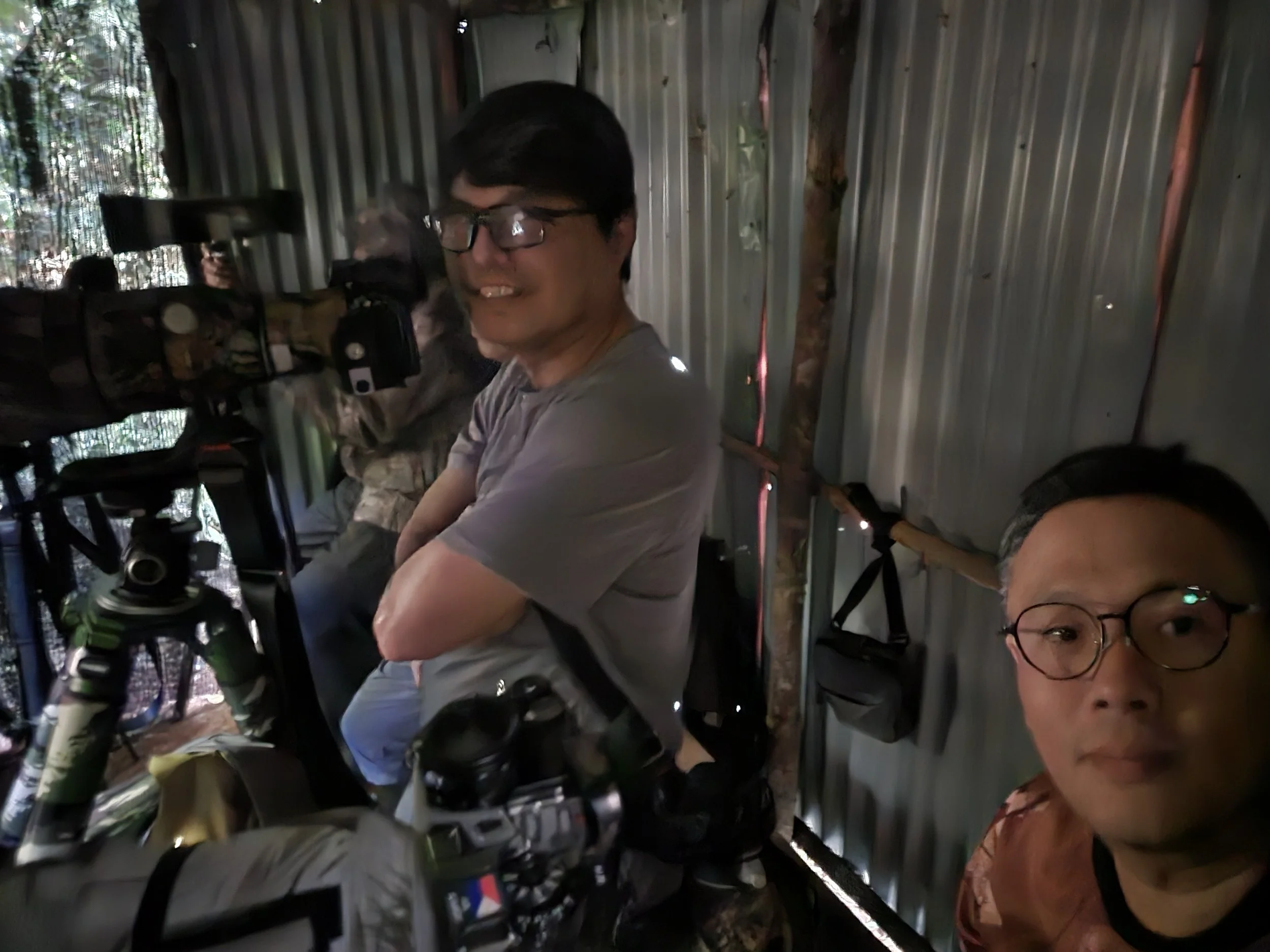
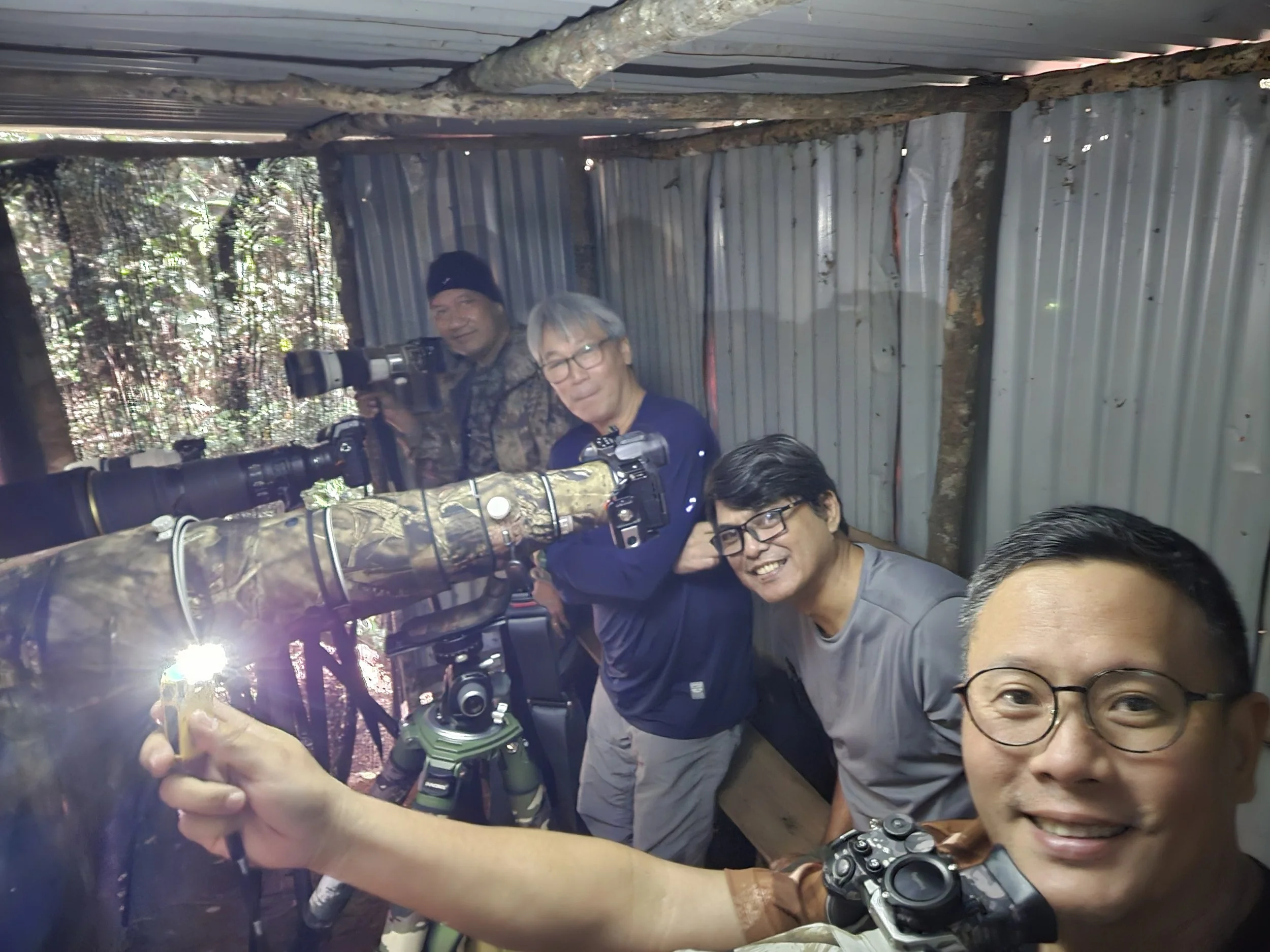
The hide was constructed from GI roofing sheets and was very tight, accommodating only four people comfortably. Silence was critical as we waited for the courtship display.
After about an hour of waiting, a female appeared, followed shortly by a male. He performed briefly, staying for perhaps five minutes before disappearing. We continued to wait, but only the females returned. By 9:30 AM, we decided to head back down, which was much easier now that daylight had arrived.
Lunch at the homestay never felt so rewarding.
Afternoon Secret Hide
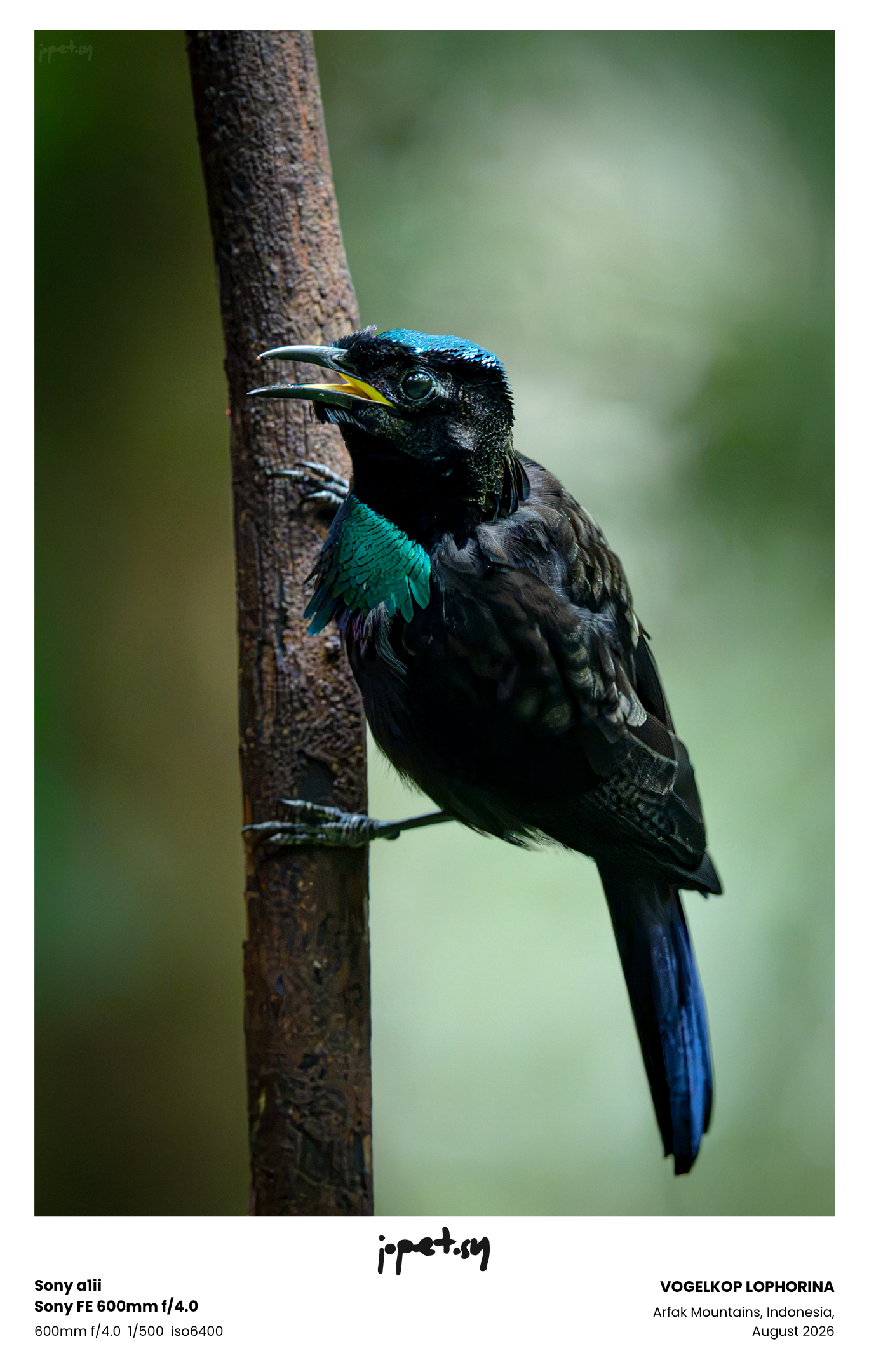
Juvenile Vogelkop Loporina
(Superb Bird-of-Pardise)
A fairly large bird of mid-montane forest. Male, mainly black plumage with 2 remarkable erectile fans which are lifted up over the head during its display. Metallic, blue-green, trapezium-shaped breast shield and patches above the eyes. Female has a dark brown back, barred underparts and a black head. Adult male is unmistakeable, but female is distinguished from Western Parotia female by its smaller size and Magnificent Bird-of-Paradise female by its larger size and black bill. The male’s yellow-green mouth interior is visible while it gives its piercing nasal screech. (E-bird)
This was one of my favorite spots. Since very few birders booked this hide, we were able to visit it twice during our stay.
The location rewarded us with sightings of several female Birds-of-Paradise, including the Magnificent Bird-of-Paradise, Western Parotia, Black-billed Sicklebill, and even a juvenile Superb Bird-of-Paradise.
It was also the easiest hide to reach, requiring only a 20-minute walk over relatively gentle terrain with a balanced mix of uphill and downhill sections. After some of the more demanding hikes, this felt like a luxury.
Magnificent Riflebird Hide
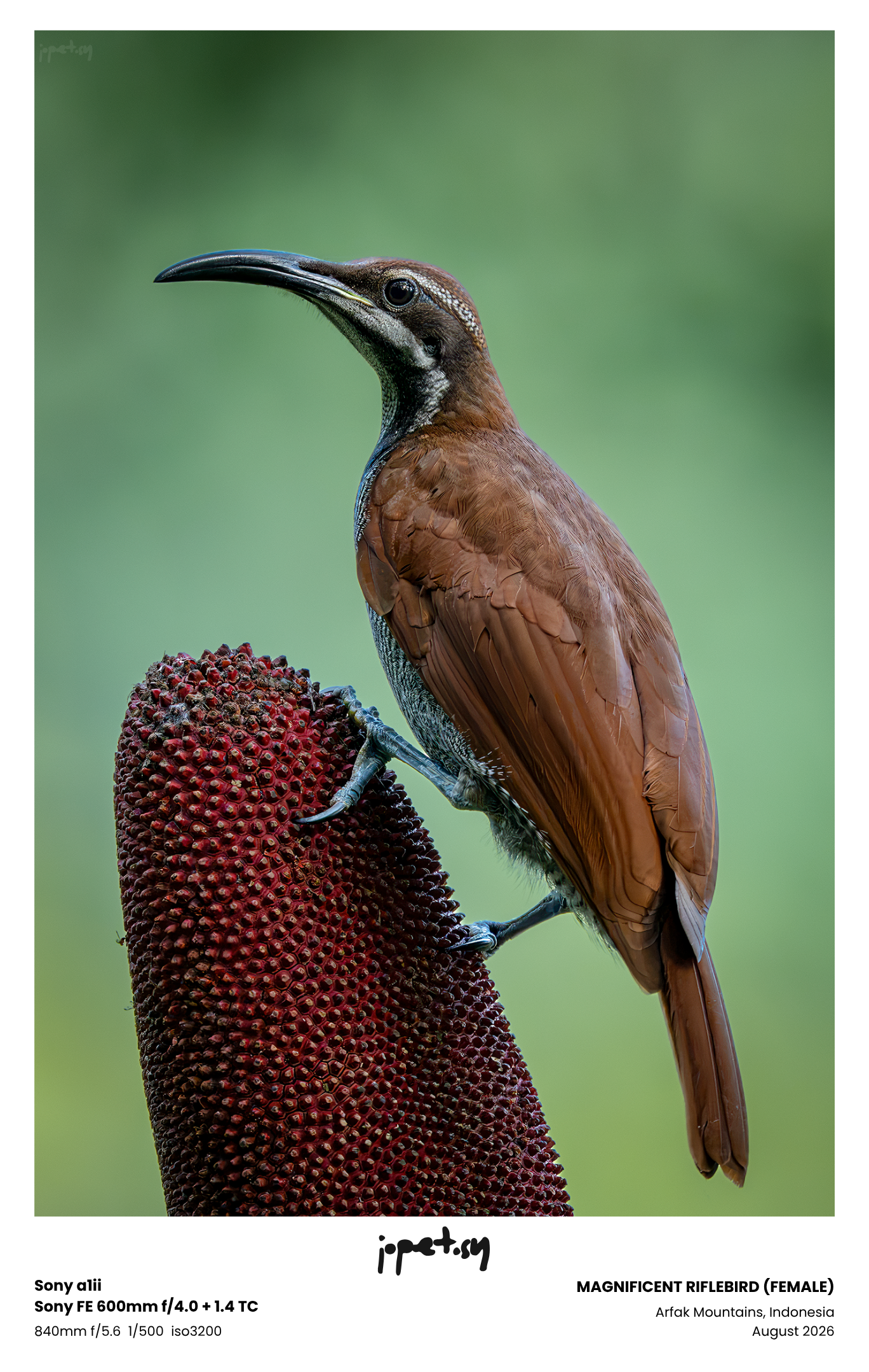
Female Magnificent Riflebird
Large songbird with a very long curved bill, found in rainforest on Cape York and in New Guinea. Males mostly black, with bright metallic blue metallic chest and crown and shaggy black flank plumes. Females brown above, pale with fine barred pattern below, strong white eyebrow, and brown moustachial mark. Call is a very three-note whistled phrase ("wee-oooo-whittt"), similar to the whistle humans use to say "come here!” (E-bird)
Another early start awaited us with a 5:00 AM call time.
To conserve energy, we took the Hilux for a short three-minute ride before beginning our hike. Rain from the previous night had left the trail wet and slippery.
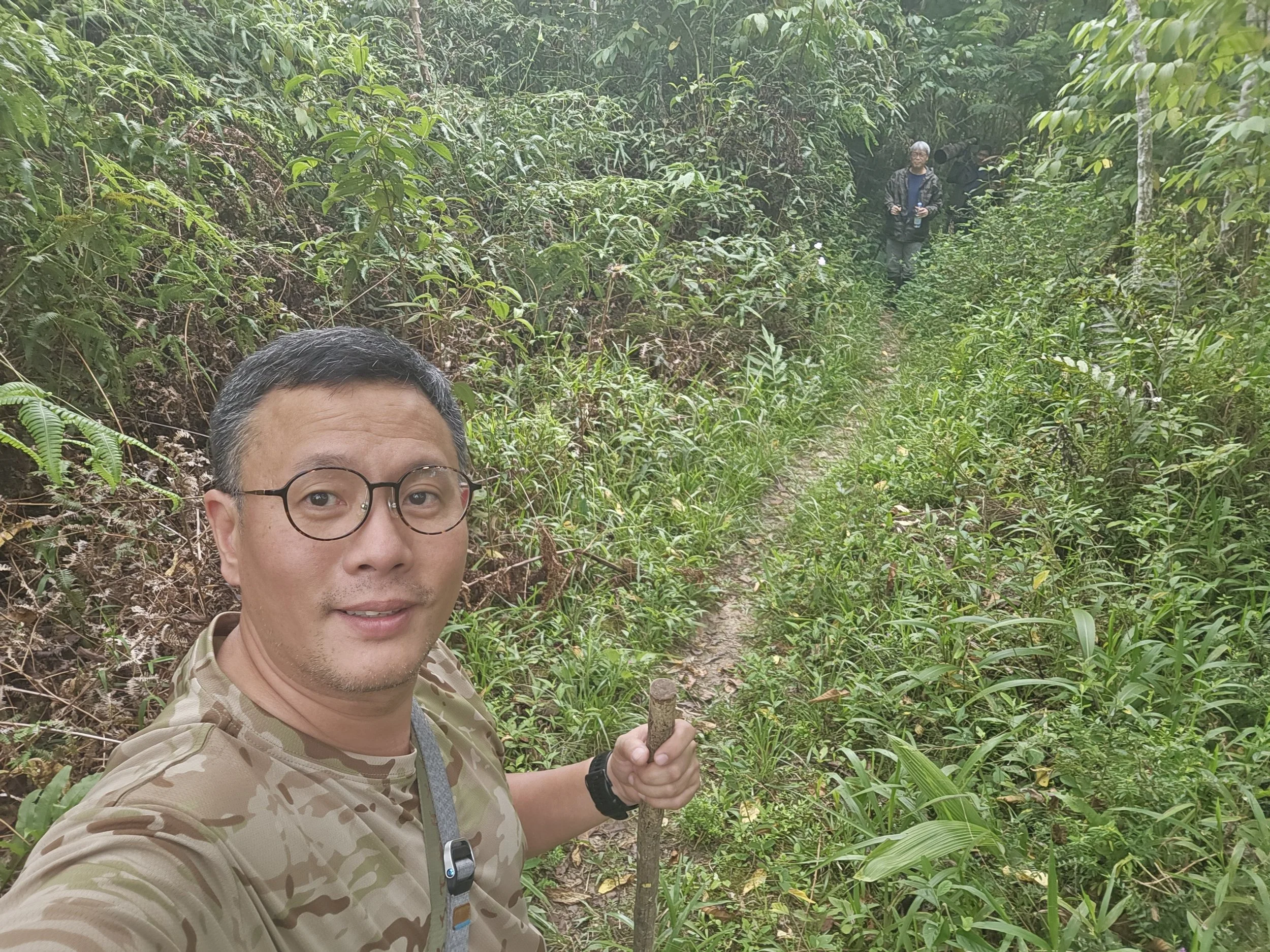
As usual, the locals estimated the walk at 20 minutes. As usual, they were wrong. It took us nearly an hour to reach the valley.
The forest here was incredibly active. Bird calls echoed from every direction, and this hide provided some of the closest encounters of the entire trip. We heard Papuan Hornbills and several Birds-of-Paradise species nearby. Interestingly, this was also the coldest hide we visited and one of the few locations where we could pick up a mobile signal.
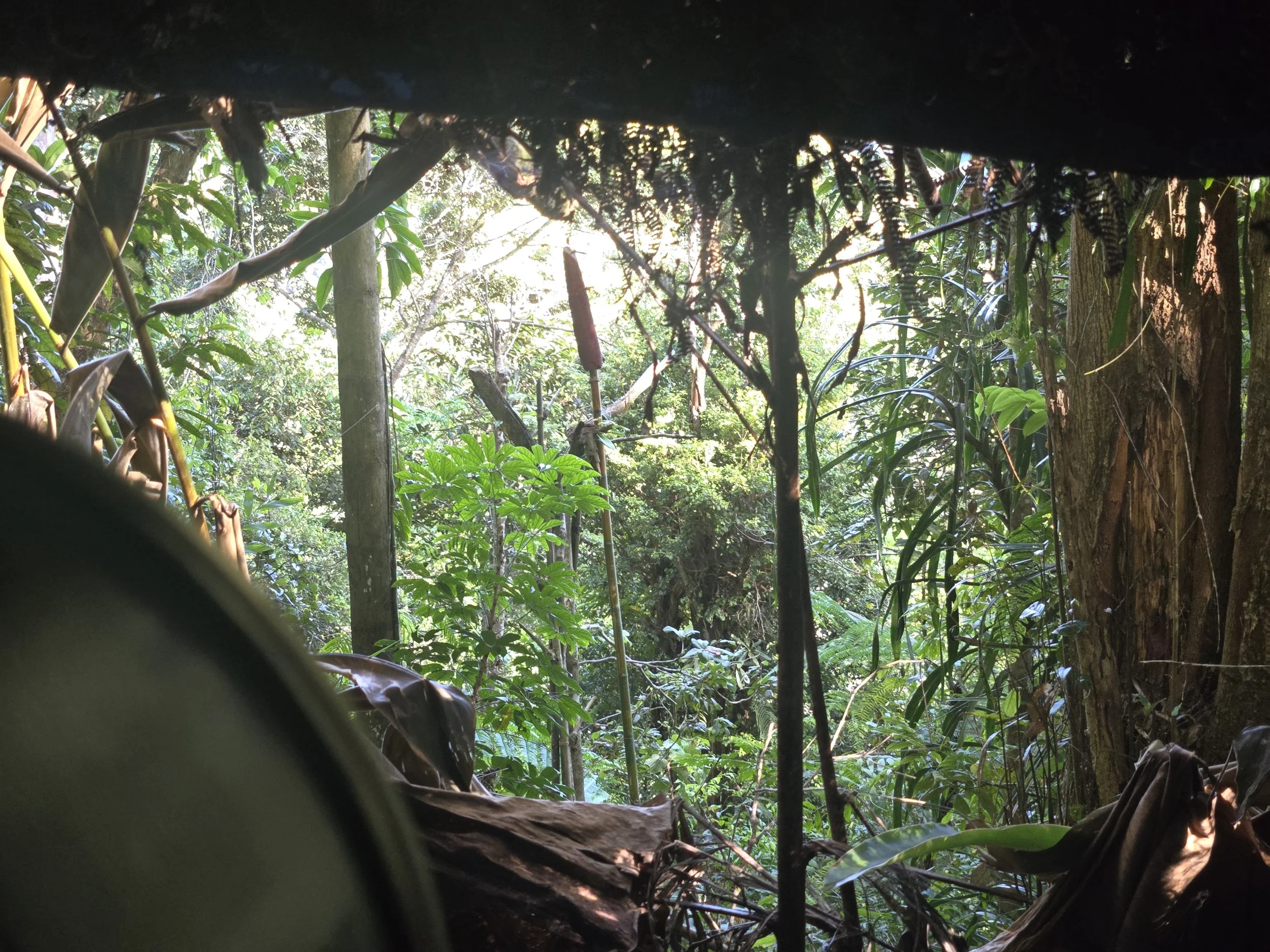
The hide itself required extra caution. The Magnificent Riflebird appeared for only about 20 seconds before vanishing. Most of our activity came from female Birds-of-Paradise feeding on marita fruits.
This was also the most sensitive hide. We were not allowed to extend our lenses outside the hide, which may explain why the birds stayed only briefly. They appeared to be extremely cautious of any movement.
Once we emerged from the hide, we found ourselves surrounded by towering trees that looked incredibly promising for birding. It felt like every direction held potential.
The difficult part, however, was getting back. The return journey involved a continuous 45-minute uphill climb, followed by another five-minute walk to the homestay. We arrived just in time for lunch.
Superb Bird-of-Paradise Hide
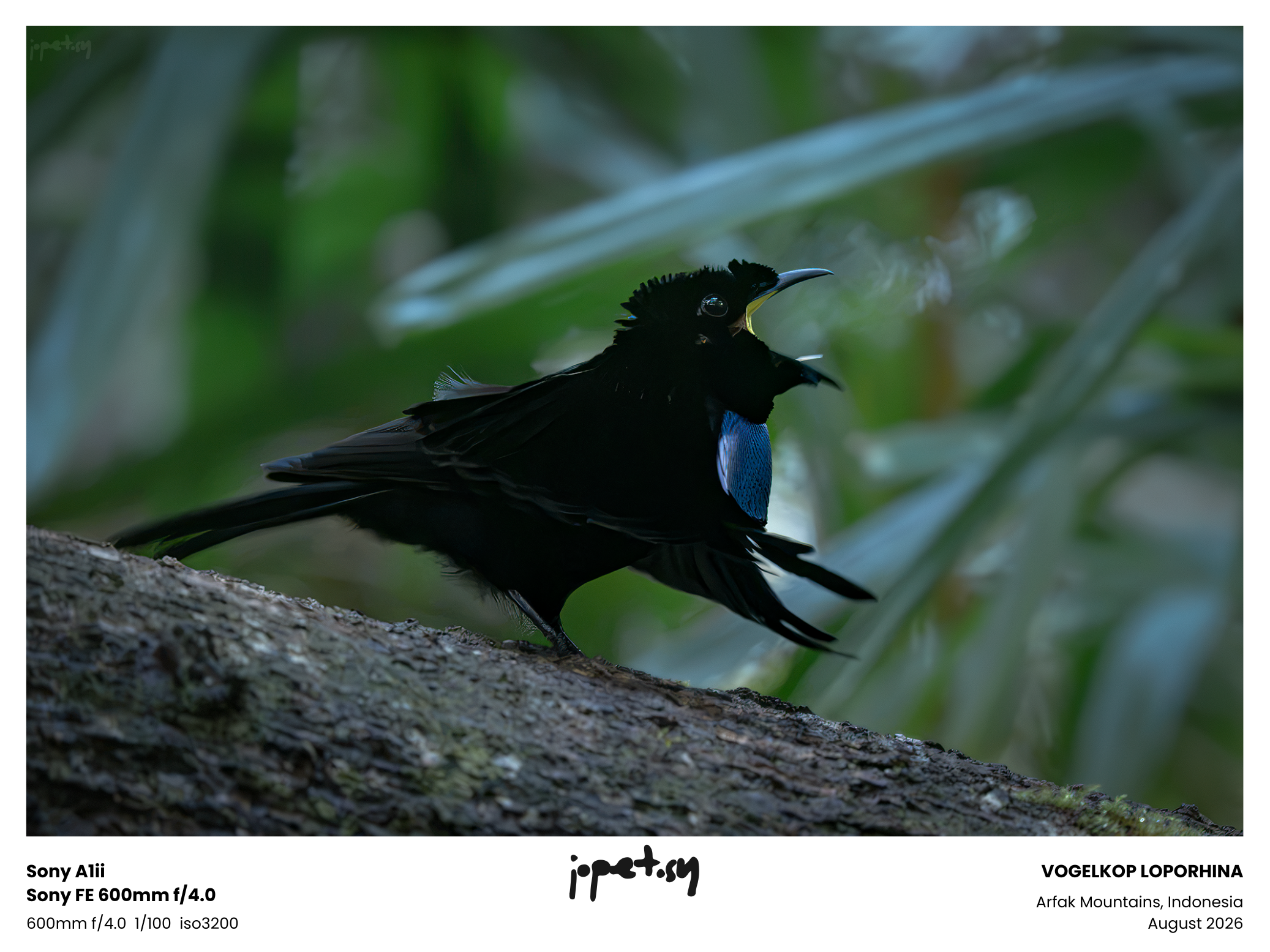
Vogelkop Lophorino
(Superb Bird-of-Paradise)
A fairly large bird of mid-montane forest. Male, mainly black plumage with 2 remarkable erectile fans which are lifted up over the head during its display. Metallic, blue-green, trapezium-shaped breast shield and patches above the eyes. Female has a dark brown back, barred underparts and a black head. Adult male is unmistakeable, but female is distinguished from Western Parotia female by its smaller size and Magnificent Bird-of-Paradise female by its larger size and black bill. The male’s yellow-green mouth interior is visible while it gives its piercing nasal screech. (E-bird)
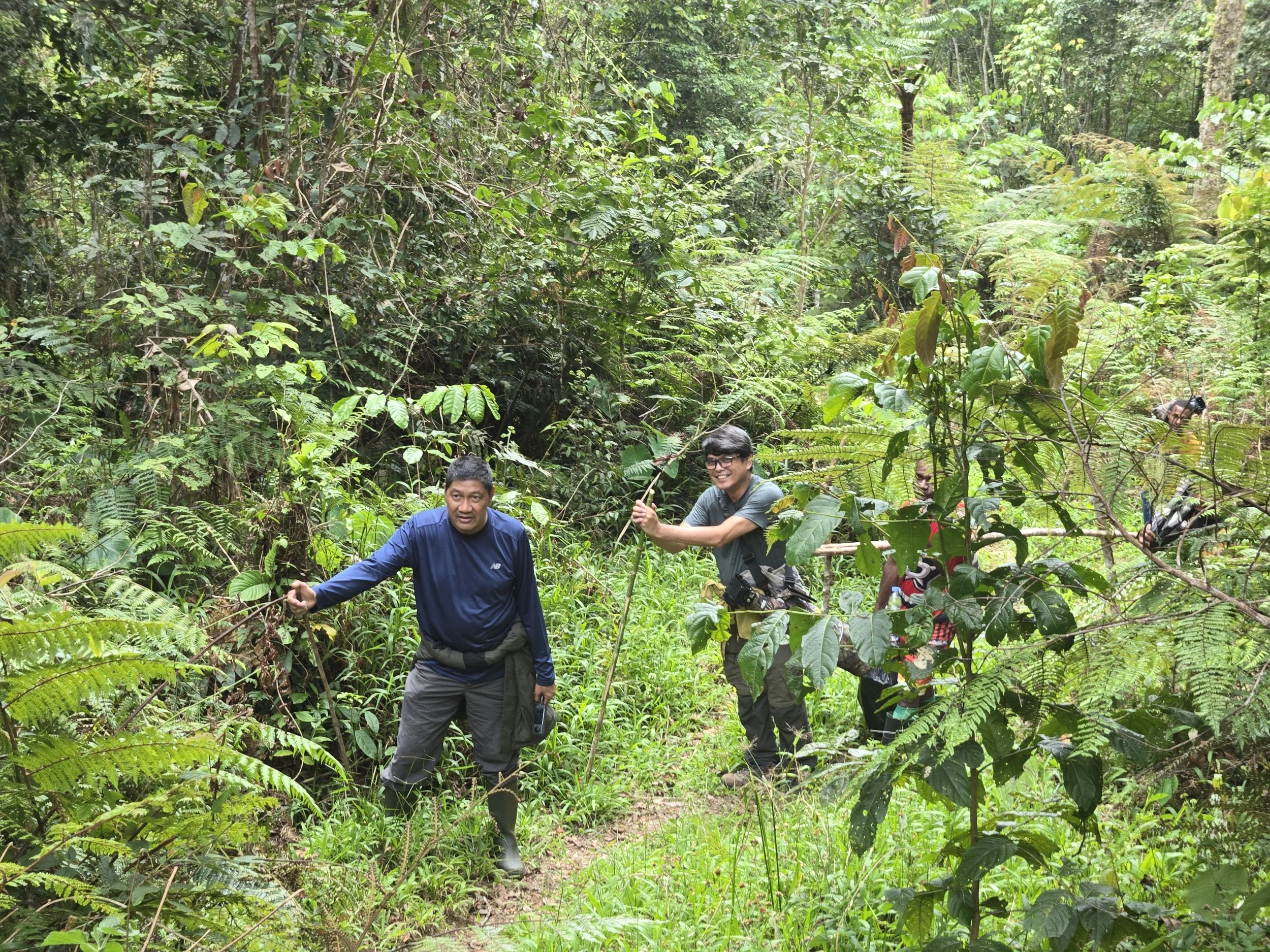
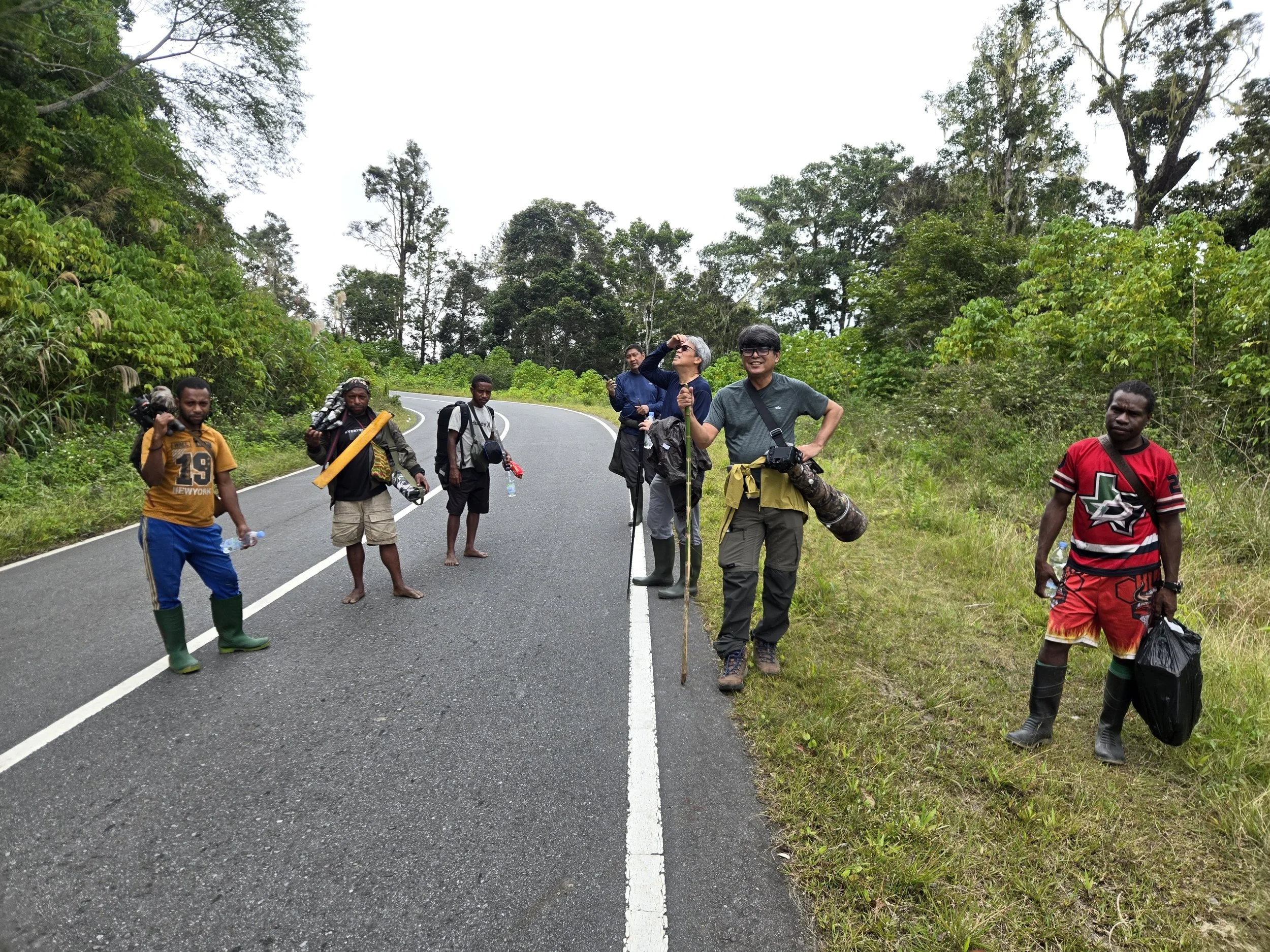
Another 5:00 AM start, and we were told the hike to the hide would take just 30 minutes. As it turned out, the trek stretched to nearly an hour. Walking in complete darkness on the way down felt easy enough, but the climb back revealed the true challenge. The narrow trail hugged steep ravines where a single misstep could have been fatal.
Despite the demanding hike, the reward was worth every step. The Superb Bird-of-Paradise put on a remarkable show, remaining near the display area for almost an hour while searching for a mate that never appeared. Photographing it was no easy task. Even at ISO 25,600, the dim forest light pushed our cameras to their limits. Capturing the perfect shot required patience, perseverance, and a bit of luck, but the experience was unforgettable.
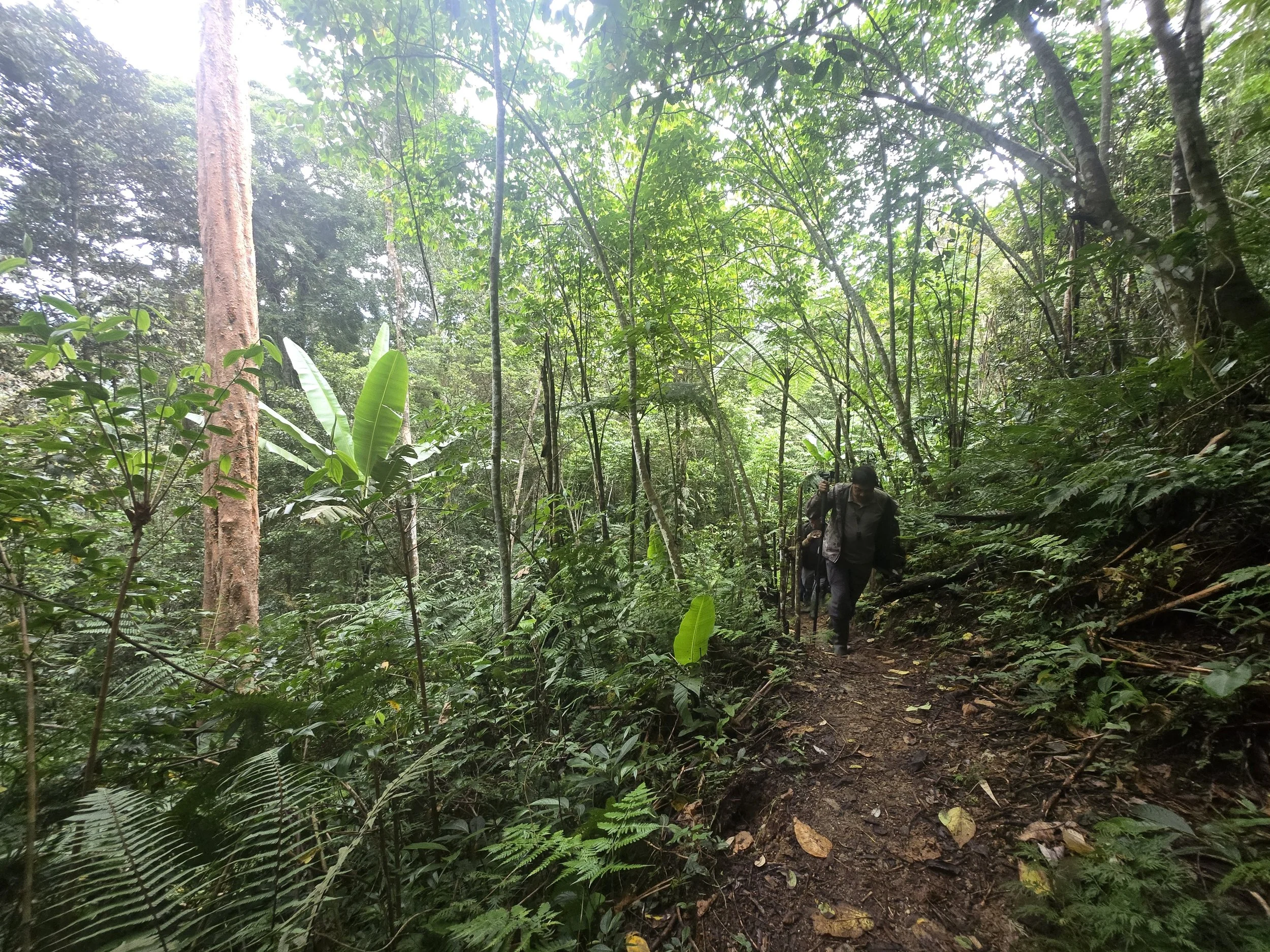
Birding Around the Homestay
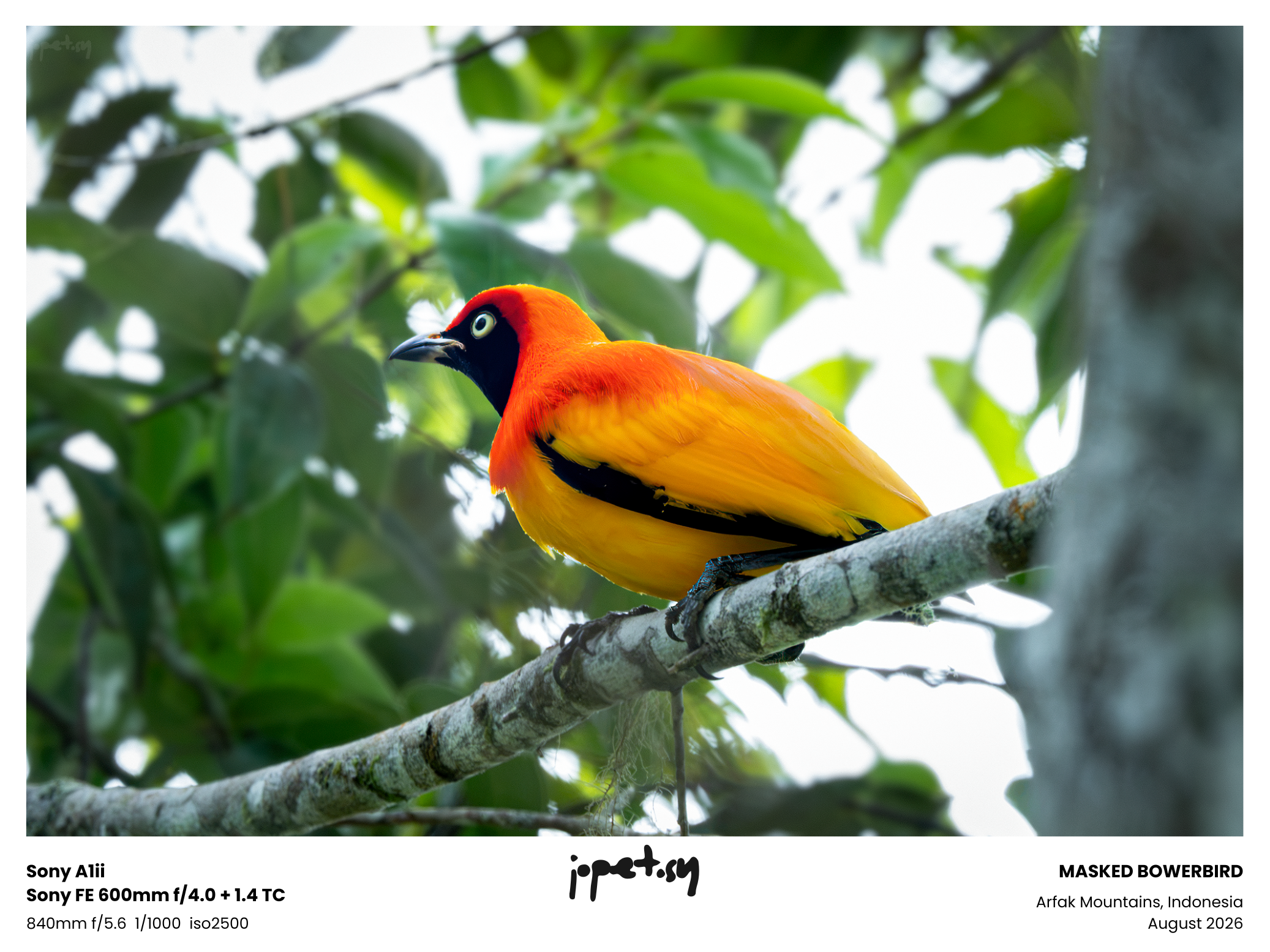
Masked Bowerbird
A very colorful bowerbird of foothill and lower montane forests. Male is bright orange and yellow with a black face, edge to the wing and tail. Female has yellow underparts and a brown back with brown scaling on the chest. Forages for fruit in the canopy but perches out in the early morning. Golden Myna is superficially similar, although the male Masked Bowerbird lacks the black back and belly. Call, a loud rasping note that sounds rather like a taser. (E-bird)
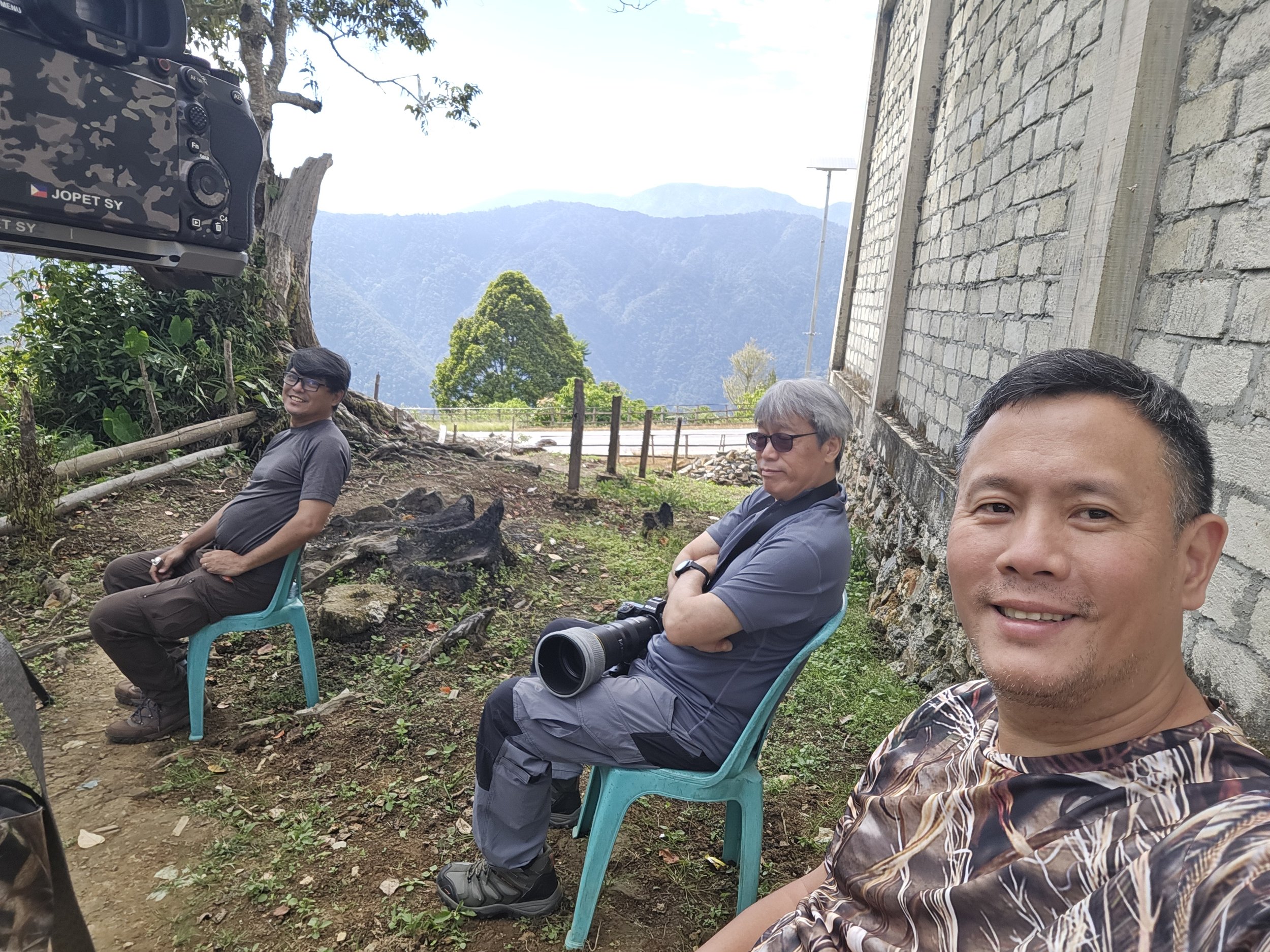
On our final day, we decided to take things slower and spend time birding around the homestay rather than hiking to another hide.
Several dove species were present, along with a Masked Bowerbird, although it did not stay long enough for extended observation. Most of the promising trees and perches were around 50 to 100 meters away, depending on where the birds landed.
While bird activity was more limited compared to the hides, it was a relaxing way to end our stay in Arfak. Sometimes, after several days of challenging hikes and early mornings, simply sitting quietly and enjoying the surroundings is the perfect way to conclude a birding adventure.
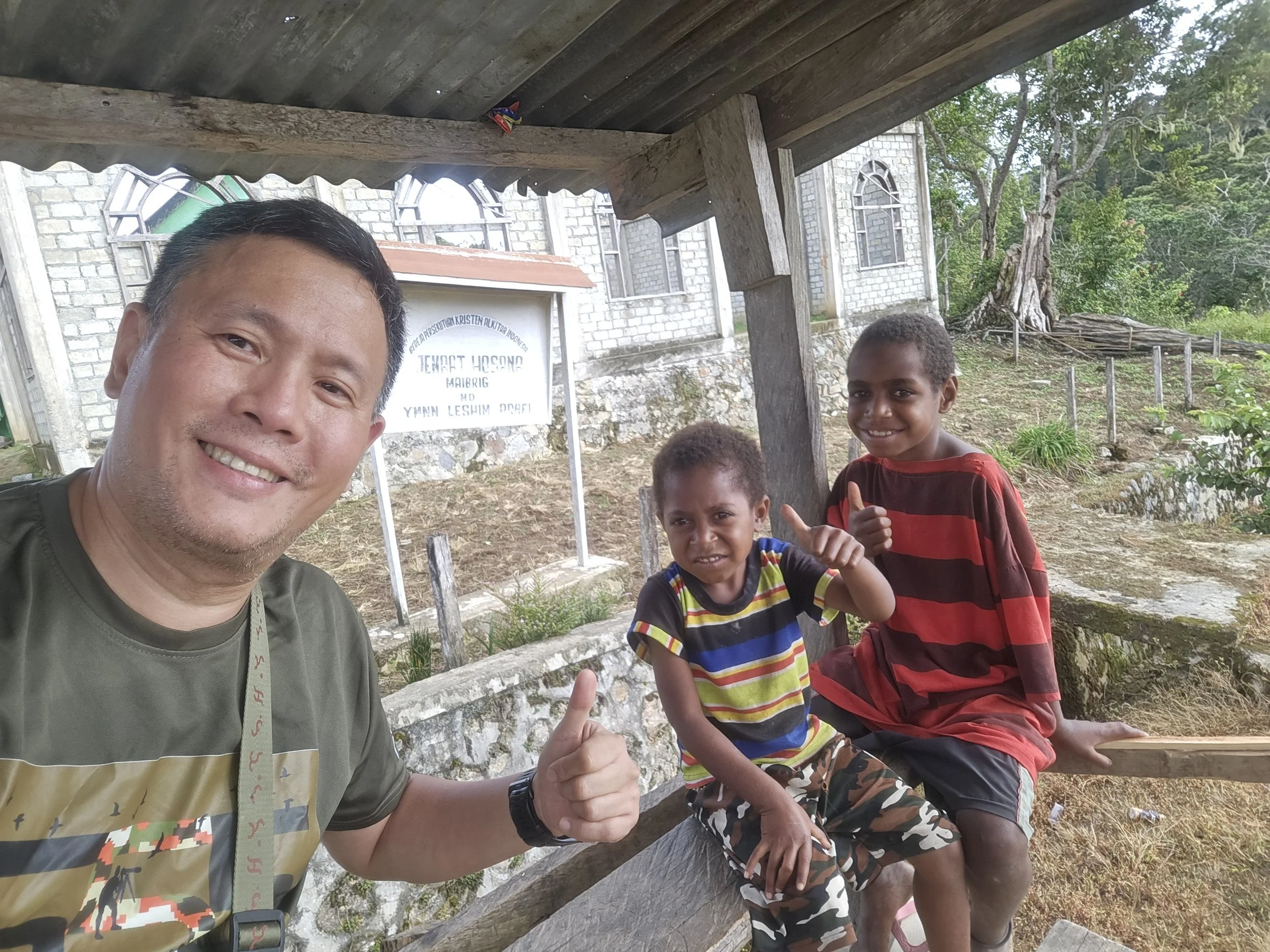
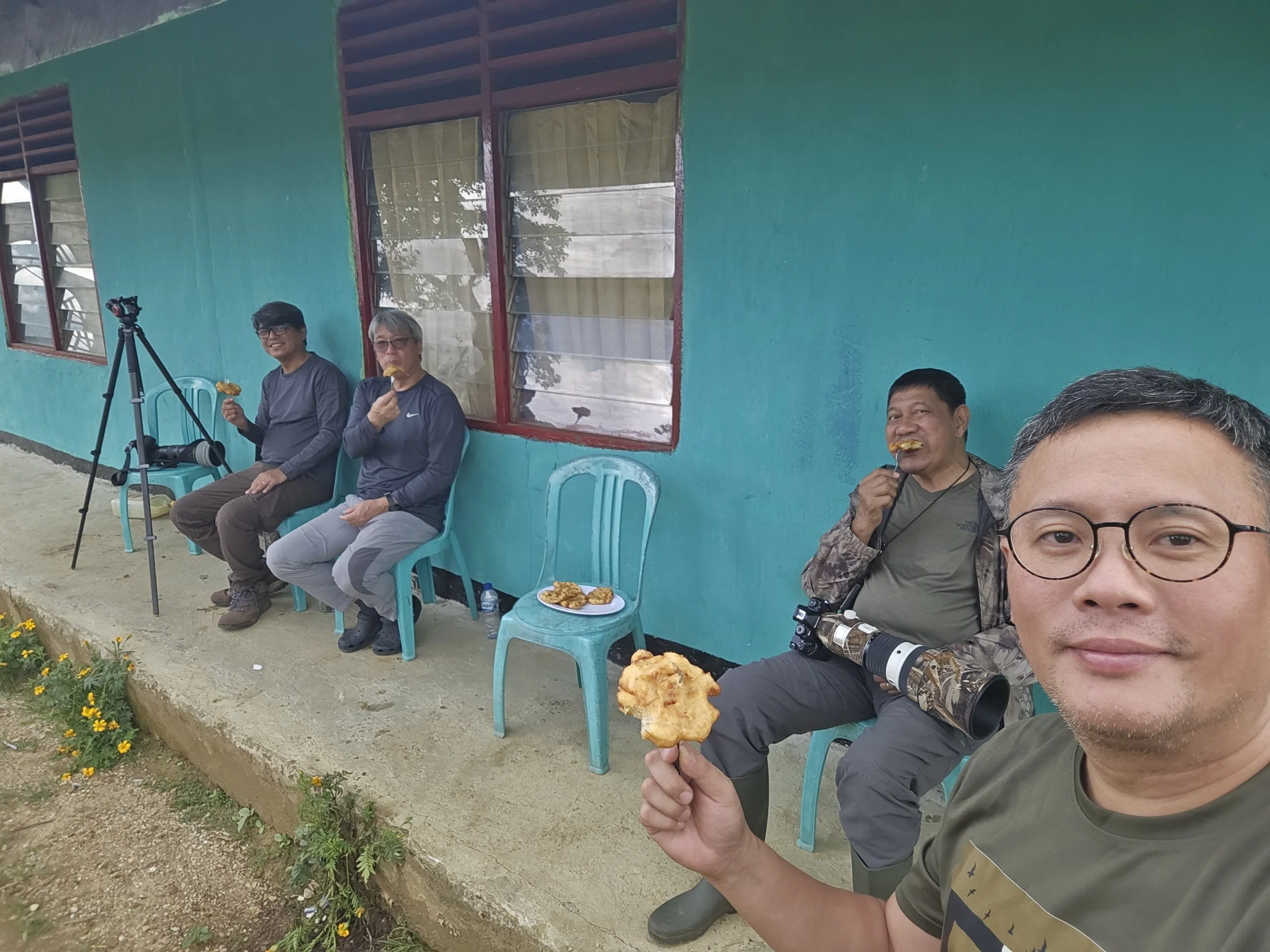
GOING BACK TO THE CITY
All good things must come to an end.
On our final day in Arfak, we had lunch before heading back down to Manokwari, where we planned to spend the night before our flight the next day. Unfortunately, as expected, Batik Air managed to disappoint us once again.
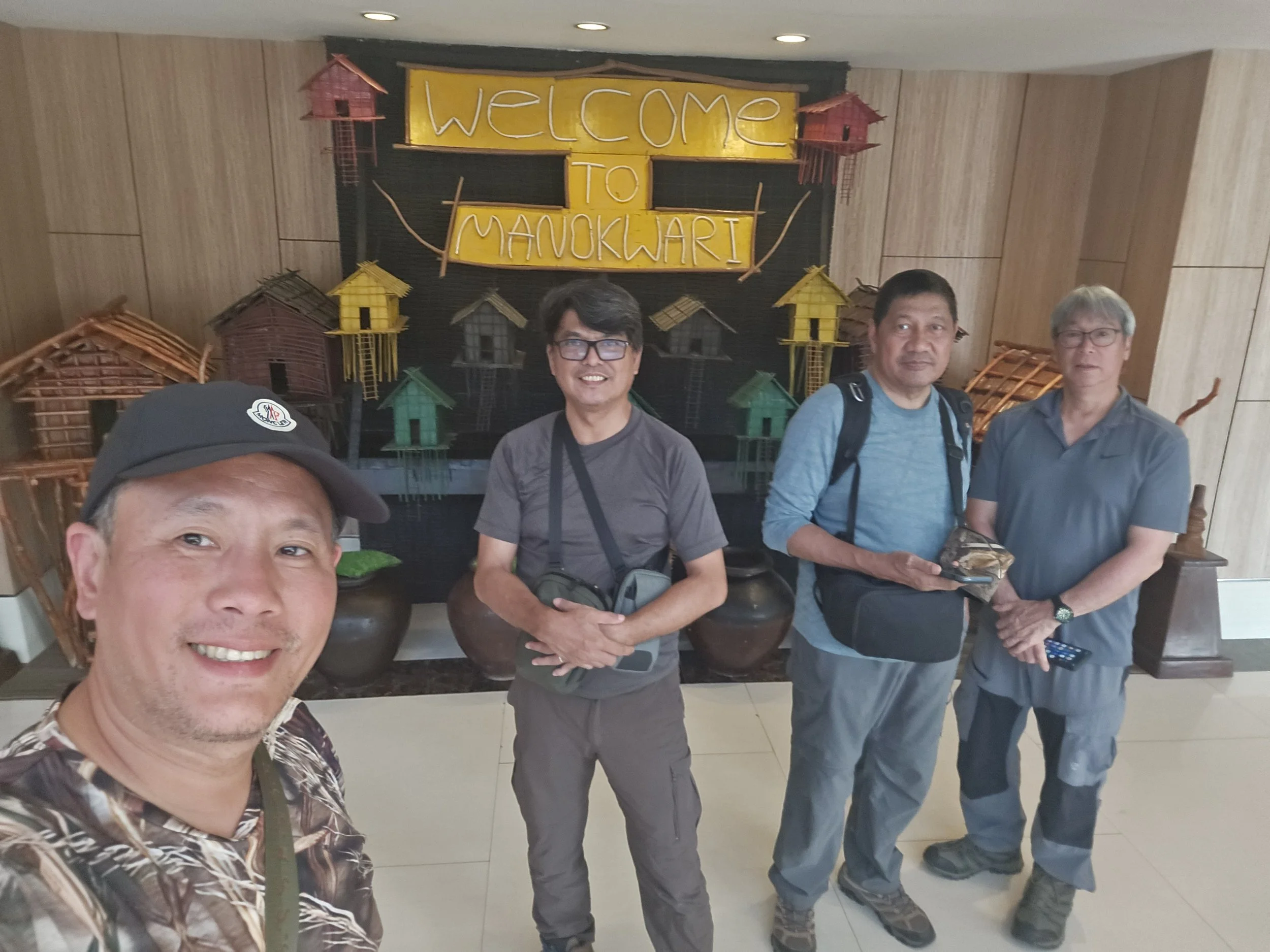
A day before our departure, we received an email informing us that our stopover arrangements in Sorong had been changed yet again. We were assigned new flights, and this last-minute reshuffling completely drained us during the journey home.
What should have been a simple two-hour flight from Sorong to Manado turned into a travel marathon. The Lion Air Group rearranged our itinerary, changing multiple flight segments and turning what should have been a straightforward trip into a nine-hour ordeal. Instead of flying directly to Manado, we found ourselves traveling from Manokwari to Makassar before finally reaching our destination.
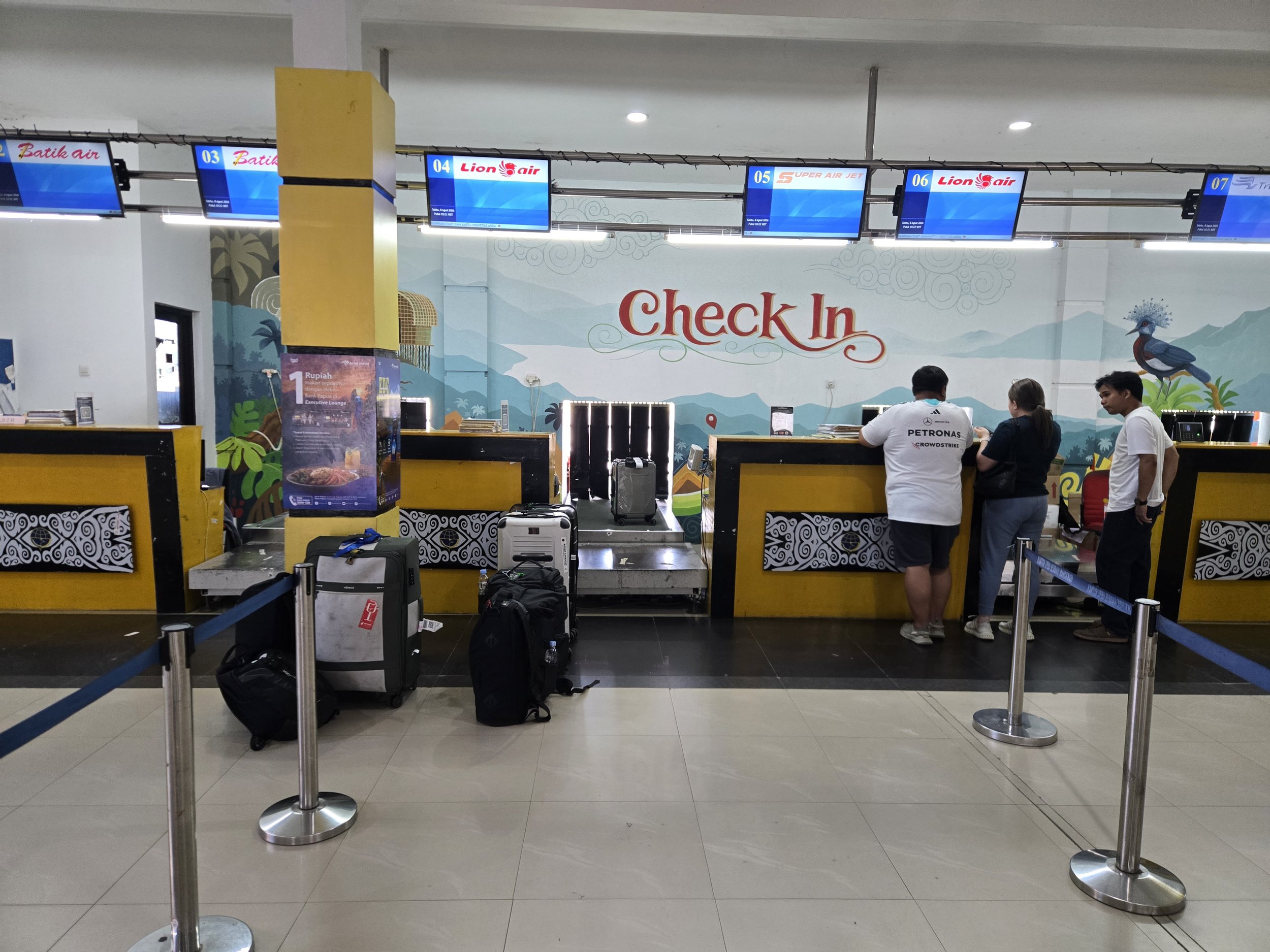
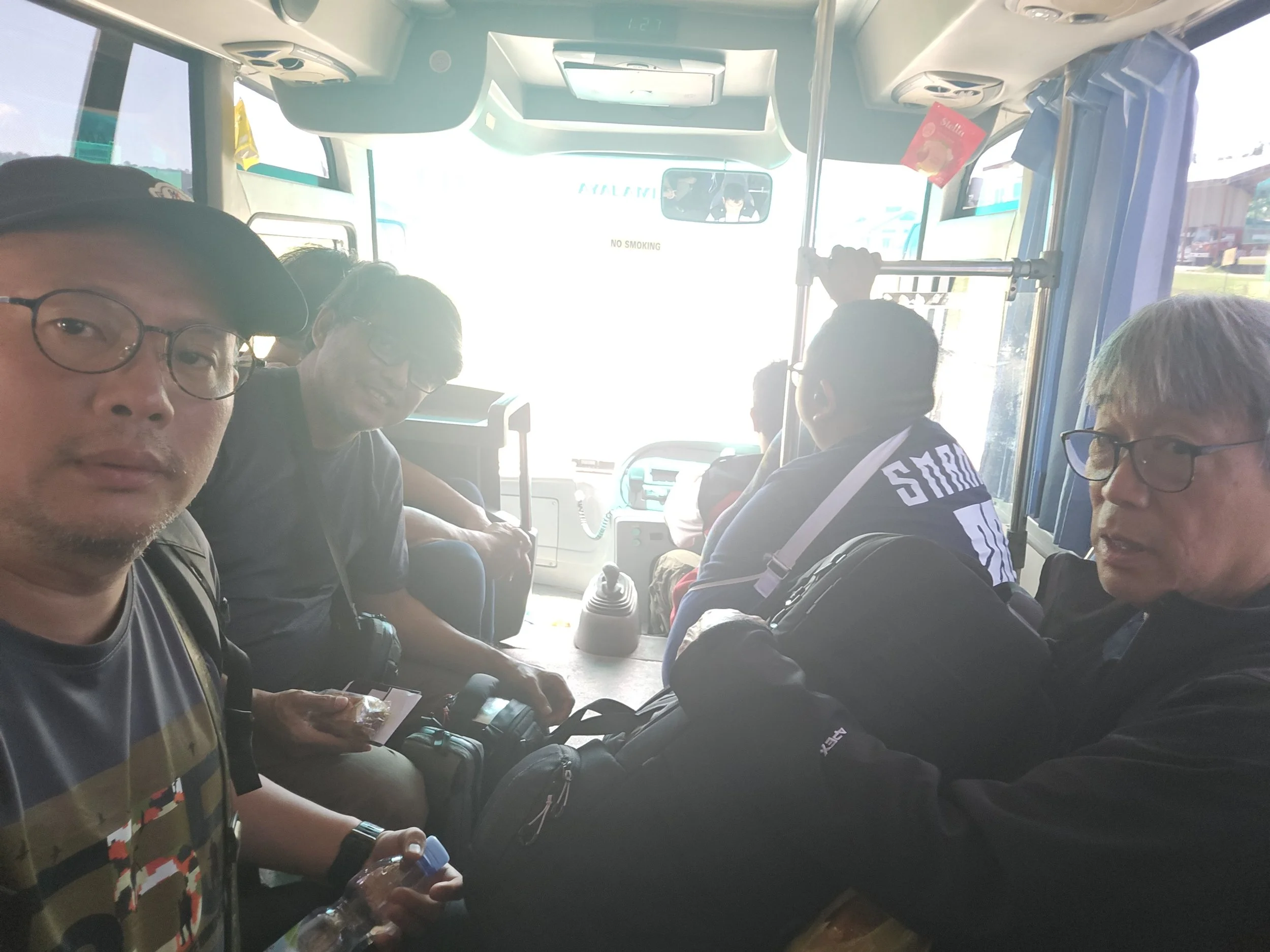
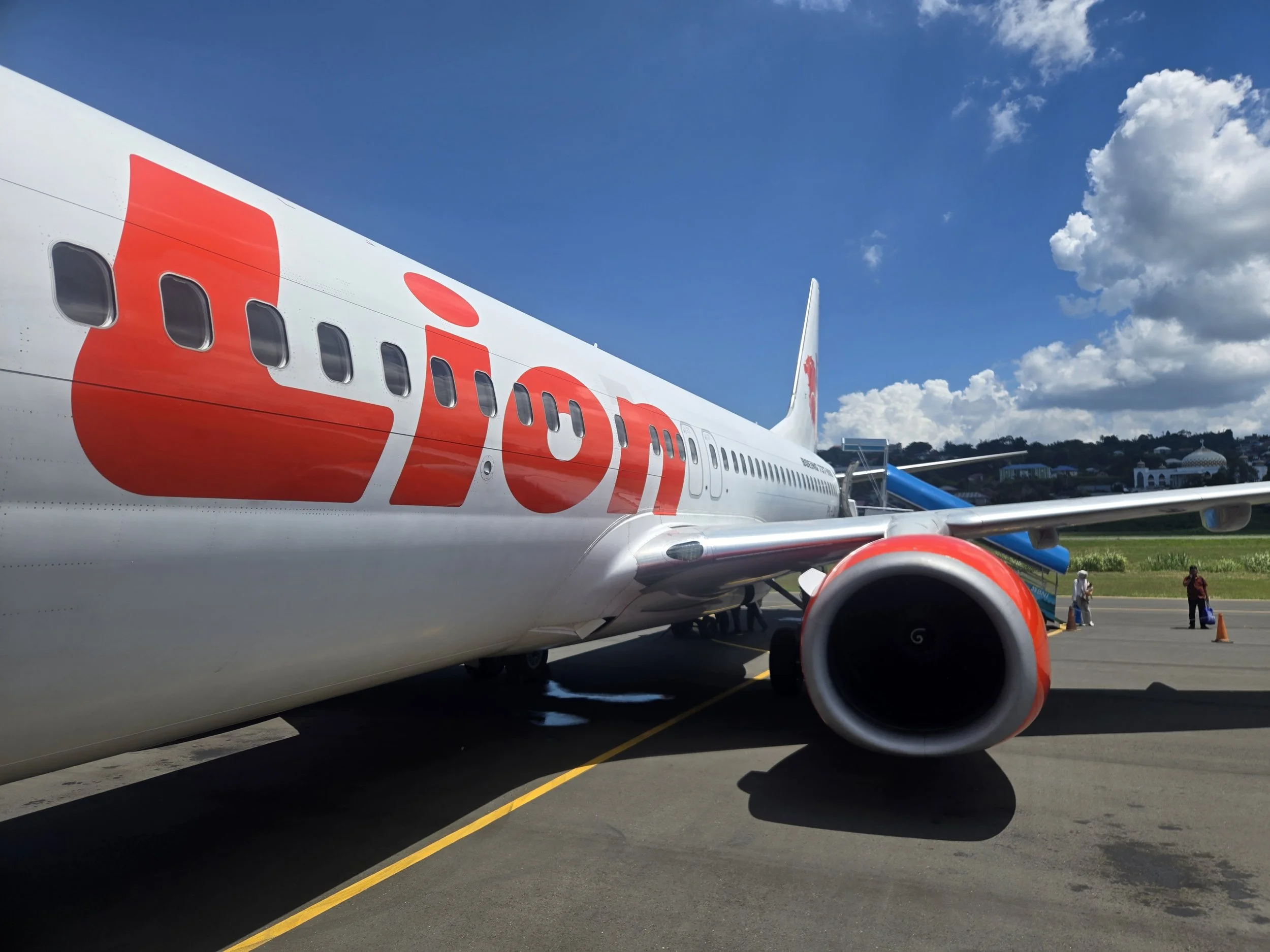
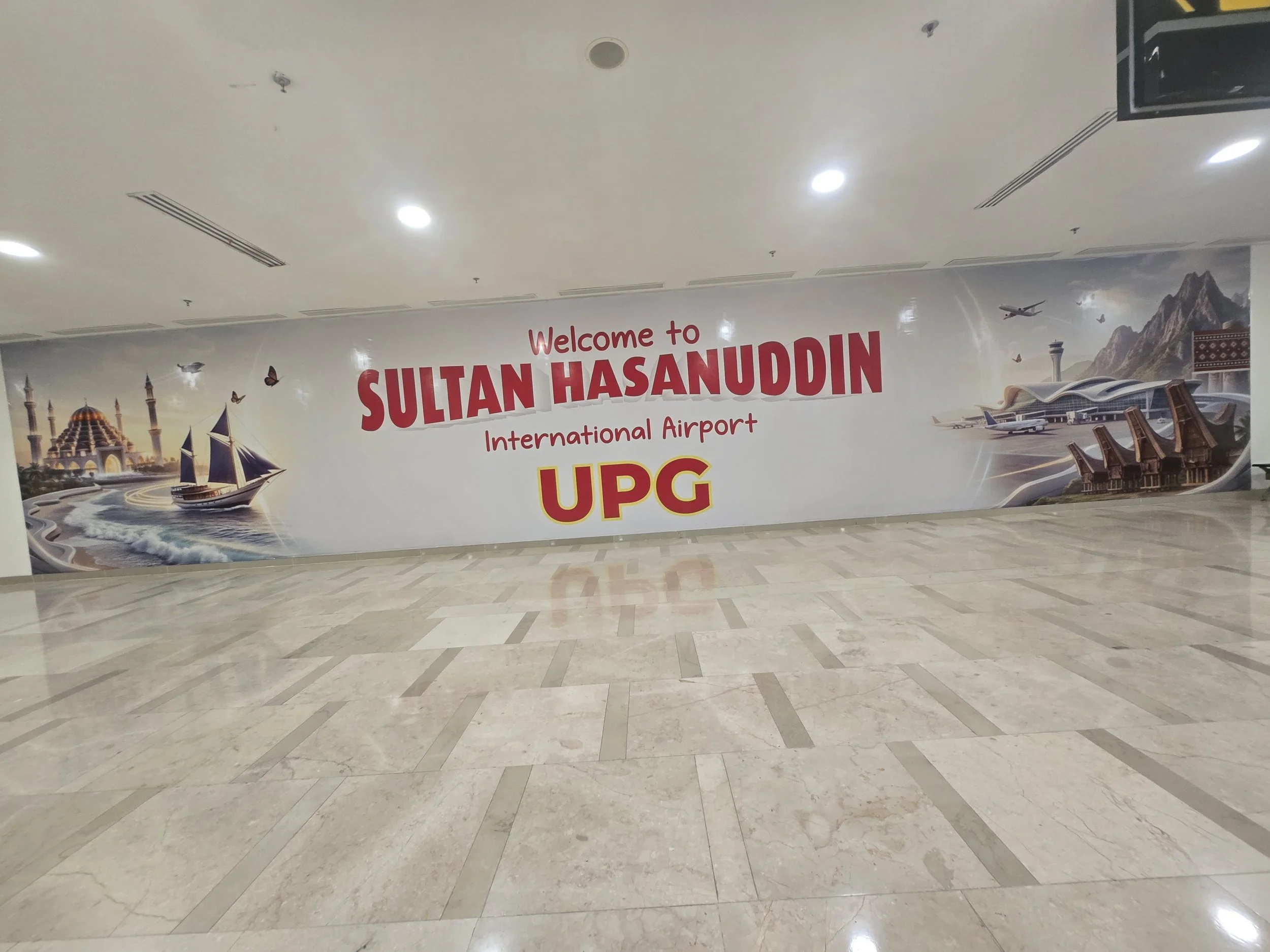
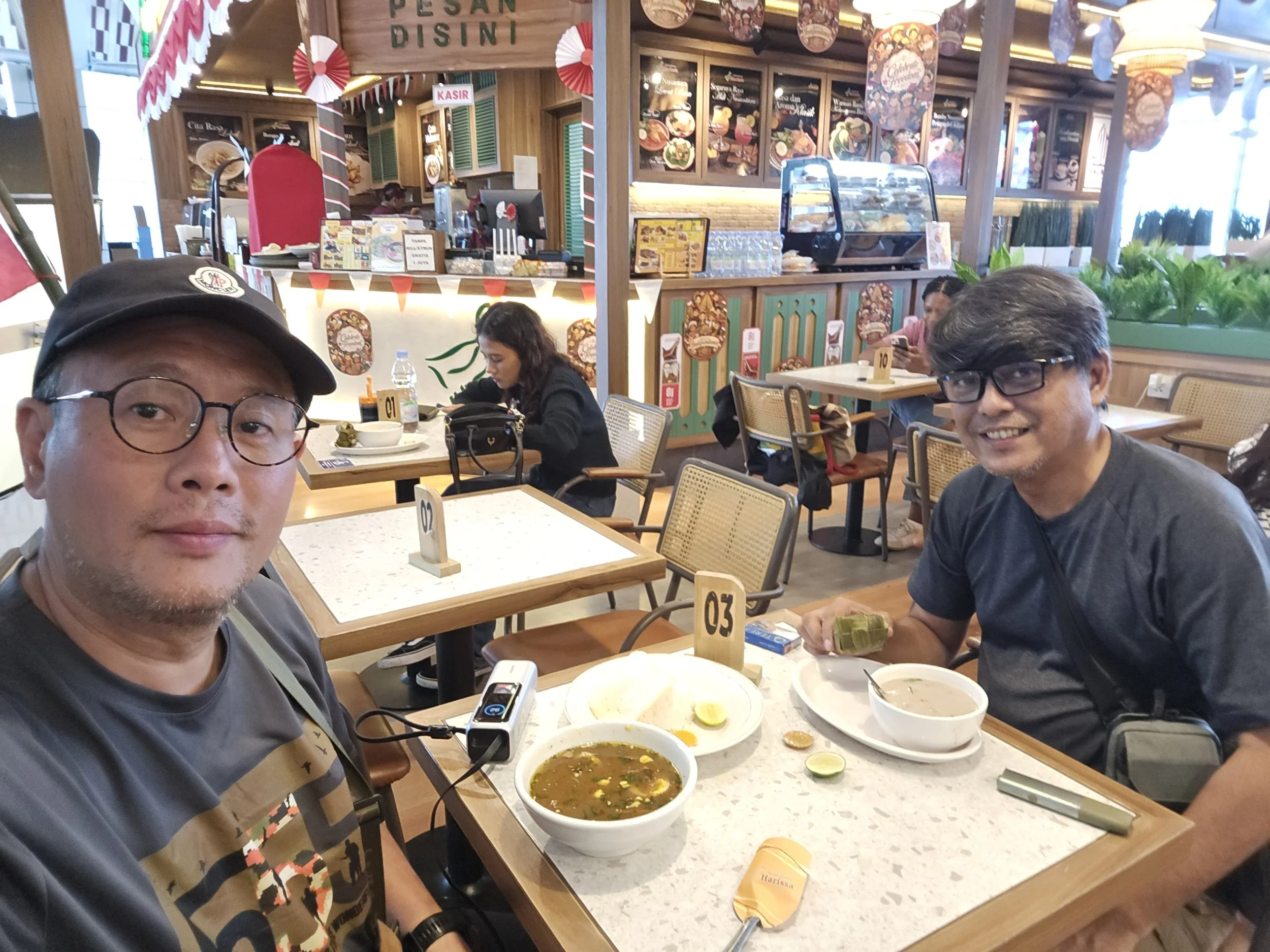
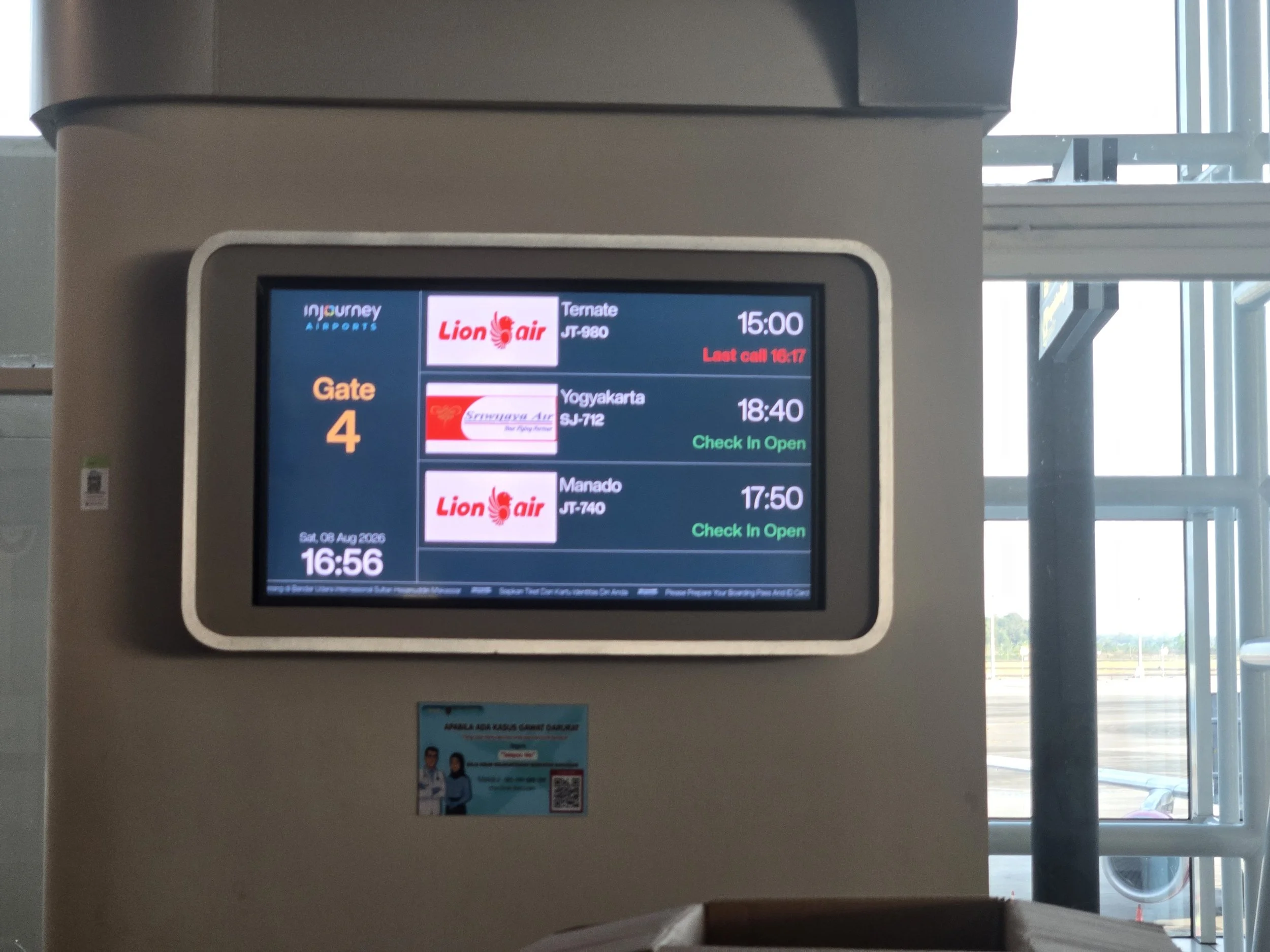
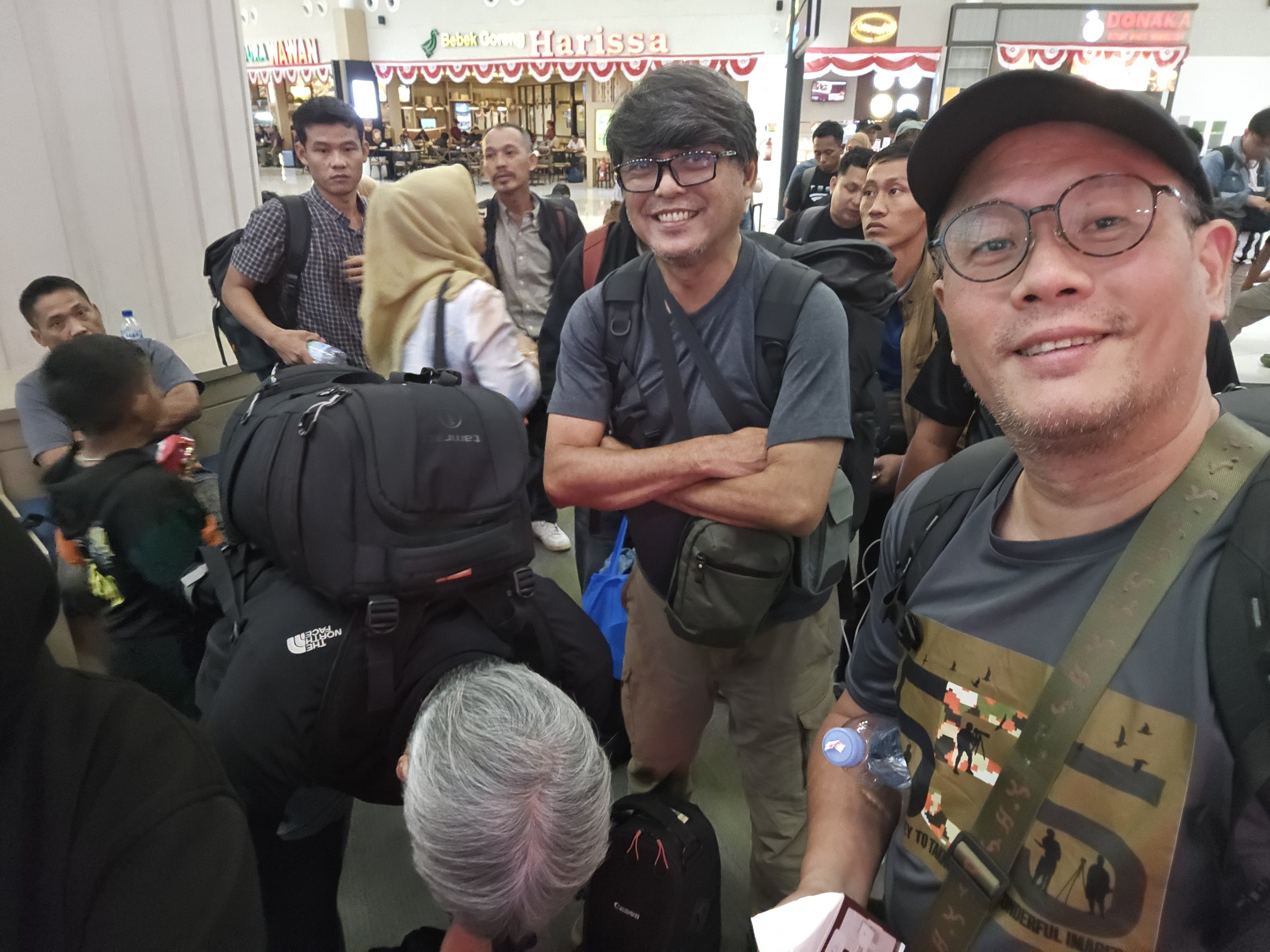
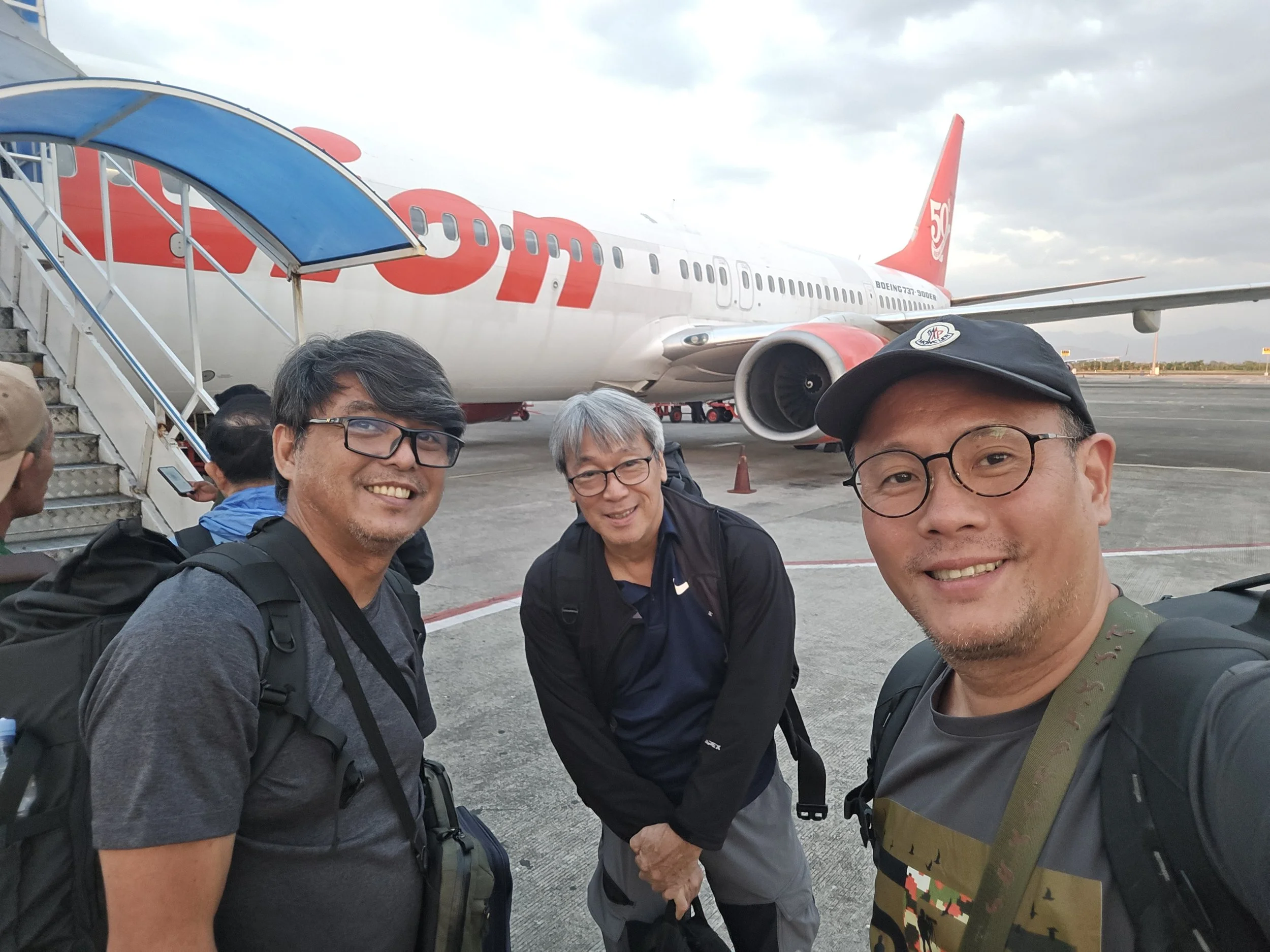
My advice to anyone planning a trip to Indonesia: never rely too heavily on domestic flight schedules. Many routes are operated by airlines under the same group, and schedule changes seem to happen more frequently than one would hope. We even emailed customer service regarding the inconvenience, but the response was simple: since the flights had already been used, there would be no compensation. Excellent customer service, right? Of course, we had no choice but to accept it and move on.
After nearly nine hours of travel, we finally landed in Manado. Exhausted but satisfied, we looked back on an unforgettable adventure in West Papua, where every challenging hike, early morning wake-up call, and unexpected travel hiccup was rewarded by incredible encounters with some of the world's most spectacular birds.
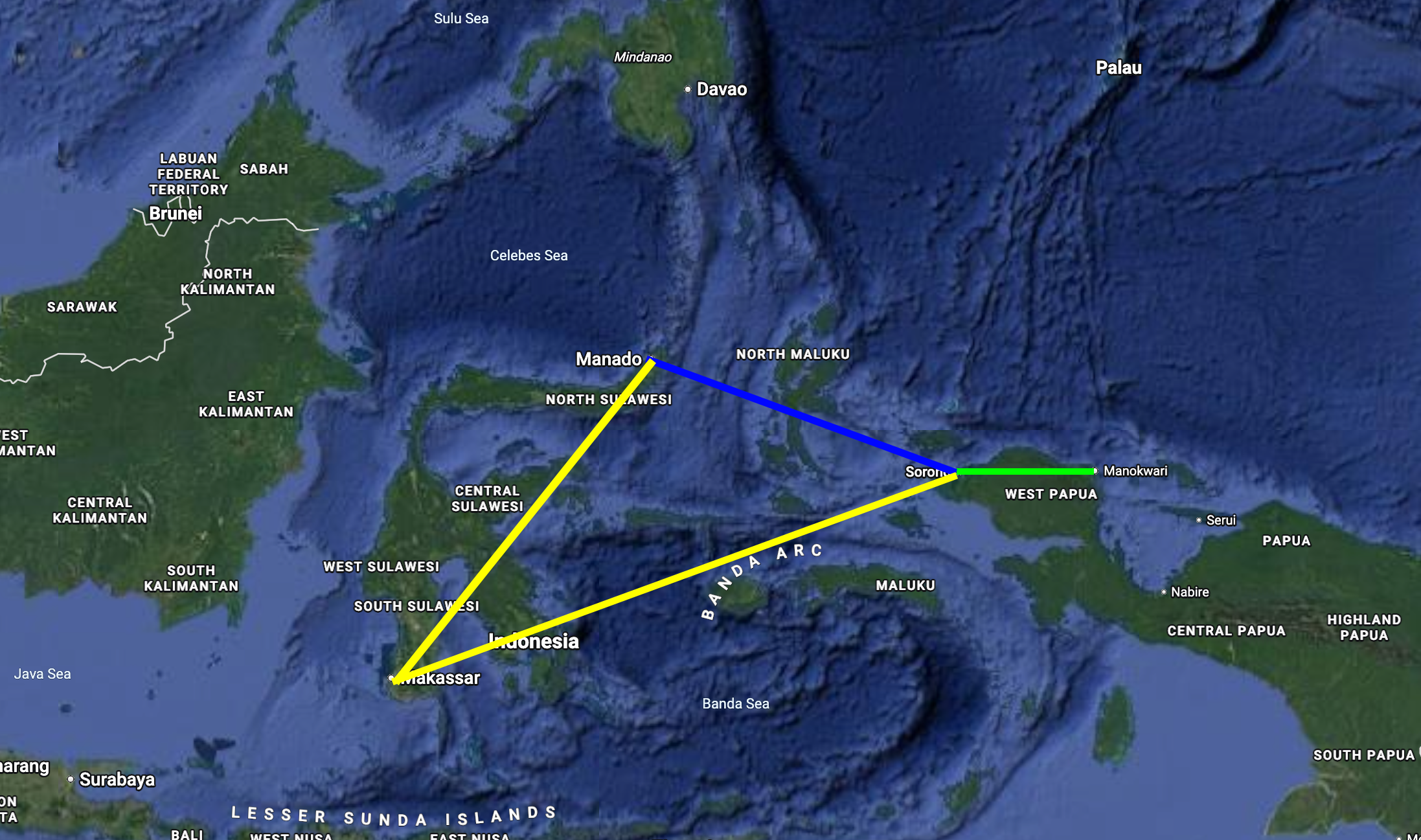
GREEN - Manokwari to Sorong (Batik Air)
BLUE - Sorong to Manado (should be our original flight)
YELLOW - Sorong to Makassar to Manado (Lion Air, good job!)
Watch out for my upcoming Manado birding blog! 🦜📸
